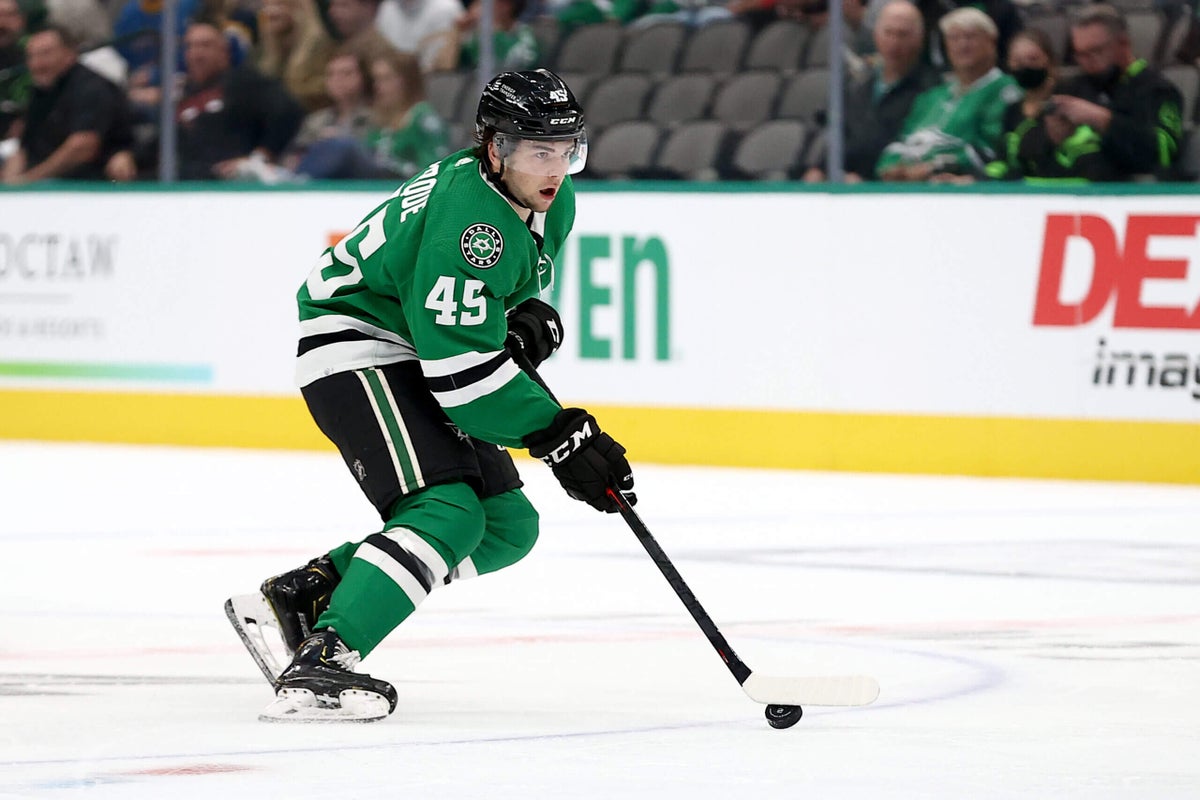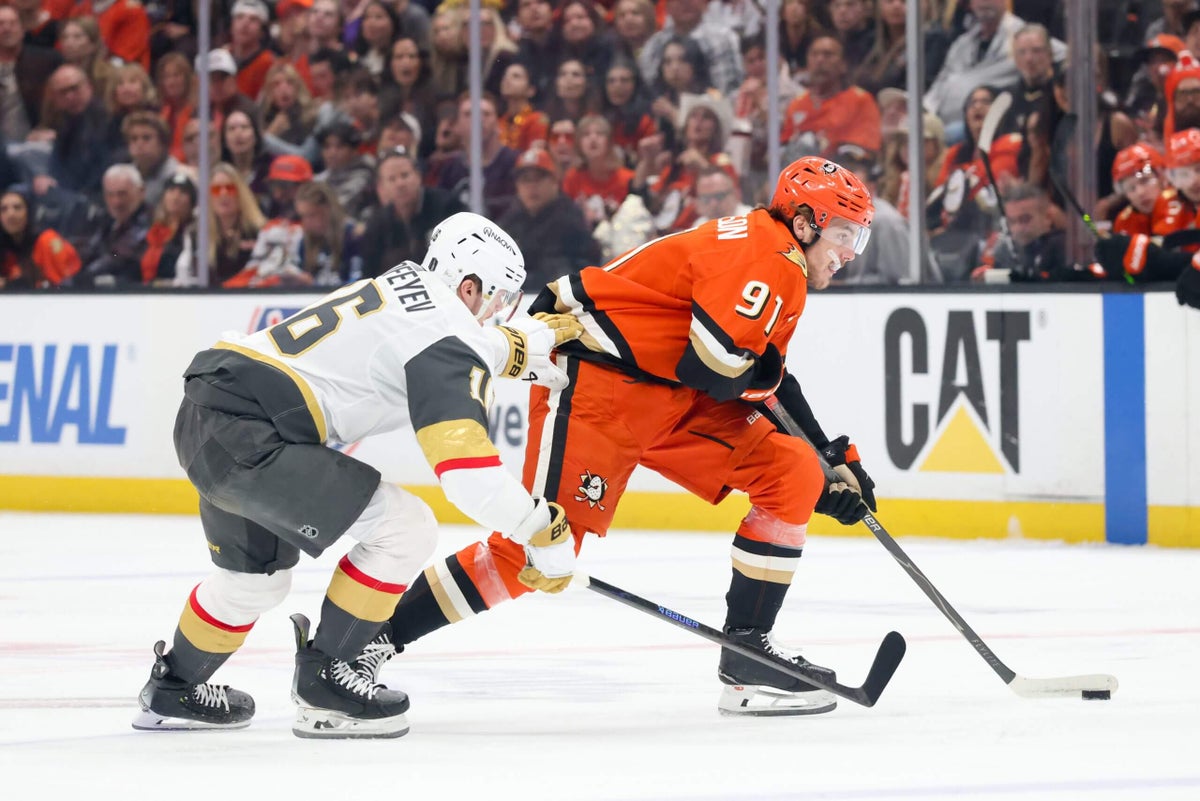
The early stages of the NHL’s skyrocketing salary cap have already had a massive impact on team-building strategies and player compensation. Young players are commanding lucrative contracts faster than ever, leaving some teams with tough decisions about specific restricted free agents in line for significant raises.If the club is fully sold on the player’s ability and long-term fit — and if the player is willing to stay — it’s usually straightforward to agree to a lengthy contract extension that makes both sides happy. However, sometimes there is a gap between the agent and the team’s perceived value of the player or their future role, and that’s when matters can become complicated.Here, we will examine four fascinating RFA dilemmas that teams will face this offseason. This is not meant to be a list of players who are guaranteed to be out the door in summer trades; it’s just that their contract situations/futures are complex and will require extra thought and consideration. A favorable contract extension would probably be the No. 1 preference for these teams, but if talks go sideways, it could open the door to the possibility of a trade.Jason Robertson is the highest-profile RFA with question marks about his future, but we won’t be discussing him in this story. Not only is that a relatively well-known storyline by this point, but after Robertson led the team with 45 goals and 96 points in the regular season, and followed it up with a strong Round 1 performance, it feels like a contract extension is the most logical solution for both sides.Yes, Dallas will need to make a couple of moves to carve out the cap room necessary to give Robertson the bag he deserves, but there are contracts further down the lineup that the club should be able to shed. The Stars’ bottom-six depth would suffer, but it would only be a problem for a year because Tyler Seguin’s $9.85 million cap hit will come off the books at the end of next season.Once you get past Robertson, it’s interesting to note that the most intriguing RFA situations surround defensemen. Without further ado, let’s dive in.Simon Nemec, RHD, New Jersey DevilsContract projection: $8.06 million x seven years (long-term), $4.47 million x two years (short-term)Nemec’s offensive production, ice time and pedigree mean his next contract, provided it’s a long-term one, will be expensive; he’s projected to carry an $8.06 million cap hit on a seven-year deal.There are a few factors that could complicate New Jersey’s decision to make such a large commitment to him.Firstly, while Nemec has shown flashes of high-end offense and puck-moving, his defensive play remains a major limiting factor in his all-around game. The 22-year-old owns some of the worst defensive metrics in the league — as of now, he isn’t worth anywhere close to an $8 million cap hit according to colleague Dom Luszczyszyn’s Net Rating model.Nemec is still young enough to make a significant two-way leap and grow into a player worth that kind of hefty contract. However, the big question is whether he’ll get the opportunities to maximize his potential in New Jersey, where Luke Hughes gets first dibs on all the prime offensive and power-play opportunities.The Devils’ cap situation is a bit tricky as well. New Jersey only has $11.9 million of projected cap space with 18 of 23 NHL roster spots filled. If New Jersey re-signs Nemec at an $8 million AAV rate, it would leave only $3.8 million in cap room to extend Arseny Gritsyuk, a rising middle-six forward, and fill out the last two to three roster spots, which simply isn’t enough money. That’s before we even mention the Devils’ desperate need to find another top-six winger to bolster their offense. The Devils also already have $23.5 million committed to Hughes, Dougie Hamilton and Brett Pesce — can they afford another big-ticket contract on the back end?
Why these 4 NHL restricted free agents could become trade candidates this offseason
Young players are commanding lucrative contracts faster than ever, leaving some teams with tough decisions to make this summer.
1,755 words~8 min read