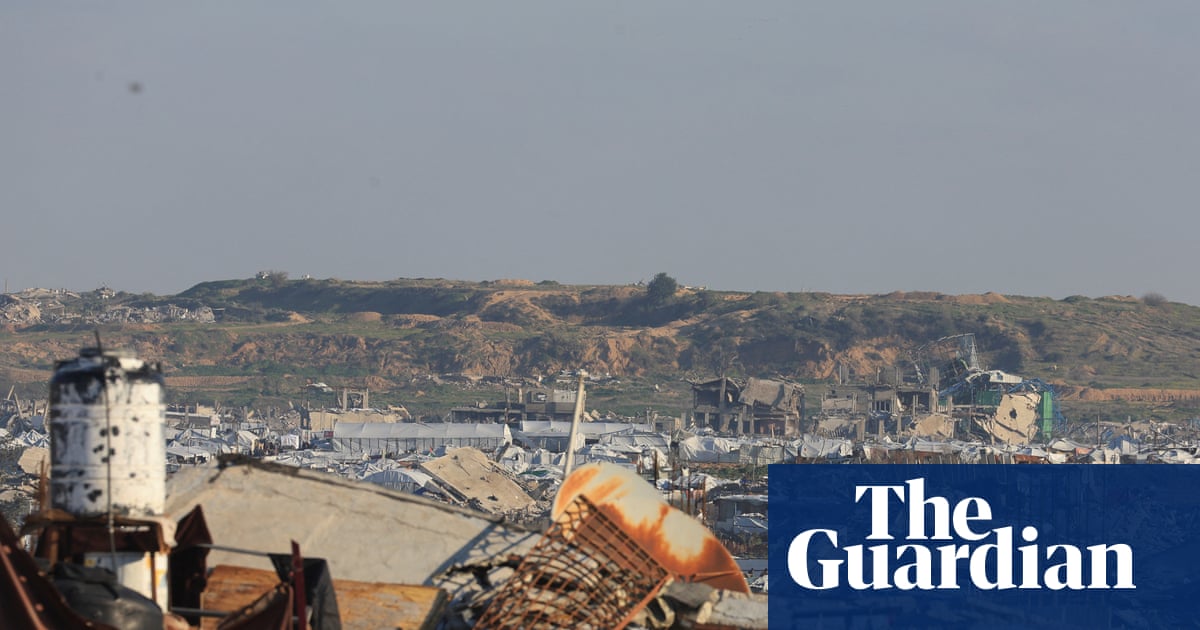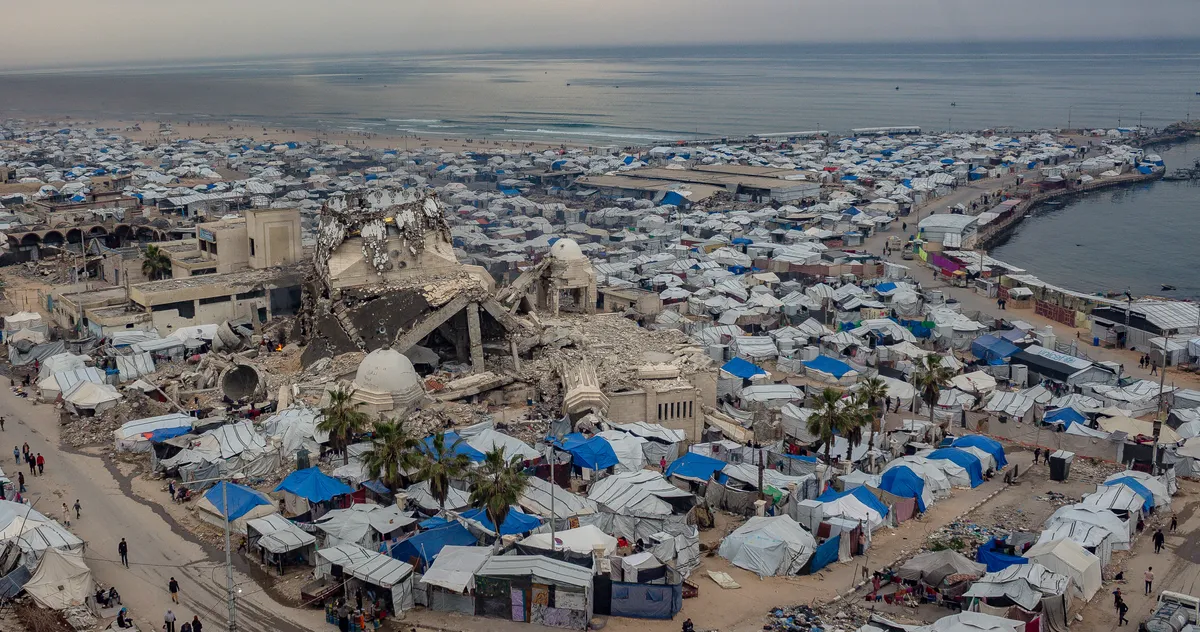
A tent city along Gaza’s coast, which President Trump hopes to turn into a “Gaza Riviera.”
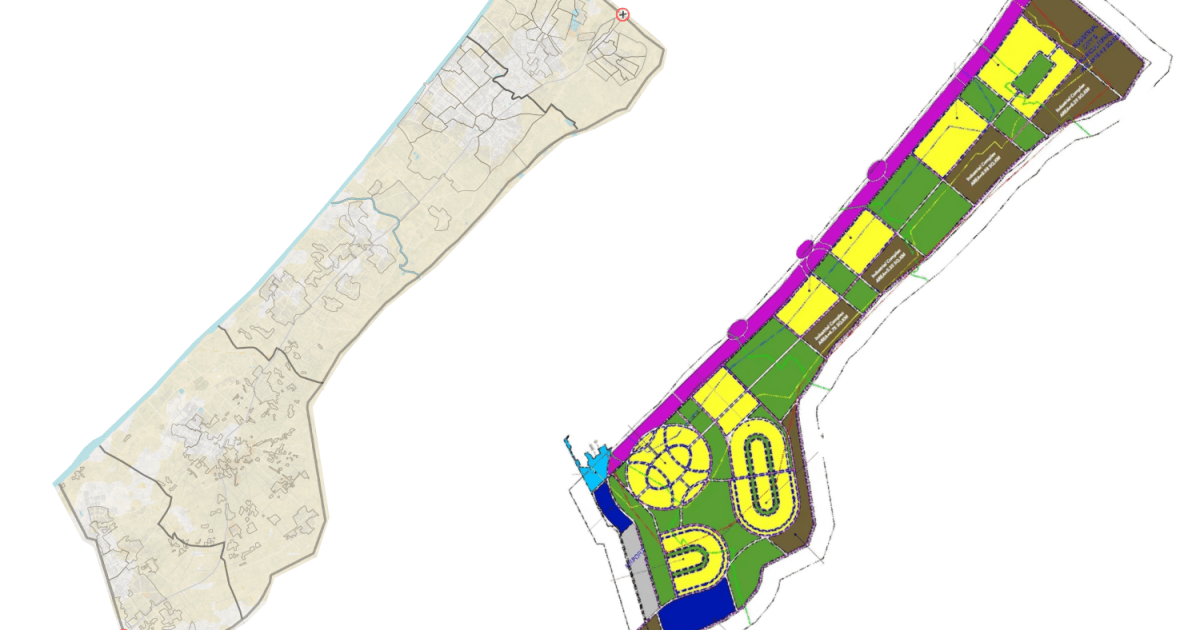
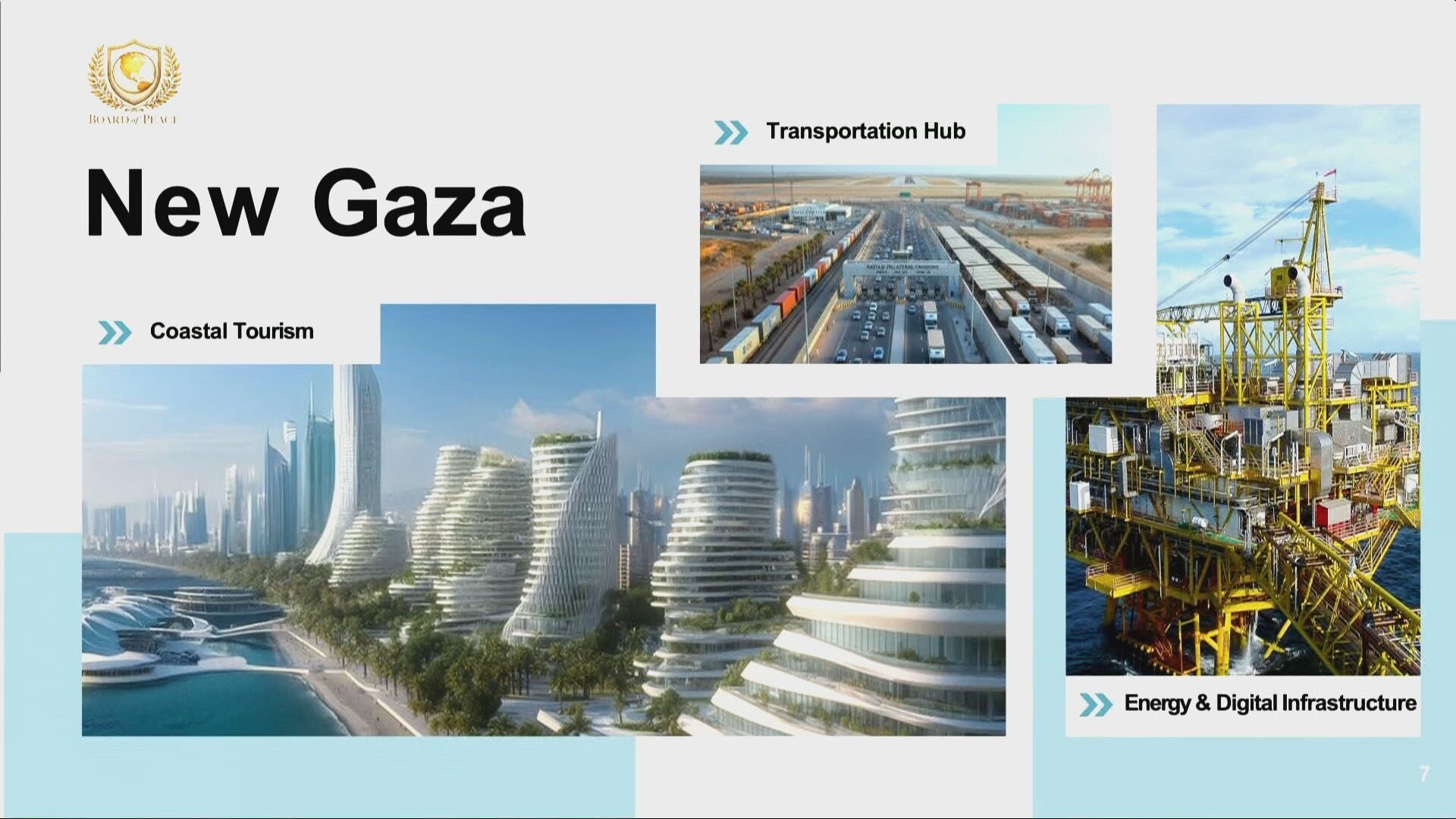
On January 22, at the World Economic Forum in Davos, Switzerland, Jared Kushner presented a “Master Plan” for the future of Gaza. Kushner’s slideshow featured glossy images of coastal skyscrapers, a new tourism district with 180 towers, an airport, a seaport, and industrial complex zones. A phased reconstruction timeline promised to transform “New Rafah” and “New Gaza” into modern metropolises. “In the Middle East, they build cities like this in three years,” Kushner said. “This is very doable.” Gaza’s GDP, he claimed, would exceed $10 billion by 2035; more than half a million jobs would be created; private investment for utilities and public services would reach at least $25 billion. New Rafah alone would contain more than 100,000 housing units; 200 education centers; 180 cultural, religious, and vocational institutions; and 75 medical facilities.
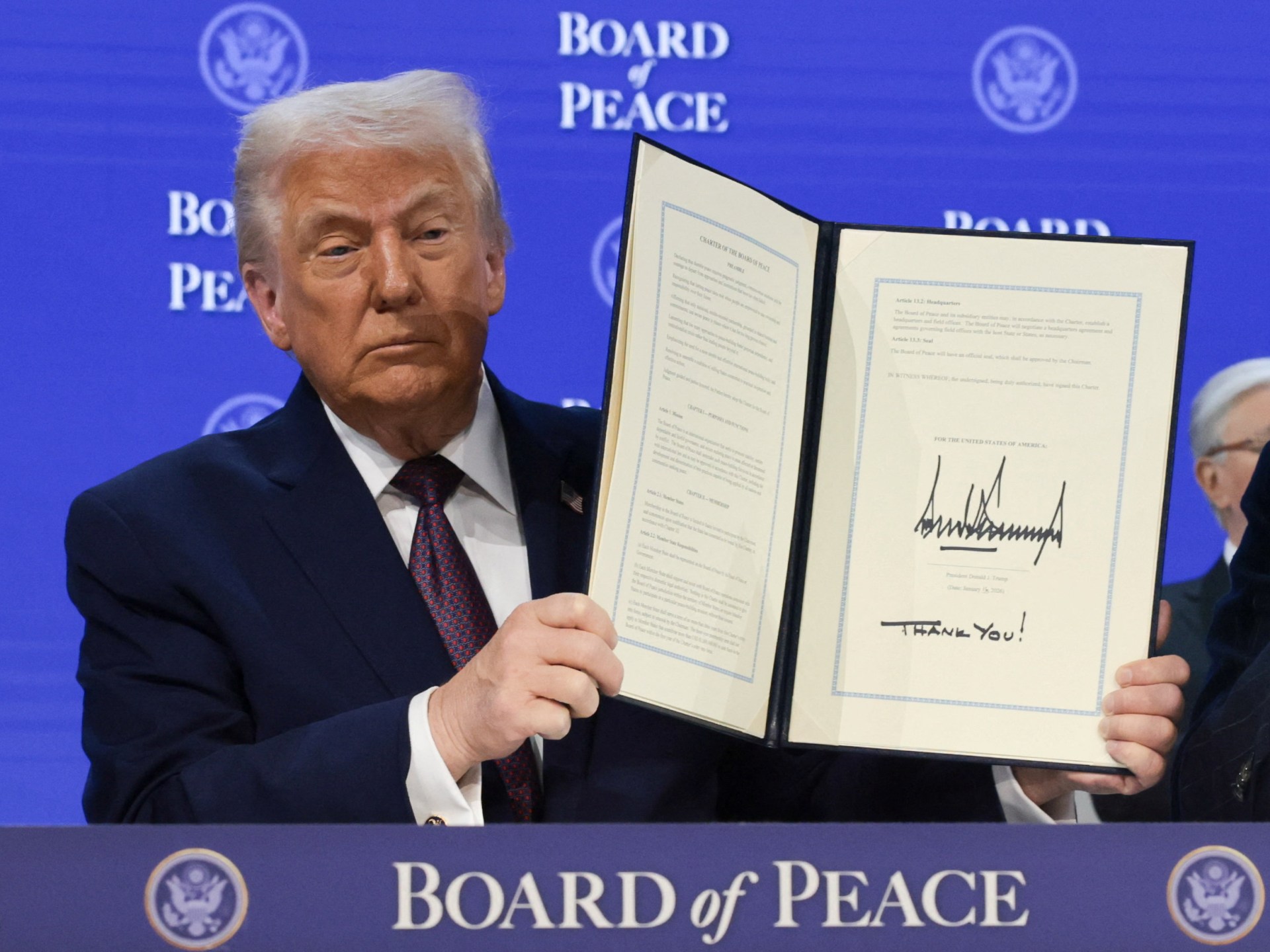
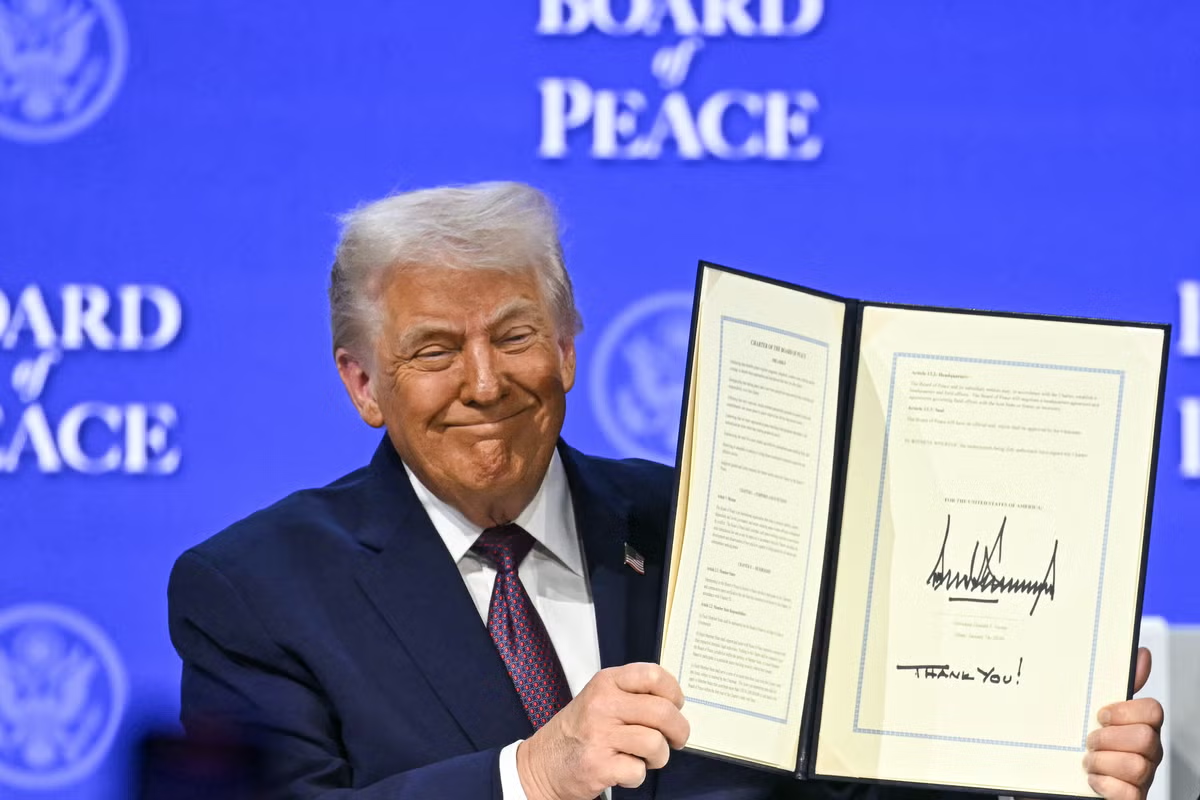
The Master Plan was shared as part of the establishment of President Donald Trump’s so-called Board of Peace. An earlier variation of the plan envisioned the construction of artificial islands with luxury resorts offshore — part of a broader ambition for what has been dubbed the “Gaza Riviera.” Rendered in artificial-intelligence graphics, skyscrapers hovered like a vision overlooking the coastline where decades of blockade and war have reduced seaside infrastructure to rubble.