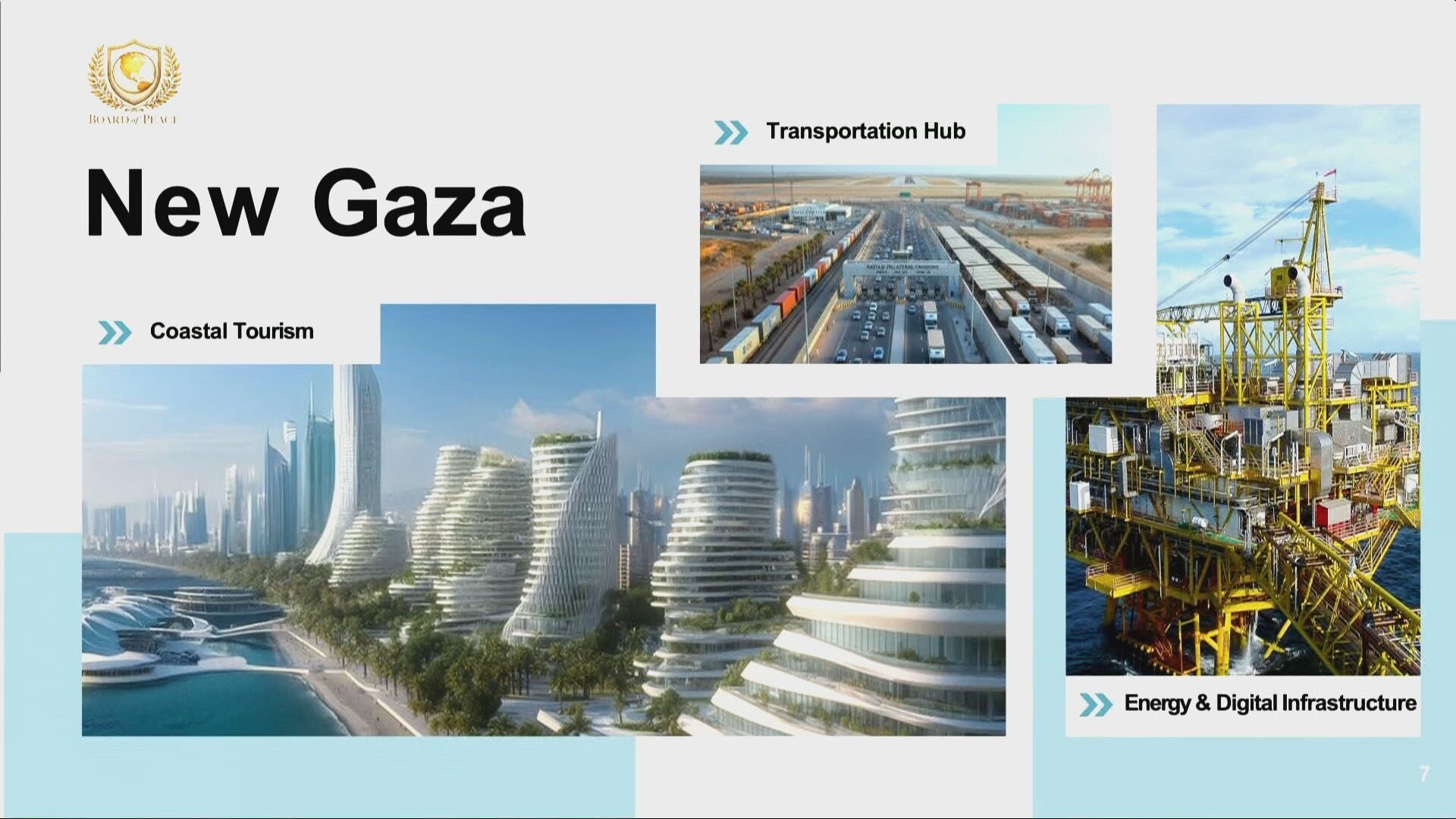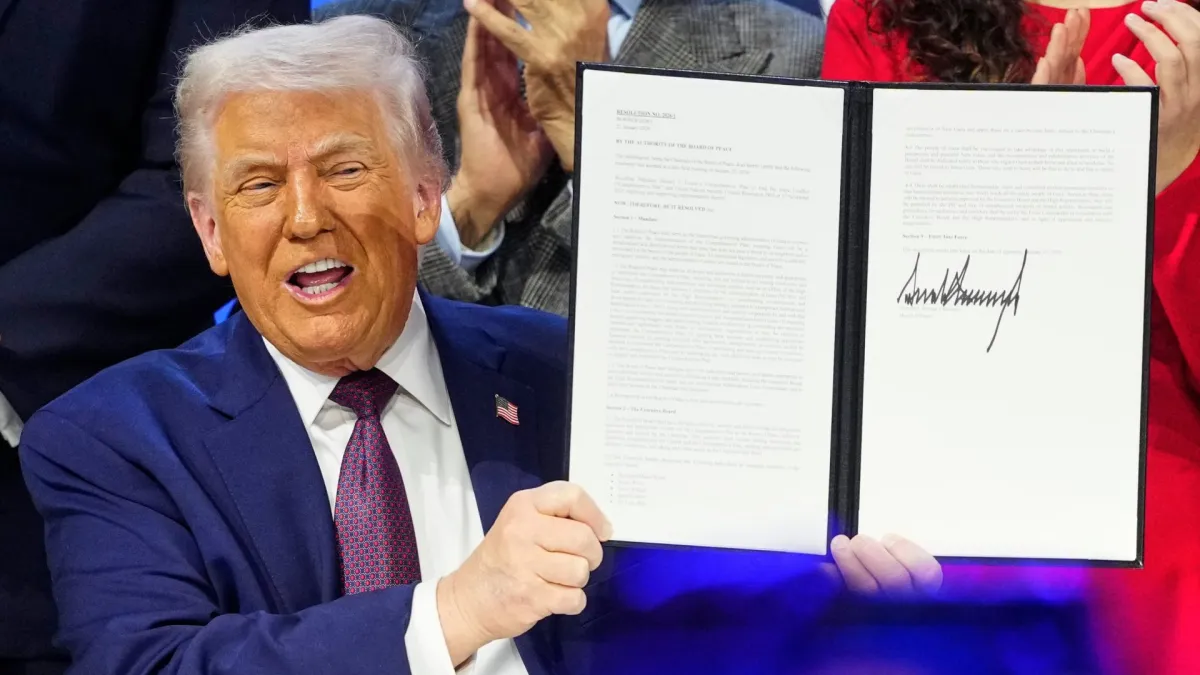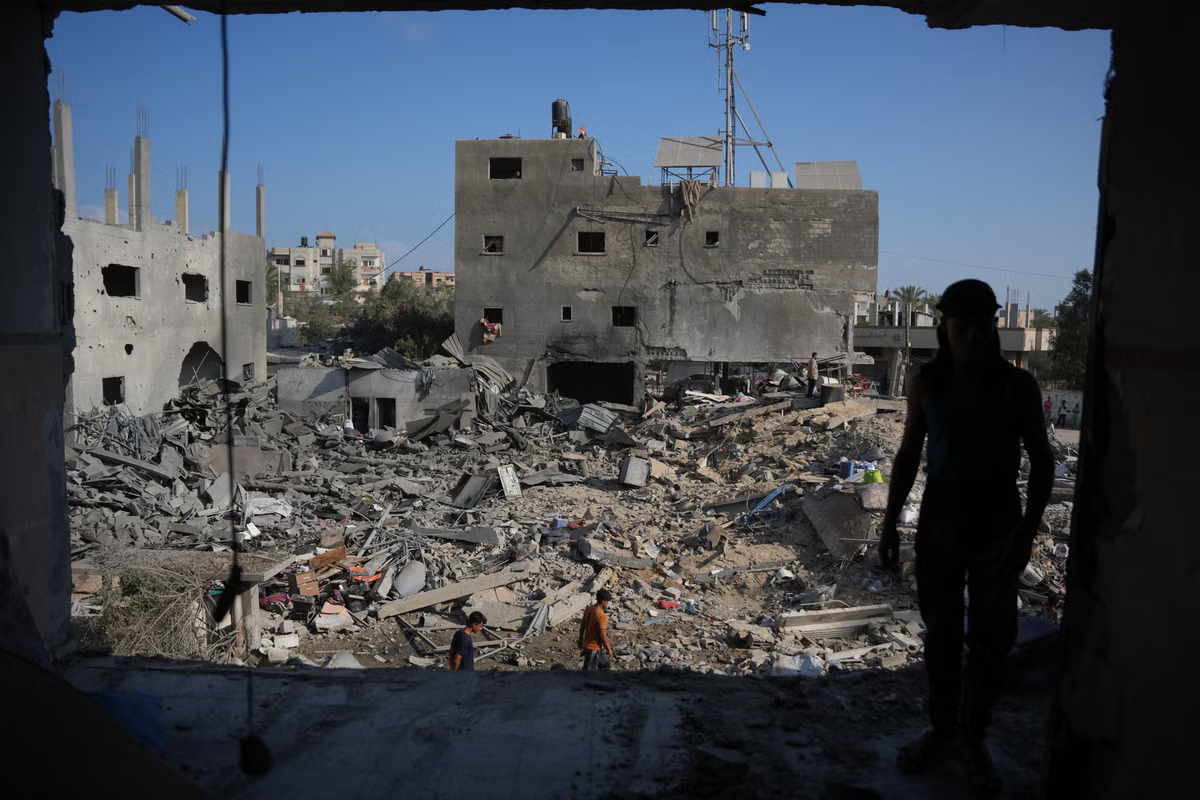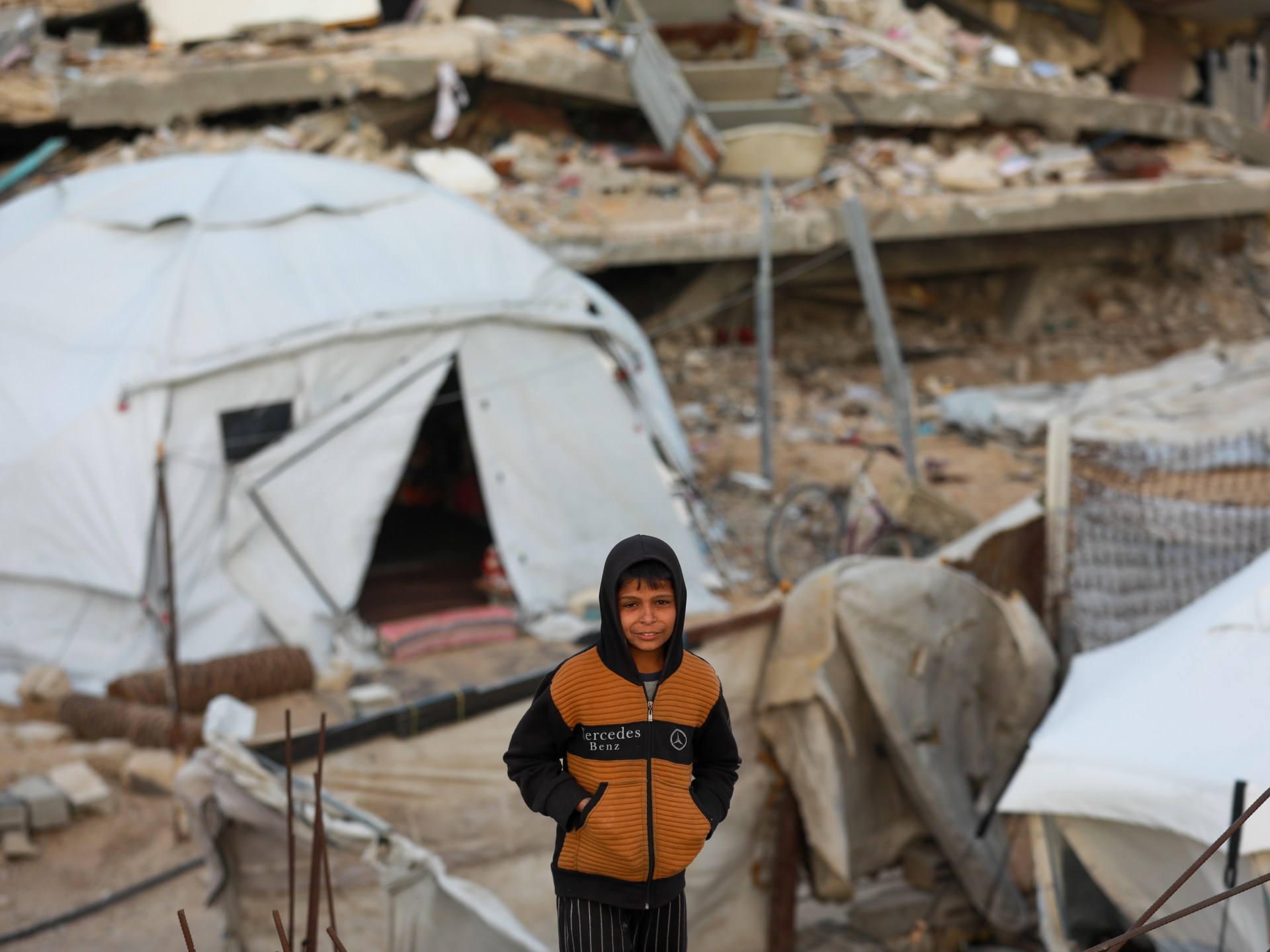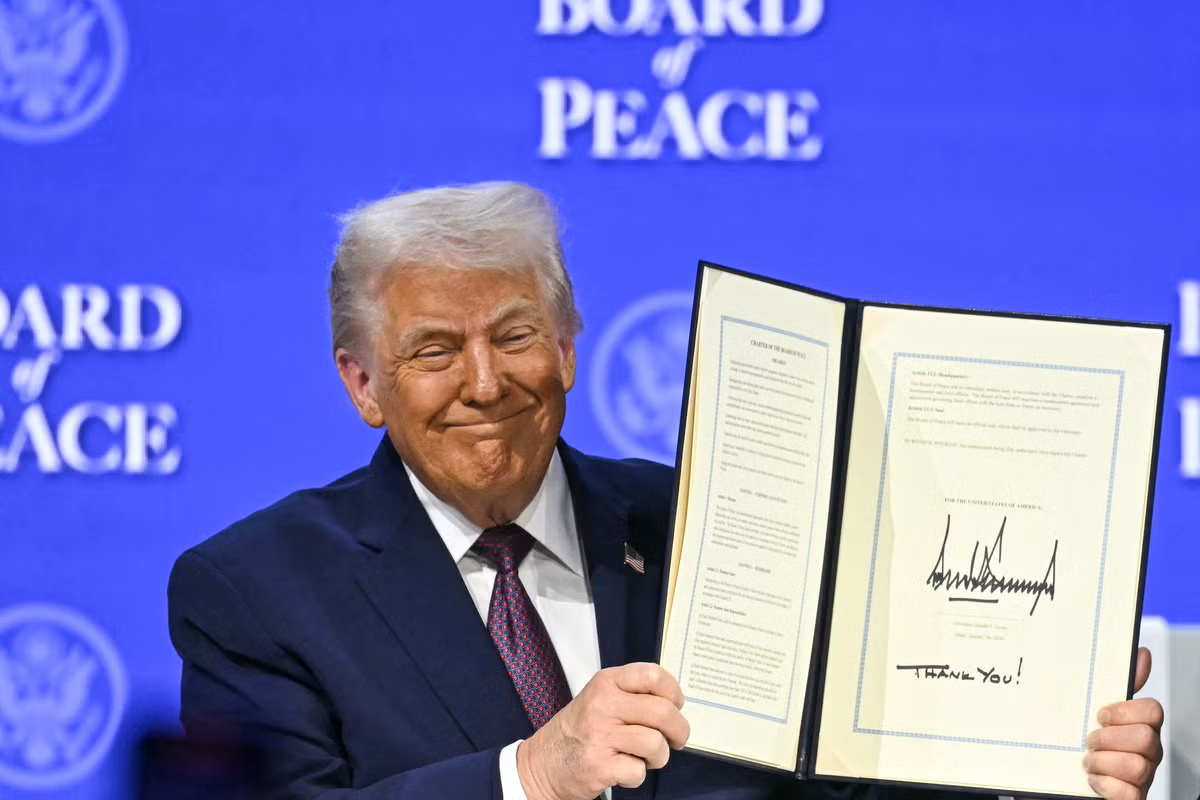
President Donald Trump described the Board of Peace for Gaza as the “Greatest and Most Prestigious Board ever assembled at any time, any place”. It was the centre of his vision for reconstruction in the war-torn enclave and the backbone of his bid for the Nobel Peace Prize. When his son-in-law Jared Kushner unveiled the “Board of Peace master plan” in Davos in January, he presented an elaborate slideshow of a futuristic utopia featuring luxury apartments, over 100,000 housing units, 75 medical facilities, a data centre and “coastal tourism”. He painted a vision of a world where water, sewage, hospitals and bakeries would be restored within 100 days and humanitarian and medical aid would flow freely. Six months later that ambitious dream has been dropped. In its place has emerged a tiny pilot scheme of portable cabins for a small fraction of the Palestinian population in the buffer zone along a ceasefire line near Rafah in the south of Gaza, according to The Guardian. It would be overseen by an international security force and a newly trained group of Palestinian police officers. But even work on that wouldn’t begin till the end of this year. US President Donald Trump holds up a resolution document that he signed during the inaugural meeting of the "Board of Peace" at the US Institute of Peace in Washington, DC, on February 19, 2026 (AFP/Getty)How did it all fall apart?Trump announced a ceasefire between Israel and Hamas in October 2025 hailing it as a “GREAT Day for the Arab and Muslim World, Israel, all surrounding Nations, and the United States of America” and a “historic and unprecedented event”. Part of the 20-point peace plan promised that a Board of Peace that would oversee the reconstruction of Gaza. On 16 January, the US leader announced the Board’s first members, with Kushner delivering his presentation shortly after. Most of Gaza's infrastructure has been destroyed (AFP/Getty)US special envoy Steve Witkoff announced phase two of the plan with a technocratic Palestinian government to be established in the territory, “moving from ceasefire to demilitarisation, technocratic governance, and reconstruction”. However, it also involved Hamas and other groups to disarm but despite dissolving its decades-old government earlier this month, the group have repeatedly refused to do so.Israeli withdrawal: a key sticking pointThe deal also proposed that Israeli troops would eventually withdraw with a limited contingent remaining in the strip. But Israeli violations of a ceasefire have continued with over 1,000 people killed since the agreement was reached and a “yellow line” drawn to demarcate occupation by the Israeli military expanding further and further into the Strip. A first meeting was held in February but progress lagged as the US diverted its focus to its war with Israel against Iran after March. Hoping to restart the momentum, officials met in Cyprus in June when concerns grew that its aims may prove unrealistic. The new plan was reportedly hashed out two weeks ago with advisers from the Tony Blair Institute and members of the National Committee for the Administration of Gaza.US businessman Jared Kushner speaks as a "Gaza Timeline" is displayed on a giant screen at the "Board of Peace" meeting during the World Economic Forum (WEF) annual meeting in Davos on January 22, 2026. (AFP/Getty)Other issues include the restrictions to humanitarian aid through the border with the Trump administration’s lead negotiator Aryeh Livingstone calling for the lifting of some restrictions on “dual-use” items that can include water pipes and solar panels. Israel has not approved such requests.The funding for a pilot scheme has not been confirmed despite $17bn (£12.6bn) originally pledged for the scheme. The European Union’s Palestine Donor Group confirmed on Monday that it had raised €883m (£770m) for Gaza intended for the restoration of basic water and sanitation infrastructure and waste management to supplement the Board’s projects. The plans will now consist of portable cabins near Rafah (Board of Peace)The Board is reportedly negotiating the release of some of the $11bn in Palestinian tax revenue and frozen assets to be channelled into the project. But with at least 73,250 Palestinians dead, nearly 200,000 injured and thousands more waiting for medical assistance, negotiators say that they have no choice but to accept what is offered. “The aim is just to keep something going, keep the ball in play, because if you stop there are others with a more extreme agenda just waiting to jump in and take over, and they are talking about wholesale population transfer and colonisation,” a diplomat told the publication.
How Trump’s promise of peace and prosperity in Gaza fell apart in six months
From luxury apartments and coastal tourism to portable cabins overseen by security forces, the US president pledged grand plans only to lose focus, writes Maira Butt
751 words~3 min read