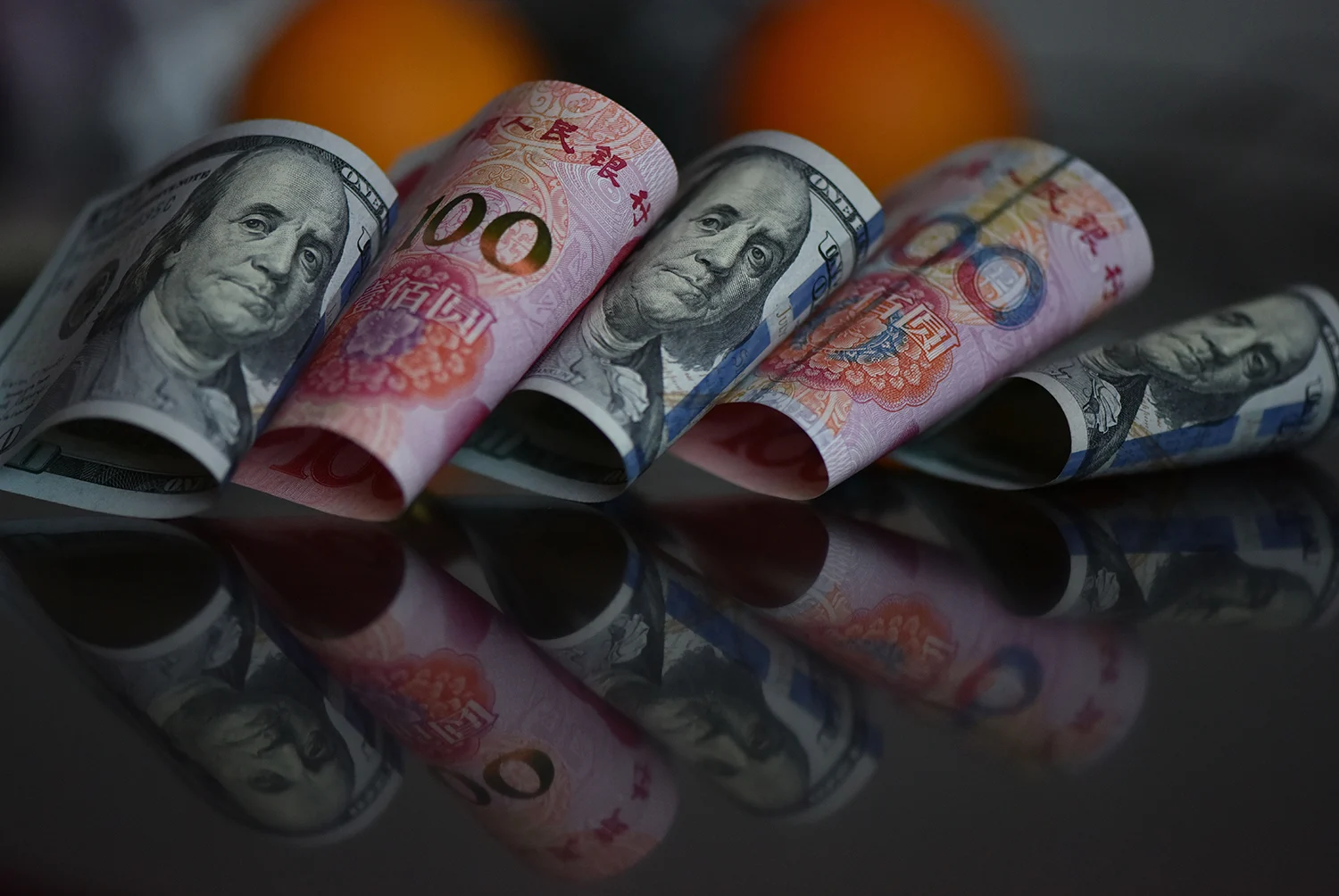
Within a generation, as the contours of the emerging multipolar world take shape, the U.S. dollar’s expansive role as the global trade and reserve currency will morph into a more modest role as the dominant trade and reserve currency within its geostrategic sphere of influence and a secondary currency elsewhere. Likewise, the currencies of the other great powers will be dominant within their respective spheres of influence: the Chinese renminbi, the Russian ruble, the Indian rupee, and perhaps the European Union’s euro. From the perspective of U.S. vital national interests, the overarching American strategic objective is to ensure that the international role of the U.S. dollar safeguards national security in its three inextricably intertwined aspects: military security, political security, and economic security.The economic foundation of the emerging multipolar world order is Mercantilism 2.0, a new framework for international trade which seeks to: (1) promote cross-border trade among countries within the same sphere of influence; (2) support trade with other countries outside the sphere of influence that have (a) shared converging vital national interests or (b) no conflicting vital national interests; and (3) explicitly limit and carefully circumscribe trade with countries that have conflicting vital national interests.
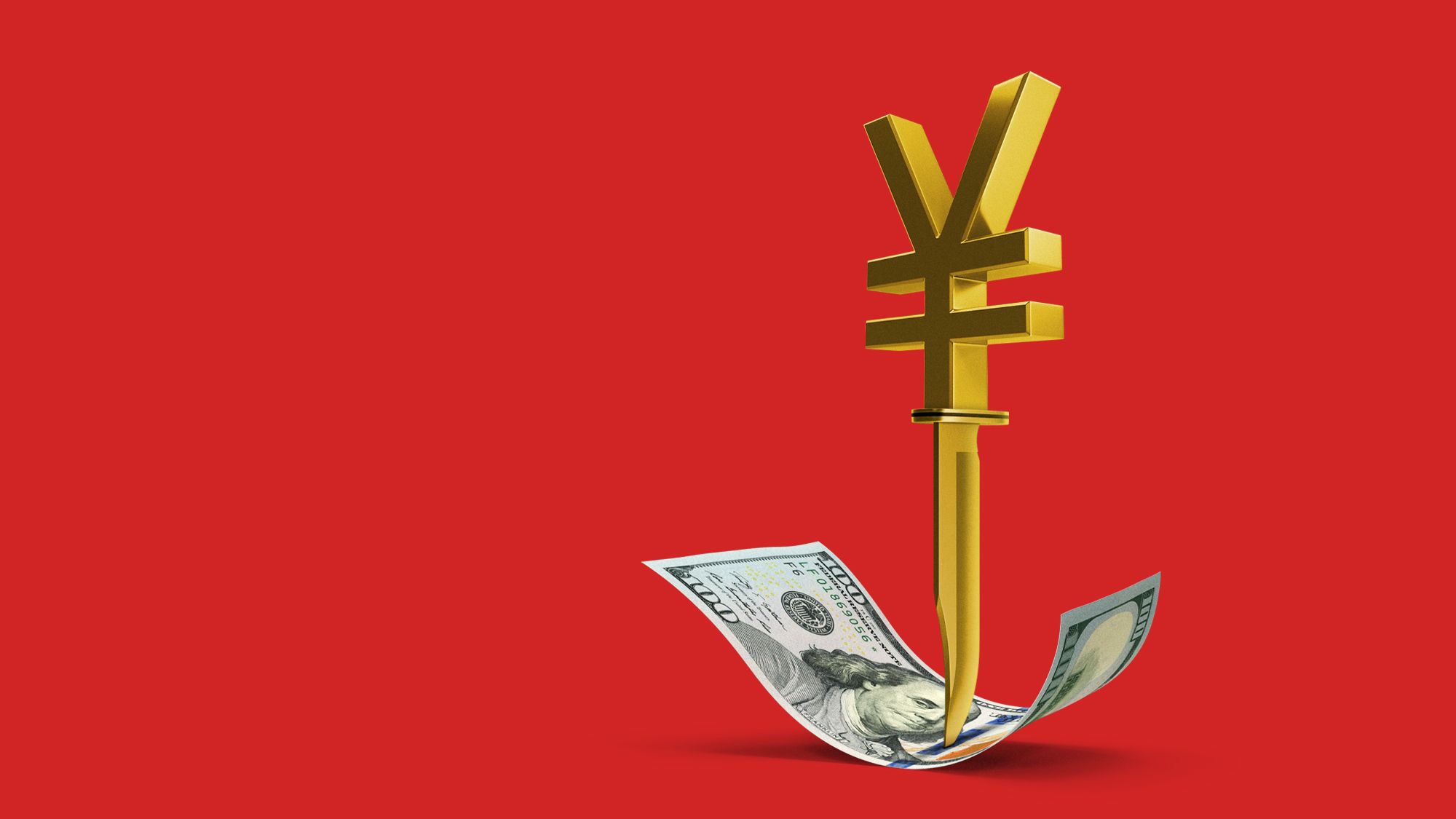
The looming shift away from the US dollar
By 2049, the centenary of the People's Republic of China, the role of the U.S. dollar will be de minimis within China’s sphere of influence.
806 words~4 min read