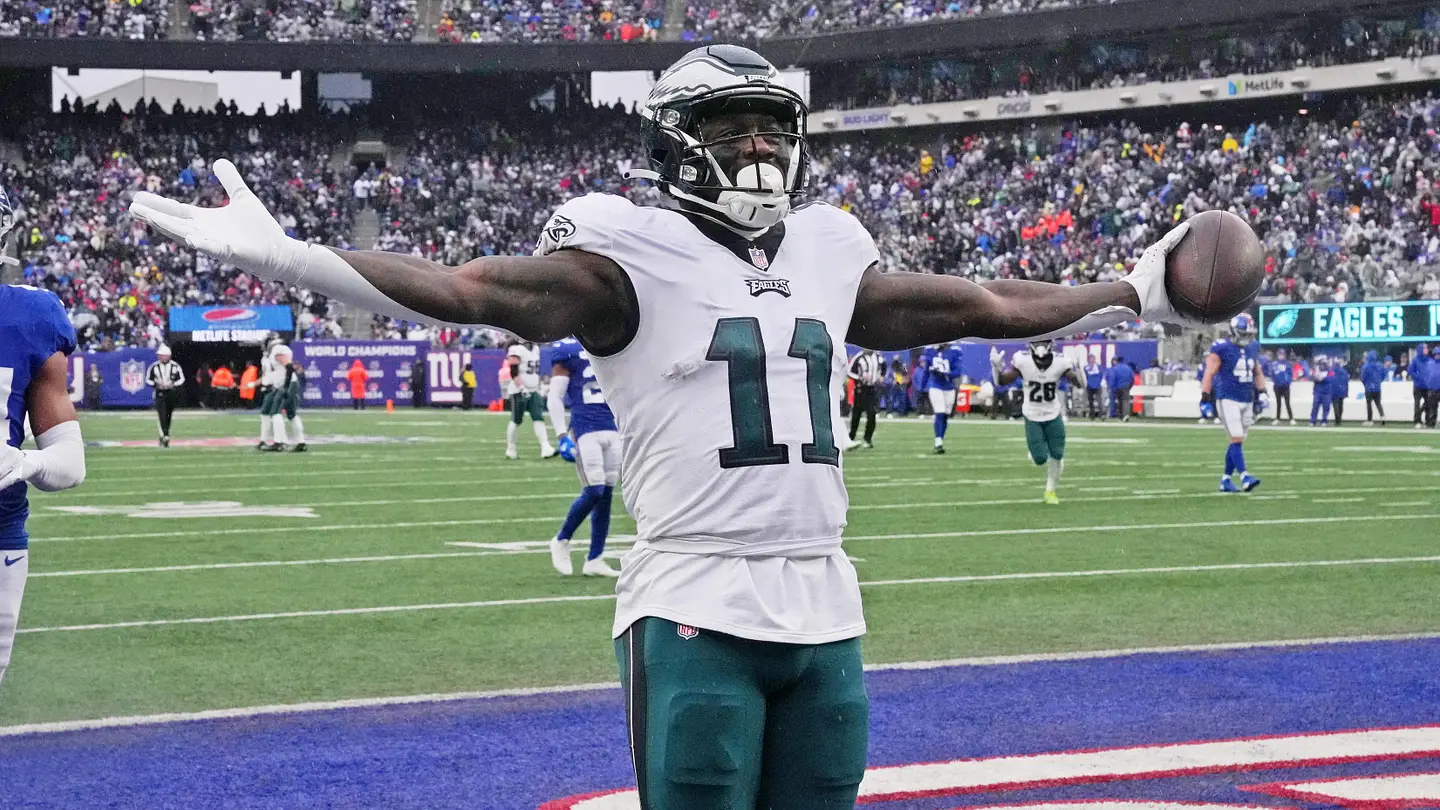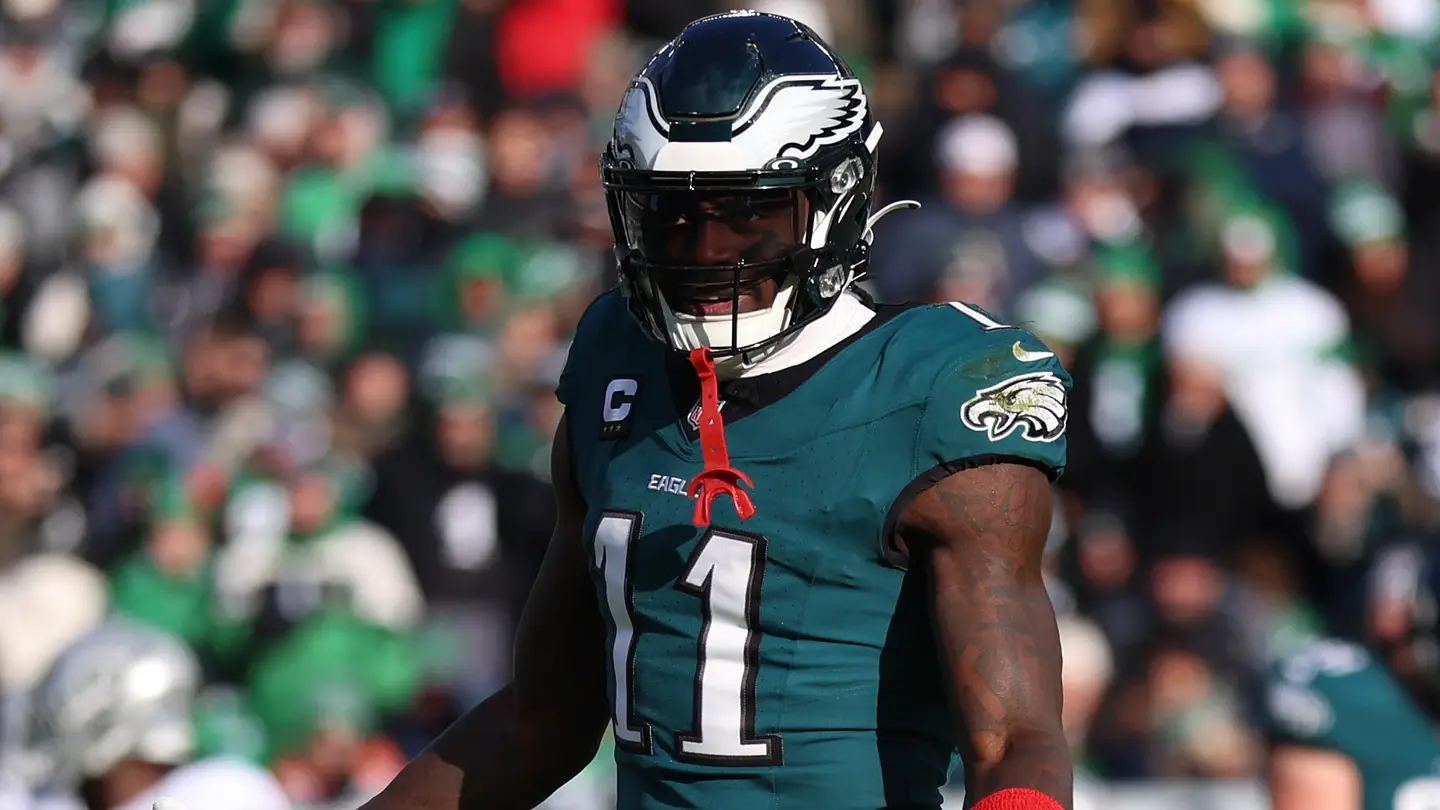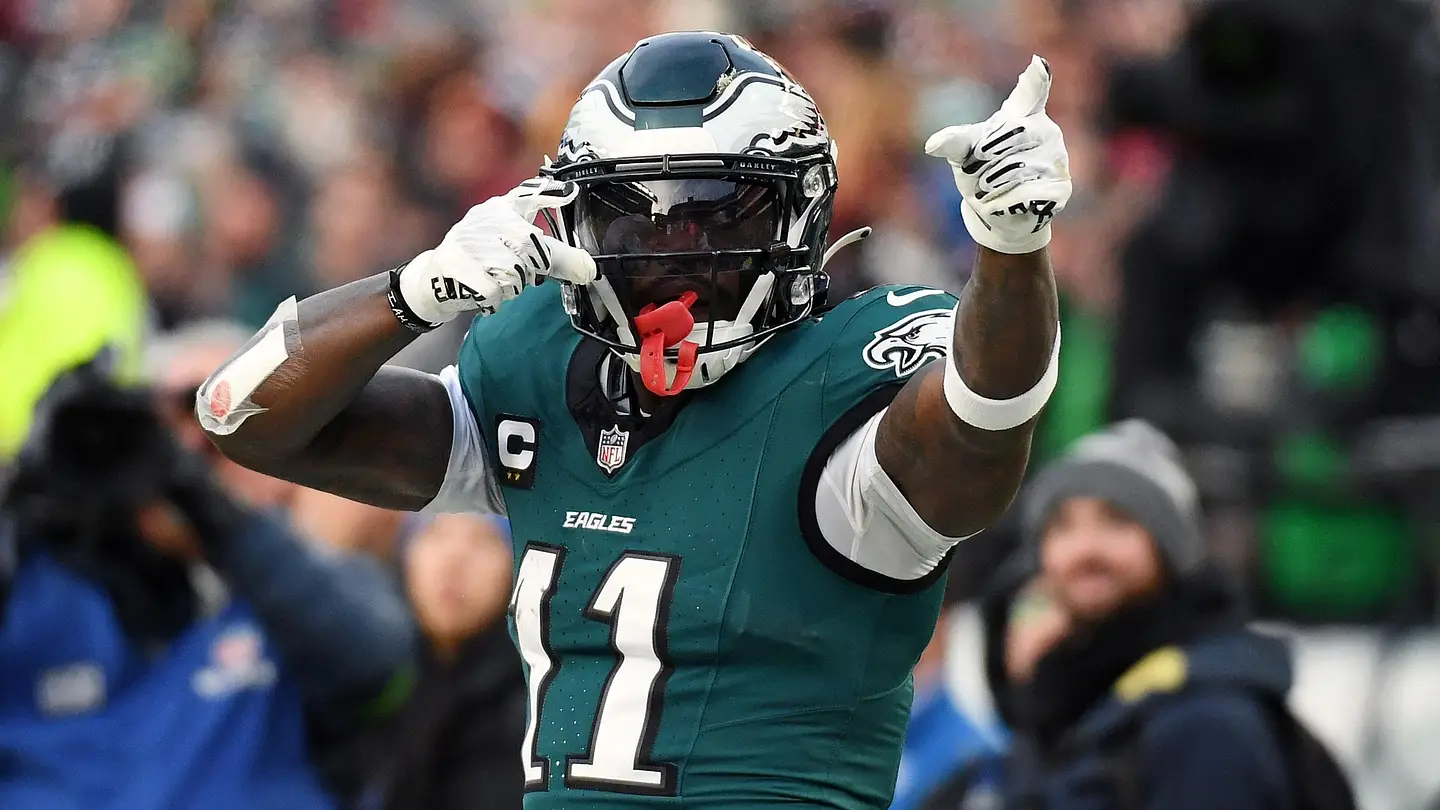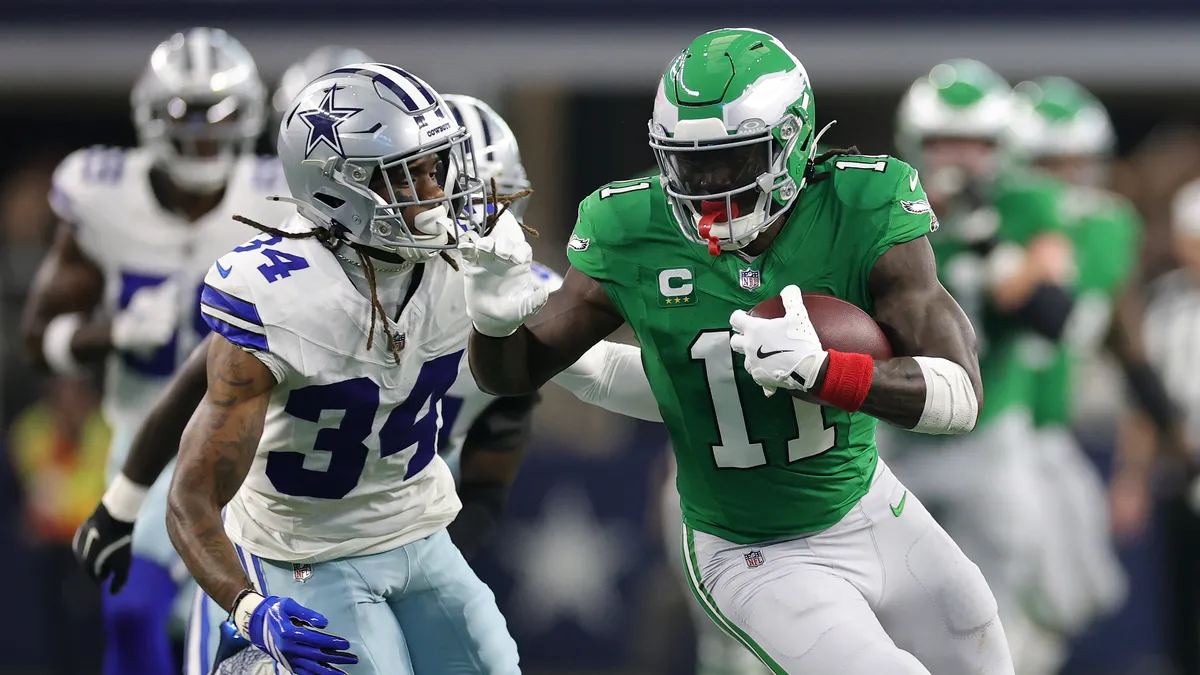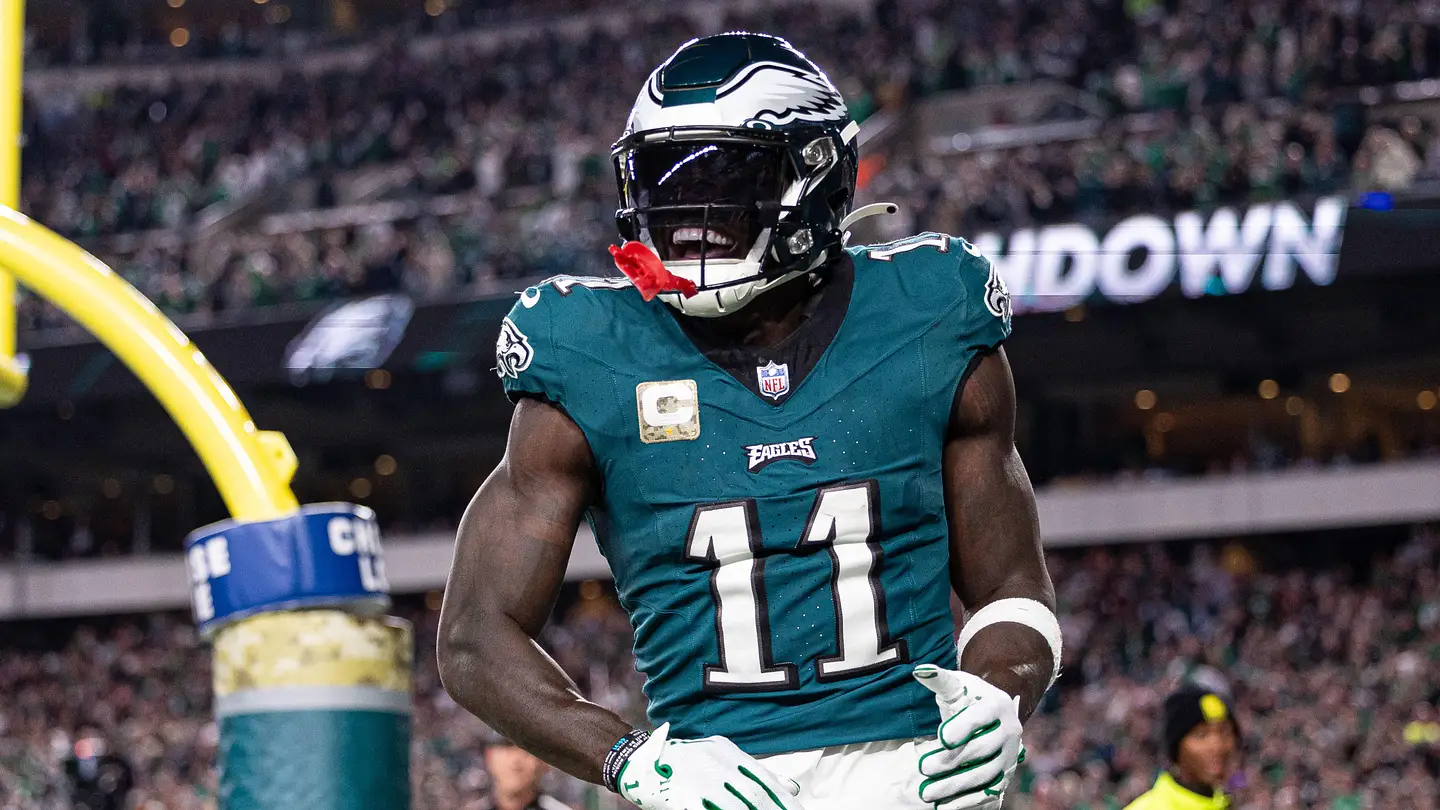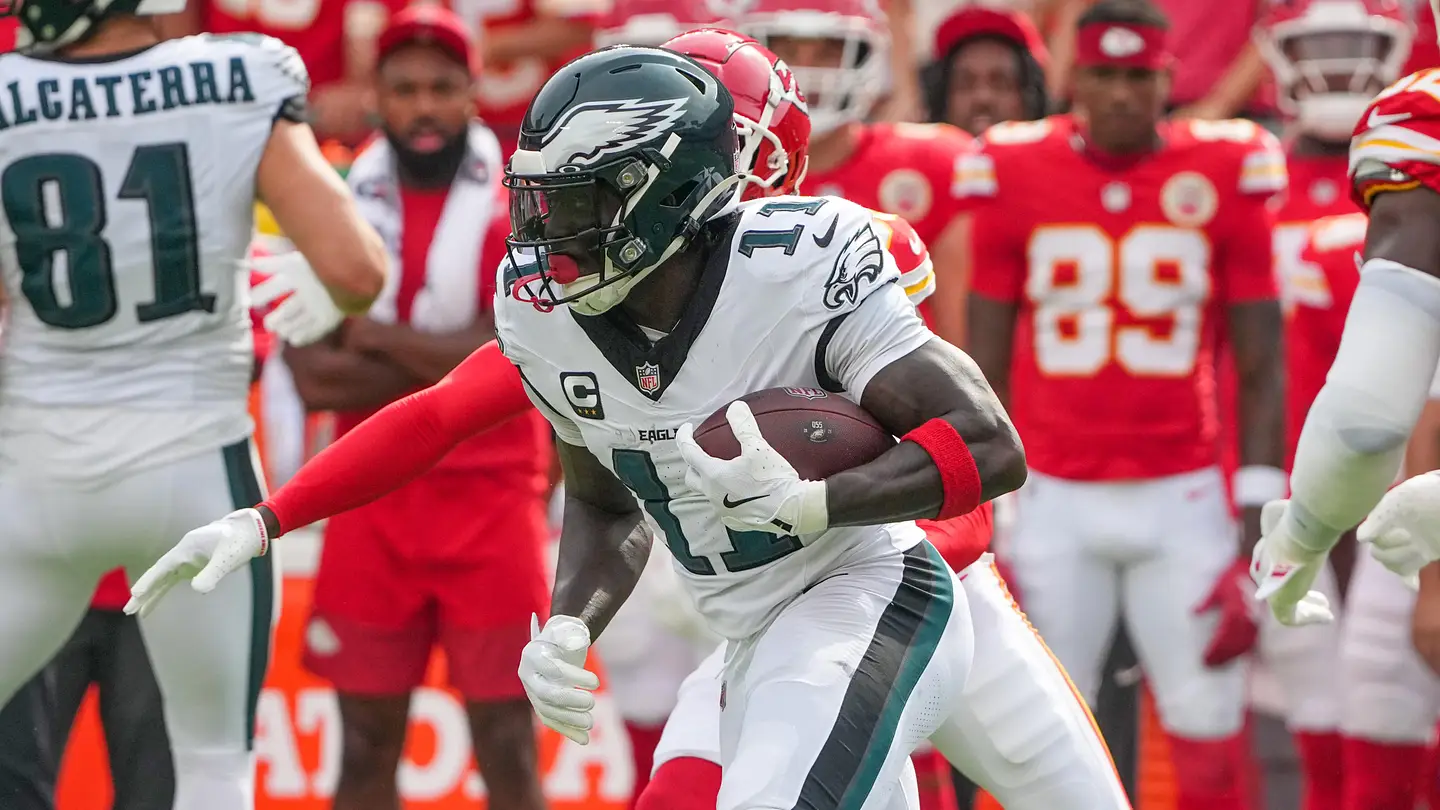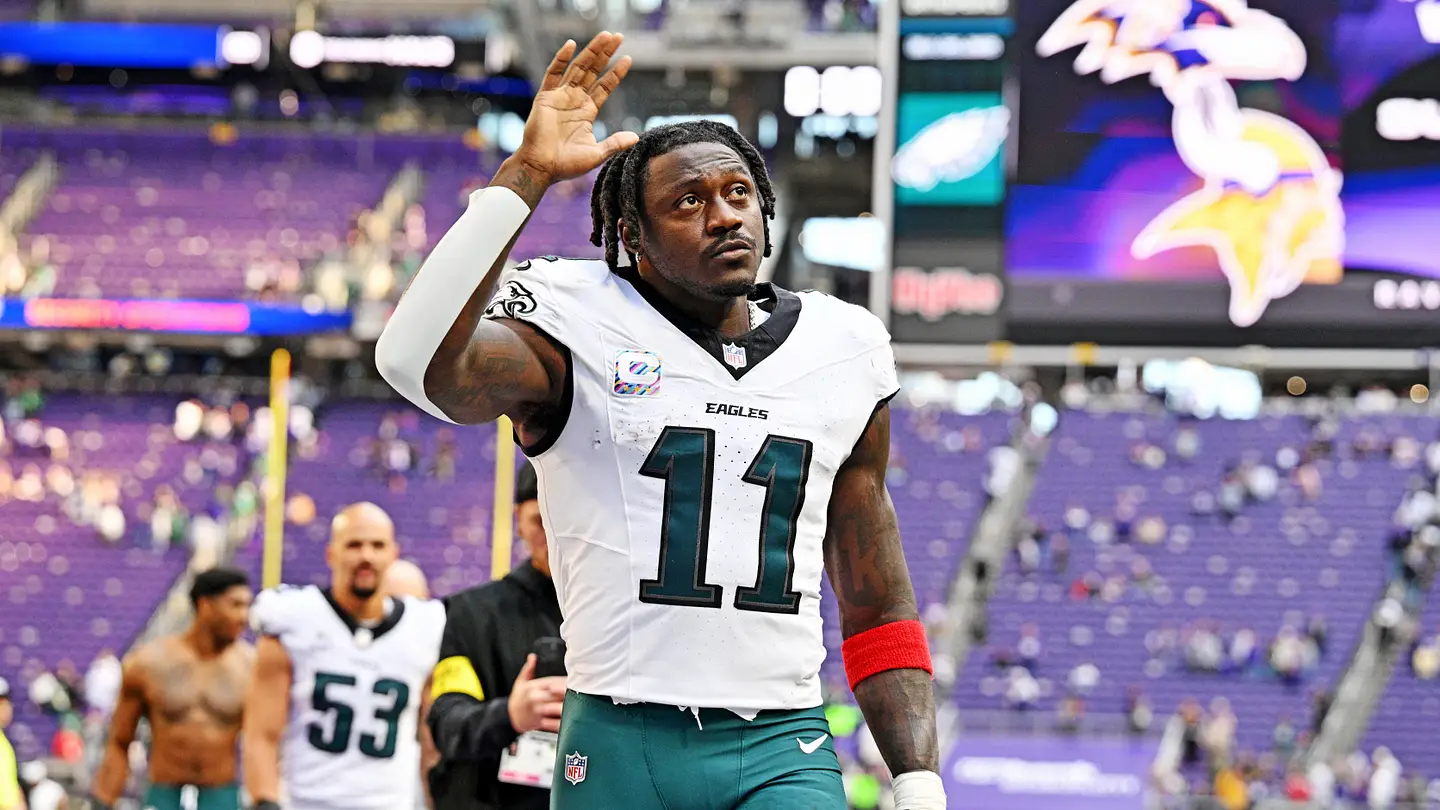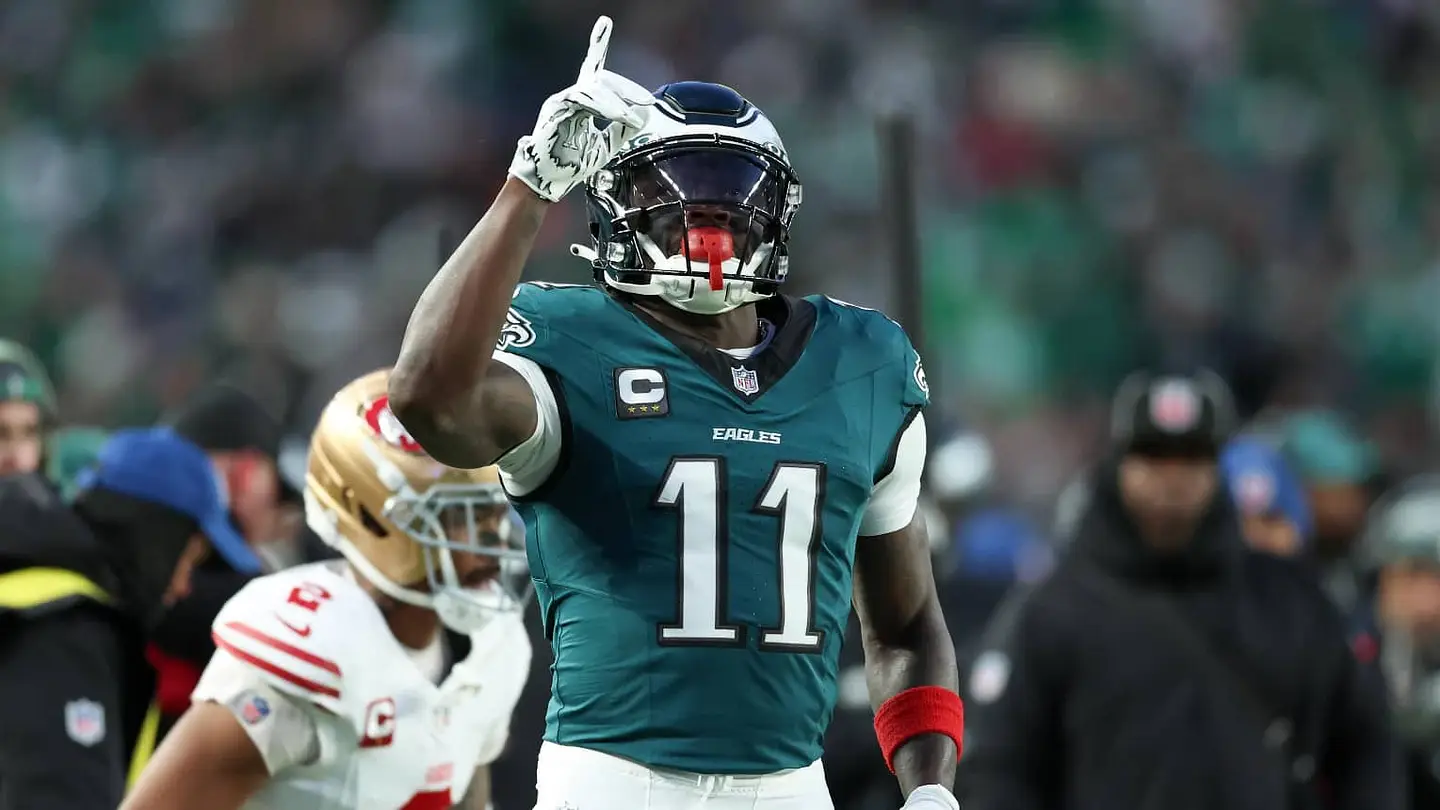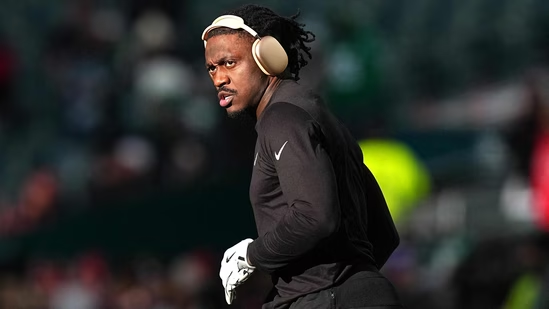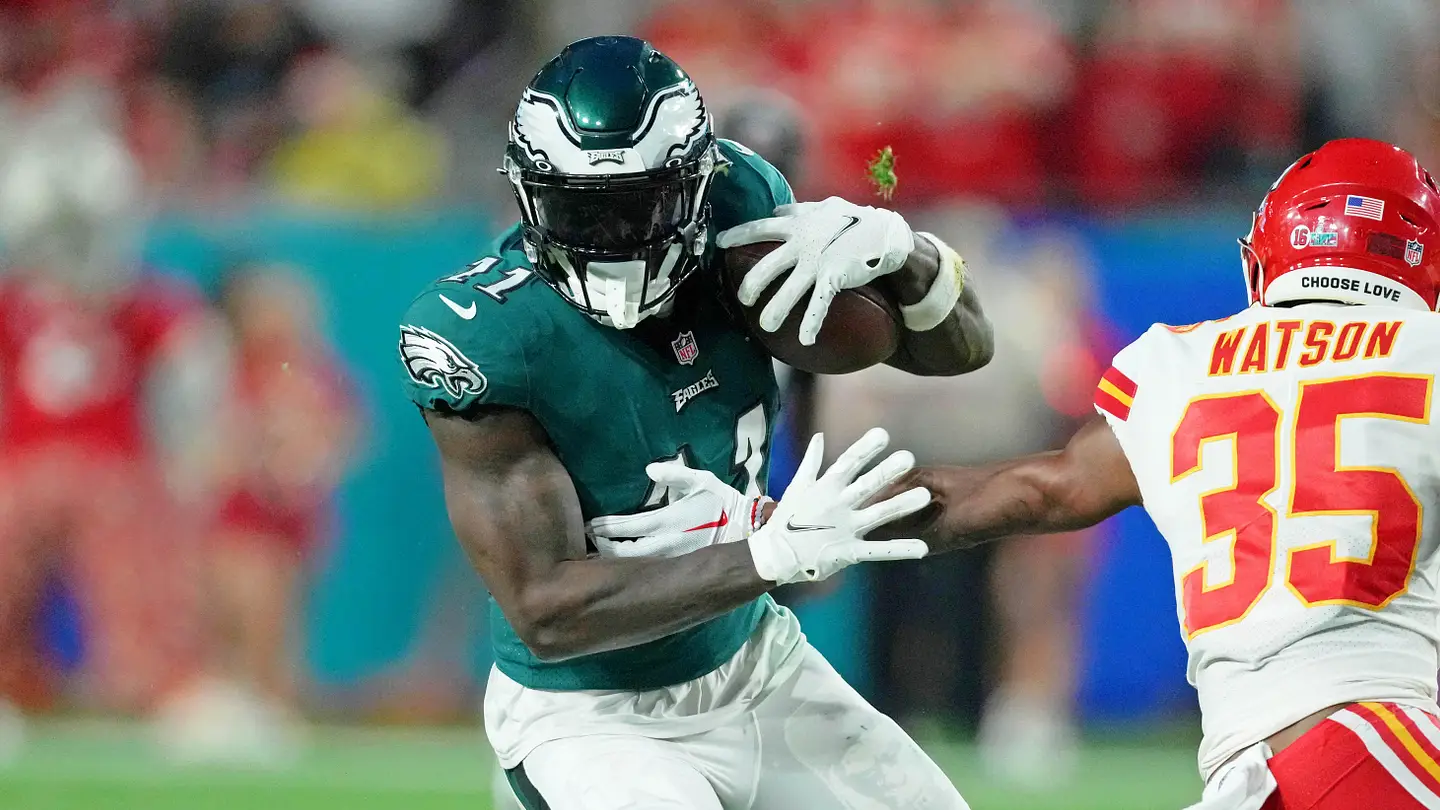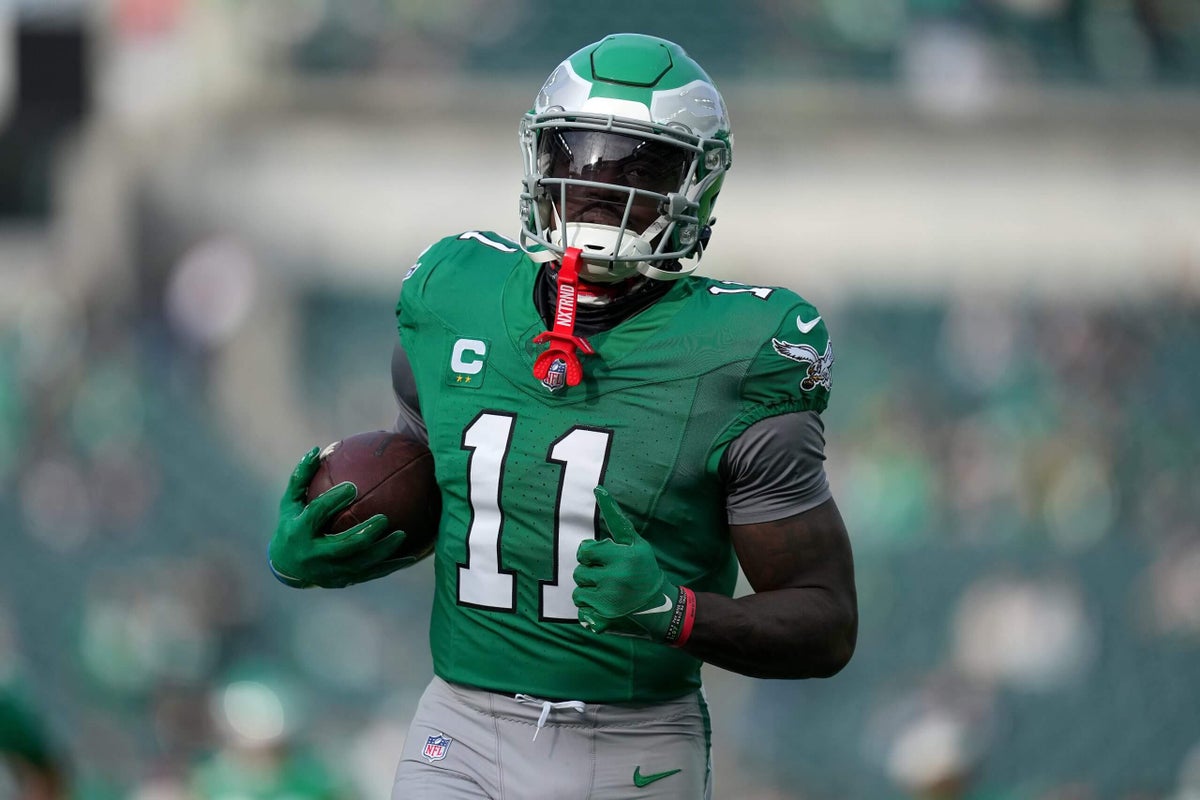
For much of the New England Patriots’ offseason, there has been a caveat added to any big-picture examination of what they’ve done to the roster. For months, the general sentiment has essentially been this:Just wait until June.At that point — Monday is June 1 — the Philadelphia Eagles would face far fewer salary-cap penalties for trading star receiver A.J. Brown, which sets up the Patriots to pull off a long-rumored blockbuster in acquiring the soon-to-be 29-year-old.Around the league, it’s viewed as almost a foregone conclusion. So as June 1 nears, let’s reset and look at how we’ve gotten to this point, how likely a deal is and what a trade could look like.Why are we so confident it’ll happen?Trade discussions around Brown picked up a few days before free agency in mid-March. The Patriots were one of several teams that expressed interest, and as talks accelerated, two finalists emerged: the Patriots and the Los Angeles Rams.The Rams eventually backed out, which left just the Patriots as a team seemingly willing to meet the Eagles’ ask.But a deal has yet to be officially struck. The belief around the league is that the Eagles are waiting until June 1 to make a deal to take advantage of cap incentives. Our Daniel Popper explains the financial intricacies. Essentially, NFL executives believe the two teams are simply waiting until June to consummate the deal.Everything that has occurred since those talks in mid-March has only underscored the idea that a deal will happen. The Eagles traded up in the first round of the draft to land wide receiver Makai Lemon, thereby helping to replace Brown. Meanwhile, the Patriots didn’t use any of their nine picks on a wide receiver. All signs continue to point to a trade that will reunite Brown with Mike Vrabel, who coached Brown with the Tennessee Titans from 2019 to 2021.At this point, the biggest unknown is the price the Patriots will pay.What will the compensation be?The Patriots will likely have to part with a future first-round pick as the centerpiece of their deal for Brown. Still, it remains unclear whether that pick will have conditions and which year it will be from.A 2027 first-round pick would be a steep price for the Patriots and the kind of return that would probably be viewed publicly as a win for the Eagles. The draft class next year is expected to be loaded, and the Patriots could use their first-round pick next year as one of the final pieces in this sped-up rebuild under Vrabel.A 2028 first-round pick seems like a better compromise. That way, the Eagles would still get the pick they covet, and the Pats could kick the compensation down the road, buying more time to go all in during Drake Maye’s cost-controlled rookie contract.The best-case scenario for the Patriots would likely be some sort of conditional draft pick headed to the Eagles. That scenario could see something like a second-round pick headed to Philadelphia that turns into a first-round pick if Brown reaches, say, 800 receiving yards. That would give the Pats protection in case of an injury to Brown.Who on the roster is impacted?Two Patriots players are likely to be impacted more than the others.The first is Kayshon Boutte. If the Patriots trade for Brown, Boutte’s playing time is likely to dip even further after he was on the field for just 55 percent of the offensive snaps a year ago. Boutte has played for three different head coaches in three years, done what has been asked of him and improved each season. In 2025, he was the Patriots’ best deep-threat receiver, catching 33 passes for 551 yards and a career-high six touchdowns. He’s headed into the most important season of his career, the final year of his rookie contract. And now his playing time could be slashed.Boutte, 24, has skipped the Patriots’ voluntary workouts so far this spring, including Wednesday’s practice. At this point, it wouldn’t be a shock if Boutte is traded before training camp, perhaps even to Philadelphia in the trade for Brown.The other player this move impacts is Mack Hollins. The 32-year-old played more last season than any other Patriots wide receiver, in part because coaches liked having a dependable big-bodied target on the field who is also a good run blocker. But Brown also checks those boxes and could send Hollins to the bench.Brown and Romeo Doubs, a free-agent signing, would be the team’s top two wide receivers. But given their skill sets, it wouldn’t be a surprise if speedy Kyle Williams or shifty DeMario Douglas got more usage than Hollins in 11 personnel.Should the Patriots do it?Lost amid the assumption that this trade will happen is whether it would even make sense for the Patriots. There are two main reasons why New England remains interested.One year after reaching the Super Bowl with a quarterback who shreds man-to-man defenses, the Patriots still don’t have a wide receiver who can reliably beat man coverage. Doubs is their best option, and he ranked 25th in receiving yards per route run against man coverage last season (among receivers with at least 15 targets).Brown has consistently been one of the NFL’s best receivers against that coverage. So this move would give Maye an elite weapon in attacking the kind of defense he thrives against.The other reason why this move makes sense for the Patriots is that they, for whatever reason, have struggled to draft wide receivers. Two years ago, they took Ja’Lynn Polk in the second round. He had 12 receptions since then and is no longer with the team. Last year, in the third round, they took Williams, who managed just 10 catches as a rookie and has struggled with his route running. Other recent receiver draft picks who have struggled in New England include Javon Baker (fourth round, 2024), Tyquan Thornton (second round, 2022) and N’Keal Harry (first round, 2019).Maybe it’s a silly thing or a small sample size, but it’s hard to argue with the recent results. A move like this ensures the Patriots land one of the game’s top wide receivers without having to take a chance on drafting one.
A.J. Brown’s expected trade to the Patriots: What we know and when it might happen
The latest on the widely expected trade of Brown from the Eagles to the Patriots, and why it won't happen until at least June 1.
1,026 words~5 min read