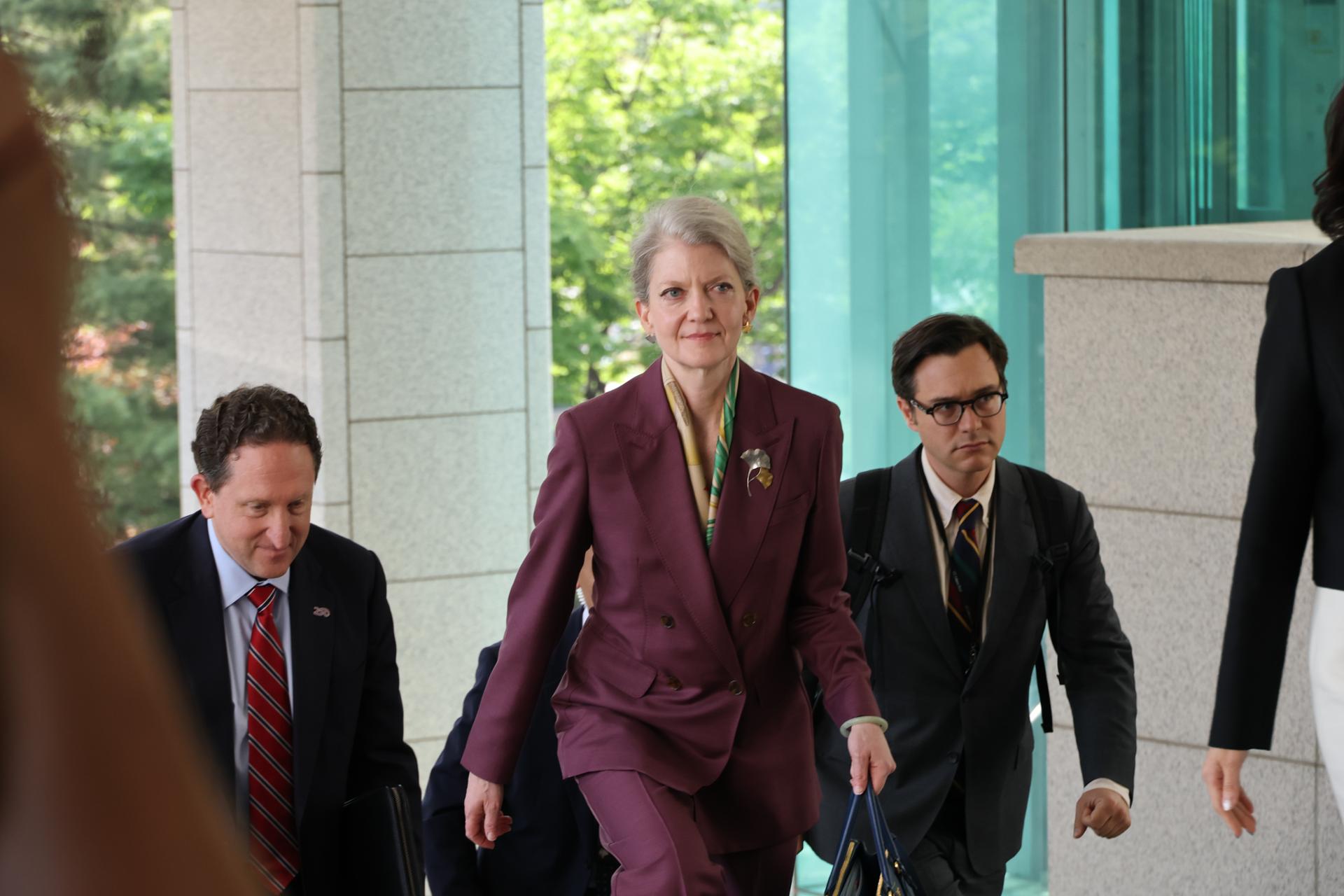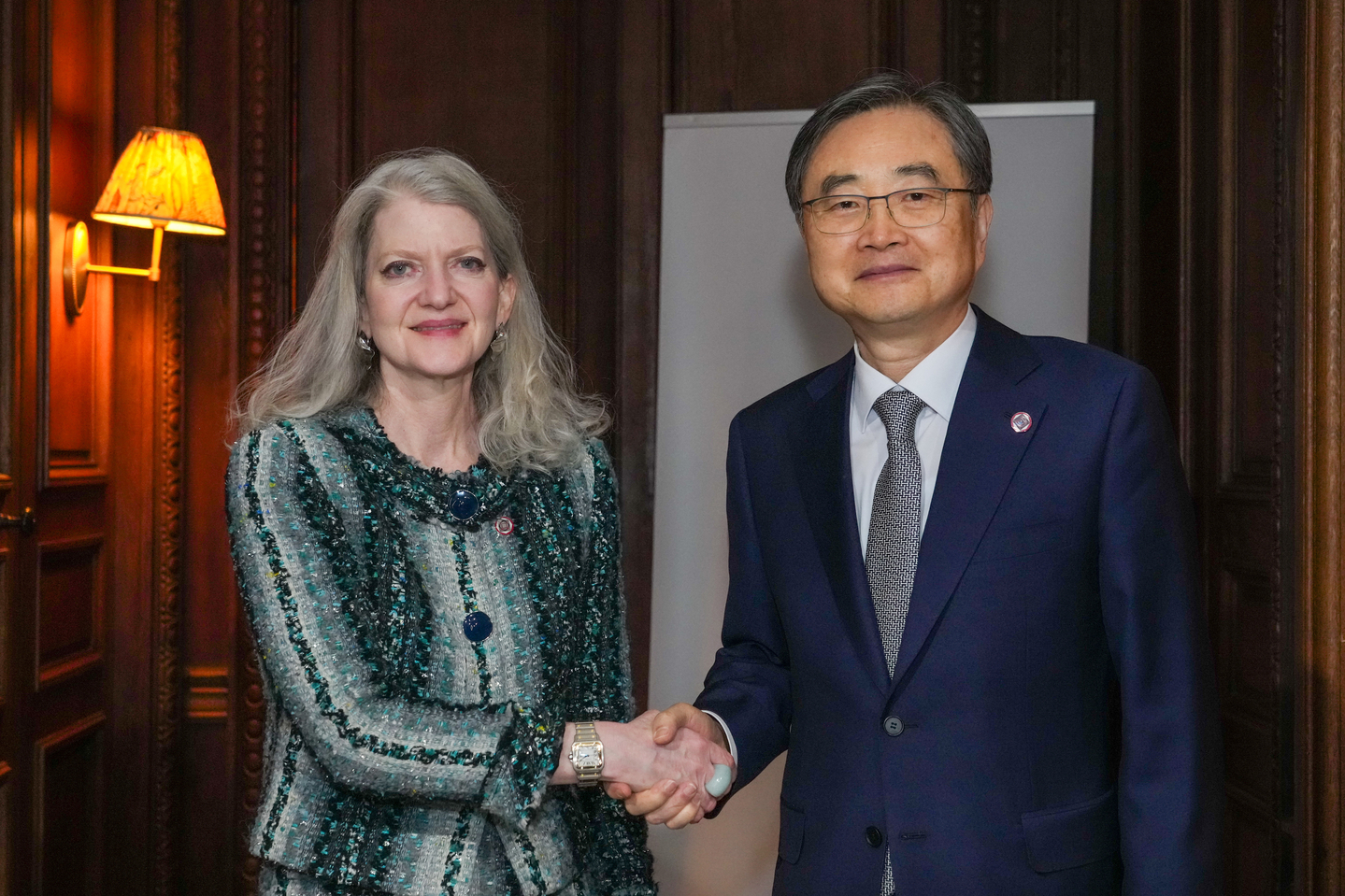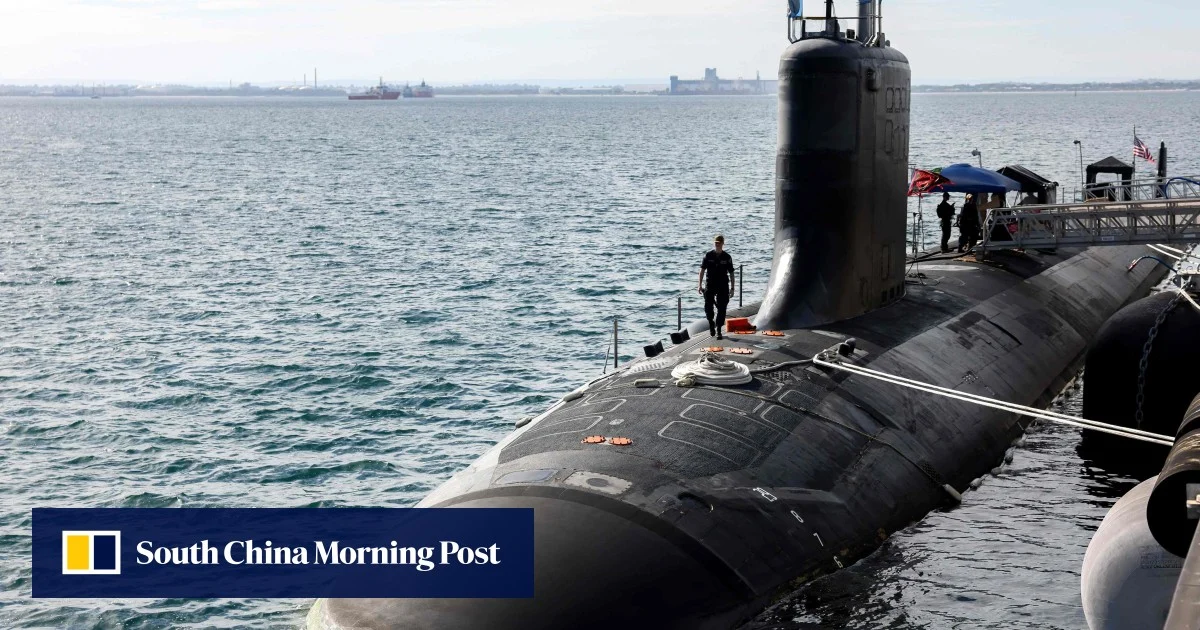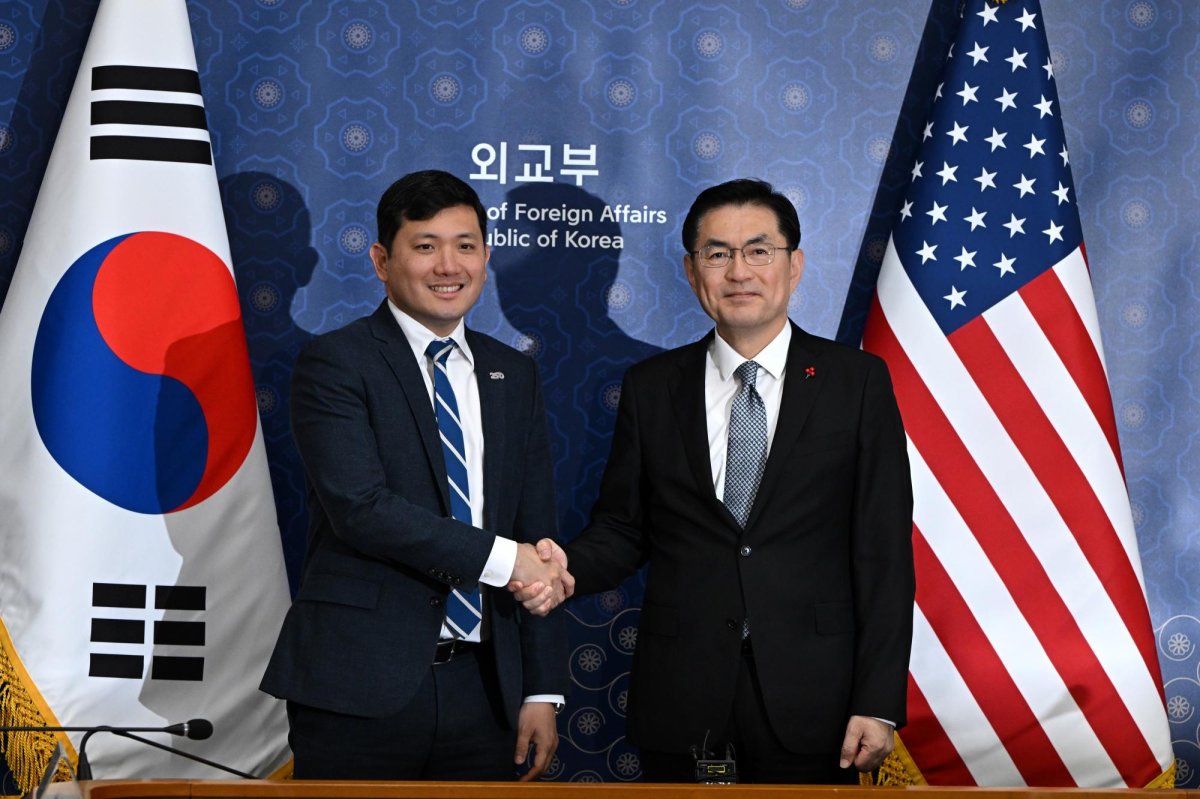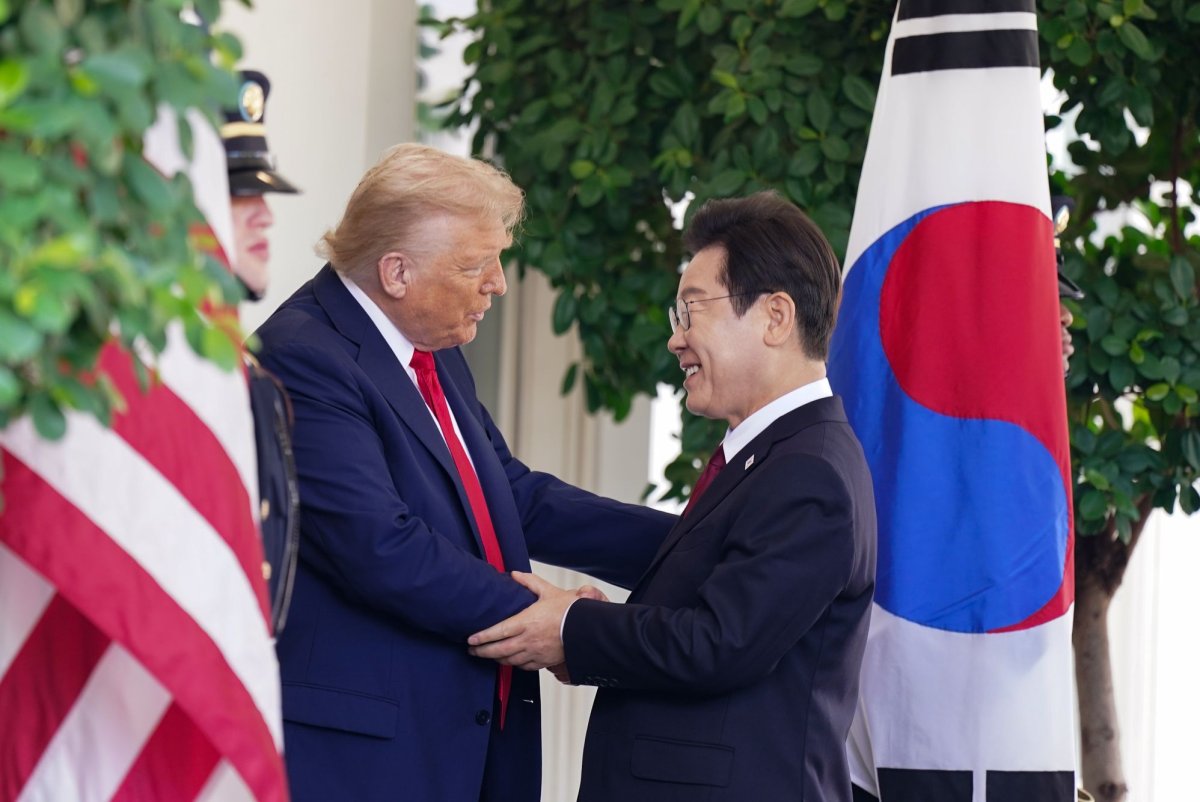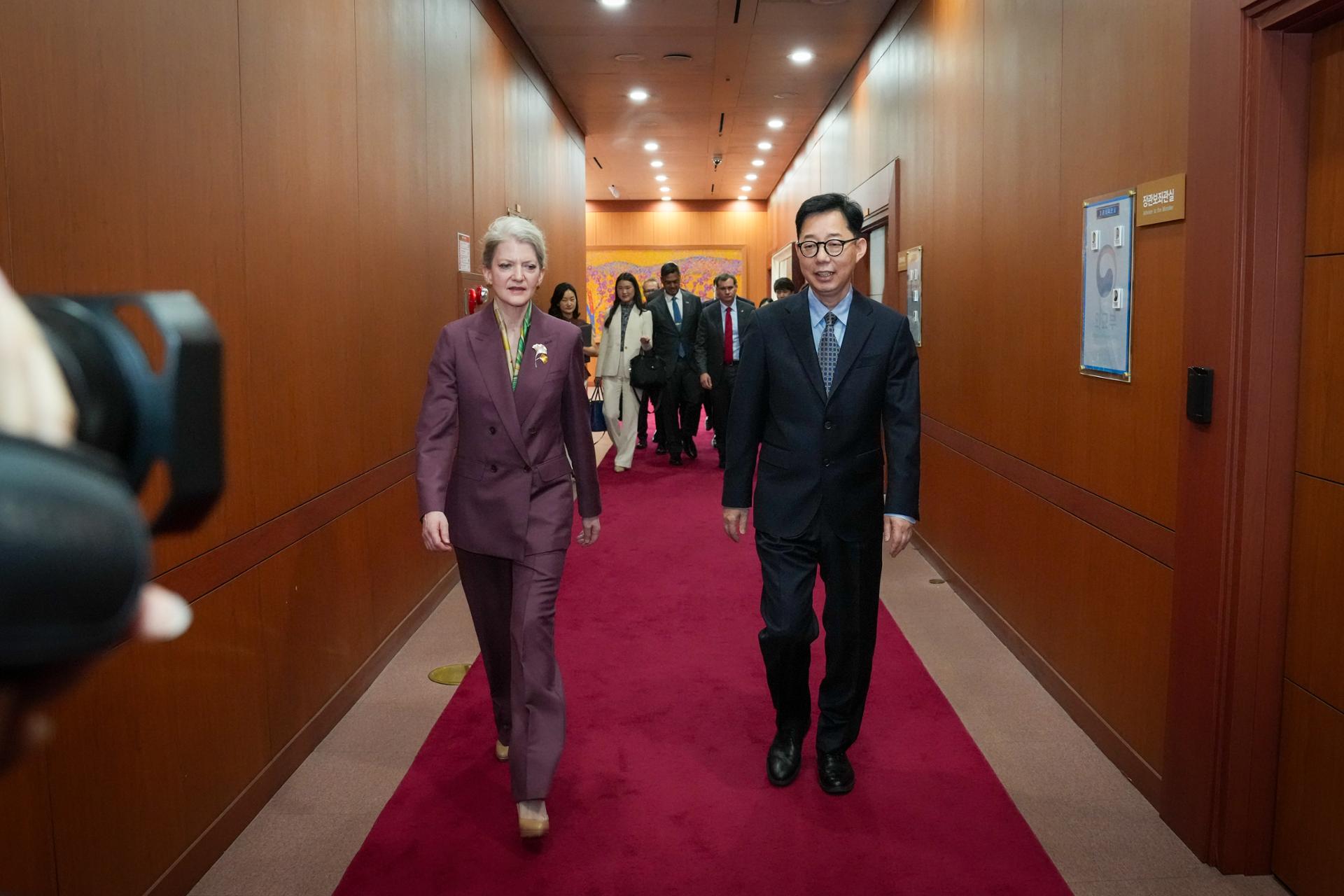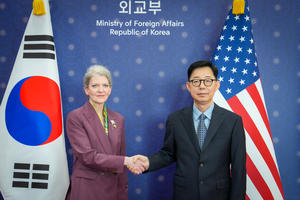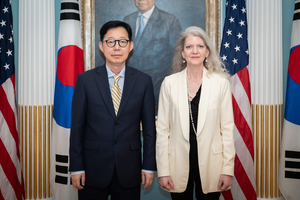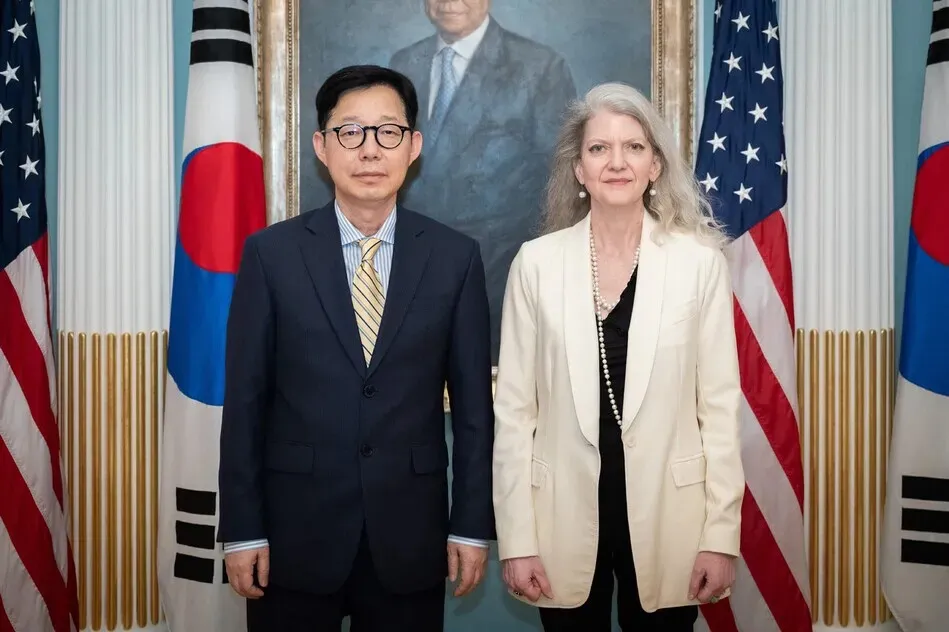
South Korea and the US have agreed to form working groups on the implementation of the joint fact sheet that was adopted by the two countries in October of last year. The establishment of such channels to resolve bilateral issues is certainly significant at a time when some corners in Korea are raising the alarm about a supposed growing rift in our relationship with the US.Since taking office, the Lee Jae Myung administration has pursued a strategy of framing the US as the “peacemaker” on North Korea issues while pledging Seoul’s service as a “pacemaker,” aiming to improve US-North Korea relations to break the deadlock in inter-Korean relations. As new challenges make a sudden breakthrough unlikely, it is all the more important that South Korea do everything it can to implement agreements laid out in its joint fact sheet with the US. Last week, South Korea’s first vice minister of foreign affairs, Park Yoon-joo, met with his US counterpart, Allison Hooker, the undersecretary of state for political affairs. According to South Korea’s Ministry of Foreign Affairs, the two exchanged views on South Korea-US relations as a whole, including the “implementation of the pledges made in the joint fact sheet on the South Korea-US summit.” The two were also said to have discussed a visit to South Korea in the coming weeks by a US delegation led by Hooker. The US State Department issued a separate statement announcing the launch of “bilateral working groups.” However, the department emphasized the “need to ensure fair treatment of US companies and the prompt resolution of market access barriers,” implying that this would also be a topic addressed by the groups. Immediately taking office in June 2025, the Lee administration engaged in grueling negotiations with the US, ultimately reaching an agreement on the joint fact sheet on Oct. 29, 2025. The agreement stipulates that in exchange for South Korea’s investment of US$350 billion in the US, which will be carried out over the next 10 years, the US would lower its tariffs on Korean goods and support Korea on sensitive issues related to nuclear power — namely, uranium enrichment and the building of nuclear-powered attack submarines. However, a series of setbacks — the dispute over the details of a US Forces Korea drill conducted in the West Sea and the USFK’s subsequent denial that its commander apologized to Seoul for that incident, disagreements over the timing of the transfer of wartime operational control, and Unification Minister Chung Dong-young’s comments on nuclear facilities in North Korea’s Kusong region — brought almost every working-level discussion on the implementation of those agreements to a halt. To make matters worse, South Korea-US relations soured even further following the South Korean government’s response to a massive personal data breach at e-commerce site Coupang, as the US interpreted its response as an attack on US-based companies. The turning point that eased tensions between the two countries appears to have been the phone call made on May 17 between Lee and Trump, the first in seven months. The South Korean government poured all its efforts into improving inter-Korean relations, believing that a North Korea-US summit could take place following Trump’s visit to China in May. Since this plan seems unlikely to bear fruit, we need to change our trajectory. By strengthening communication with the US, we need to achieve concrete results regarding our long-cherished dreams of regaining OPCON and nuclear enrichment.
[Editorial] Working groups on Korea-US fact sheet must yield tangible results
It’s more important than ever that South Korea and the US make progress on the agreements reached last fall
569 words~3 min read