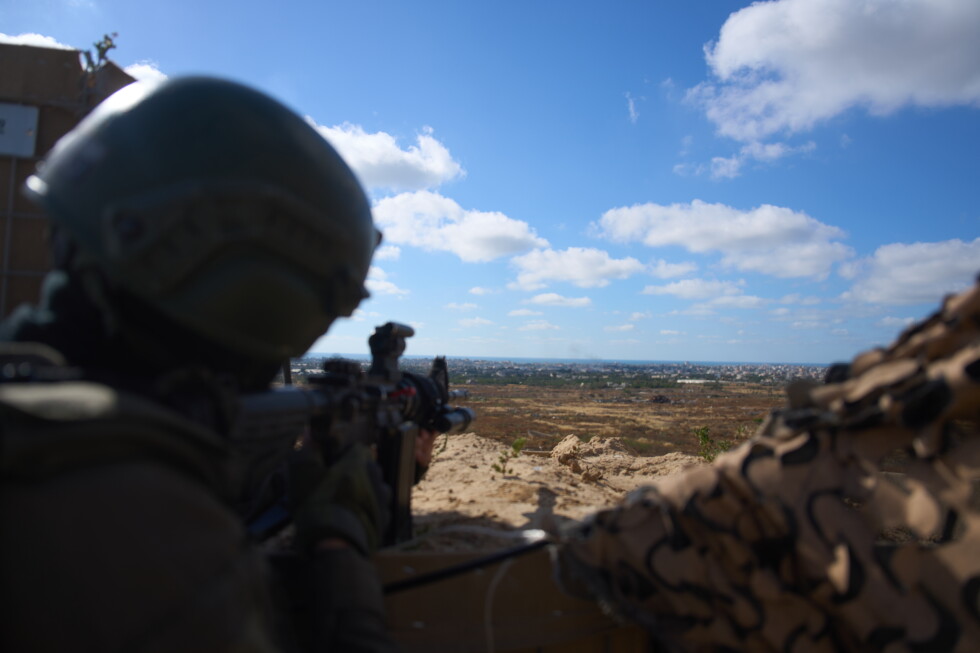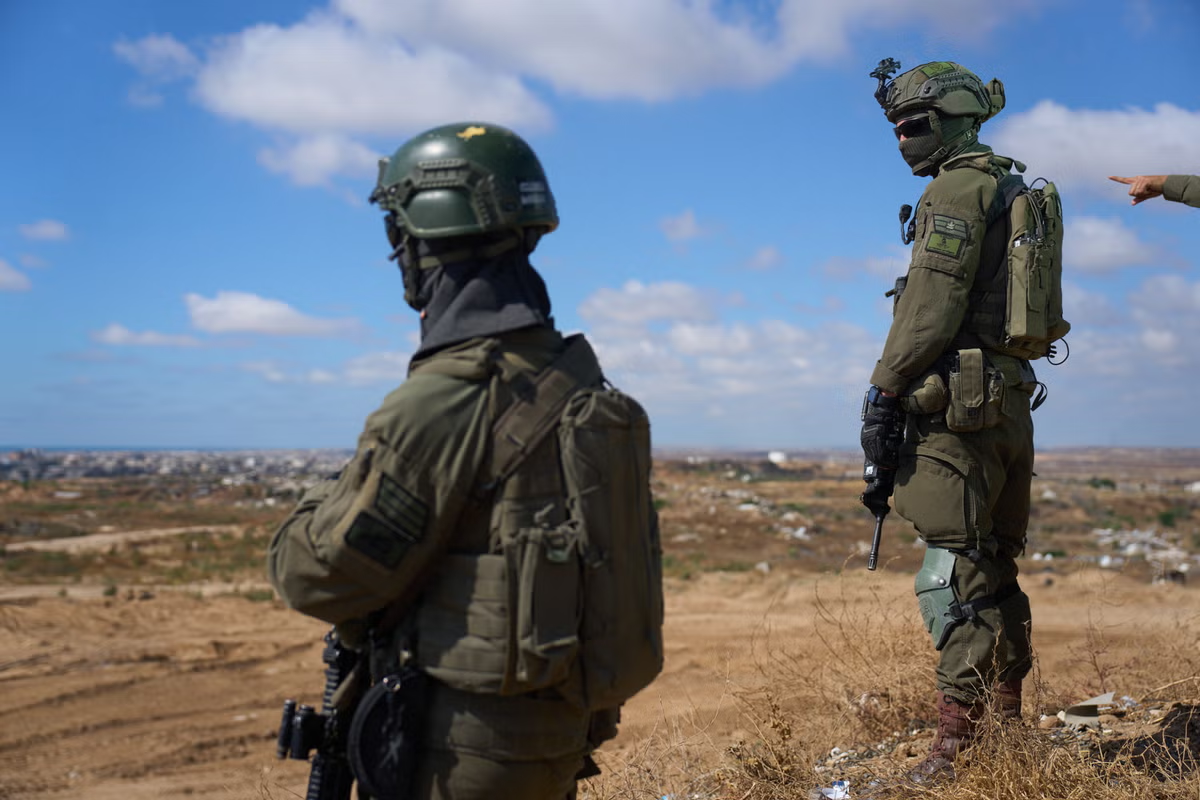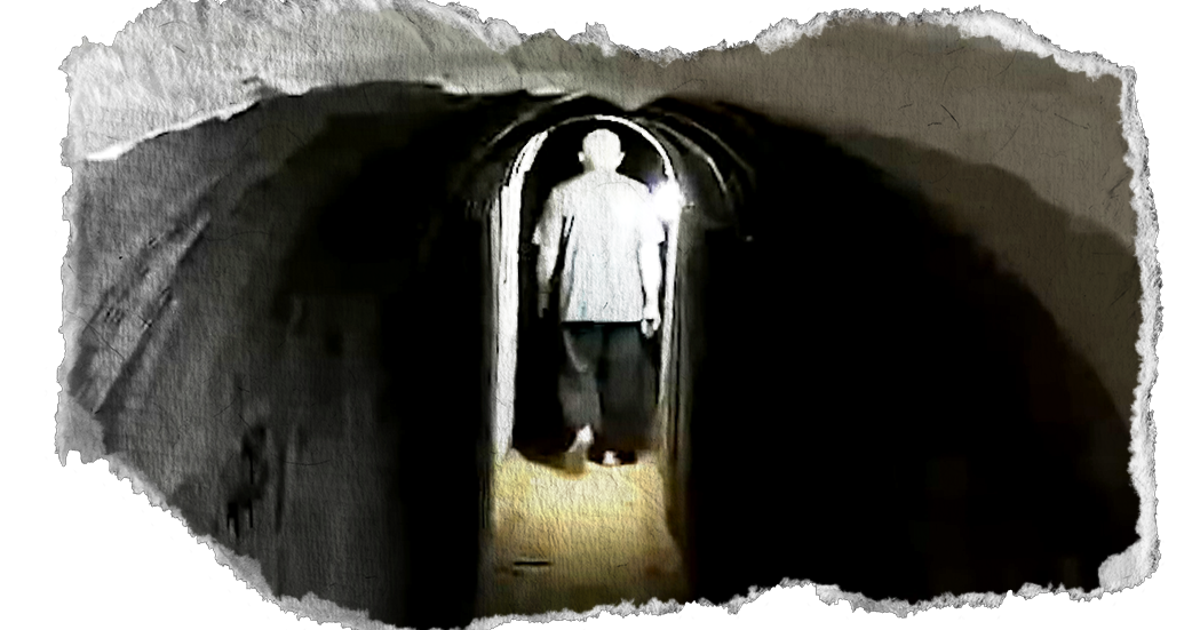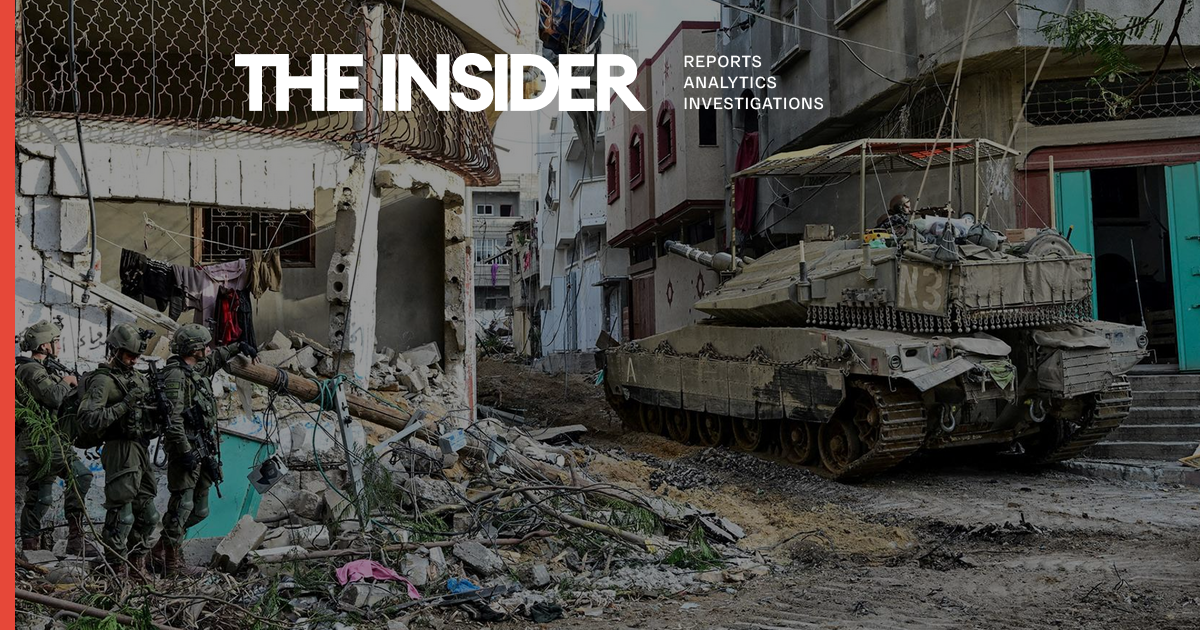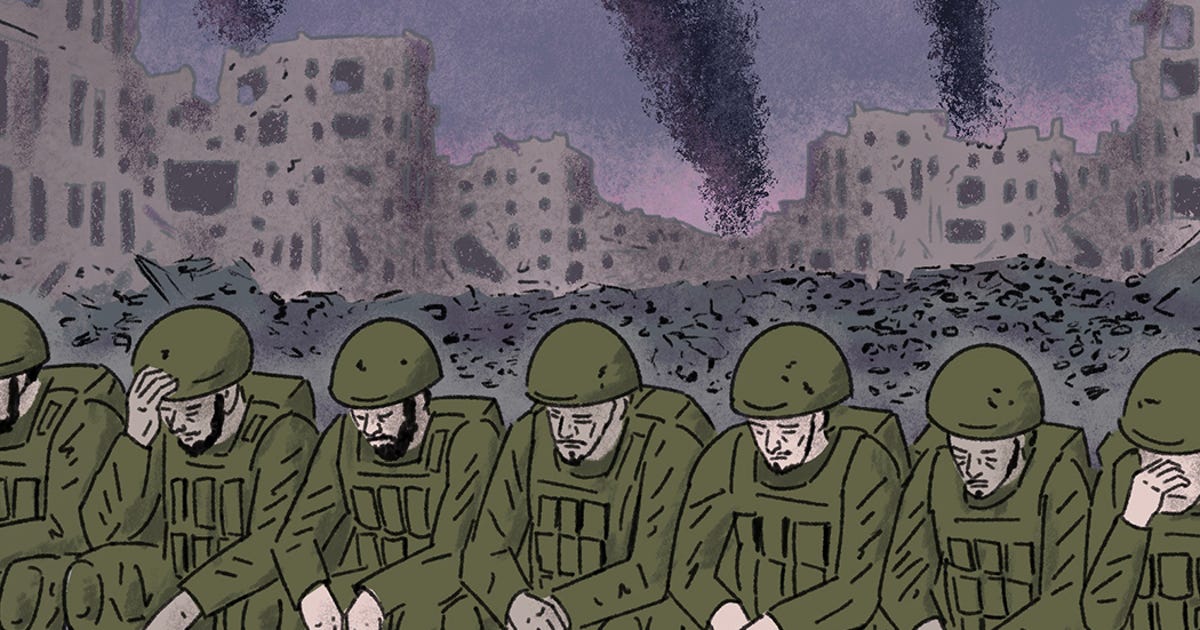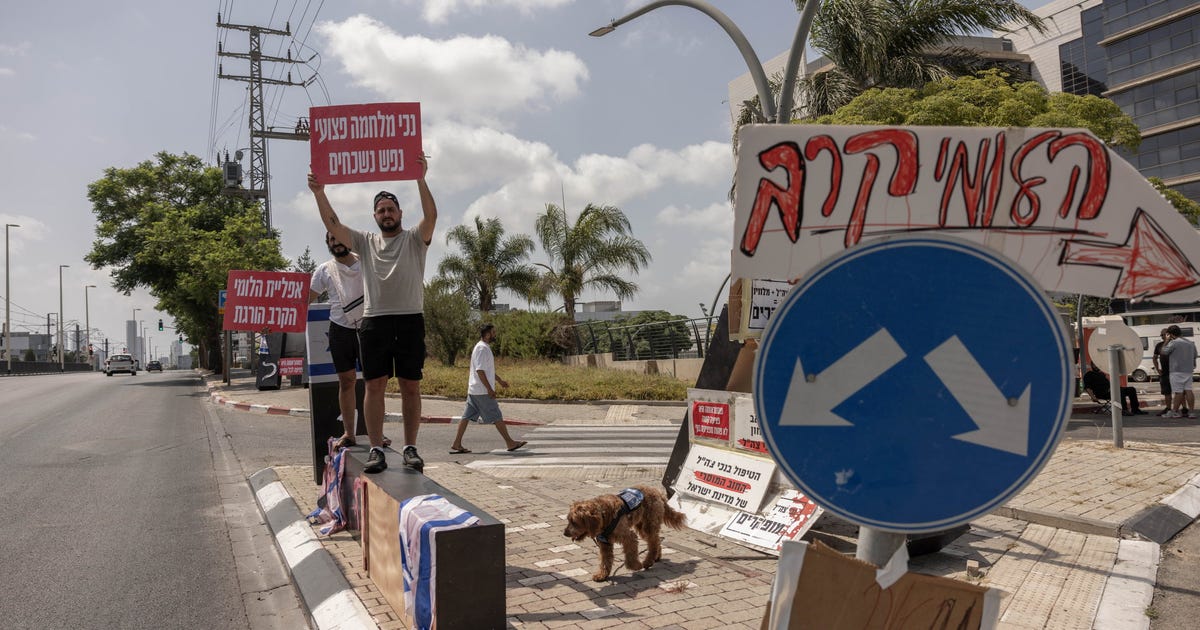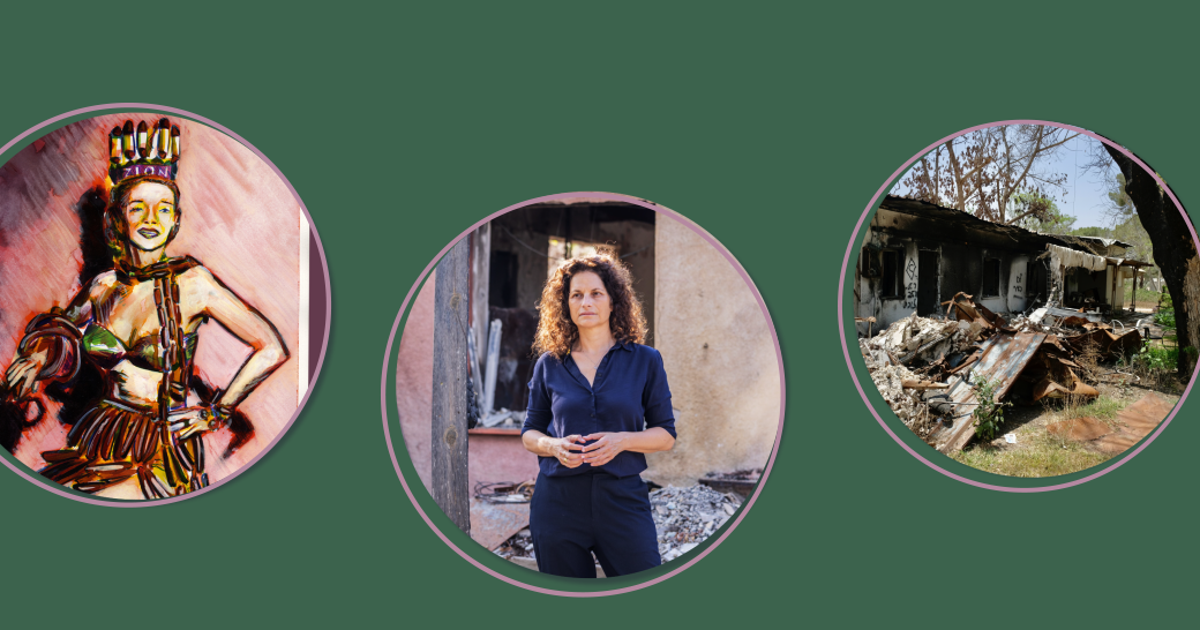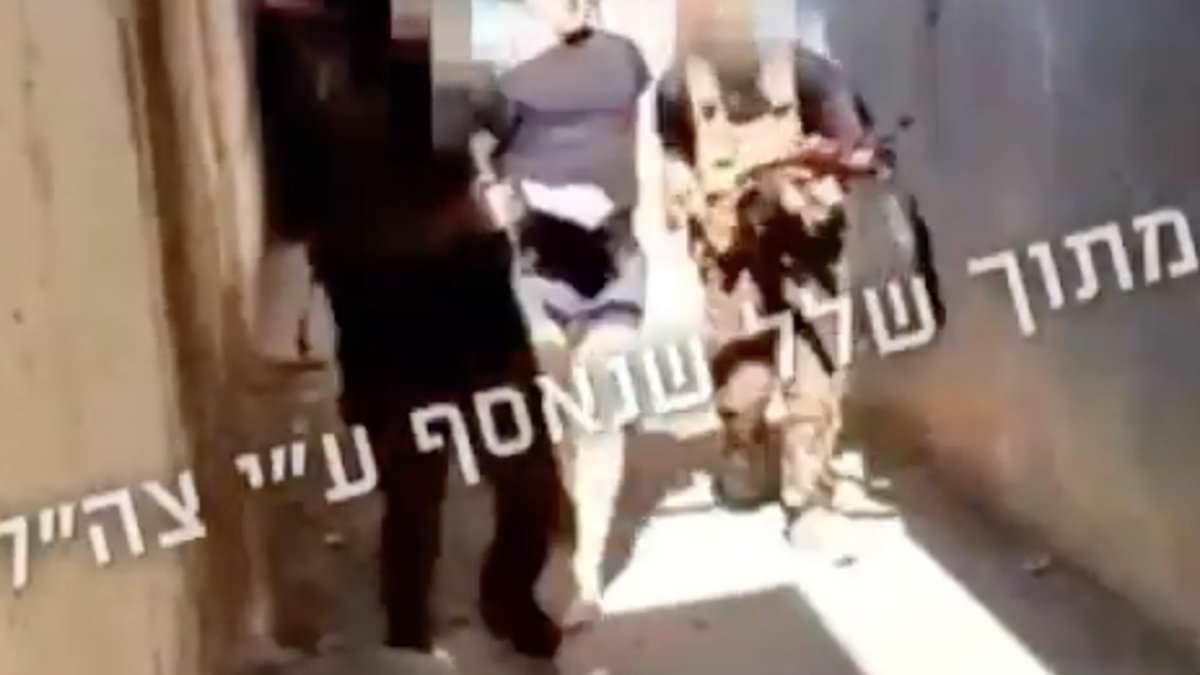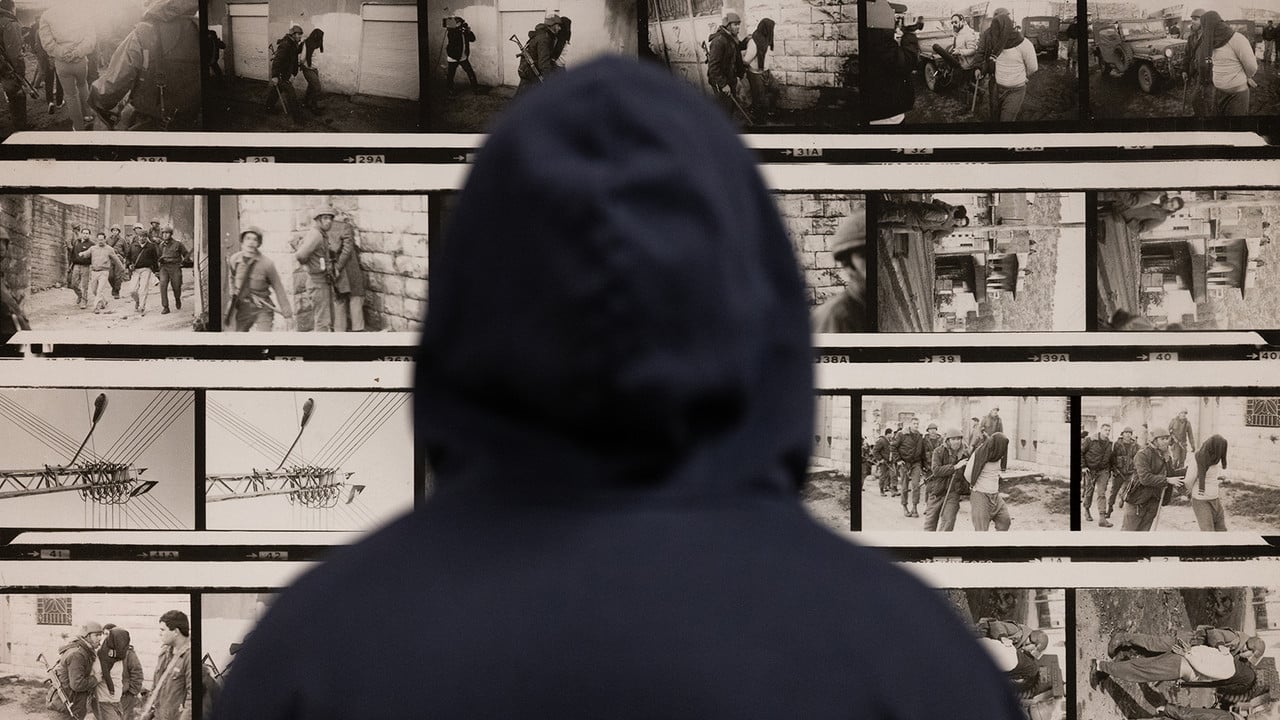
May 29th 2026 By Wendell Steavenson Jonathan was doing national service in an infantry platoon when Hamas broke through the Gaza perimeter fence on October 7th 2023, killing 1,195 people and taking more than 200 hostages. His unit was dispatched to secure a kibbutz after Hamas had been driven out. He saw the dead bodies of terrorists lying in the street, the burnt houses and blasted walls, the whole terrible, bloody aftermath. “It was very emotional,” Jonathan told me. “We lost friends and we saw the sights in the kibbutzim. It affected us very much.” We met in the Tel Aviv offices of Breaking the Silence, an Israeli NGO. It was established in 2004 by former military officers to collect testimony about the Israeli occupation in the West Bank and Gaza from the soldiers who enforce it. To date Breaking the Silence have logged testimony from over 6,000 people. The organisation is widely denigrated inside Israel. Right-wing activists have tried to infiltrate it and it has been harassed with lawsuits. Its leaders are often denounced in the Israeli press as “traitors”. Nadav Weiman, the executive director, told me that Breaking the Silence is trying to counter the Israeli government’s narrative that atrocities and war crimes were committed only by bad apples. “It’s the entire system,” he said. “It is systematic crimes that we are doing.” In response to a detailed list of allegations contained in this piece, a spokesman for the Israel Defence Forces (IDF) said: “The IDF conducts its operations in accordance with international law, including the principles of distinction, proportionality and precautions in combat. The conditions in which the IDF operated—with Hamas having deliberately embedded its military infrastructure within the civilian population—created extraordinary operational complexity. The IDF nonetheless navigated these conditions in accordance with its legal obligations and regrets any harm to civilians.” Jonathan saw the dead bodies of terrorists lying in the street, the burnt houses and blasted walls, the whole terrible, bloody aftermath Jonathan (a pseudonym) had served in the West Bank, which had left him uneasy about the harshness of the occupation. But the horror of the massacres on October 7th swept away his doubts. “I think going to that war was the first time I felt meaning in my duty,” he told me. “I felt like we had no choice but to fight in Gaza, that this was the most justified war in our history. That was my mindset in the beginning.” Members of his unit knew Gaza only through stories of tunnels and kidnappers, ambushes and snipers. He told me he felt glad listening to the bombing during the first weeks of the war because each explosion eliminated another potential threat to him and his comrades. The IDF employed tactics it had honed during previous conflicts. The Dahiyeh doctrine, named after the area of Beirut which the IDF targeted during the 2006 war against Hizbullah in Lebanon, calls for widespread destruction of civilian buildings to deny fighters cover. After three weeks of bombardment the Israeli infantry entered Gaza on October 27th. Overwhelming force was used to minimise Israeli casualties. Jonathan (a pseudonym), a soldier in the Israeli Defence Forces (IDF) who gave testimony to Breaking the Silence, an Israeli organisation collecting evidence of abuses committed by soldiers in the West Bank and Gaza (opening image). Debris and damaged belongings are scattered inside a house in Kibbutz Be’eri, after it was attacked by Hamas militants on October 7th (top). Soldiers tasked with clearing houses after the attacks break down crying at the sight of Challah bread abandoned on a dining-room table (above) “As an infantry soldier I learned the rules of engagement are the first and most basic thing I need to know,” Jonathan told me. “But in Gaza, unlike in the West Bank, we didn’t get any rules of engagement. We did have red lines and sector boundaries, but their purpose was so we would not shoot at other forces, to prevent friendly fire.” The word “civilian” was not mentioned. The soldiers worked on the presumption that anyone remaining in an area after evacuation notices and bombardment had been duly warned. (This is not a procedure recognised by international conflict law.) In December 2023, two months into the war, three hostages were shot dead by Israeli soldiers while trying to escape, despite having stripped to their underwear and carrying a white flag. Only then were certain pointers given. “But even then, it was more like advice,” said Jonathan. “You don’t have to shoot at women or children or elderly people or someone naked with a white flag.” Nothing was said about firing at medics or journalists. In Gaza, all men of military age were deemed legitimate targets. “And military age is really open to interpretation,” said Jonathan. “It could be from 16 to 60 or even younger...Most of the people that my unit killed were not armed...We had cases when my unit killed a lot of people, and we didn’t check if they had uniforms or weapons.” They often couldn’t tell who they were fighting: figures scuttling through the rubble hundreds of metres away could be anyone. Someone on guard duty “sees someone, shoots him, kills him, and now there’s a dead person—we wouldn’t know what his story was or what he did.” Other testifiers talked about the “dog line”, an invisible boundary around a position. Any Palestinian who crossed it would be shot; dogs gathered along it to eat the corpses. Breaking the Silence is trying to counter the Israeli government’s narrative that atrocities and war crimes were committed only by bad apples Jonathan’s commanders said that any Palestinian male could be a threat because Hamas fighters often moved around unarmed and their scouts wore civilian clothes. This was true; at the time this justification seemed reasonable to Jonathan. Now he feels differently. “I don’t know what the solution is, but I know the solution we had—to kill every military-age male, and sometimes not just males—is not a solution. It’s illegal, it’s not moral and it’s wrong. And hostages and soldiers as well as innocent Palestinians also died because of this behaviour.” An IDF spokesman said that it “issues detailed and binding rules of engagement to all of its troops. These directives require that strikes be directed only against lawful military objectives, that all feasible precautions be taken to mitigate harm to civilians, and that any anticipated incidental harm not be excessive. In cases of doubt, IDF directives require that the individual be presumed to be a civilian.” When infantry units were ordered to clear an area, dogs were sent ahead to sniff out IEDs (improvised explosive devices). In the first weeks of the war, so many dogs were shot or blown up that commanders began using captured Palestinians, pushing them into buildings ahead of IDF soldiers to pre-empt an ambush or getting them to open cupboards or lift up mattresses to trigger booby traps. For decades the IDF made use of the “neighbour procedure” when detaining suspected terrorists, forcing Palestinians, including children, to enter houses in front of them. In the Gaza war, special-forces units made captured Hamas fighters guide them to the tunnels where they had operated. By the summer of 2024 infantry officers were routinely press-ganging Palestinian civilians. The practice became so widespread that it had its own name: the mosquito protocol. Jonathan heard about other units using “mosquitoes”, and was not surprised when his own commander asked for one. Smoke rises from the rubble after an IDF attack on a suburb in Gaza City (top). Israeli soldiers patrol the Gaza Strip, searching for Hamas strongholds (above) Jonathan thinks their “mosquito” had been handed over by another unit. He was a young man, who seemed rather simple. (The mosquito had been interrogated by Israeli intelligence units and deemed not to be a member of Hamas.) Jonathan told me he and other members of his unit didn’t think about the ethics of the practice much: they saw mosquitoes as an obvious solution to the lack of sniffer dogs. “We had arguments inside my platoon, but it wasn’t a moral discussion about using human shields. It was about how to treat him: what and how much we should give him to eat, if we should beat him or not.” At night, the man was tied up in a corner next to the guard post in their billet. “Most people saw him as a terrorist. They hated him, they wanted to beat him.” Jonathan and a couple of others tried to convince the more extreme members of their platoon to allow the man “some degree of respect and dignity”. Jonathan told me that he was “emotionally distanced from the situation...I think there were other soldiers and friends of mine who weren’t comfortable with the fact we were doing it...Maybe they had difficulties in seeing a man, scared, weeping...But we understood if we didn’t use him, it would increase our chances of dying. So even though it wasn’t comfortable, at the end of the day we didn’t do anything about it.” “We had arguments inside my platoon, but it wasn’t a moral discussion about using human shields. It was about how to treat him” The word “protocol” belies the ad-hoc use of Palestinians as human shields. In practice, it was “messy and not organised”. When Jonathan’s unit was withdrawn from operations, they didn’t take their mosquito to prison in Israel or drop him on the humanitarian corridor: “We just told him to go.” Some released mosquitoes, many of whom were men of military age, were later shot by soldiers. When the use of human shields was first reported, based on testimony gathered by Breaking the Silence, the IDF initially denied such a protocol existed. Then a senior officer went on record admitting the practice had been discussed with commanders. In addition to the mosquitoes, the IDF have also used “wasps” (Palestinians brought from the West Bank and given IDF uniforms) and even a handful of “beavers” (Arabic-speaking Sudanese asylum-seekers who were offered residency permits in exchange for scouting tunnels). In March 2025 the IDF announced that it would investigate the use of human shields in Gaza. To date no charges on these grounds have been brought against any soldiers. An IDF spokesman said that “the use of individuals as human shields, or otherwise coercing them to participate in military operations, is strictly prohibited in IDF orders which are consistent with international law. The orders have been routinely emphasised to the forces in the course of the war. Allegations of conduct that does not comply with these directives and procedures are examined.” During the first year of the war, Jonathan and his unit regularly fought in Gaza. A combat rotation might last anywhere between a week and a month. His unit suffered a few casualties. Most, he said, were not caused by the enemy. “We had a case of friendly fire,” and other injuries were caused by mistakes, such as soldiers getting hit by shrapnel after throwing a grenade and ineffectively taking cover. War zones are inherently dangerous places. “People were hurt by cooking fires—it’s not a joke.” IDF ground forces stake out al-Shifa hospital in Gaza, where they believe members of Hamas may be hiding (top). An Israeli soldier from the Bardelas Battalion performs a security check on a blindfolded Gazan captive (above) Typically, Jonathan and his unit were billeted in houses and flats abandoned by displaced Palestinians. Another soldier who served in Gaza told me how he and his fellow soldiers would throw furniture out of windows to make space for firing positions, eat whatever food they could find, use the clothes, towels and gas canisters the inhabitants had left behind, and pocket any electronics. “You become numb to it,” Jonathan told me. “Everything is destroyed. In the streets you have bags of shit everywhere, it smells bad. It’s hot as hell in your uniform, with your vest and helmet. There is the noise of bombing, donkeys braying, but you get used to it.” A spokesman for the IDF said that “where operational necessity requires the temporary use of property—including structures and their contents—IDF directives permit such use within the bounds of applicable law and subject to imperative military necessity. The IDF’s rules strictly prohibit looting, theft or the appropriation of civilian property for personal use. Any such conduct, where substantiated, is subject to disciplinary and criminal proceedings.” Soldiers on the battlefield have little idea how they fit into the grand strategy. “There is a big mission, that as simple soldiers, we were not aware of,” said Jonathan. “We cleared buildings, we watched posts, we went on demolition raids.” The IDF were creating buffer zones roughly one kilometre wide along the perimeter fence and along the Netzarim corridor that bisects the strip south of Gaza City. In these areas every structure, be it a house, block of flats, school, farm building or factory, was razed to the ground. In the beginning, Jonathan said, the demolitions were relatively organised. Infantry, like his unit, would clear the buildings of their occupants; engineers rigged up and detonated explosives; then bulldozers went in to tear down what walls remained. But after a while there were so many demolitions that infantry units started to plant explosives themselves, even though they were not trained to do so. “We would enter the buildings, clear them and stick mines to the walls…then an engineer officer would come to pull the trigger for the final explosion so the demolition would be formally approved from a bureaucratic standpoint.” Soldiers on the battlefield have little idea how they fit into the grand strategy. “There is a big mission, that as simple soldiers, we were not aware of” Demolitions became the main job of Jonathan’s unit, and indeed, for most of the IDF infantry in Gaza. They were given operational justifications: land on either side of logistics roads needed to be cleared; caches of rockets or tunnel shafts were discovered in a basement; tall buildings could provide a vantage point for Hamas snipers. But after the tallest building in the neighbourhood was destroyed, another building became the tallest in the neighbourhood, so that was destroyed too. And so on. A spokesman for the IDF said that “Hamas and the other terrorist organisations in the Gaza Strip systematically exploit civilian sites for military purposes, including by turning them into weapons depots, command and control centres, sniper and anti-tank fire posts and as staging grounds to conduct assaults against IDF troops. IDF directives do not permit the destruction of property unless it constitutes a military objective. The IDF rejects any characterisation of its directives as arbitrary, punitive, or conducted without a legitimate operational basis.” When Jonathan went home on leave his family asked him why houses were being burned in Gaza. “I couldn’t explain the destruction as a military reason. It wasn’t about security or defeating Hamas. It was something else—entire neighbourhoods completely gone,” he told me. “It sounds like a simple question but I hadn’t thought about it and I didn’t have a good answer.” As the war ground on, disillusion set in. Hostages remained in captivity and Hamas had still not been destroyed. Jonathan, like a number of soldiers, felt that Binyamin Netanyahu, Israel’s prime minister, was prolonging the war for his own political ends. “At the beginning people were very motivated,” said Jonathan, “but after a while people became frustrated—even extremists and hardliners from my unit understood there was a lack of strategy.” Reservists started not showing up for rotations: some said they were too morally conflicted to serve in Gaza; others were exhausted and needed to return to work and families. Jonathan’s unit was sent back to areas it had already cleared. The soldiers encountered fewer Hamas fighters than they had before. Their days became monotonous and the mood soured as the war dragged on. The tenet that there were “no innocents in Gaza” hardened. “Every person in the area was called ‘terrorist’,” Jonathan told me. On their radio communications, “dirty” was the lingo used to refer to Palestinians, as in “we see two dirties ahead.” Soldiers talked about going to Gaza to hunt. Belgian Malinois dogs from the Oketz canine unit are used by IDF units to assist in searches (top). Several units are deployed to search for Hamas fighters in underground tunnels and bombed-out buildings (above) Sometimes his unit came across a school or a clinic full of displaced Palestinian families. The soldiers held their fire, but, Jonathan said, “they were frustrated they were not allowed [to shoot] at these people. In the eyes of many Israelis and soldiers, every Palestinian in Gaza is a terrorist. If it’s a kid, he is probably a future terrorist. If it’s a woman, she’s probably the future mother of a future terrorist.” Jonathan was starting to feel differently, and was unable to confide in his comrades. He felt “pretty lonely with those feelings”. It was only when he left Gaza for good that Jonathan began to reflect on his service and what he calls “the things we had done”. At home, he was aware of the gulf between his experience and public perception of the war. News channels and newspapers maintained the jingoistic government line. The tens of thousands of Palestinian casualties, the famine conditions inside Gaza and the suffering of hundreds of thousands of displaced families were barely mentioned. Eventually he contacted Breaking the Silence. They introduced Jonathan to me. Like most soldiers who gave accounts of their experience in the recent war to the organisation, he wanted to remain anonymous. Criticising the army in Israel is a “no-no”, he said. Other testifiers worry that they risk arrest when they travel abroad. Many soldiers struggle with their mental health. According to a recent Israeli government report, 279 soldiers attempted to kill themselves between January 2024 and July 2025. The incidence of post-traumatic stress disorder (PTSD) among soldiers who fought in Gaza is much higher than in other wars Israel has fought. The IDF reported a 40% increase in PTSD cases between September 2023 and January 2026. Some soldiers experience “moral injury”, a condition first described in the 1990s, when shame and disgust at one’s actions cause depression and anxiety. The concept of moral injury is controversial, since it casts perpetrators as victims. Demolitions became the main job of Jonathan’s unit. Indeed, demolitions seemed to become the main activity for most of the IDF infantry in Gaza Jonathan told me some of his friends felt denial and guilt, and suffered from PTSD. He thought he was OK, psychologically. He tries not to think too much about his time in Gaza in emotional terms—“of course, I saw hard things but I’m trying not to see myself as a victim.” Instead he treats it intellectually. “I think it’s natural that a soldier in war wants to do anything to protect themselves, and that his commander will want to do anything to protect his soldiers. So I think this is why discipline and international law is so important. At the end of the day a soldier will do what he is told to do. The systematic destruction in Gaza is not because soldiers decided to demolish buildings. It’s not our decision, it’s a policy. Of course, I have criticism of myself, and I feel guilty and ashamed for some of the things I took part in. But I also understand that the problem is the system, is the government, not the soldiers on the ground.” I asked Jonathan if there was anything specific he regretted. His lips trembled, but he could not answer. Telling his story was a way “to make things better, to take responsibility, to let people know what happened,” he said. “But it’s not a way to reduce my own responsibility. I cannot delete my past.” He had recently travelled in Europe. “I am ashamed,” he told me. “Today I’m not proud to be an Israeli, to be a former soldier. It’s something I am ashamed of. When I was in Europe I was jealous of people who could put their flag on their house, be proud and enjoy it. I think I will never be able to put the flag of my country on my home.” ■ Wendell Steavenson won the Orwell Prize for Journalism in 2024 for her reporting for 1843 from Ukraine and Israel Portrait by NADAV NEUHAUS Research Images: Eyevine, Getty
What I did in Gaza: an Israeli soldier’s reckoning
Jonathan was enthusiastic about serving after October 7th. Now he is ashamed
3,402 words~15 min read