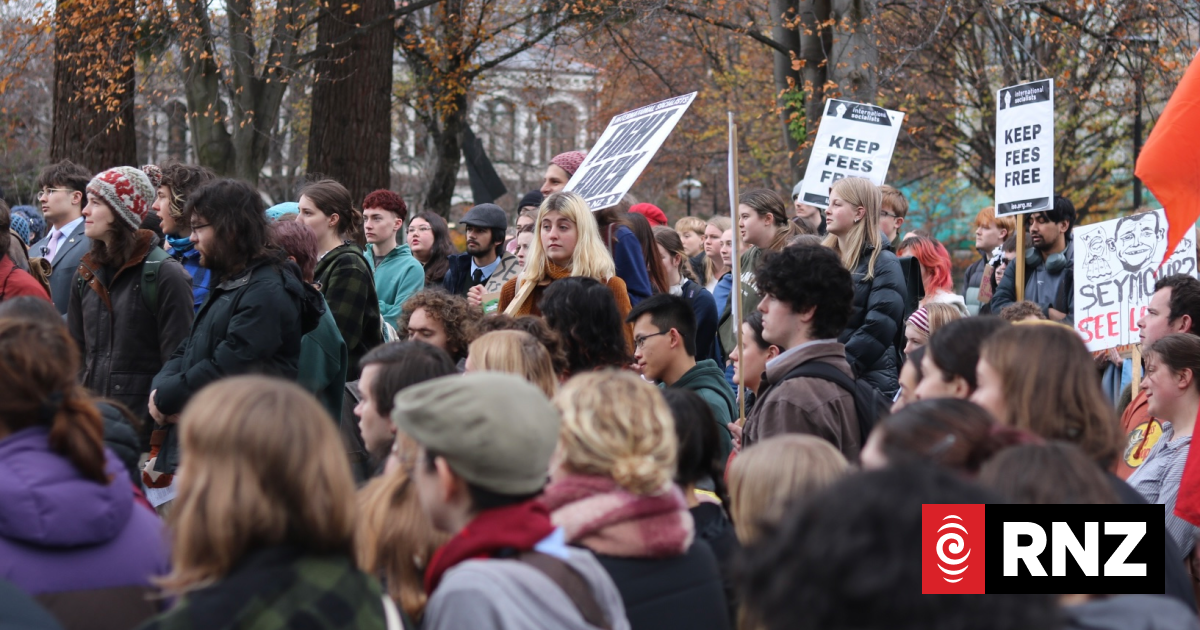
Hand every master's graduate a 12,000-euro bill, says a Finnish economist.Nothing to smile about? Tuition fees have been floated for university students to support declining public resources. Image: Sanni Isomäki / YleZena Iovino9:21Finnish economist Vesa Vihriälä told Helsingin Sanomat that tuition fees are a remedy for increasingly strained university finances.His argument clashes in a country where free higher education has long been the norm.Vihriälä argues that introducing annual tuition fees of 2,000 euros could generate roughly 600 million euros in additional funding each year. Over the course of a typical master's degree (including bachelor's), students could face a bill of 12,000 euros.At the same time, HS notes that the share of Finns with university qualifications has stalled at 39 percent, roughly where it stood in the early 2000s. Comparable countries have surged ahead. Across the OECD, the average proportion of young adults holding a university degree has climbed to 48 percent.The findings were published this spring by Sitra, Finland’s public innovation fund.Midsummer on the mindIt's still three weeks away, but, in keeping with tradition, Finns are already speculating about what sort of weather Midsummer might bring.Iltalehti says there is a strong chance of warm weather during the holiday week, though northern Finland may also see spells of rain.Before that, weather service Foreca says Finland will be warmed during the first week of June by a mild southwesterly airflow. In parts of the country, temperatures are expected to hover around 20 degrees Celsius, while by the end of the week the mercury could climb beyond the 25-degree threshold that Finns classify as a heatwave.Green goldReports suggest that this summer's youth job market is unusually difficult. But Maaseudun Tulevaisuus highlights an alternative path taken by a teenager working literally off the beaten track.Sixteen-year-old Niila Poropudas, who finishes ninth grade this week, will spend his summer operating a brush cutter, maintaining saplings for a local jointly owned woodland.He describes the work as financially lucrative, arguing that few seasonal jobs offer comparable earnings."This is profitable work. I don’t know of another summer job where you can make as good money," said Poropudas, who invoices between 250 and 450 euros per hectare for his clearing work.
Friday's papers: Education pricetag, summer heat, and teen turns to forest work
Hand every master's graduate a 12,000-euro bill, says a Finnish economist.
361 words~2 min read