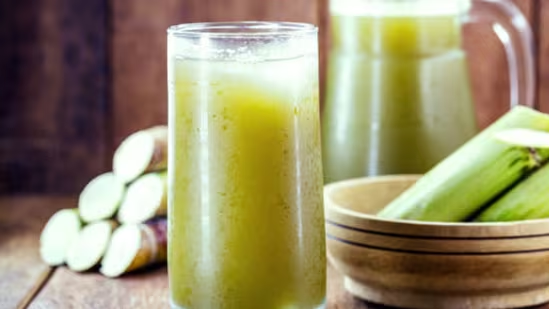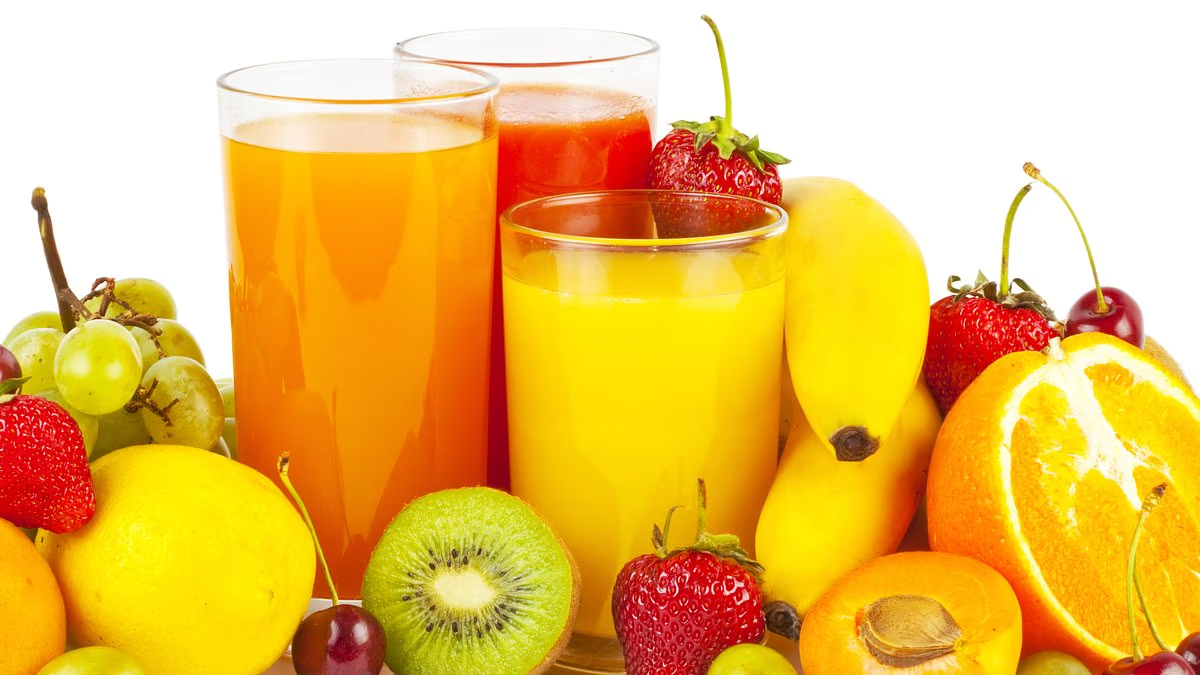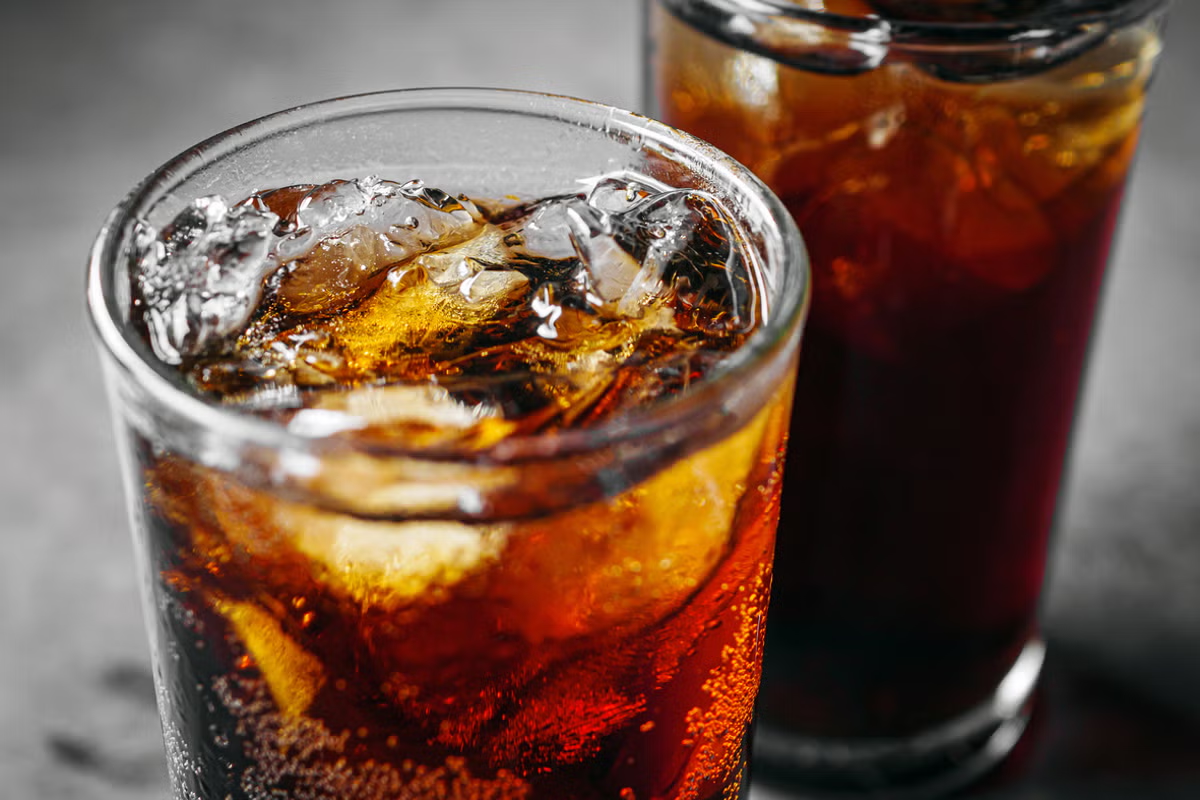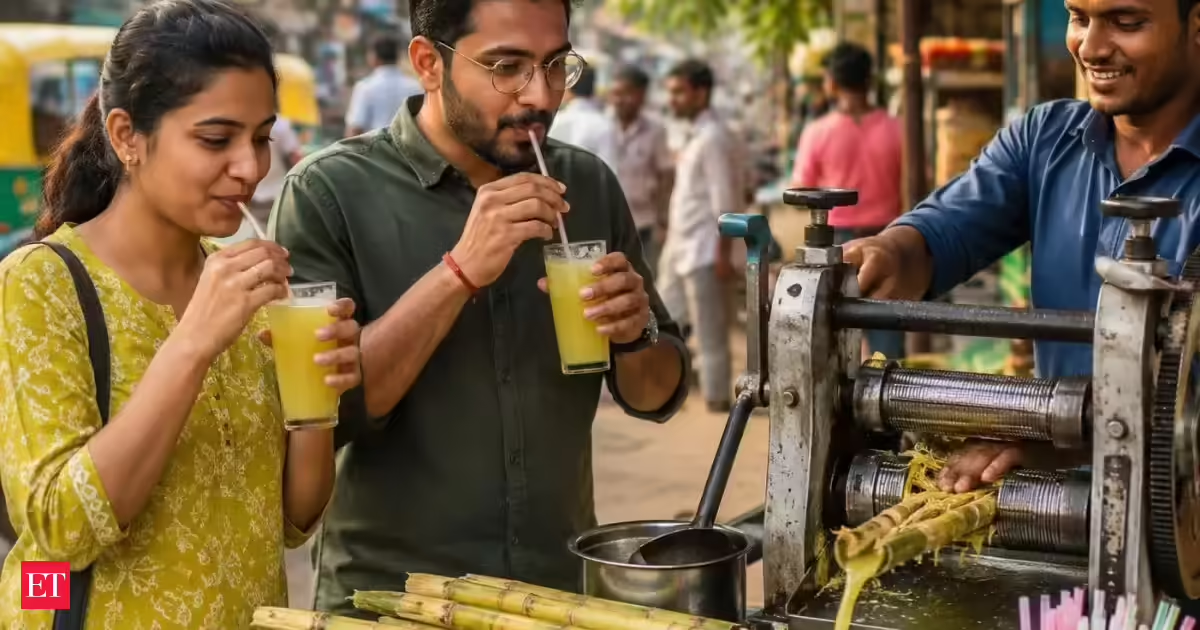
As heatwaves sweep across several parts of India, roadside juice stalls are witnessing long queues for chilled sugarcane juice and fruity coolers. But health experts are now urging people to slow down before reaching for another glass. The Indian Council of Medical Research (ICMR) has warned that sugarcane juice carries a very high sugar load and should be consumed in moderation. The advisory is part of 17 fresh dietary guidelines released jointly by the ICMR and the National Institute of Nutrition (NIN) to encourage healthier eating habits among Indians.Why ICMR is concerned about sugarcane juiceFor many Indians, sugarcane juice is considered a natural summer drink. However, the ICMR says the drink contains large amounts of sugar that can quietly push daily intake beyond healthy limits.According to the guidelines, sugarcane juice contains nearly 13-15 grams of sugar in every 100 millilitres. "Sugarcane juice, which is extensively consumed in India, particularly during summers, is high in sugar and hence its consumption should be minimized," stated the ICMR.Health experts linked to the recommendations say adults should not consume more than 30 grams of free sugar in a day. For children between 7 and 10 years, the limit is even lower at 24 grams daily.Whole fruits better than packaged or sweetened juicesThe health body has also advised people to avoid fruit juices loaded with added sugar. Instead, it recommends eating whole fruits because they naturally contain fibre and important nutrients.The guidelines suggest that freshly prepared juice should use only 100-150 grams of whole fruit. "Whole fruits are preferable as they contain fiber and other nutrients," the ICMR noted.The message behind the advice is simple: chewing fruit is healthier than drinking it.Soft drinks should not replace waterThe ICMR has also placed soft drinks under the scanner. Both fizzy and non-fizzy beverages may contain excess sugar, artificial sweeteners, flavours, and acids that can affect health when consumed regularly."Soft drinks are not substitutes for water or fresh fruits and should be avoided," the ICMR stated.Instead of sugary beverages, the guidelines encourage people to switch to simpler summer options such as buttermilk, lemon water, coconut water, and fresh juice without added sugar.Tea and coffee also come with a cautionThe new recommendations do not stop at cold drinks. Tea and coffee lovers have also been advised to keep an eye on their daily intake because of caffeine content.The ICMR noted that a 150ml cup of brewed coffee may contain 80 to 120 mg of caffeine, while tea can contain around 30 to 65 mg in one serving. The suggested daily caffeine limit is 300 mg.The guidelines further advise people not to drink tea or coffee at least one hour before or after meals. The reason is that tannins present in these beverages may reduce iron absorption in the body, increasing the risk of iron deficiency and anaemia.The advisory also warns that excessive coffee intake may raise blood pressure and trigger irregular heartbeat problems in some individuals.The larger message behind the new guidelinesBeyond drinks, the ICMR’s updated recommendations focus on building a balanced daily diet. The health body has encouraged people to include fruits, vegetables, whole grains, lean meat, and seafood in regular meals while cutting down on oil, salt, and sugar.The latest advisory arrives at a time when processed foods and sweetened drinks have become a routine part of urban lifestyles. Through these guidelines, health experts hope people will make smarter food choices before small habits turn into long-term health problems.
Sugarcane or Ganne Ka Juice Not Healthy: ICMR suggests avoiding soft drinks, fruit juices, tea, and coffee
Ganne Ka Juice Peene Ke Nuksaan: As heatwaves intensify, health experts caution against excessive sugarcane juice consumption due to its high sugar content. New ICMR guidelines recommend moderation for all sugary drinks, promoting whole fruits and healthier alternatives like buttermilk and lemon water instead.
572 words~3 min read