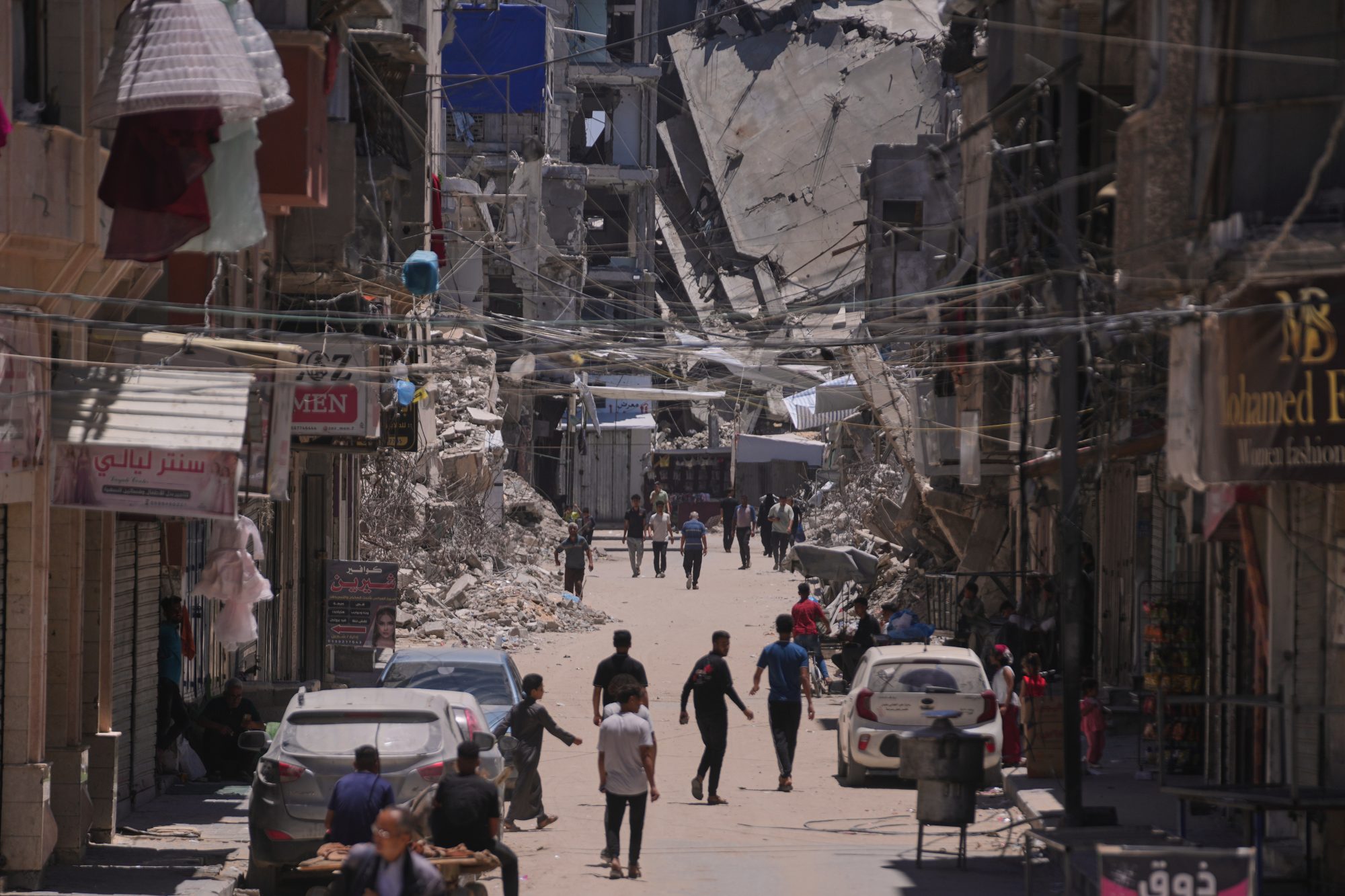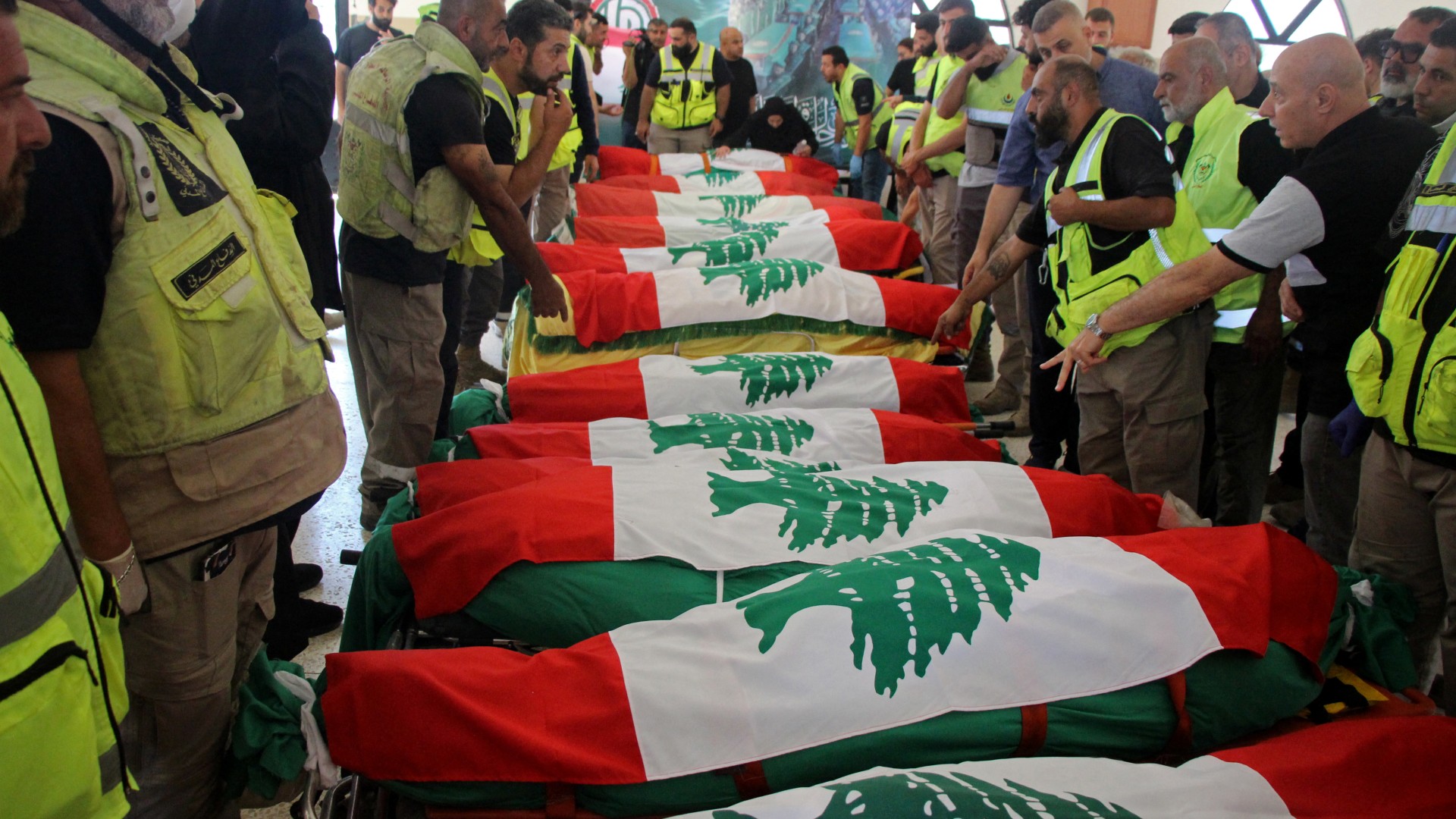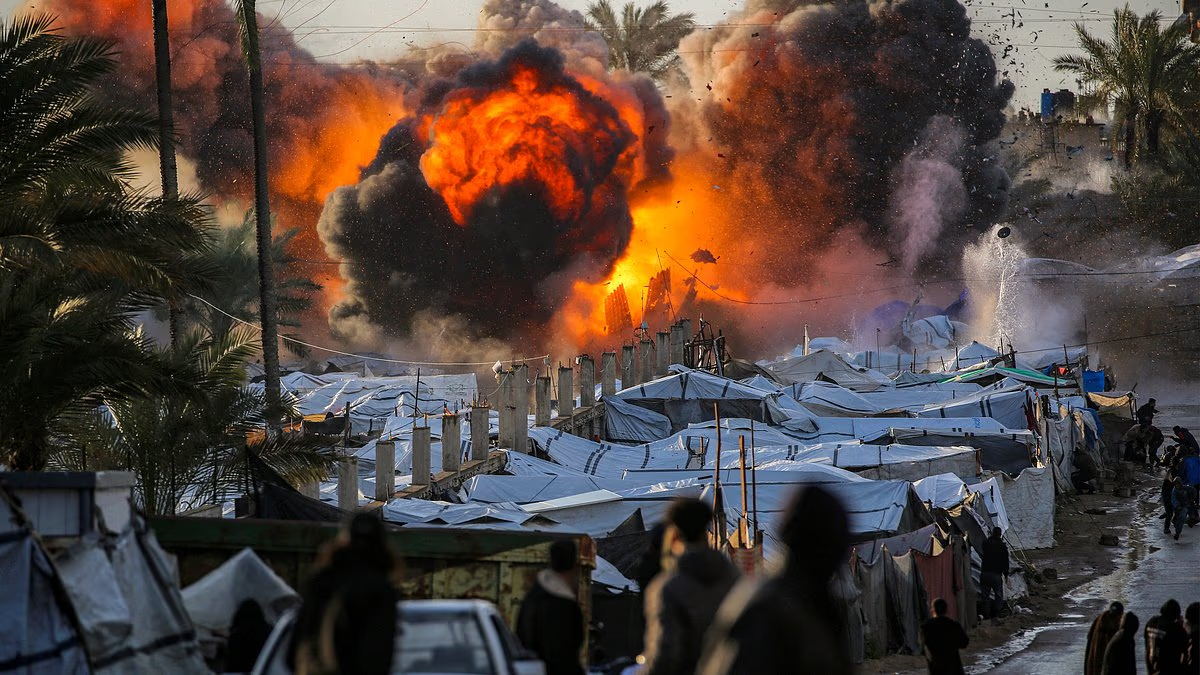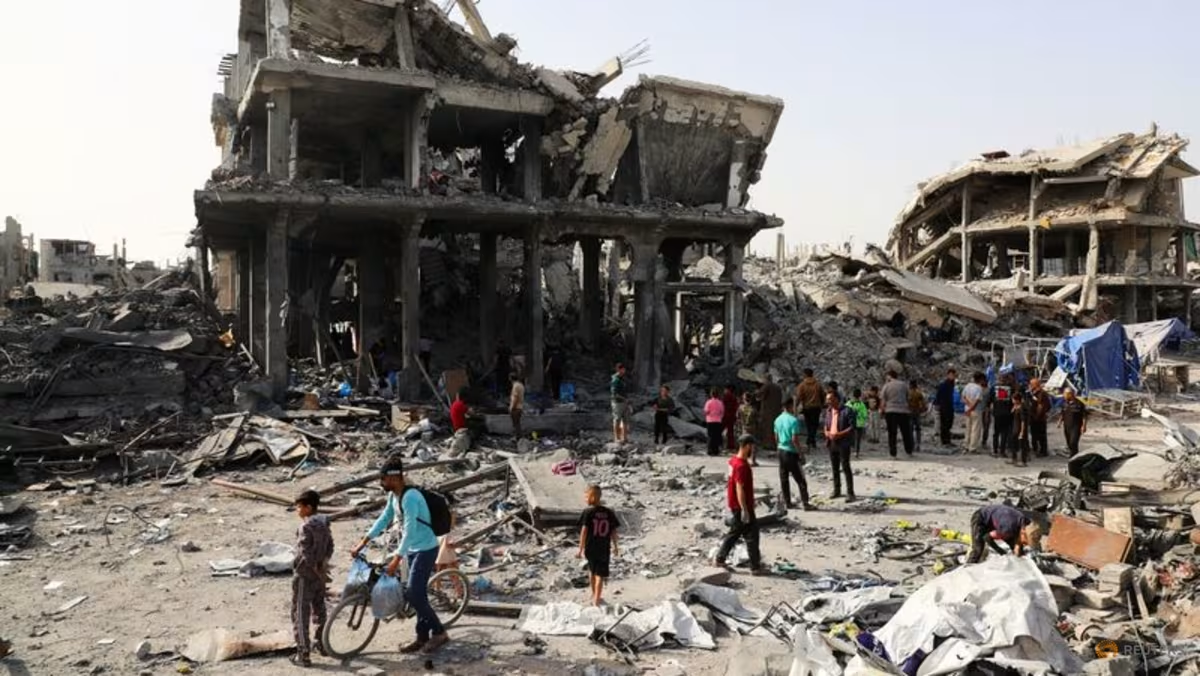
Israel’s military and political trajectory in Gaza and the wider regional confrontation has entered a highly volatile phase, as Prime Minister Benjamin Netanyahu reportedly ordered the army to extend operational control to around 70% of the territory, a development seen as potentially undermining an already fragile ceasefire framework and worsening an acute humanitarian crisis.
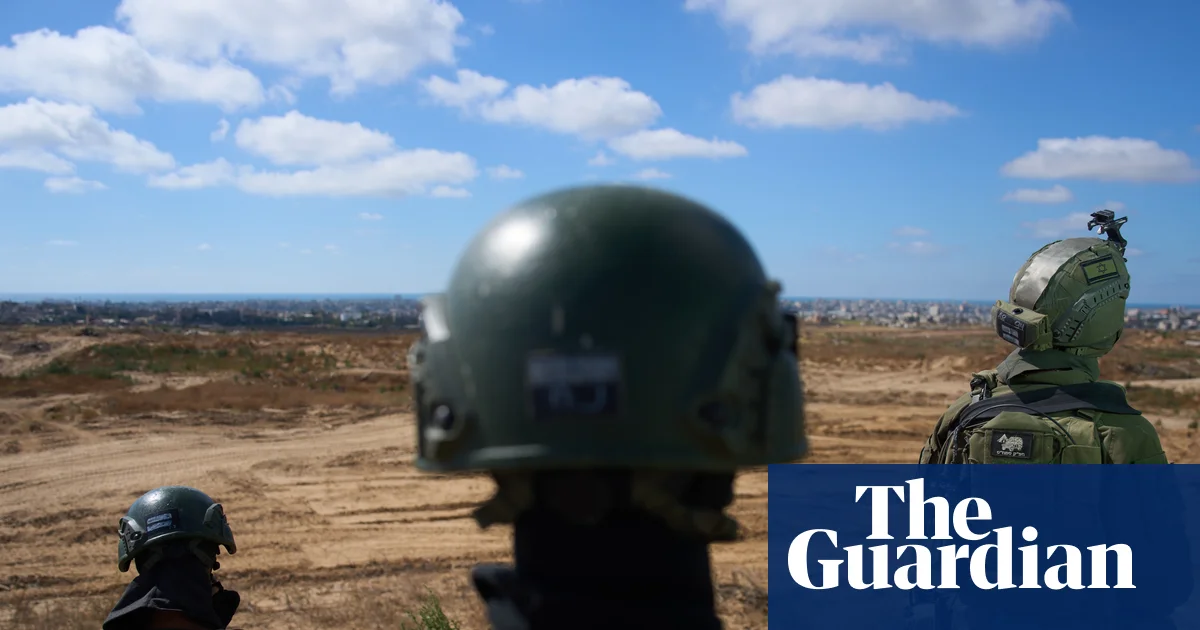
Under the US-backed ceasefire agreed in October, Israeli forces had withdrawn to a demarcation line that left them in control of roughly 53% of Gaza. Since then, however, Israeli units have steadily advanced beyond that line, widening what officials describe as a security zone and tightening restrictions on movement deeper into areas still associated with Hamas control. The evolving situation has effectively reshaped control on the ground well beyond the original ceasefire map.
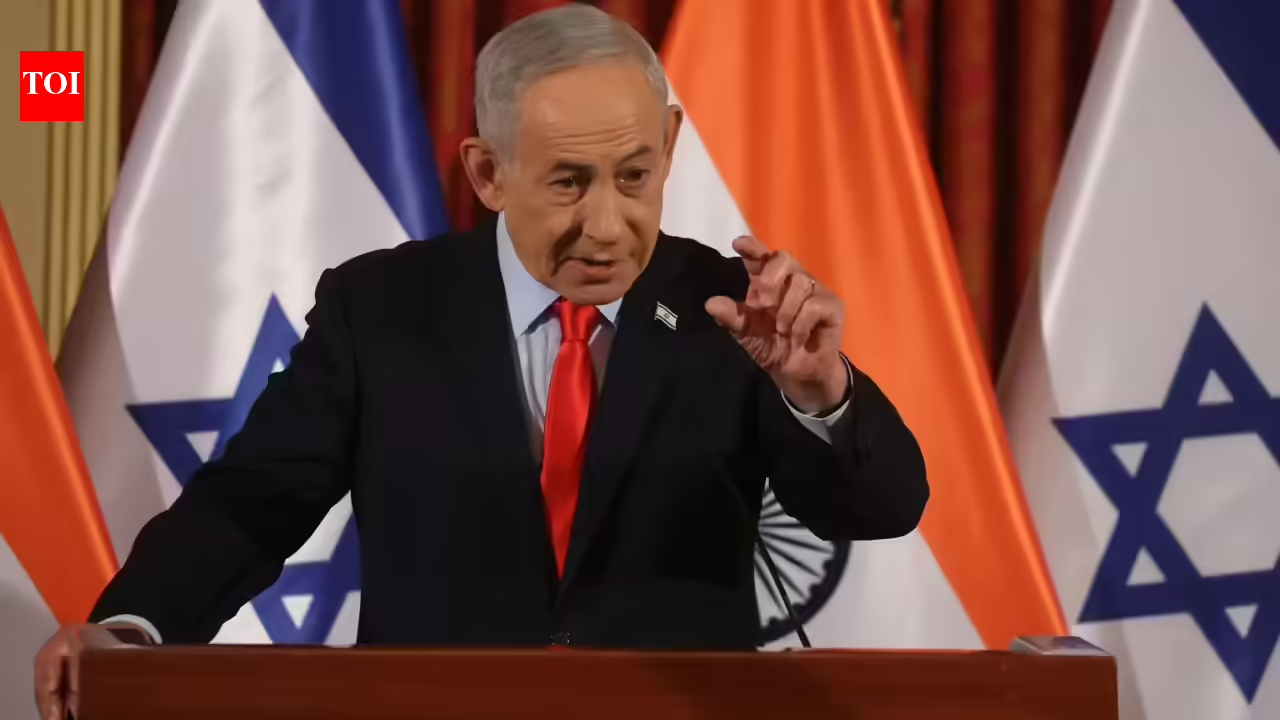
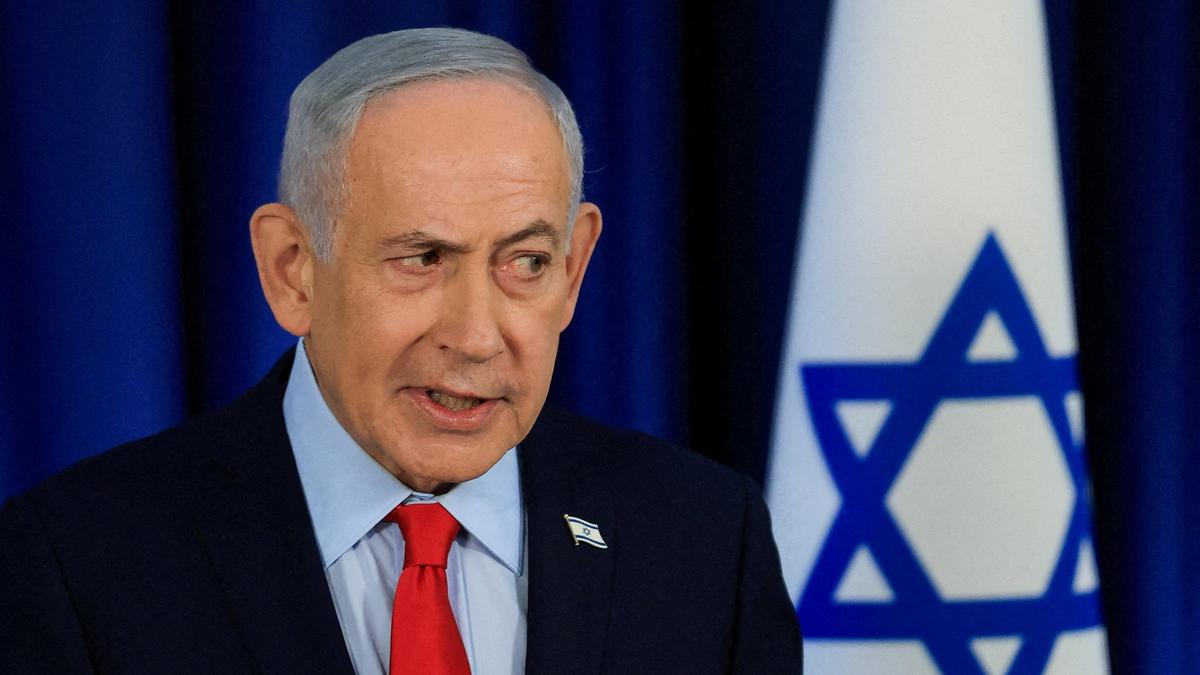
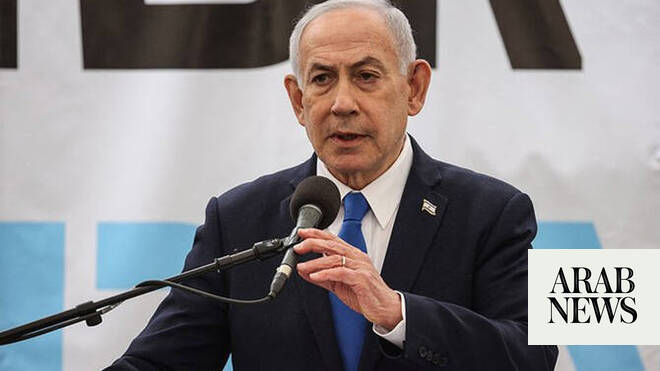
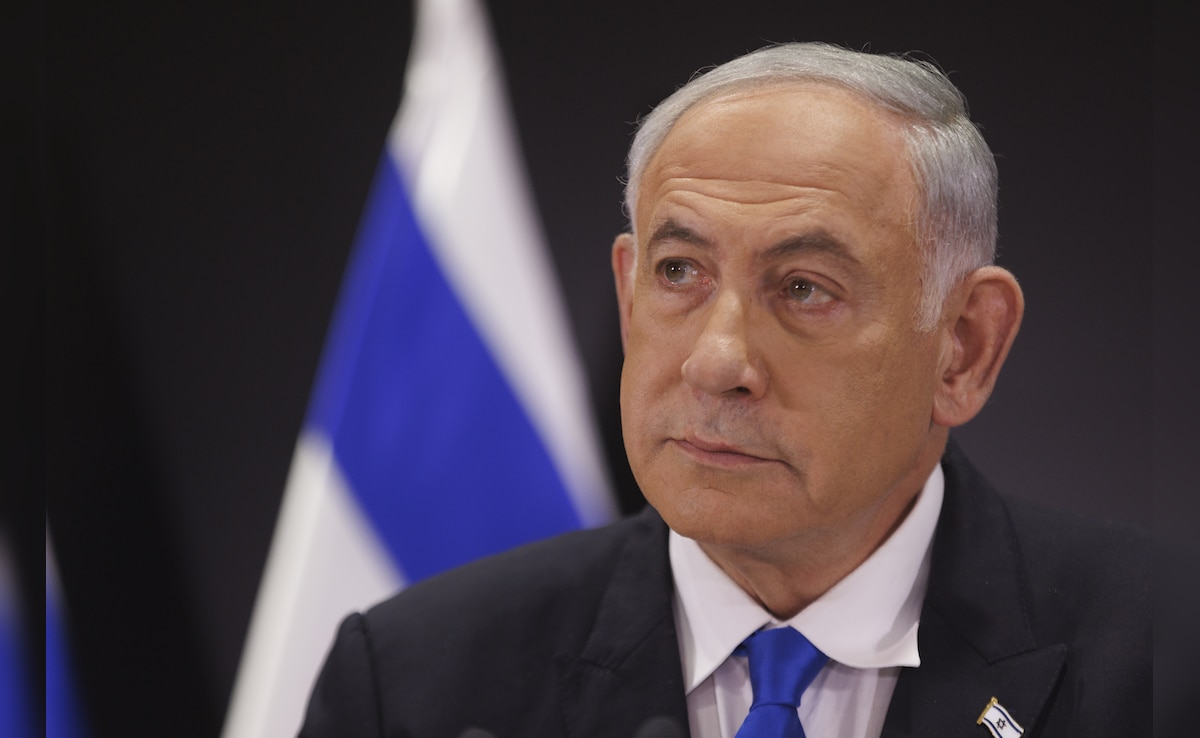
Speaking at a conference in an occupied West Bank settlement, Netanyahu described the ongoing military strategy as continued pressure on Hamas and outlined an expanded territorial objective. “We are currently squeezing Hamas. We now control 60% of the territory in the strip… My directive is to move to… 70%,” he said.
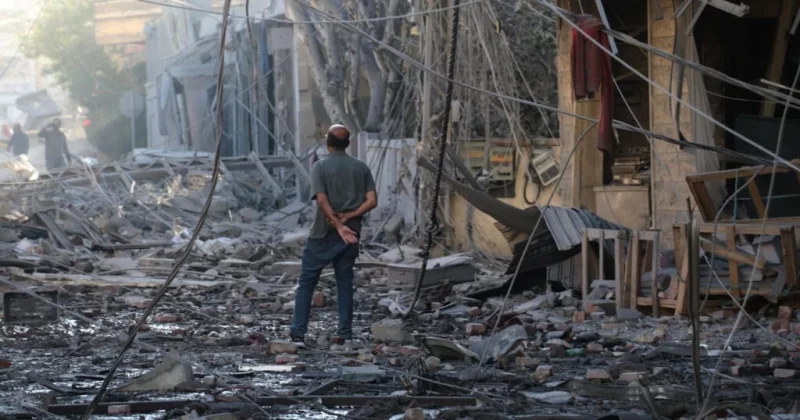
The planned expansion has intensified concerns among humanitarian observers and analysts, who warn that remaining Palestinian civilians could be pushed into an ever-smaller portion of the enclave. Gaza, already described as one of the most densely populated areas on Earth, has seen repeated waves of displacement since the ceasefire began, with Israeli-backed armed groups reportedly playing a growing role in ordering evacuations in areas near the front line.