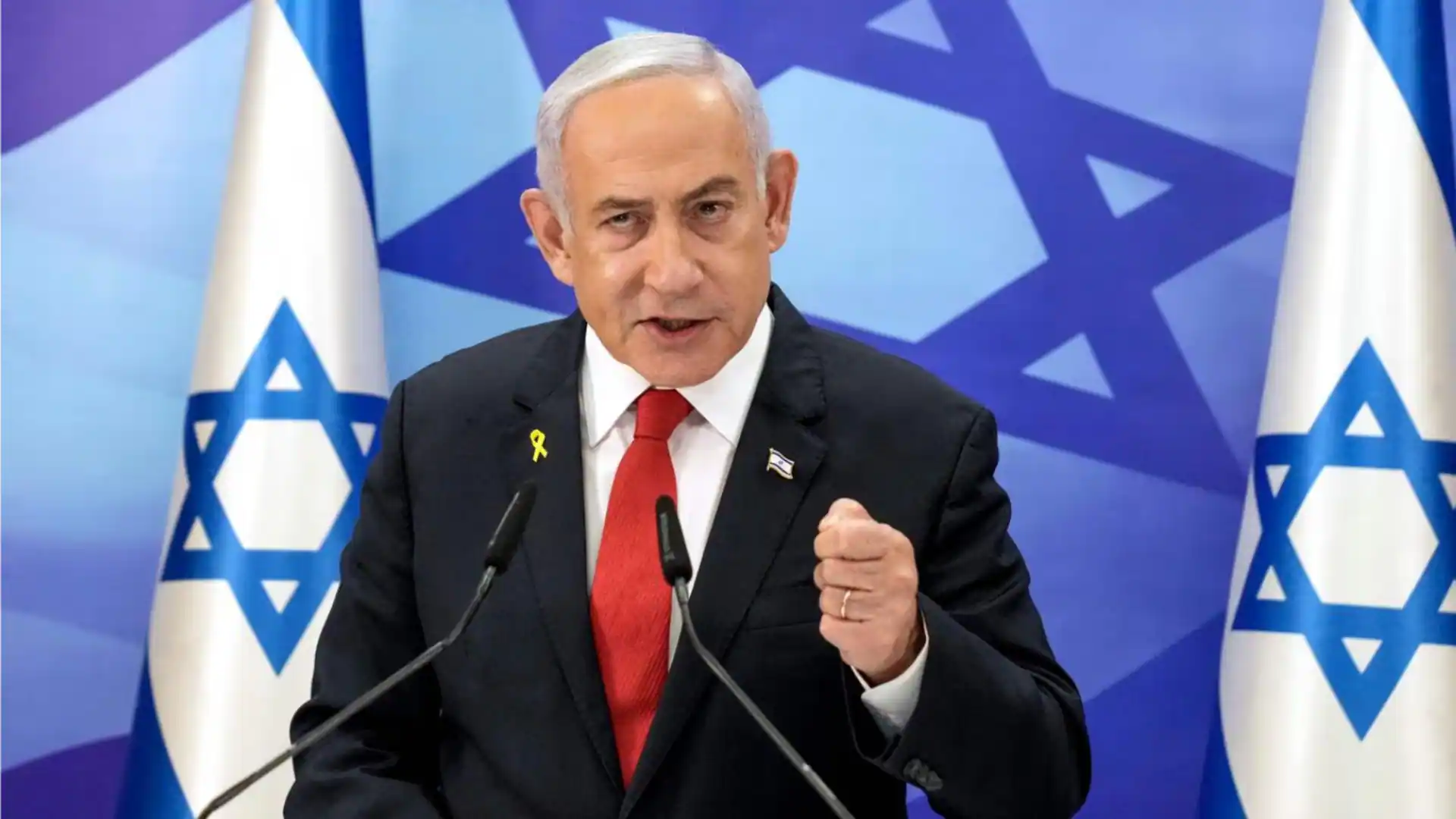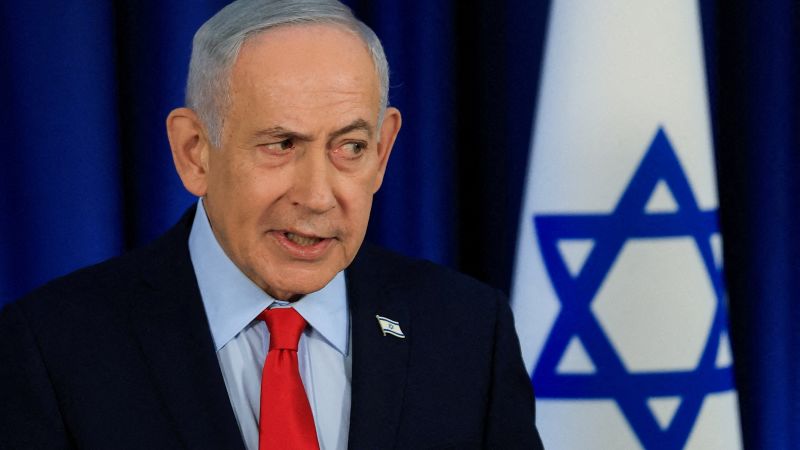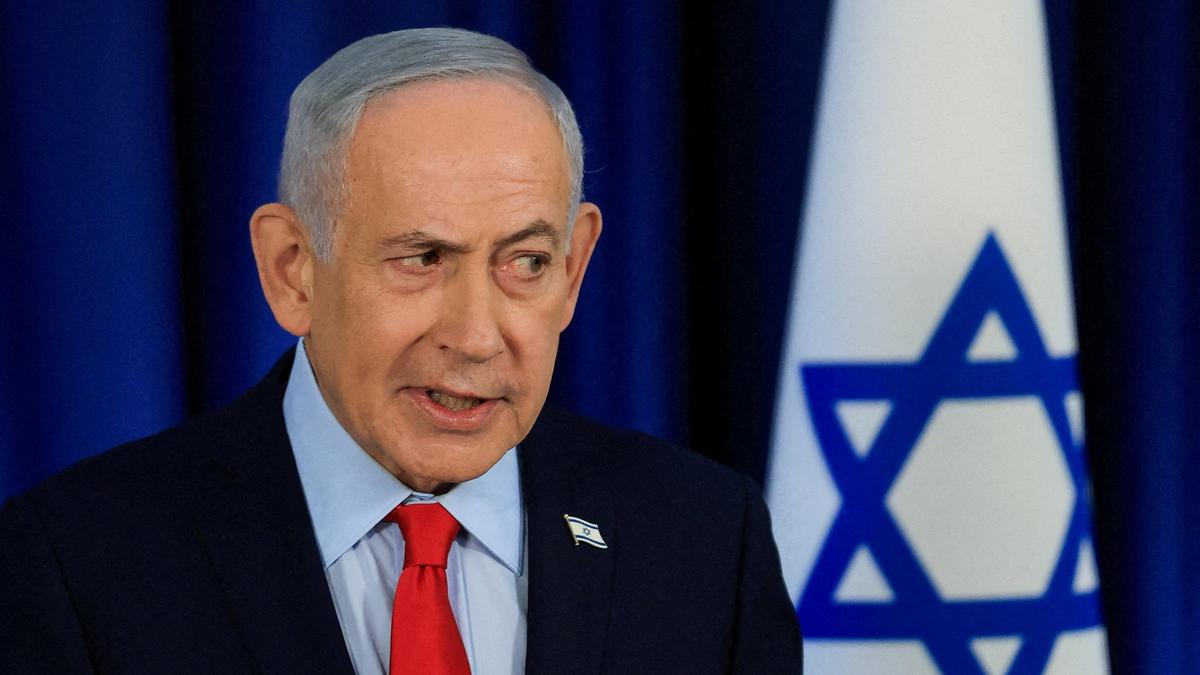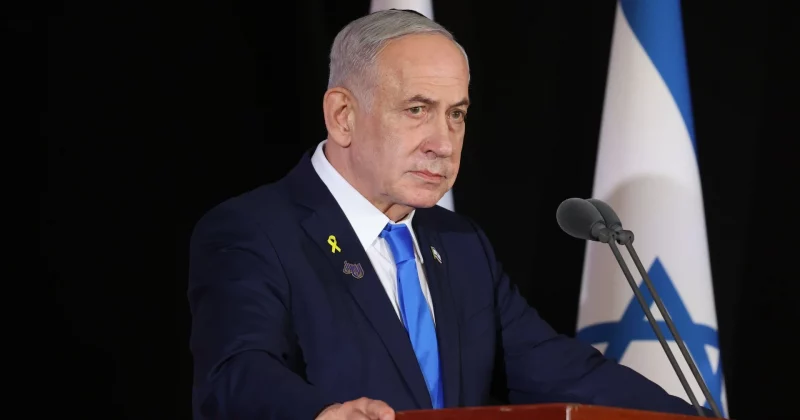
Israeli Prime Minister Benjamin Netanyahu announced on May 28 that he has directed the military to expand control over 70% of the Gaza Strip. When asked whether the goal was eventually 100%, his response was blunt: “First 70 percent.”
The order represents a meaningful escalation from the roughly 60% of Gazan territory Israeli forces already controlled as of mid-May. It also signals the effective collapse of the fragile ceasefire framework established in October 2025, which had stabilized Israeli territorial control at somewhere between 50% and 60%.
What’s actually happening on the ground
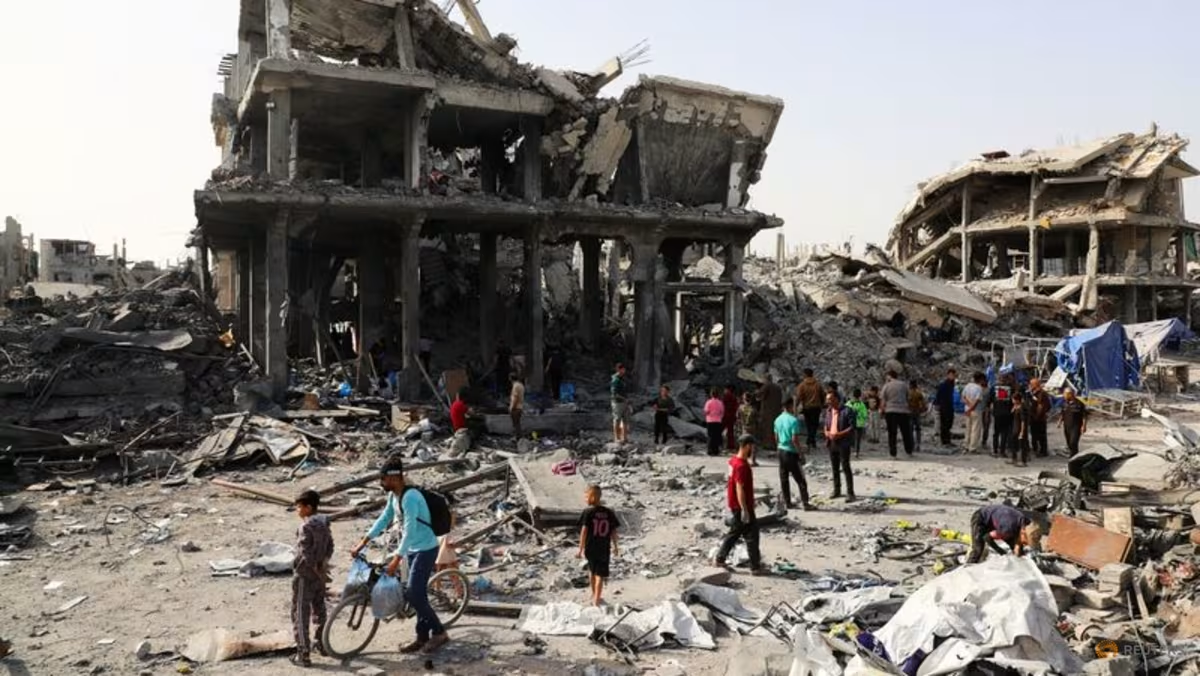
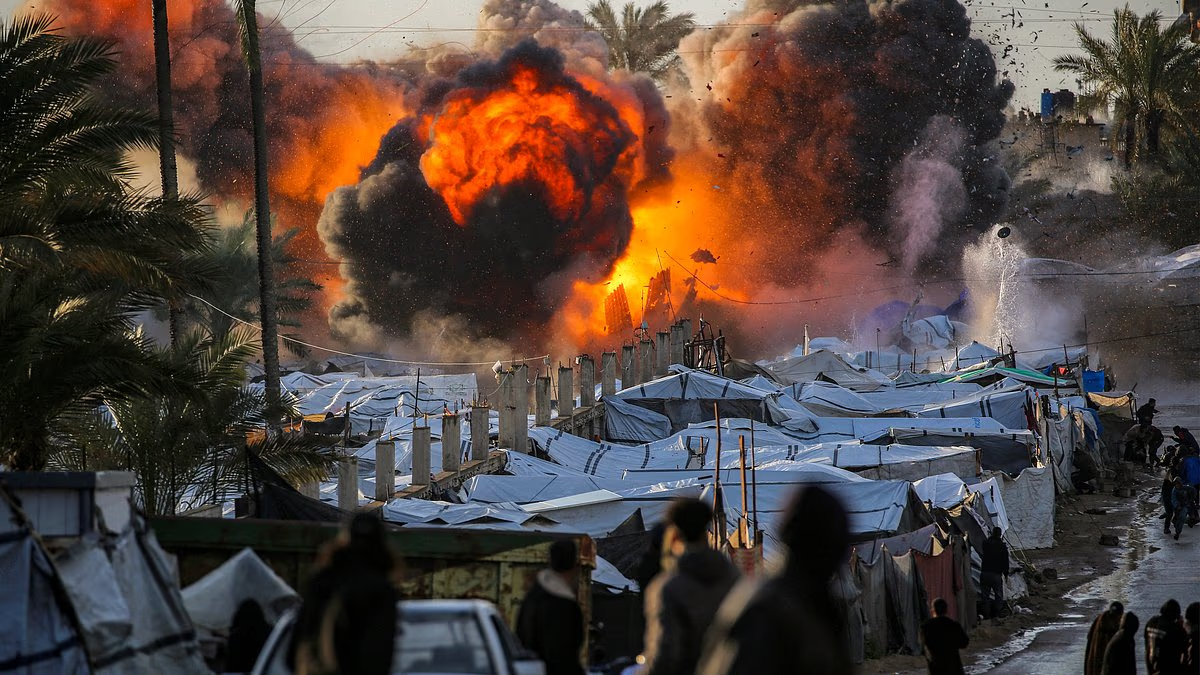
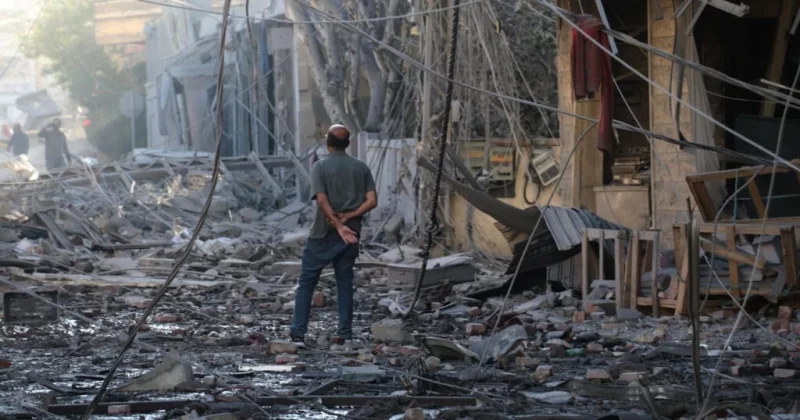
The directive follows a series of security cabinet approvals for targeted military operations in strategic zones, including Gaza City. Netanyahu’s instruction to push from 60% to 70% isn’t just a number on a map. It means new ground offensives, expanded buffer zones, and a deeper military footprint in one of the most densely populated areas on Earth.
Netanyahu’s framing of “first 70 percent” suggests this isn’t a terminal objective. It’s a waypoint. That open-ended posture is what has regional analysts and global markets paying attention.