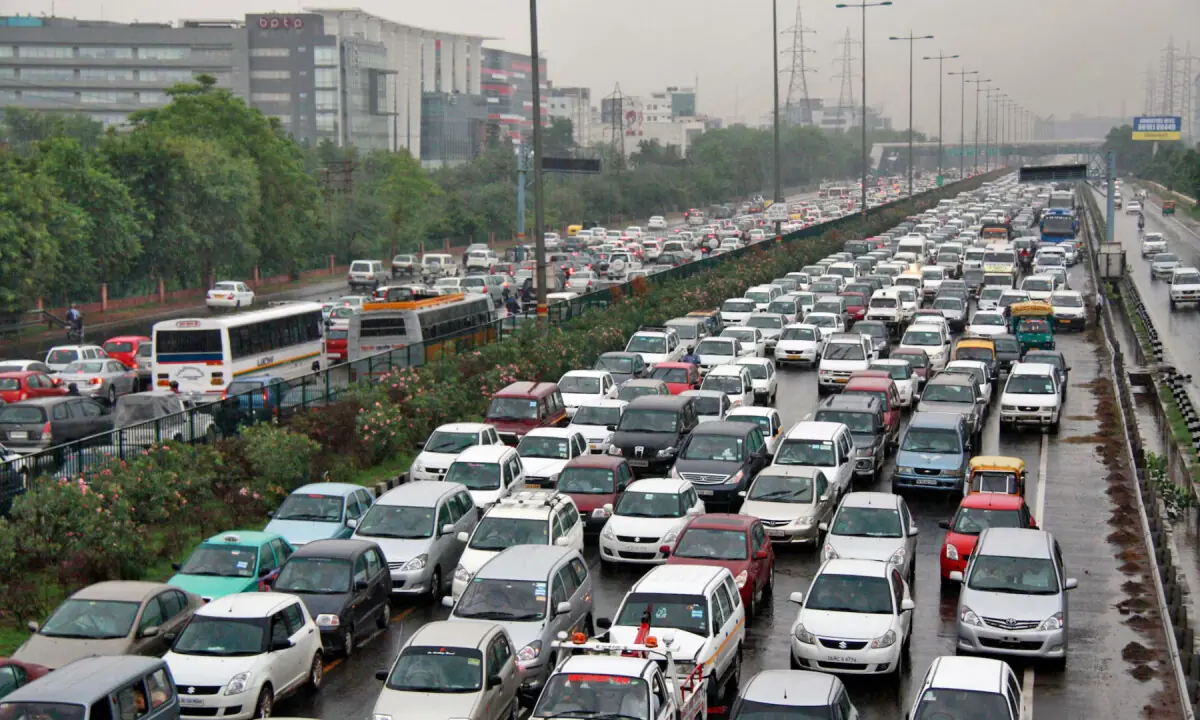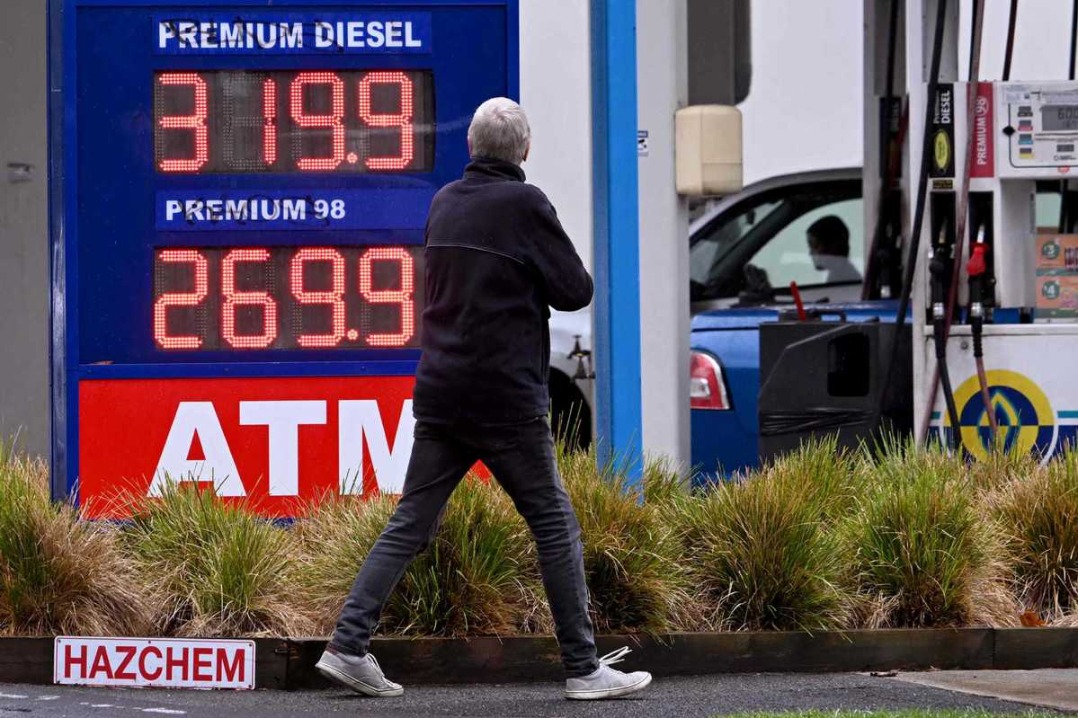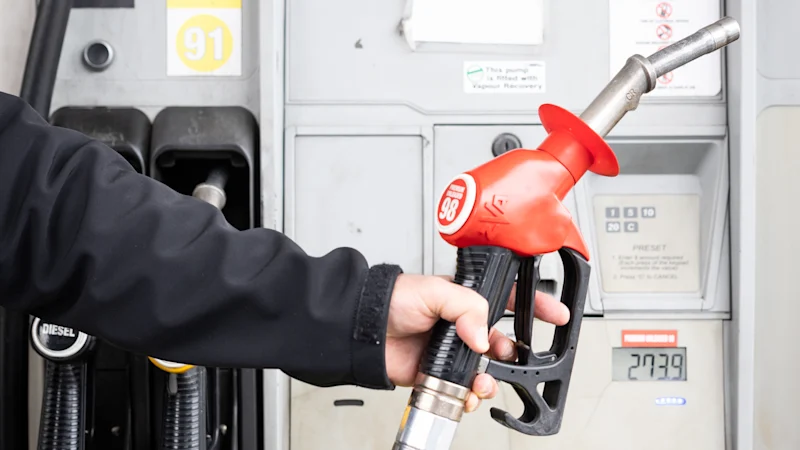
IN BRIEFAustralians facing financial hardship are the most likely to change travel habits as fuel costs climb.Many Australians who switched transport modes during the fuel spike may not return to driving.Alana Cullen used to drive to work five days a week.But when petrol prices began climbing earlier this year, the Sydney office worker started looking for ways to reduce her weekly spending.Now, she walks part of the journey and catches a bus for the remainder of her commute."It wasn't really a choice for me," she told SBS News."With the cost of groceries, housing and pretty much everything else going up, fuel was one of the areas where I felt I could save a little bit of coin without too much effort."News that makes senseYour trusted source for staying up-to-date with the world around you. Get free daily news updates and analysis, straight to your inbox.And she isn't alone, according to new research from Monash University which has revealed that almost half of Australians have changed the way they travel in response to rising fuel prices, with younger people and lower-income households driving much of the shift.The national study, which surveyed 2,177 Australians weeks after petrol prices began climbing in March, found 45 per cent had already changed their travel behaviour, while a further 37 per cent were considering switching to a different mode of transport.While the research has not yet been peer-reviewed, it found one in five respondents said they were walking more often, while two in five reported cutting back on the number of trips they make altogether.Lead author Dr Lauren Pearson from Monash University's School of Public Health and Preventive Medicine told SBS News that the findings reveal how rising fuel costs are reshaping daily life, but also highlight stark inequalities in who can adapt."The changes we're seeing, including more people choosing to walk for more of their trips, point to quite substantial latent demand, people wanting to use more active and sustainable modes of transport that are also more resilient to future fuel crises, which will happen again."Pearson noted that many respondents were also open to using public transport (57 per cent), cycling (35 per cent) and e-bikes (27 per cent), but acknowledged that factors such as age, location, physical ability and access to alternative transport options were influencing people's ability to make the switch.But the question of how cities will adapt to the shift long term remains.Lower-income households feeling the pressureThe study also found Australians experiencing financial hardship were significantly more likely to change their travel habits than those who were financially secure.Among respondents facing financial pressures, 85 per cent reported altering the way they travel.But 56 per cent of those who said they were not struggling financially reported altering their travel.Experts say the findings point to a growing divide between Australians who have access to alternative transport options and those who remain heavily reliant on private vehicles.Jack Thrower, senior economist at The Australia Institute, told SBS News that the responsibility was on the government to ensure there were systems and infrastructure in place to ensure the use of public transport was accessible and viable."It essentially comes down to the ability to substitute one option with another … In more regional areas where public transport is either not available or infrequent and unreliable, there is not an opportunity to switch over, it just means that living standards fall because they have to pay the costs when fuel prices go up."The study found Australians experiencing financial hardship were more likely to change their travel habits."When you're filling up multiple times a week, it adds up very quickly. Cutting back on that has given us a little bit of breathing room."Pearson said that those who were adapting the most are people who ‘experience financial disadvantage and younger people’."What that suggests is that it is not so much something that is particularly chosen or motivated around values around sustainability, but instead by forced adoption and a need to do due to costs."It tells us that those who have the ability to be able to be able to change to safe, affordable, reliable and active modes of transport are particularly those living in cities, often people who have good access to reliable public transport," she said.More Australians considering active alternativesThe report also found growing interest in more active forms of transport.Nearly two-thirds of respondents said they would consider walking more often, while more than a third were open to cycling and more than a quarter expressed interest in using e-bikes.Public transport usage also increased during the fuel price spike, particularly in Victoria, where the state government introduced free public transport in March as part of a broader cost-of-living relief package.The research found 45 per cent of Victorian respondents reported new or increased public transport use, compared with 25 per cent in Tasmania.In a statement to SBS News, Victorian Public and Active Transport Minister Gabrielle Williams said the fare relief measures were helping commuters manage rising transport costs while encouraging greater use of the network.Williams said the temporary measure was making "a real difference", saving commuters up to $456 across April and May, with half-price fares due to be introduced in June and remain in place until the end of the year.Researchers argue the findings should prompt governments to invest more heavily in public transport, walking and cycling infrastructure, particularly for communities facing cost-of-living pressures.Cullen said that while she misses the convenience of driving, there have been several unexpected benefits, as well as the obvious benefit of spending less money."It does take more organisation and planning, but I get more steps in every day, and I actually use the bus ride to get organised before work," she said."I'll check my emails, reply to messages from family and friends or just have a few minutes to myself before the day starts."It's not as simple as jumping in the car, and it does require a bit more planning for timing purposes, and a buffer for public transport delays, but there are definitely parts of it I've come to appreciate."Price hikes driving long-term changeThe study also estimates as many as one in three Australians who changed their travel habits during the fuel crisis may continue those behaviours even if petrol prices fall."Twenty-seven per cent of people said they would probably continue, 8 per cent definitely and 38 per cent of people were saying they were unsure.""People are potentially finding these ways to get around are not as reliable, safe, easy or viable within their every day…That’s why it is so important to consider how we can make these modes viable and enjoyable for people to use in the future," Pearson said.Experts say the findings raise broader questions about transport affordability, infrastructure investment and whether Australia's transport systems are equipped to support people seeking alternatives to driving."Transport and fuel costs were one of the major drivers of inflation in the recent couple of months… When prices are high people will seek alternatives so now is a better time than ever for governments to embrace investments in public transport," Thrower said.Even if petrol prices fall, Cullen said she is unlikely to return to driving every day, but values having the option when public transport doesn't fit her schedule or needs."I would like to drive a little more often, but now that I've adjusted to the commute I can see myself continuing to enjoy mixing things up rather than driving everywhere all the time," she said."But if public transport was a bit more frequent and reliable, I'd probably be less reluctant to fully make that switch, it's very frustrating when buses are late or don't come at all … And obviously, on days when it's raining, or I have a rigid schedule, it's impractical so I still have to drive."For the latest from SBS News, download our app and subscribe to our newsletter.
How a major shock reshaped Australia and the key question we now face
Rising fuel prices are reshaping how Australians travel, with many switching to public and active transport.
1,306 words~6 min read