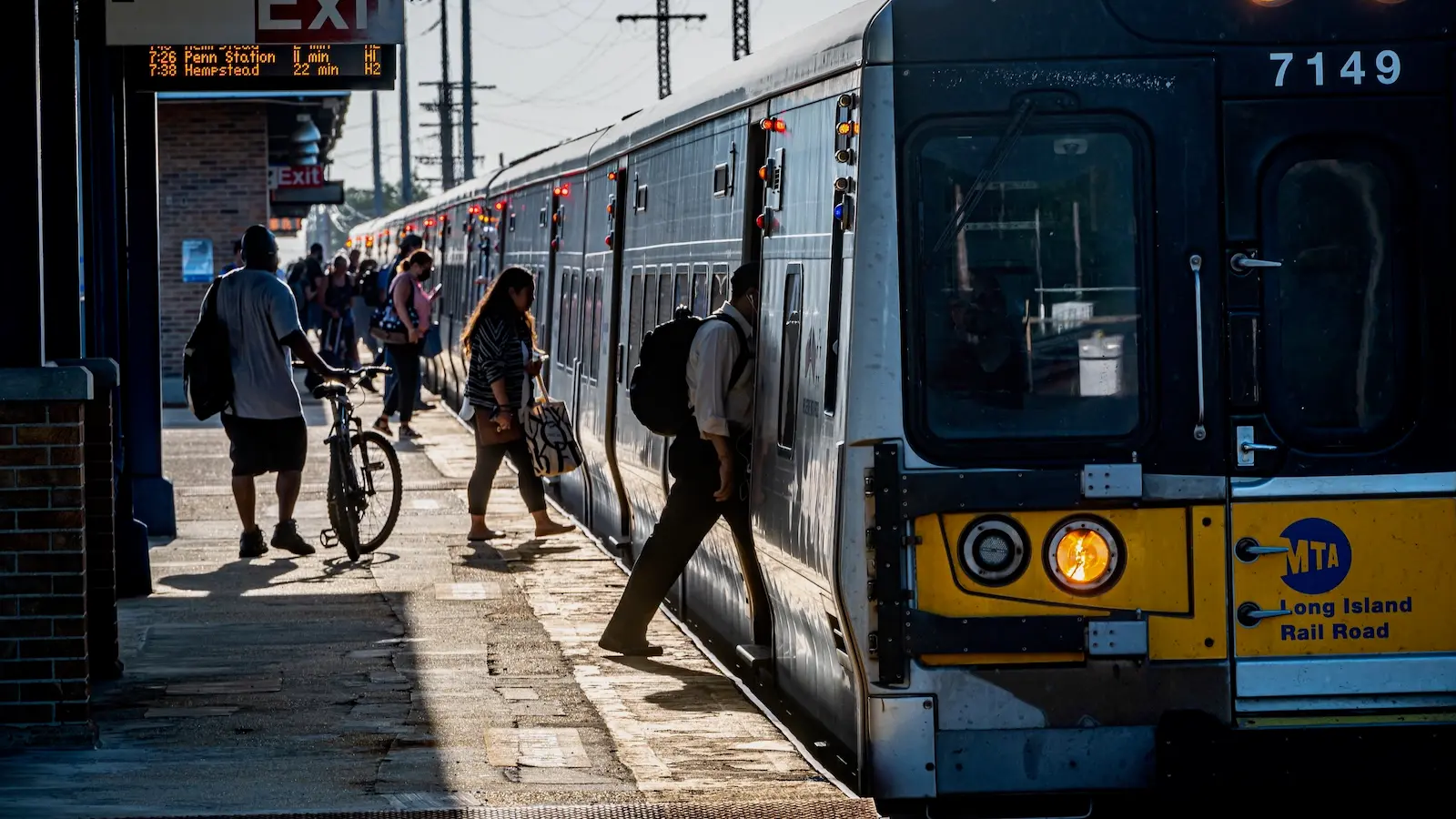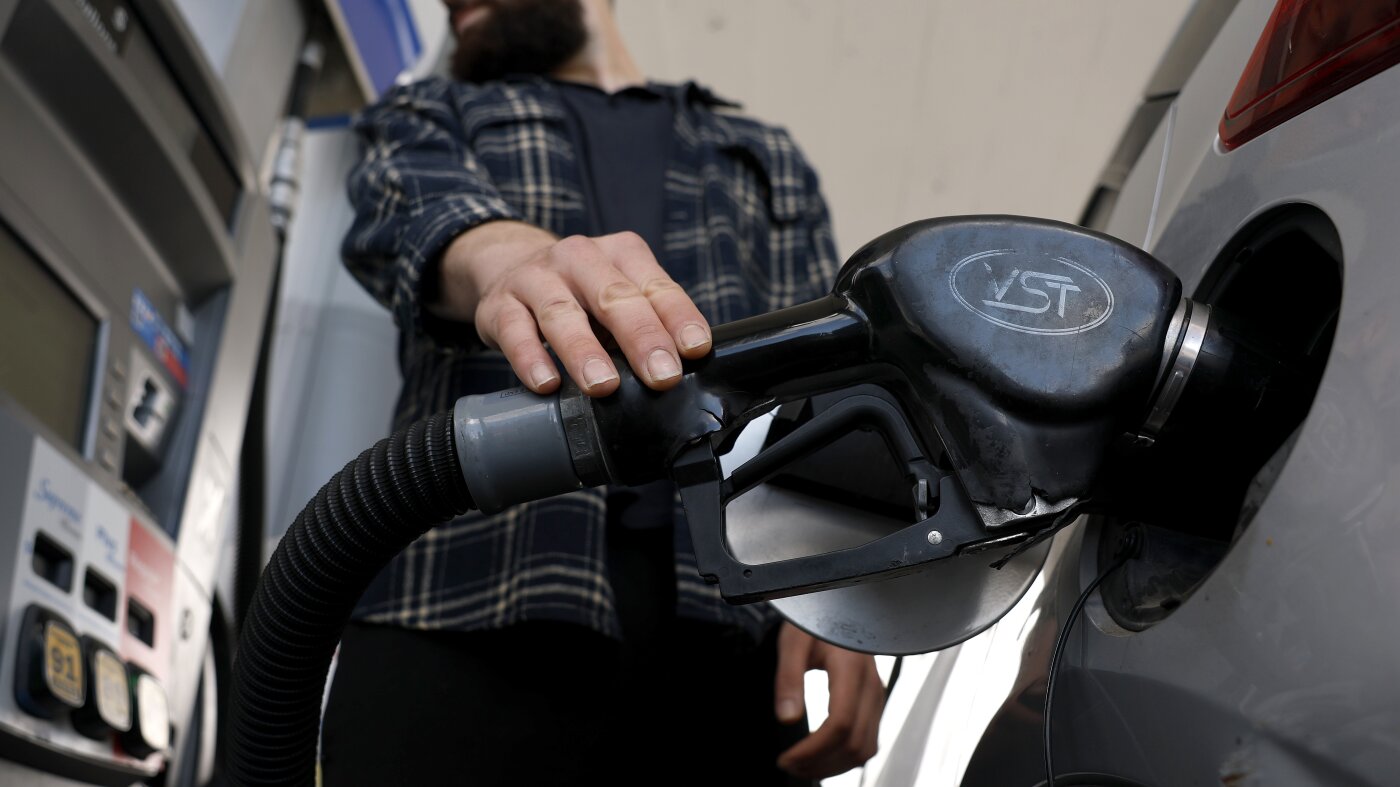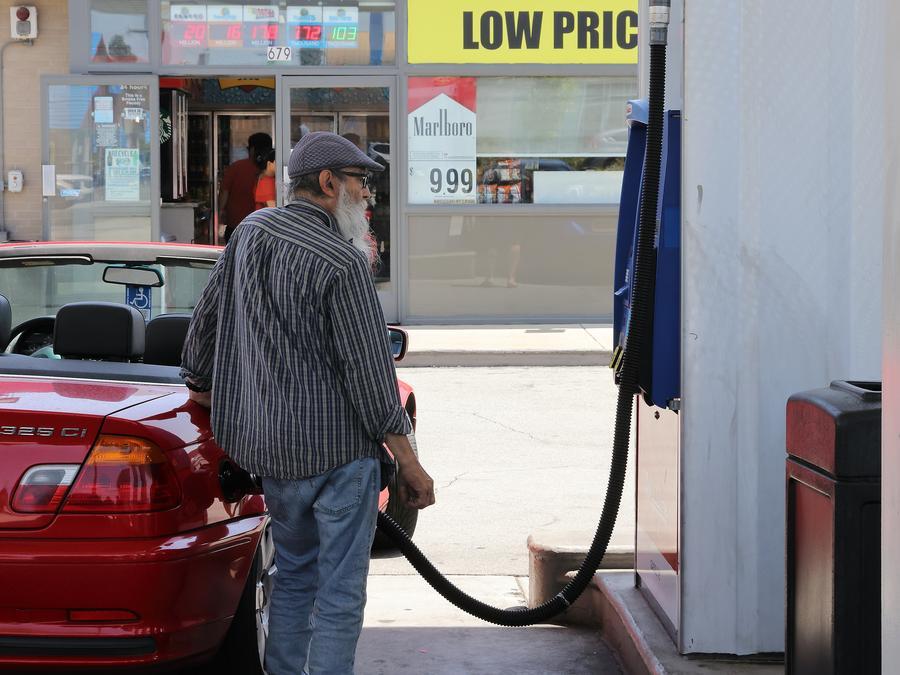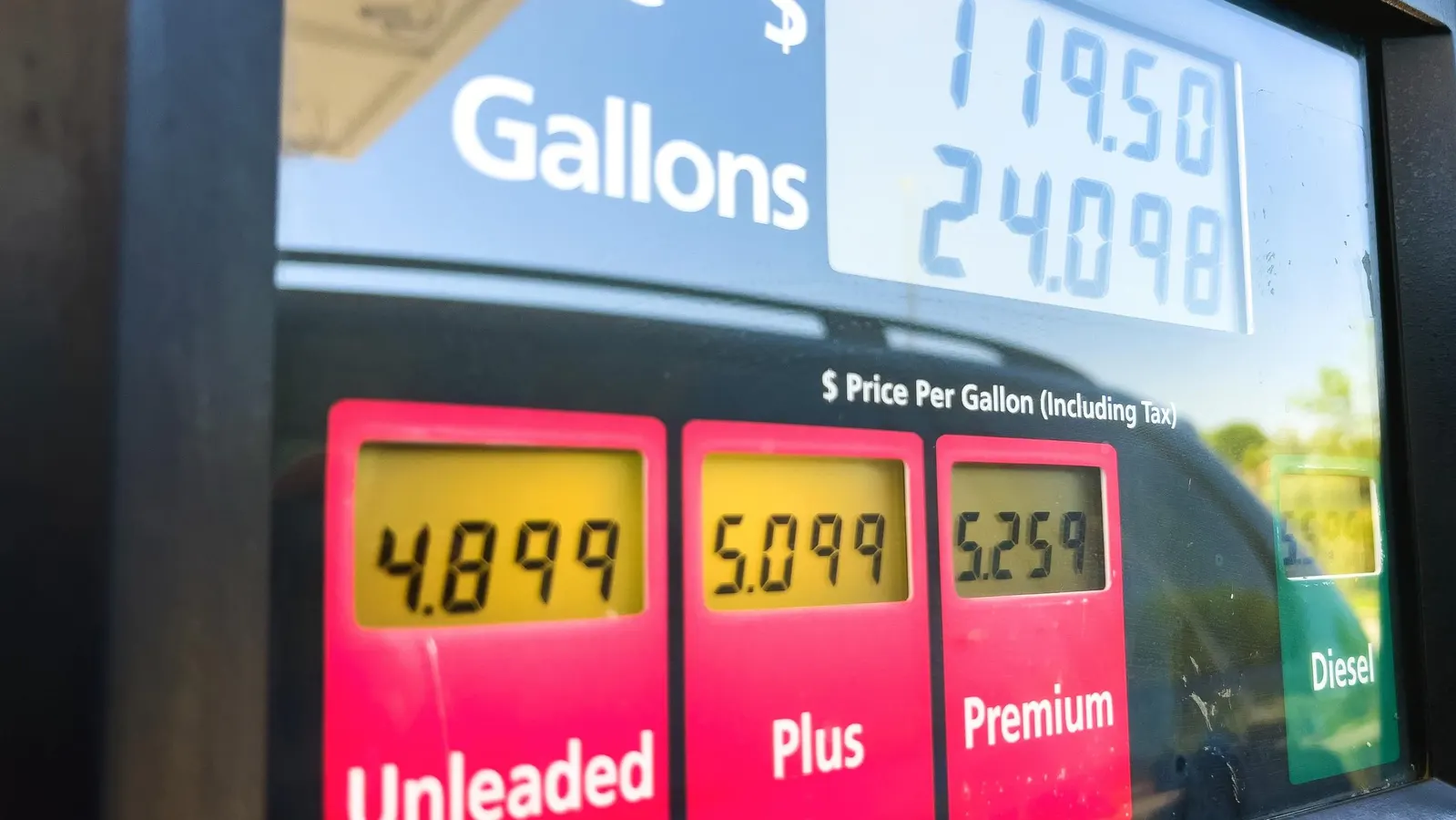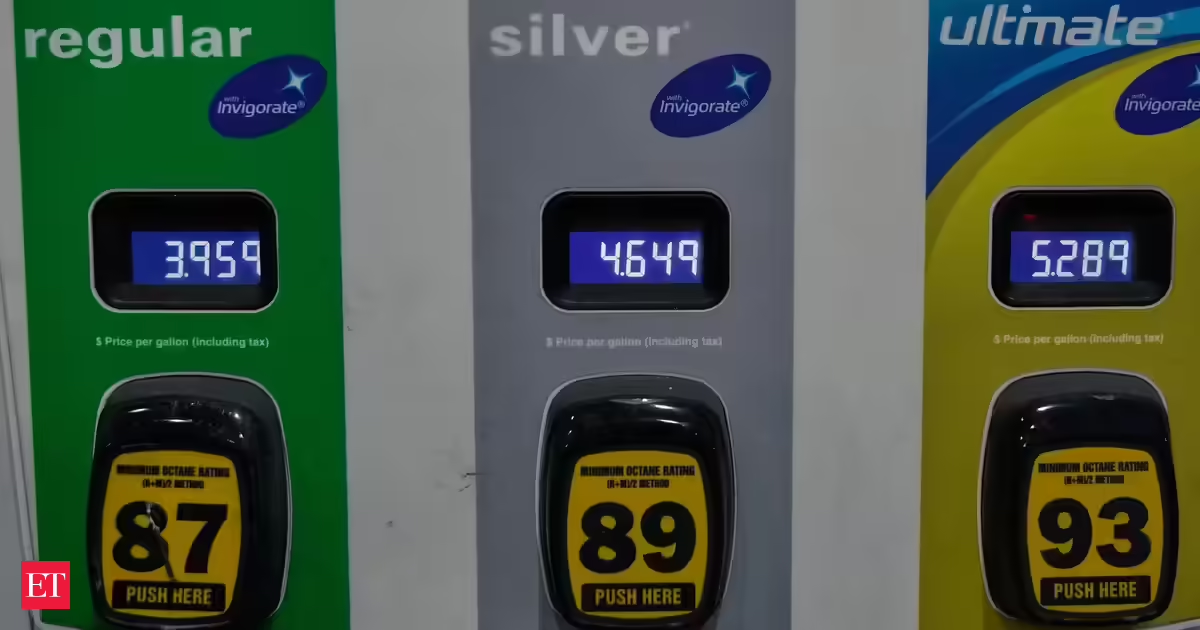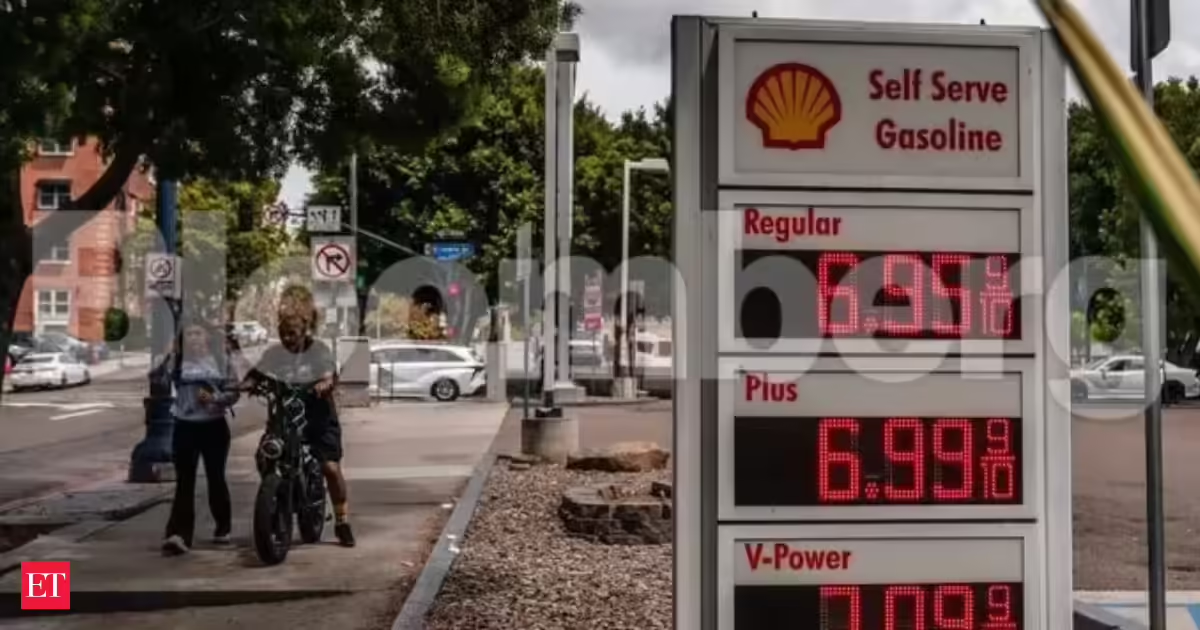
Americans are commuting on the bus and train more and even turning toy cars into two-gallon cars to use for supermarket runs as the highest gasoline prices in four years are changing consumer behavior.With prices soaring to $95 to fill the tank of a Toyota Highlander, drivers are improvising with small toy cars or using public transportation in cities and for commuting, Reuters reports.While the surge in gasoline prices globally has spurred electric vehicle (EV) sales in Europe and Asia, the United States public is less inclined to buy an electric car, due to the lack of tax credits that the Trump Administration ended in September 2025. Still, U.S. drivers are increasingly considering EVs, but actual decisions and adoption is not as high in many other countries where gasoline prices have also spiked as a result of the Iran war.“Today's rising gas prices may frustrate consumers, but their impact on EV adoption, at least so far, is subtle — nudging behavior gradually rather than triggering an immediate surge,” car search website Edmunds said in April.Related: IEA: Oil Shock Sparks Surge in EV Sales“Frustration at the pump alone won't sell electric vehicles — adoption depends on whether consumers are ready, not just resentful.”Two and a half months after the Iran war crippled oil and fuel supply from the Middle East, Americans have already paid $45 billion more on gasoline and diesel than they did at the same time last year, the Wall Street Journal has estimated, based on an analysis of OPIS pricing data and U.S. fuel demand figures.The Watson School of International and Public Affairs at Brown University published a report on Sunday, estimating that the extra fuel costs to U.S. consumers have topped $40 billion, or more than $300 per household, since the start of the war.“Overall, the higher prices resulting from this conflict increase the everyday costs of Americans. This data shows that energy price shocks function as an economy-wide, unacknowledged tax on households, with costs comparable to large federal programs and policies,” the authors of the report wrote.Americans were about to spend on Tuesday about $590 million more on gasoline alone versus the pre-war price, Patrick De Haan, Head of Petroleum Analysis at GasBuddy, has estimated.Cumulatively, for the 80 days the Strait of Hormuz has been closed, Americans have now spent about $33 billion more on gasoline alone, according to De Haan.The average U.S. gasoline price has topped $4.50 per barrel, drivers face the highest prices at the pump for Memorial Day since 2022, and if the Strait of Hormuz remains closed for more weeks, the U.S. average gasoline price could hit $5 per barrel within weeks.“If the Strait doesn't re-open soon, I believe we could see the national average price of gasoline reaching $5/gal as early as sometime in June,” GasBuddy’s De Haan said last week.Respondents in an ABC News/Washington Post/Ipsos poll at the end of April said they are changing their behaviors because of higher gas prices.Over 4 in 10, or 44%, have cut back on driving, while 42% have cut other household expenses because of high gas prices. Fewer, 34%, say they have changed travel or vacation plans, while 15% have considered buying an electric vehicle, the poll showed.Separately, the GasBuddy 2026 Summer Travel Survey shows 67.4% of Americans are saying high gasoline prices are impacting their summer travel plans.“With global oil inventories continuing to trend toward historically tight levels, markets remain extremely sensitive to geopolitical developments and potential supply disruptions,” GasBuddy said earlier this week.“As a result, gasoline and diesel prices are likely to remain volatile, and with Memorial Day approaching, any sustained increase in oil prices could begin pushing retail fuel prices higher again in the weeks ahead.”By Charles Kennedy for Oilprice.comMore Top Reads From Oilprice.comIndonesia Tightens Grip on Key Commodity ExportsThree Supertankers Carrying 6 Million Barrels Exit Strait of HormuzUK Eases Some Russian Oil Sanctions as Fuel Prices Soar
Americans Rethink Driving as Fuel Costs Keep Climbing | OilPrice.com
Record-high U.S. gasoline prices are changing consumer behavior, with more Americans using public transit, cutting driving, and reducing household spending.
648 words~3 min read