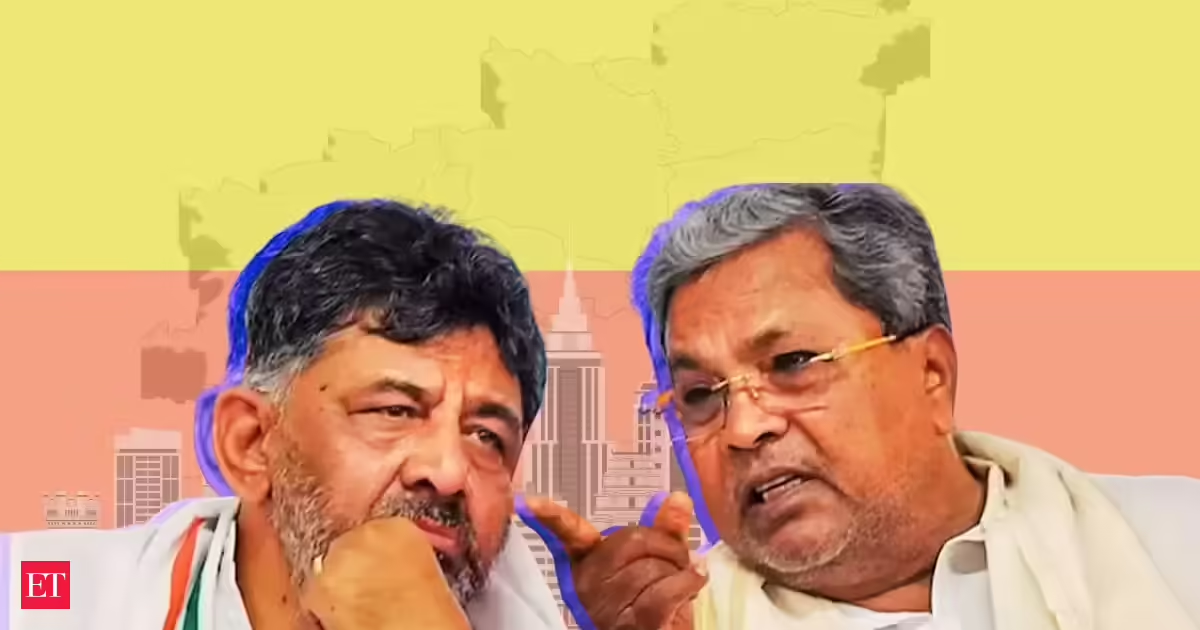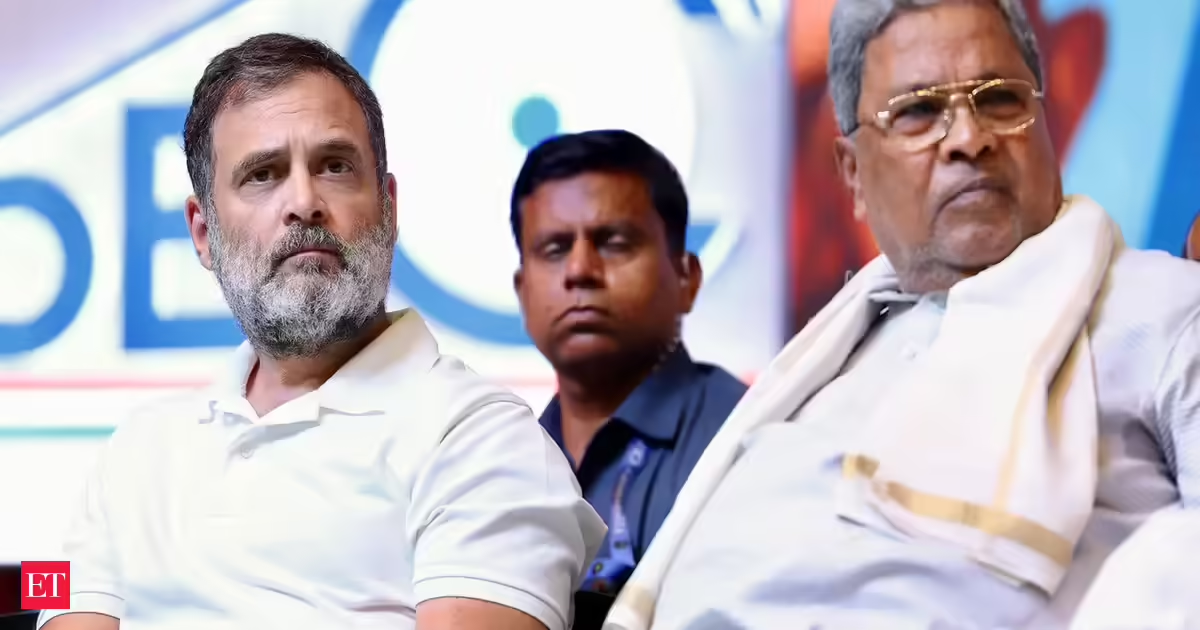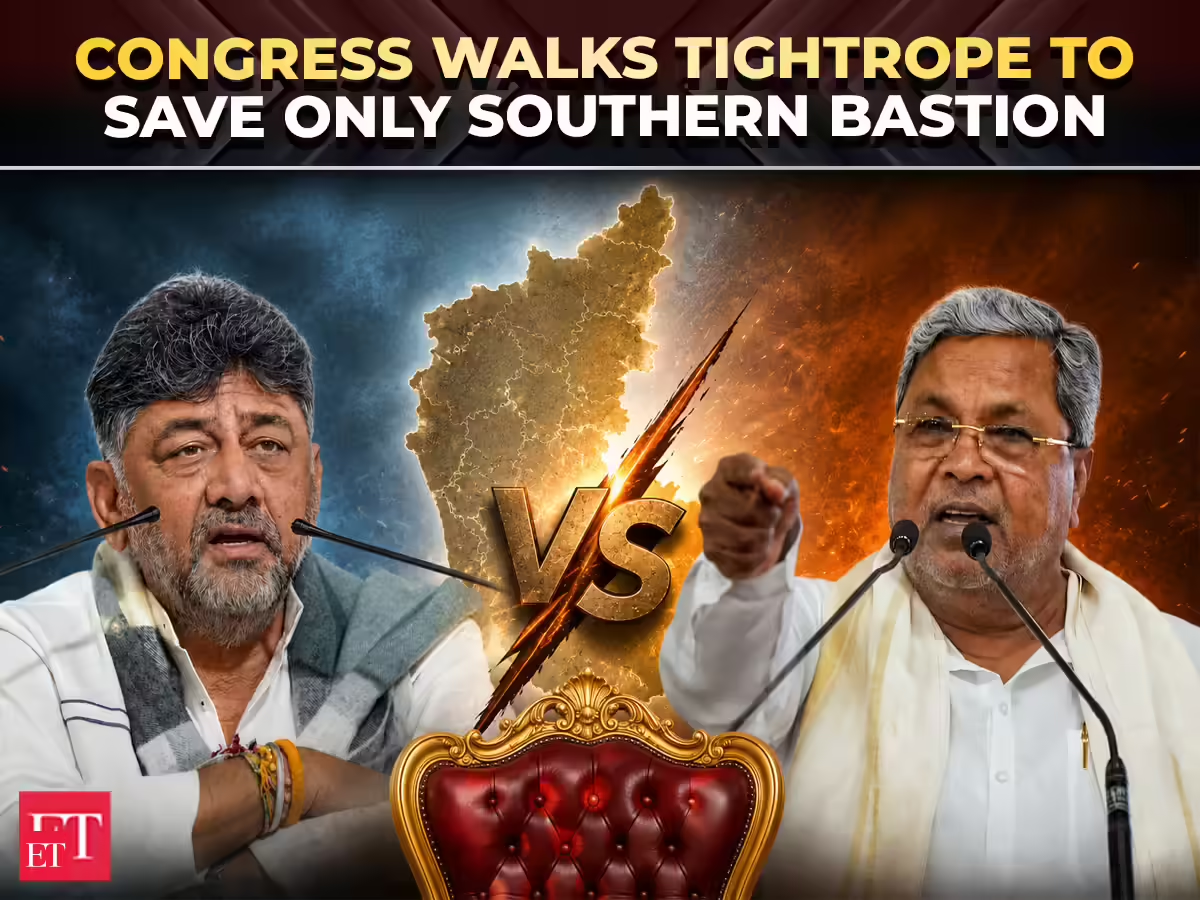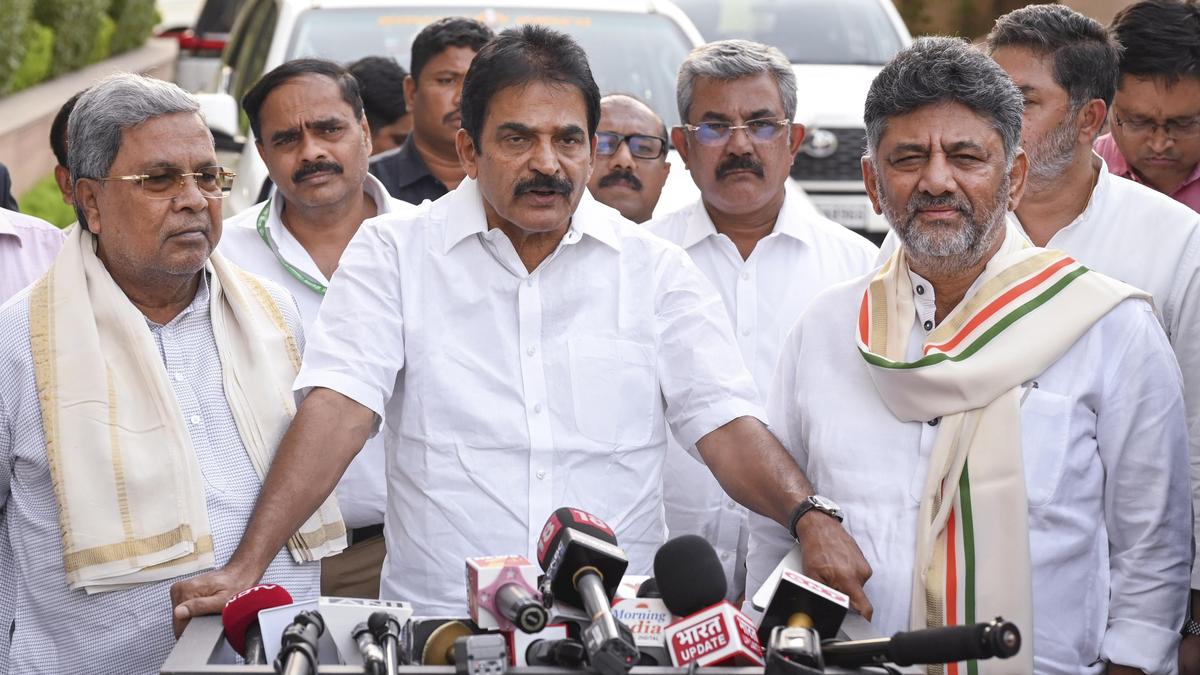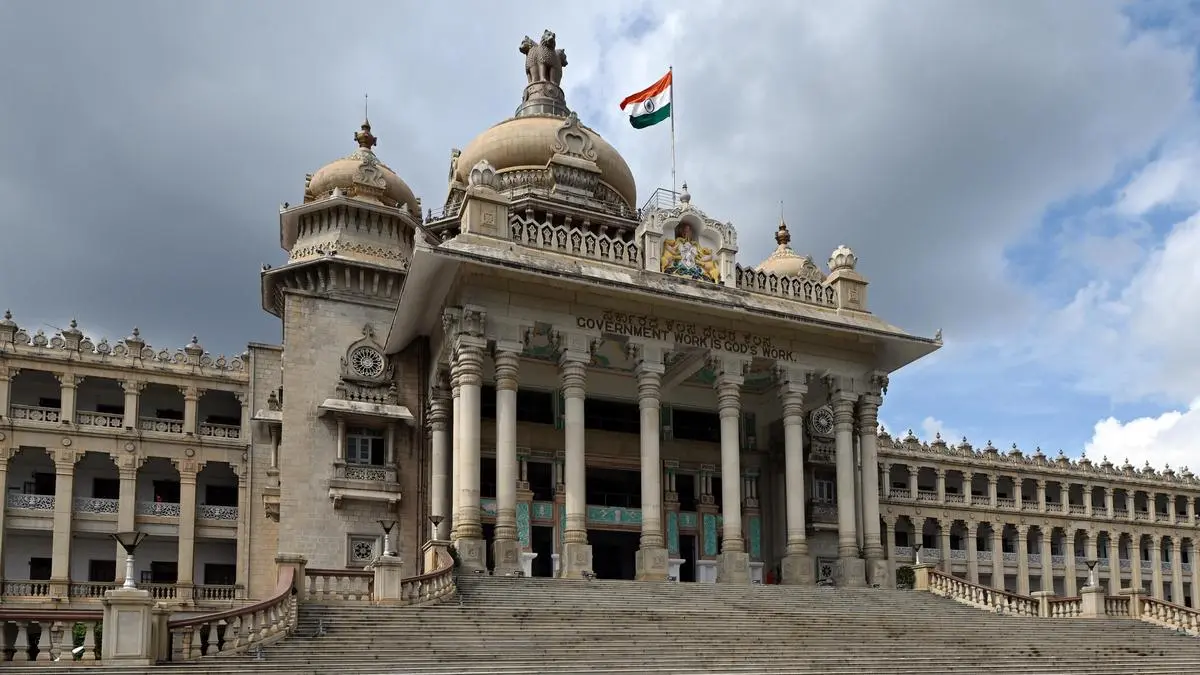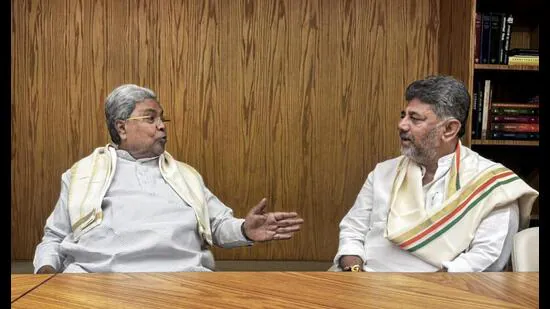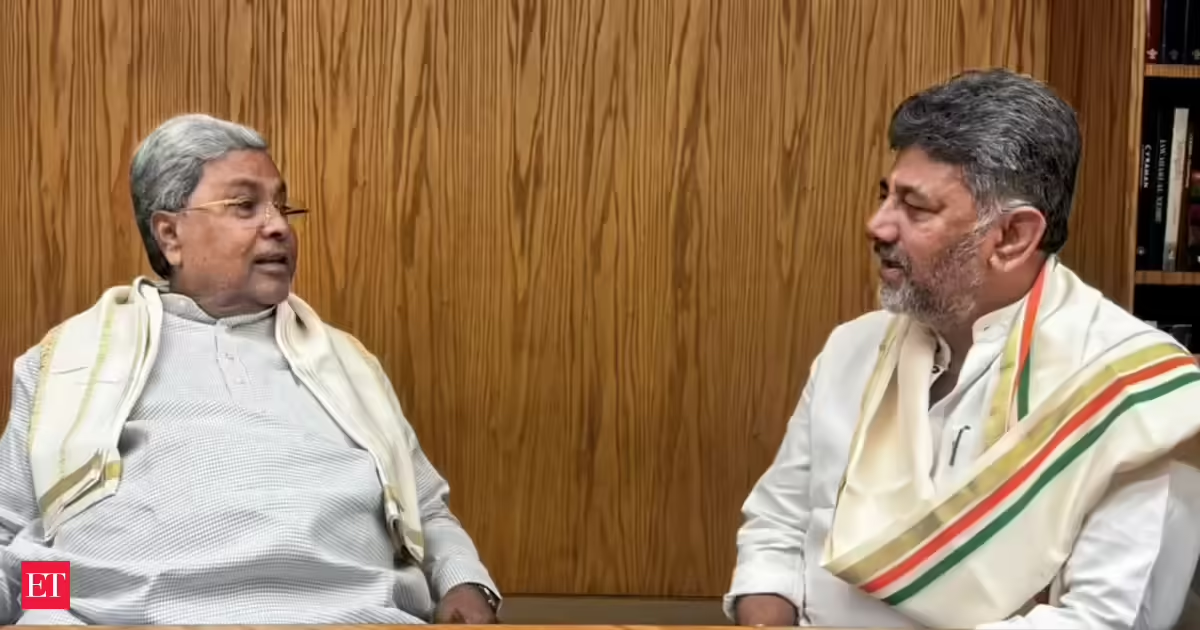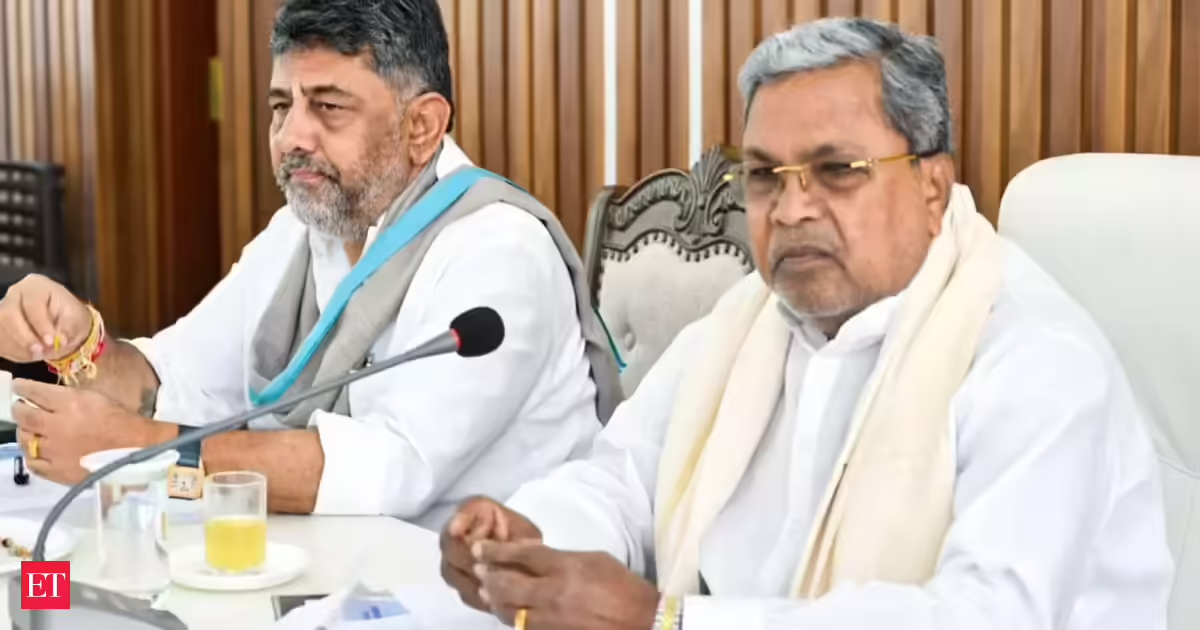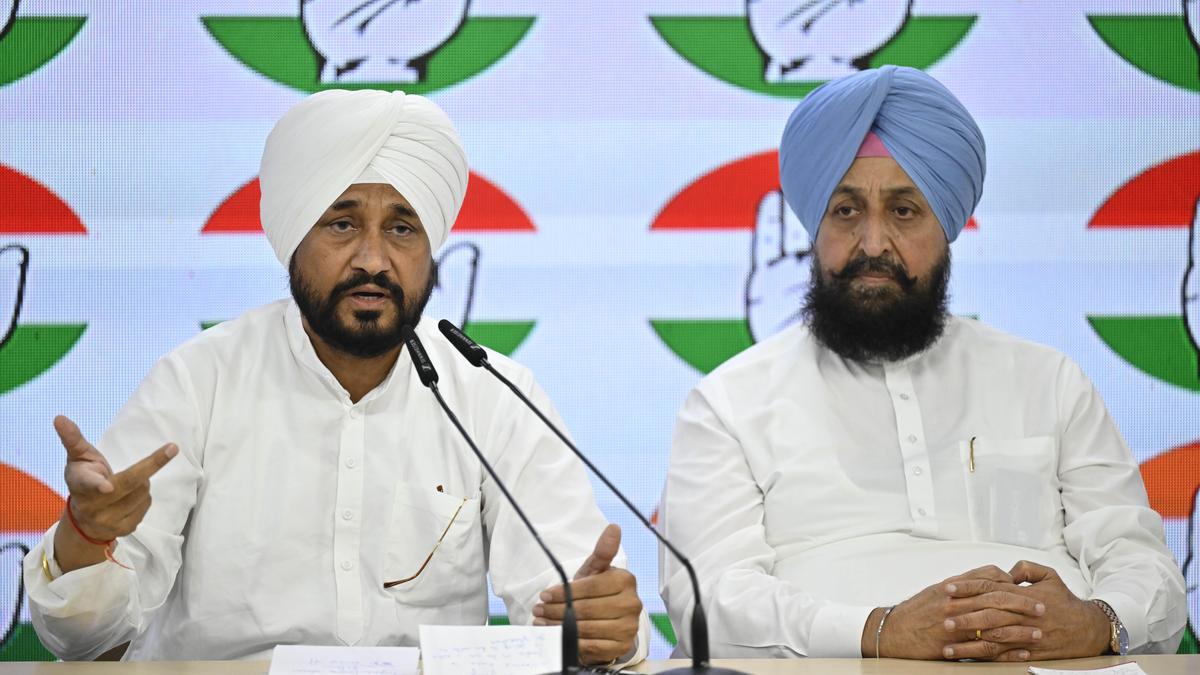
The transition of leadership in Karnataka may have ended months of uncertainty in the State, but it has once again put the spotlight on a problem the Congress has struggled to resolve: managing competing chief ministerial claimants.The Karnataka decision could also send a message to leaders in other States that the party leadership now has the appetite to take difficult calls to contain factional rivalries and settle leadership disputes.In Punjab and Uttarakhand, which go to the polls next year, internal rivalries are already spilling out into the open. In Punjab, a three-cornered contest has emerged among Leader of Opposition (LoP) Partap Singh Bajwa, State Congress chief Amrinder Raja Warring and former Chief Minister Charanjit Singh Channi.A similar situation prevails in Uttarakhand, where the LoP in the Assembly, Pritam Singh, the State unit chief, Ganesh Godiyal, and former Chief Minister, Harish Rawat, are locked in a three-cornered contest.Contesting under collective leadershipLeadership tussles often emerge in States whenever leaders sense electoral opportunity, but the Congress’ stated position has been to contest elections under collective leadership. It may well be a strategy to avoid internal sabotage by factions that lose out in the race. And on the few occasions when the party announced a Chief Ministerial face, the results have not always been favourable — as in Punjab in 2012, when Captain Amarinder Singh was named the Chief Ministerial candidate, and more recently in Assam, where Gaurav Gogoi was projected as the party’s face.Even as Indian elections increasingly acquire a presidential style, with campaigns centred around individual leaders, the Congress chooses to frame the leadership question as one to be decided by newly elected legislators.The Kerala caseIn practice, however, the post-poll script is often different. The 10-day uncertainty over the choice of Chief Minister in Kerala is a case in point.By most accounts, a majority of MLAs were believed to have backed K.C. Venugopal, Lok Sabha member and general secretary (organisation) of the All India Congress Committee (AICC), even though he had not contested the Assembly election.At the same time, an equally strong narrative around public sentiment favouring V.D. Satheesan, now Kerala Chief Minister, also emerged, prompting newly elected legislators to adopt a one-line resolution authorising the high command to decide the leadership question.The one-line resolution has been the Congress’ preferred route in most cases, even though the ability of the central leadership to impose its choice on States is now on the wane.2018: Factionalism in three StatesThe 2018 Assembly elections in Madhya Pradesh, Chhattisgarh and Rajasthan illustrated the problem.In Madhya Pradesh, the choice was between State Congress chief Kamal Nath and campaign strategist Jyotiraditya Scindia; in Rajasthan, between veteran Ashok Gehlot and State chief Sachin Pilot; and in Chhattisgarh, between State chief Bhupesh Baghel and campaign committee head T.S. Singhdeo.On December 13, 2018, the day Mr. Nath was named Chief Minister, Mr. Gandhi quoted Leo Tolstoy: “The two most powerful warriors are patience and time.” But the approach did not sit well with Mr. Scindia, who later quit the party, forcing the collapse of the Kamal Nath government within 15 months.In Chhattisgarh, a two-and-a-half-year rotational formula was discussed, though never made public. Despite prolonged talks, the high command failed to persuade Mr. Baghel to step down and he completed a full term, citing majority support among MLAs. But the factionalism hurt the party and contributed to its defeat in the 2023 Assembly elections.In Rajasthan, Mr. Pilot’s failed rebellion against Mr. Gehlot led to his isolation, with factionalism once again costing the Congress politically.Against this backdrop, Congress president Mallikarjun Kharge and Mr. Gandhi’s success in persuading Mr. Siddaramaiah to step down may now provide the party a template to handle similar leadership disputes.
After Karnataka, Congress signals it has the appetite to settle Chief Ministerial feuds
Congress's Karnataka leadership change may guide the party in resolving future chief ministerial disputes amid internal rivalries.
610 words~3 min read