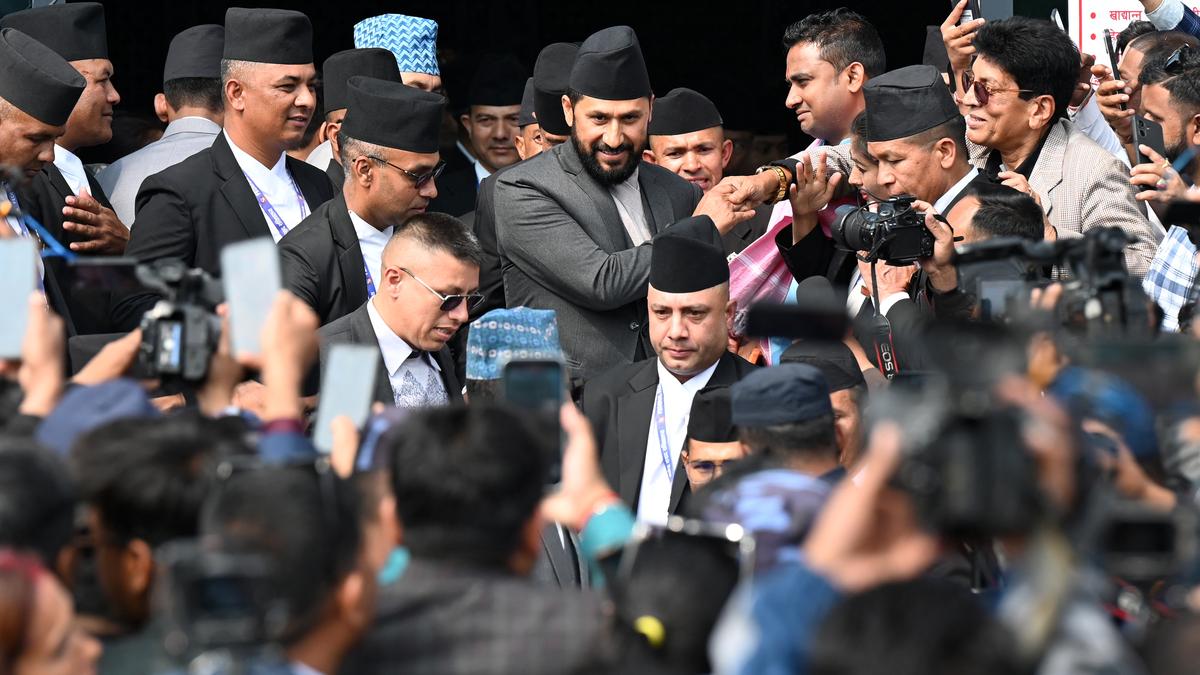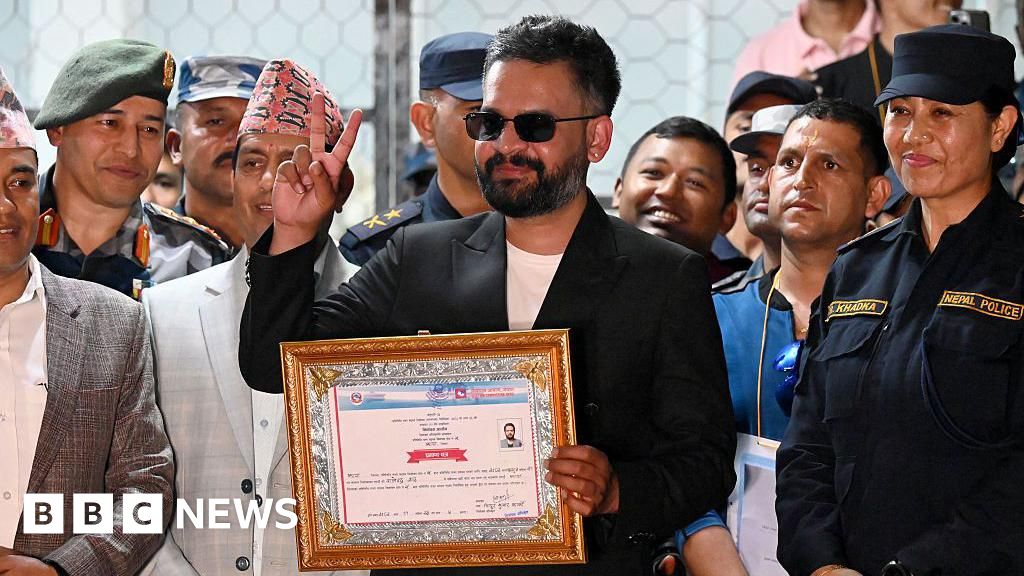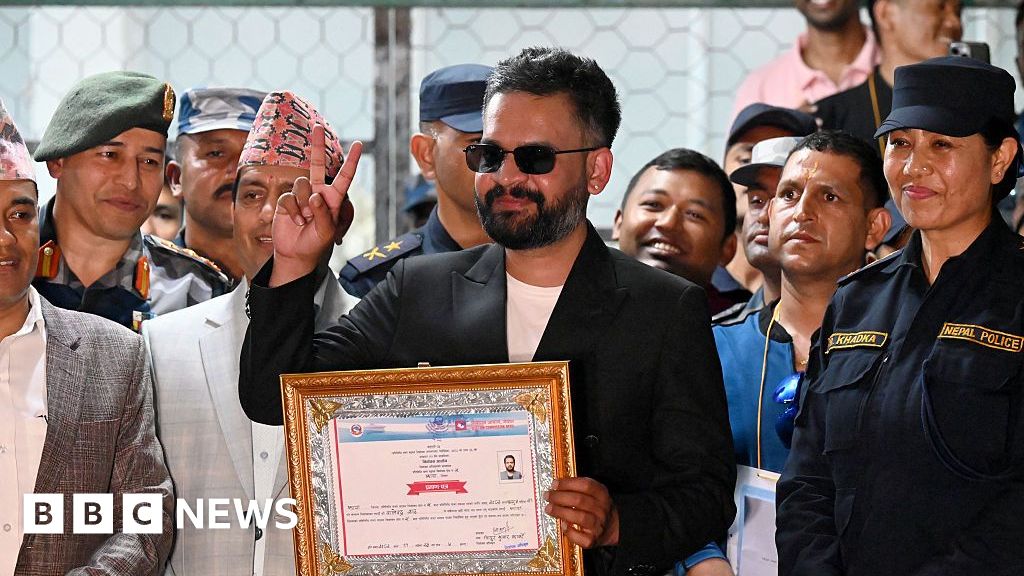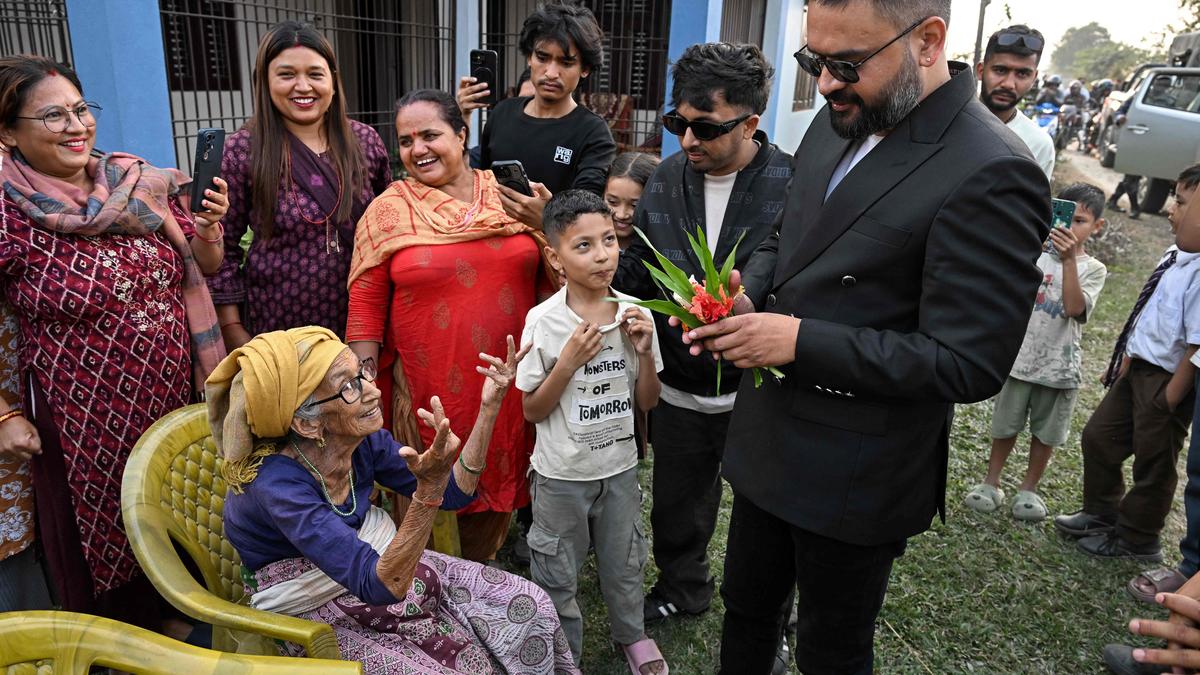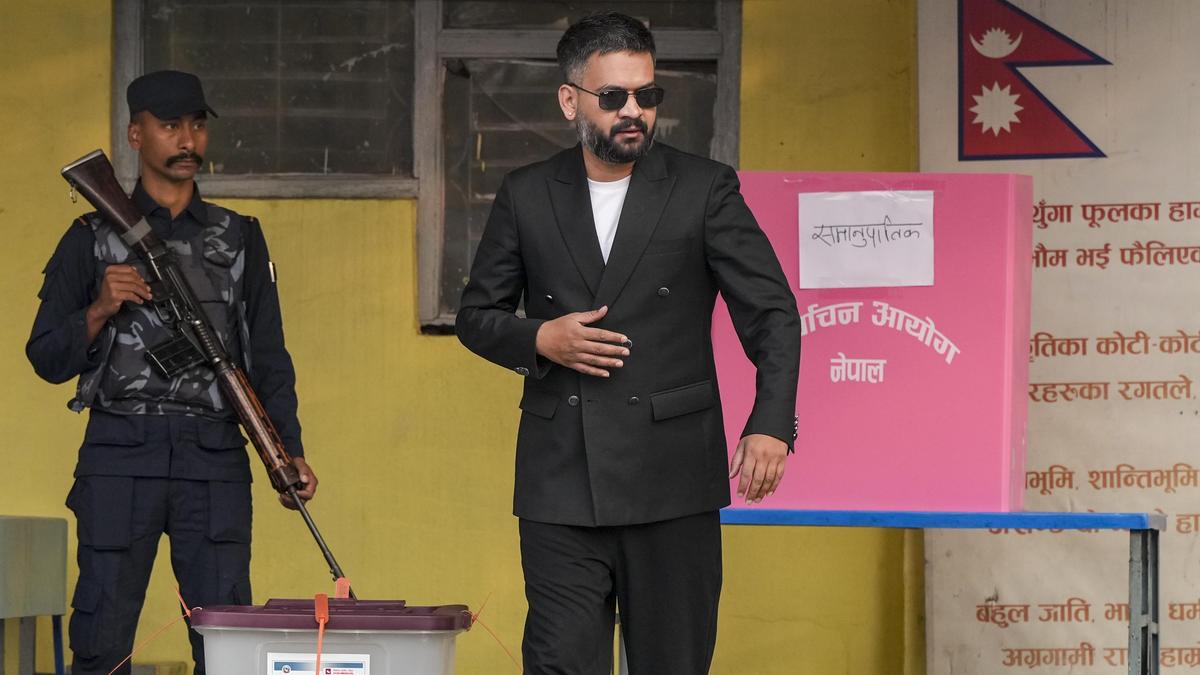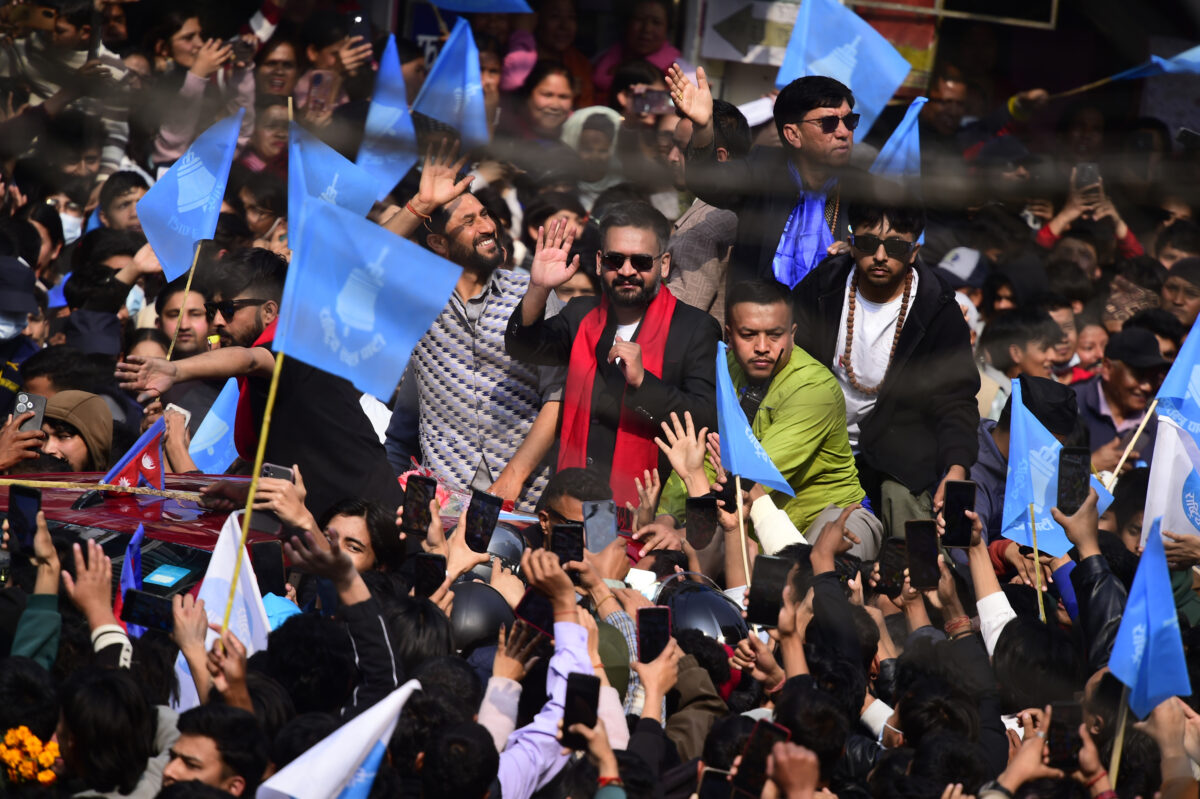
In March 2026, Nepal’s reformist Rastriya Swatantra Party (RSP) secured a historic majority in the general election, forming a new government under Prime Minister Balendra Shah. Coming to power just six months after Gen Z-led protests toppled the previous government, the RSP has acted quickly to arrest Nepal’s former leaders and issuing a roadmap for sweeping political reforms. The longstanding dominance of Nepal’s major political parties appears to have ended for good.
While the deadly response to the September 2025 Gen Z protests served as the immediate catalyst, the structural conditions for this historic political shift had been maturing for years as the old guard deteriorated from within. Nepal’s traditional parties have turned into a gerontocracy where the top leadership prefer to make decisions arbitrarily rather than through collective structures. Leadership and patronage networks have entrenched a system that protects corrupt officials, offers candidacies to convicted criminals through legal loopholes and abuses the proportional representation system to install spouses and cronies.
High-profile cases like the Lalita Niwas landgrab, the Giri Bandhu Tea Estate scandals and the fake Bhutanese refugee scheme highlight systemic corruption involving largescale abuse of state authority through illegal land transfers or forged government documents. The previous government consistently prevented Nepal’s Commission for the Investigation of Abuse of Authority from investigating Cabinet decisions. Without an effective opposition, they not only stifled checks and balances but also influenced the legal system in their favour.