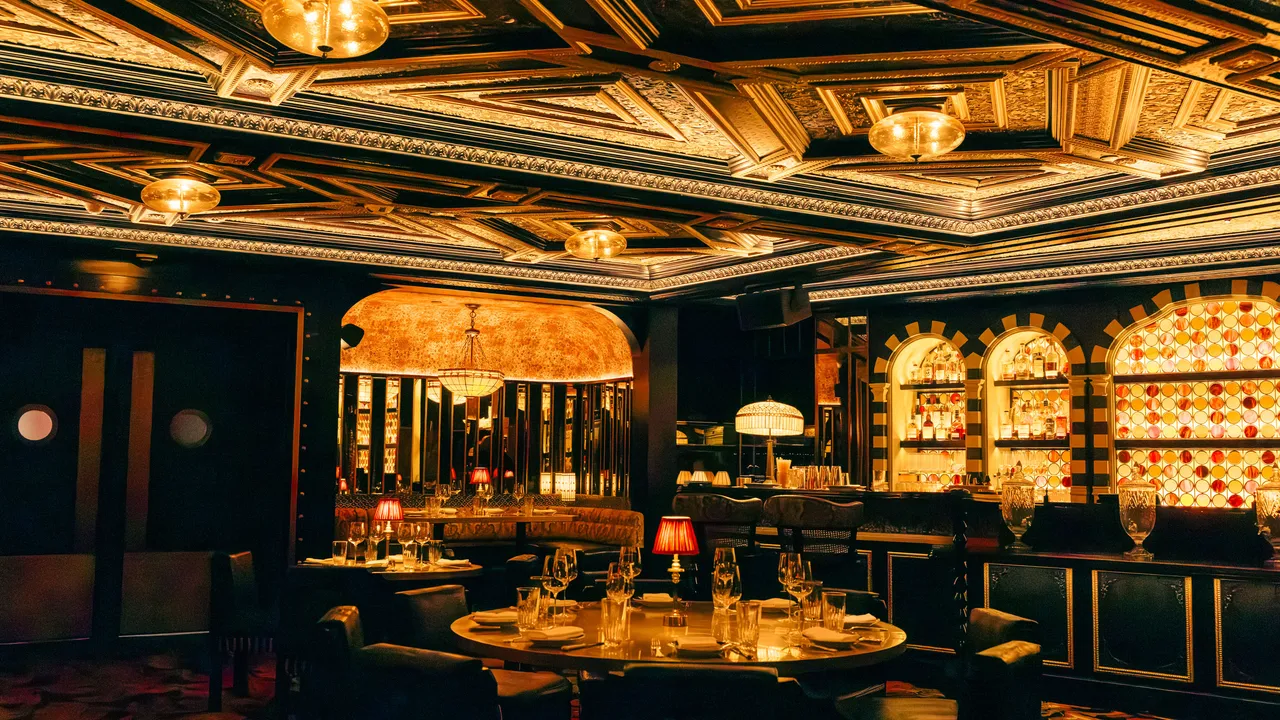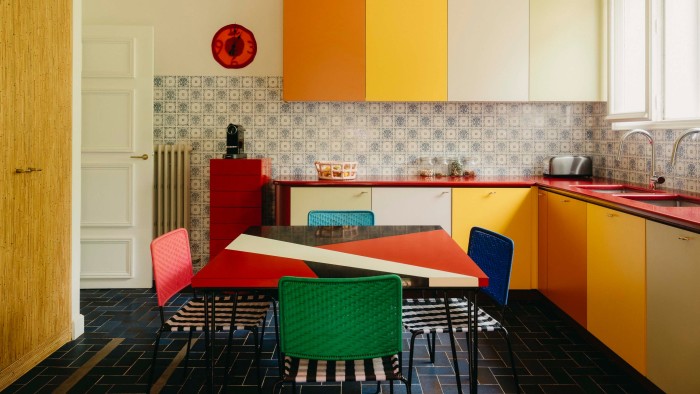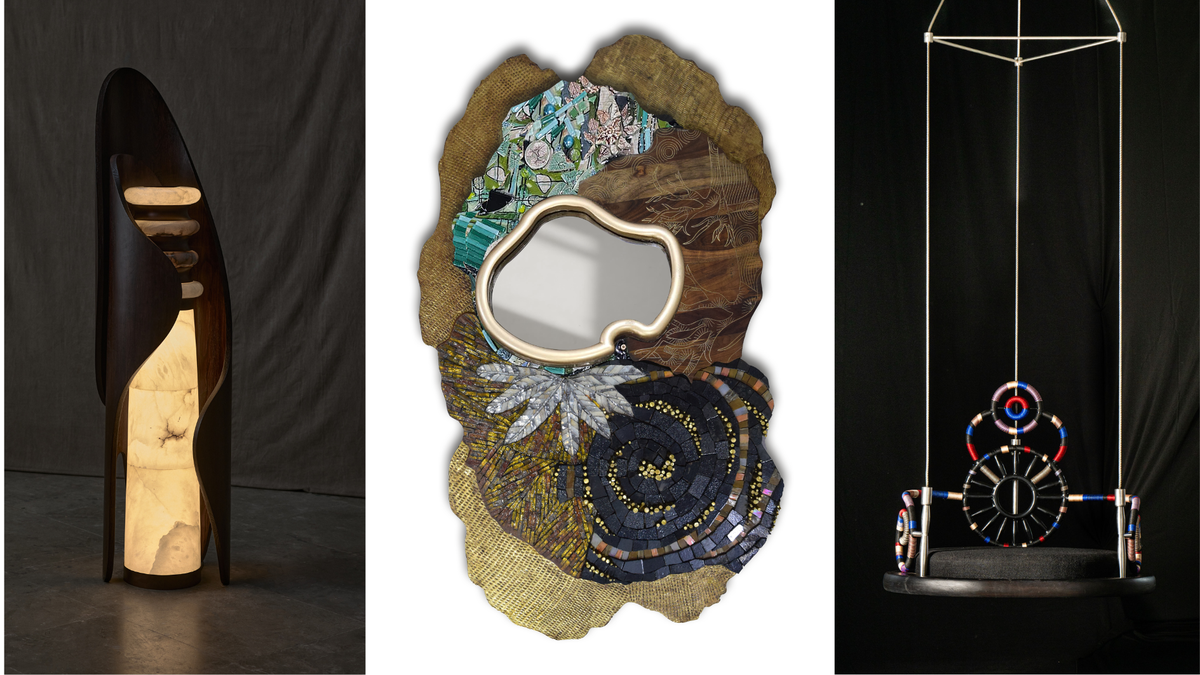
Across from Rockefeller Center in Manhattan, in an 8,000 sq. ft. temporary gallery in New York, House of Santal is staging an argument. Its inaugural presentation, named simply Edition 1, brings together 13 Indian designers and studios working at the intersection of legacy craft and contemporary form — showcasing rugs, tables, chairs, wall installations and swings.Founded by Bengaluru-born, New York-based designer and curator Raksha Sanikam, House of Santal proposes itself as a living catalogue: of process, collaboration, authorship, and circulation. It is a site where South Asian craftsmanship enters the global collectible design market on authorial terms. “To rub shoulders with the best, you have to present yourself as the best,” says Sanikam, of her decision to launch in one of the most expensive art and design markets in the world. The space is secured for eight months. Long enough to create visibility. Short enough to signal that this is a test.
New York-based designer and curator Raksha Sanikam
| Photo Credit:
Sam Morrison
Process and provenance are central to House of Santal’s curatorial language. In a field where South Asian craft has often circulated as anonymous labour or decorative excess, this emphasis is deliberate. It was important, Sanikam underlines, to create a space where Indian designers and makers are seen not as regional craft, but as part of the global contemporary design dialogue.The name itself gestures towards material history. Santal derives from santalum, or sandalwood, a precious, slow-growing material associated with ritual and value in South Asia.