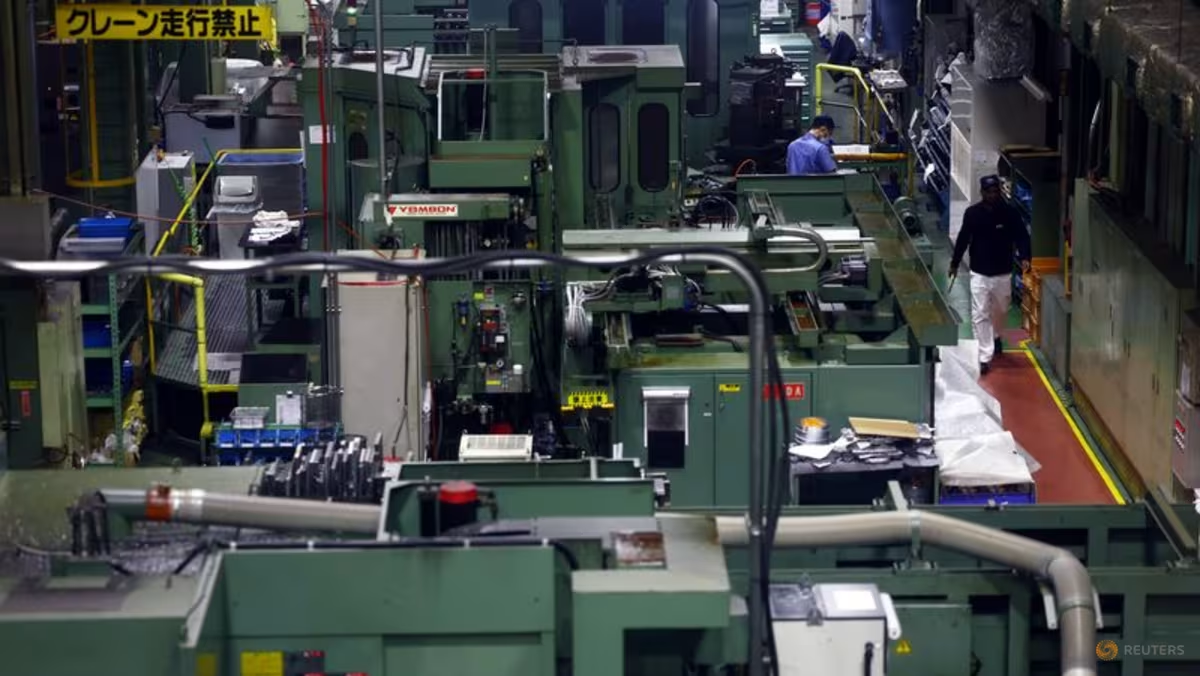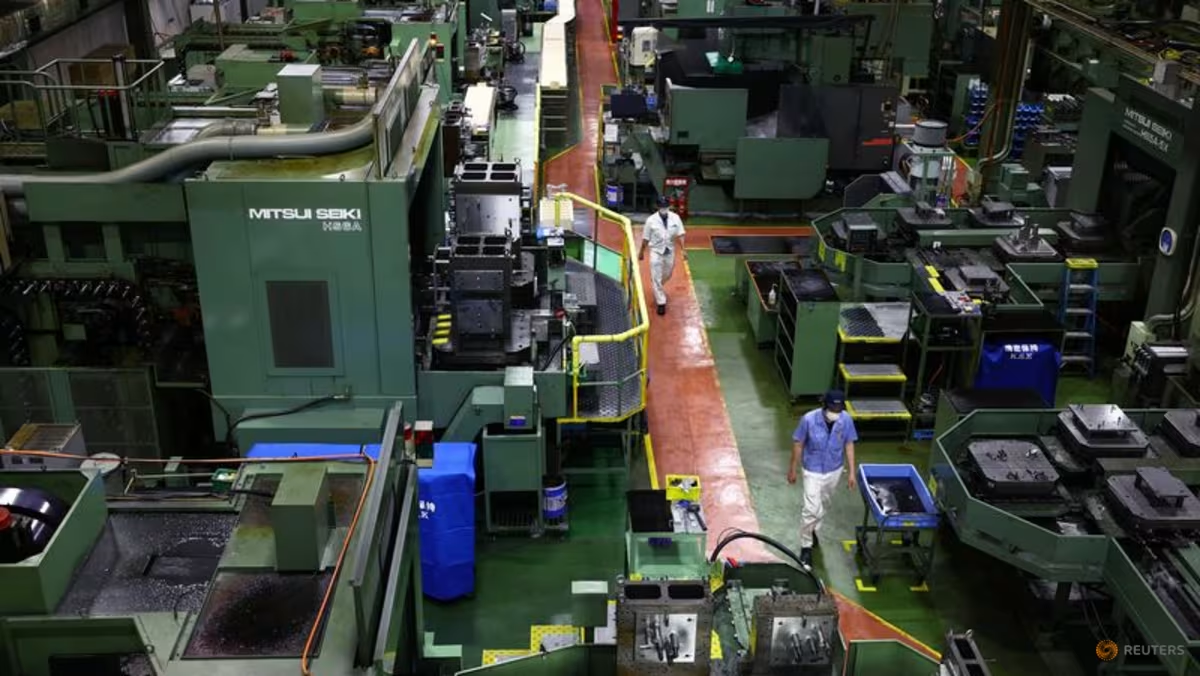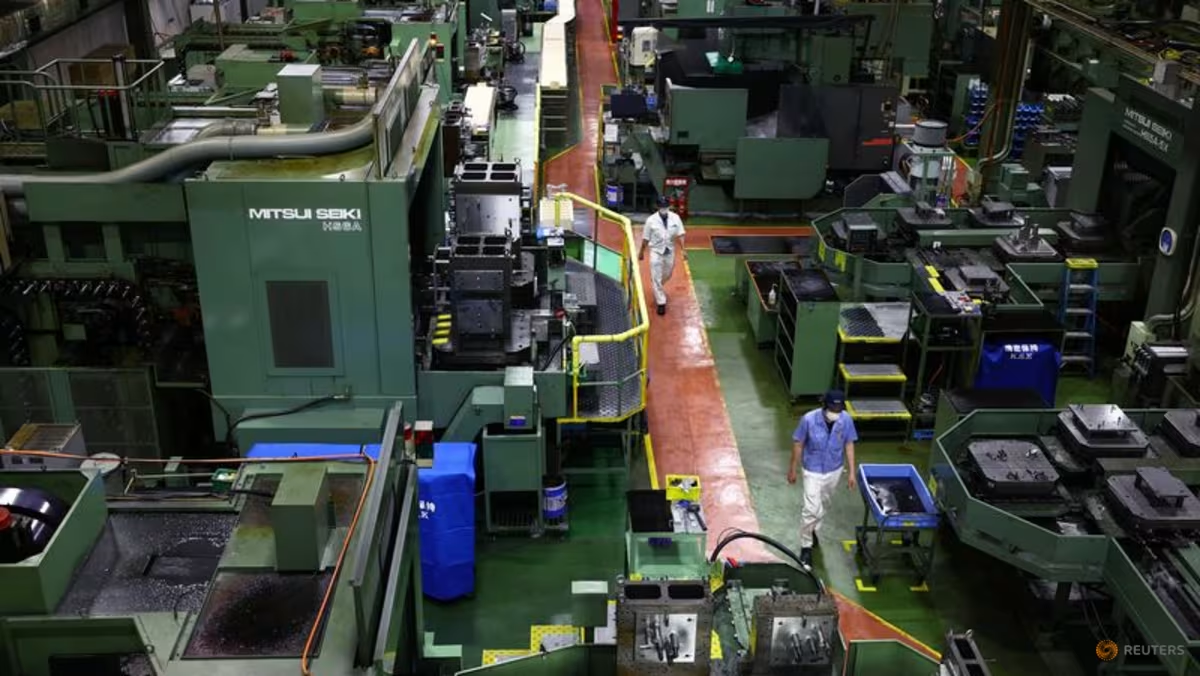
Tokyo, May 29 (Jiji Press)--Japan's industrial production in April grew 0.8 pct from the previous month, the first rise in three months, thanks to strong output of general-purpose and business machinery, preliminary industry ministry data showed Friday. The seasonally adjusted production index for the manufacturing and mining sectors stood at 102.8 against the 2020 base of 100. The ministry kept its basic assessment unchanged, saying that industrial production is fluctuating "indecisively." Eight of the 15 surveyed sectors logged weaker production, with the automobile sector posting a 2.4 pct drop due to stagnant exports to the Middle East amid turmoil in the region. The inorganic and organic chemicals sector saw a 1.8 pct decline, reflecting disruptions in crude oil and naphtha supplies. Meanwhile, output increased in the remaining seven sectors. The general-purpose and business machinery sector gained 5.3 pct, reflecting a 2.1-fold month-on-month jump in the production of conveyors for factories thanks to increased orders. The electric machinery and information and communication equipment sector marked a 3.5 pct rise on brisk semiconductor orders. The shipment index rose for the first time in three months, posting a 1.5 pct gain. Shipments of naphtha plunged 16.2 pct, reflecting regular maintenance work at domestic facilities and supply instability caused by the Middle East turmoil. Inventories shrank 0.2 pct. Production in the manufacturing sector is expected to rise 5.1 pct in May but retreat 0.4 pct in June. END [Copyright The Jiji Press, Ltd.]
Japan April Industrial Output Up 0.8 Pct
Tokyo, May 29 (Jiji Press)--Japan's industrial production in April grew 0.8 pct from the previous month, the first rise in three months, thanks to strong output of general-purpose and business machinery, preliminary industry ministry data showed Friday. The seasonally
TL;DRAI
Japan's industrial output rose 0.8% in April (index 102.8), driven by a 5.3% gain in general-purpose machinery and a 3.5% increase in semiconductor-related equipment, while auto production fell 2.4% on Middle East export weakness. The semiconductor demand signal and the projected 5.1% manufacturing rebound in May suggest upstream supply chain pressure easing — relevant for hardware procurement and capacity planning timelines.
239 words~1 min read