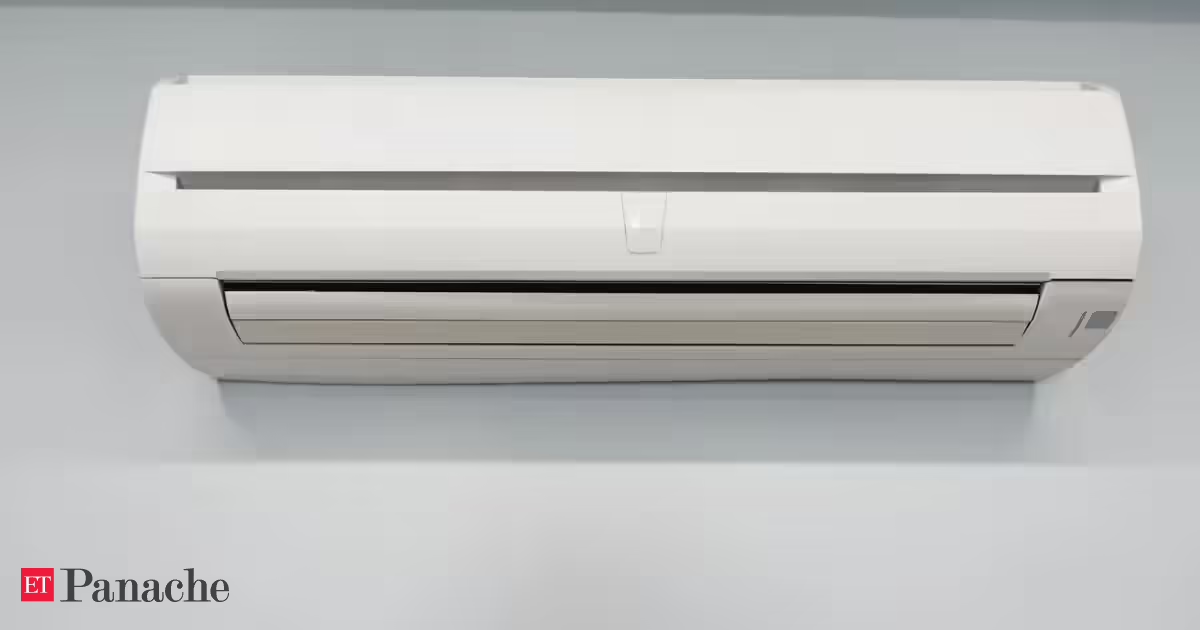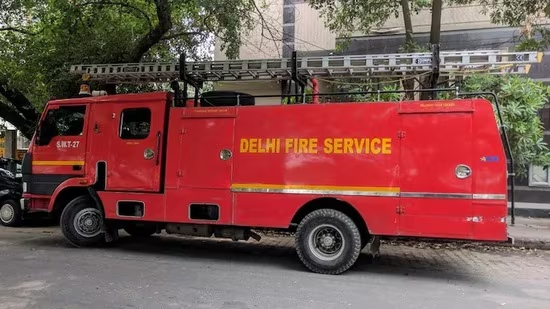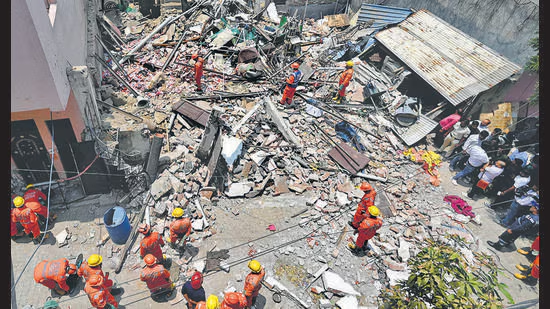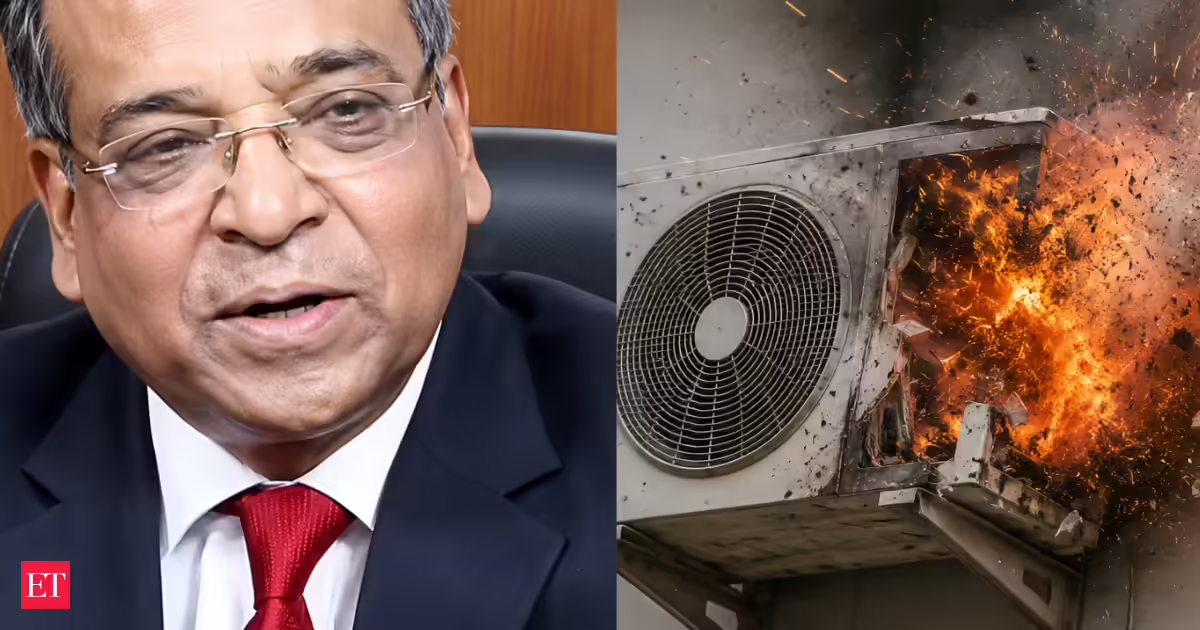
An air conditioner is meant to bring comfort during extreme heat, especially in Indian summers. But recent incidents in Delhi-NCR and other cities have raised serious concerns about AC safety. In a tragic incident in south Delhi’s Hauz Khas Enclave, retired IAS officer Dhanendra Kumar lost his life after a fire reportedly broke out following an AC blast inside his home. Dhanender Kumar, who earlier served as India’s executive director at the World Bank, died after a fire broke out at his residence in south Delhi’s Hauz Khas area.Police said a PCR call about the blaze was received at Hauz Khas police station around 11.18 pm on May 27. Firefighters and police teams rushed to the spot, and the fire was brought under control with the help of two fire tenders.Two people were taken to the hospital following the incident. Kumar later succumbed to smoke inhalation while undergoing treatment at the AIIMS Trauma Centre. His son, who was also injured, is currently under treatment and is said to be out of danger.According to the preliminary probe, the fire is suspected to have started after a blast in the indoor unit of an air conditioner. Officials said five people, including family members and domestic staff, were inside the house when the incident took place.While air conditioner explosions are rare, they can become deadly when they happen. Experts and forensic studies suggest that compressor failure, refrigerant leaks, electrical faults and unsafe servicing practices are among the biggest reasons why air conditioners explode. Understanding these causes can help homeowners prevent such disasters and keep their families safe.Why do air conditioners explode?The most common reason air conditioners explode is excessive pressure inside the compressor. The compressor is one of the most important parts of an AC unit because it controls refrigerant circulation and cooling. When pressure builds up beyond safe levels, the compressor can rupture violently.Pressure buildup may happen due to blocked airflow, overheating, faulty parts or improper servicing. If the internal temperature rises continuously and the system cannot release heat properly, the compressor becomes unstable. In severe cases, this may result in an explosion or fire.Another major factor is electrical malfunction. Damaged wiring, loose connections or overloaded circuits can create sparks inside the unit. If flammable refrigerant gases are present, even a small spark may trigger a blast.Refrigerant leaks and AC explosionsModern air conditioners use refrigerants to cool indoor spaces. Some newer refrigerants, such as R32 and R290, are more energy-efficient but also highly flammable. If these gases leak inside a closed room, they can quickly spread through the air.Once exposed to an electrical spark, open flame or overheated component, the gas may ignite and cause an explosion. This is one of the key reasons experts warn against ignoring refrigerant leaks or unusual smells coming from AC units.Improper handling during servicing can make the situation worse. If technicians fail to remove air or moisture properly before refilling refrigerant, the pressure inside the system may rise dangerously. Overcharging the refrigerant is another mistake that increases the risk of compressor failure.Scientific evidence on why air conditioners explodeThe dangers linked to AC compressor explosions are backed by forensic evidence. A study published in the Journal of Forensic and Legal Medicine by Behera and colleagues documented fatal incidents involving domestic split AC compressor blasts during servicing.The study highlighted how unsafe repair practices and pressure-related failures can turn deadly within seconds. In some cases, technicians reportedly switched on the AC during maintenance work, causing sudden pressure changes that triggered explosions.Investigators have also warned about nitrogen gas used during leak testing. Nitrogen is commonly used to detect leaks inside AC systems, but if it is not completely removed afterwards, dangerous pressure may remain trapped inside the unit. This increases the chances of a violent rupture later.These findings show that most AC explosions are not random accidents. They are often linked to avoidable technical mistakes, poor maintenance or unsafe handling.How poor maintenance increases AC blast riskLack of regular servicing is one of the biggest reasons air conditioners develop dangerous faults over time. Many households continue using AC units for years without proper inspection, cleaning or repair.Dirty filters and blocked coils reduce airflow and force the compressor to work harder. This creates overheating and pressure buildup inside the system. Similarly, damaged wiring or loose electrical components can trigger short circuits and sparks.Moisture inside refrigerant lines is another hidden danger. When moisture mixes with refrigerant, it may form acidic compounds that slowly damage internal metal parts. Over time, this weakens the compressor and increases the possibility of rupture.Routine maintenance helps identify these problems early before they become life-threatening.Installation mistakes that can lead to AC explosionsImproper installation can also create long-term safety risks. If refrigerant pipes are poorly fitted or electrical connections are loose, the AC system may become unstable after repeated use.Incorrect refrigerant charging is another common issue. Both undercharging and overcharging can affect compressor performance. Excess refrigerant increases internal pressure, while low refrigerant forces the compressor to overwork continuously.Poor ventilation around outdoor units may also cause overheating. When heat cannot escape efficiently, the compressor temperature rises sharply, increasing the risk of fire or blast.This is why experts always recommend hiring trained and certified professionals for AC installation and servicing instead of relying on unqualified technicians.Warning signs your AC may be unsafeAir conditioners usually show warning signs before a major failure happens. Ignoring these signals can increase the risk of accidents.Some common warning signs include:Burning smell from the indoor or outdoor unitUnusual loud noises from the compressorRepeated tripping of circuit breakersRefrigerant leakageExcessive heating around the AC unitWeak cooling performanceSmoke or sparks near wiringIf any of these signs appear, the AC should be switched off immediately and inspected by a professional technician.Safety tips to prevent AC explosionsPreventing AC explosions mainly depends on proper maintenance, safe usage and timely inspection. Experts recommend servicing air conditioners at least twice a year, especially before peak summer months.Here are some important AC safety tips:Switch off power before repairsNever attempt servicing while the AC is connected to electricity. Power should always be completely disconnected before inspection or repair work begins.Avoid DIY repairsAir conditioners involve high-pressure gas systems and electrical components. Untrained handling can become dangerous very quickly.Clean filters and coils regularlyProper airflow prevents overheating and reduces stress on the compressor.Check wiring and electrical connectionsDamaged wires or overloaded circuits should be repaired immediately to prevent sparks and short circuits.Use correct refrigerant levelsOverfilling refrigerant increases pressure inside the system and raises explosion risk.Ensure proper ventilationOutdoor units should have enough open space around them to release heat safely.Hire trained professionalsCertified technicians follow proper safety procedures during installation and servicing, reducing the chances of technical errors.Why AC safety awareness mattersAs temperatures continue to rise across India, air conditioners are becoming essential in homes and offices. However, increasing AC usage also means greater responsibility when it comes to maintenance and safety.The recent Delhi-NCR incidents highlight how a small technical fault can quickly turn into a major tragedy. Officials said regular inspections, safe servicing and awareness about refrigerant-related risks can help prevent most AC-related accidents.Understanding why air conditioners explode is the first step towards prevention. Compressor pressure, refrigerant leaks, electrical faults and poor maintenance are all serious risks, but they can usually be controlled through proper care and professional handling.Simple precautions such as regular servicing, timely repairs and safe installation practices can protect both property and lives. AC explosions may be rare, but taking safety seriously ensures they remain rare.
Retired IAS officer Dhanendra Kumar who worked with World Bank dies in AC blast at South Delhi home: How to prevent such blasts, 10 simple safety tips
Retired IAS officer Dhanendra Kumar AC Blast: Recent AC incidents in Delhi-NCR have raised safety concerns. A retired IAS officer tragically died after a suspected AC blast. Experts point to compressor failure, refrigerant leaks, and electrical faults as major causes. Poor maintenance and improper installation increase risks. Regular servicing and professional handling are crucial to prevent such disasters and ensure safety.
1,236 words~6 min read