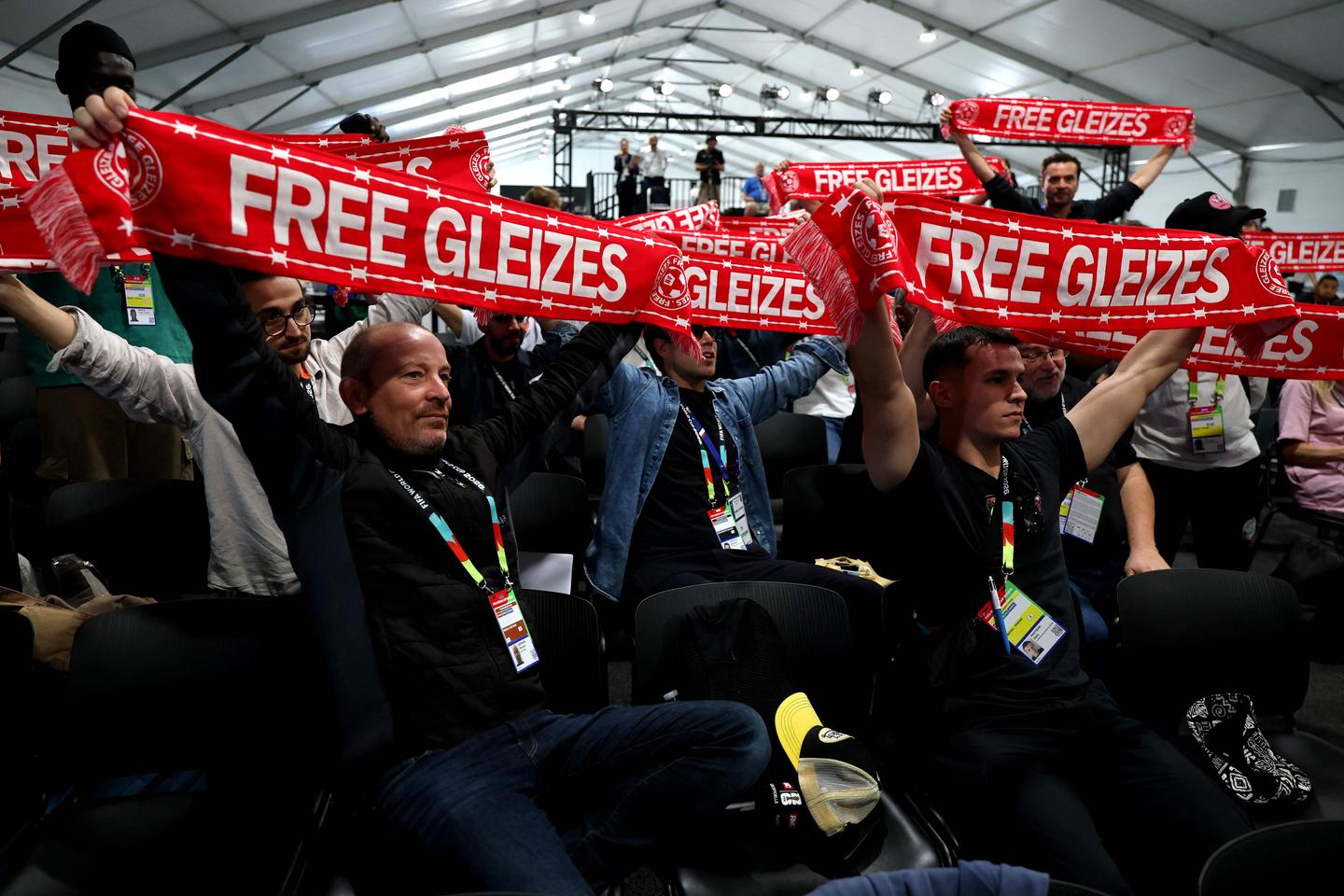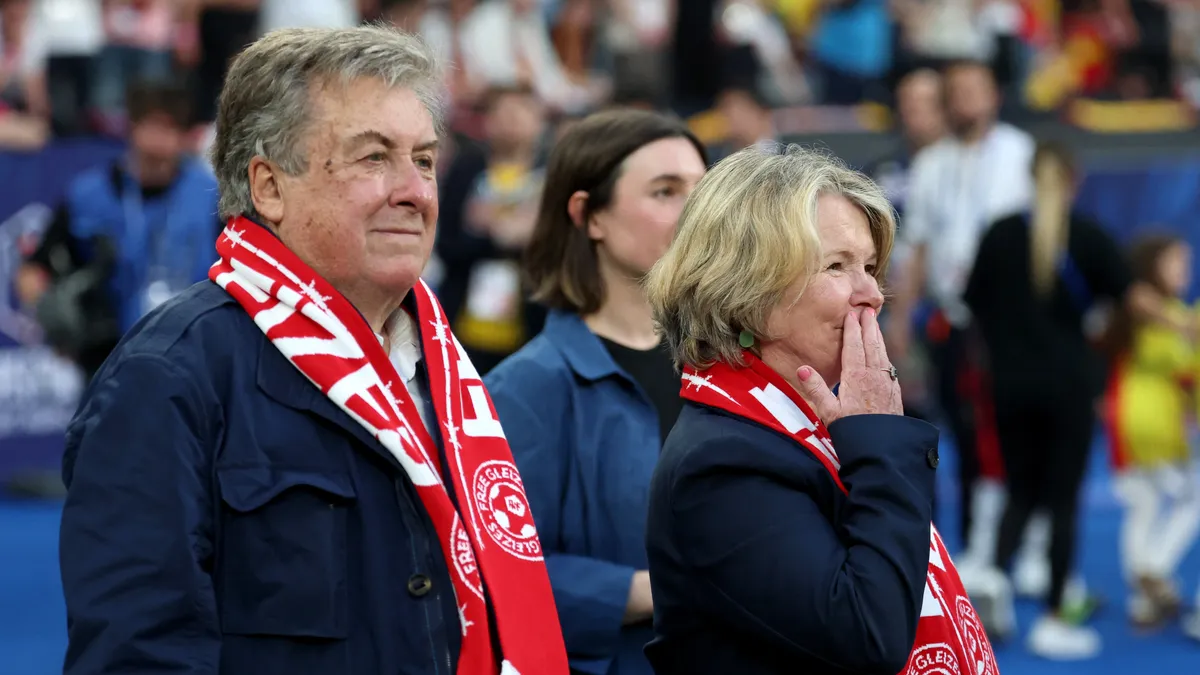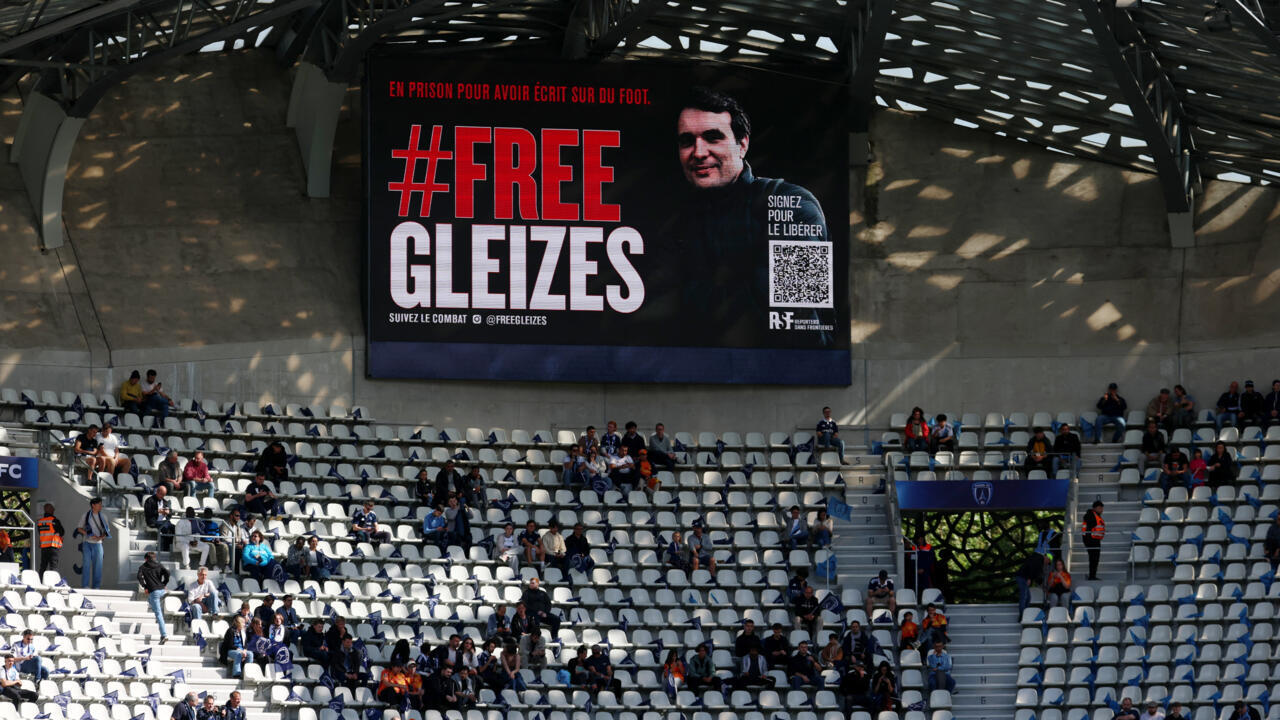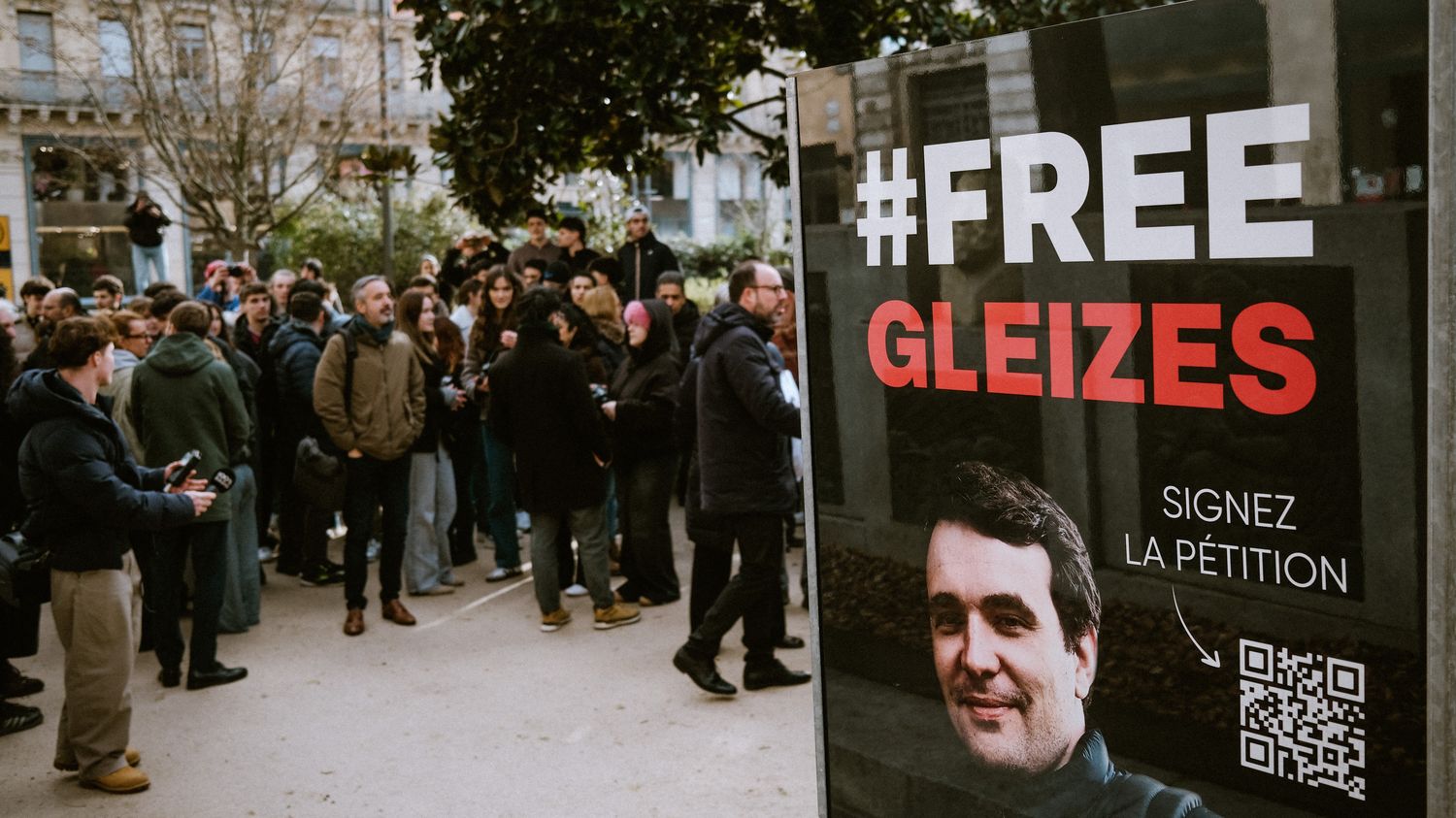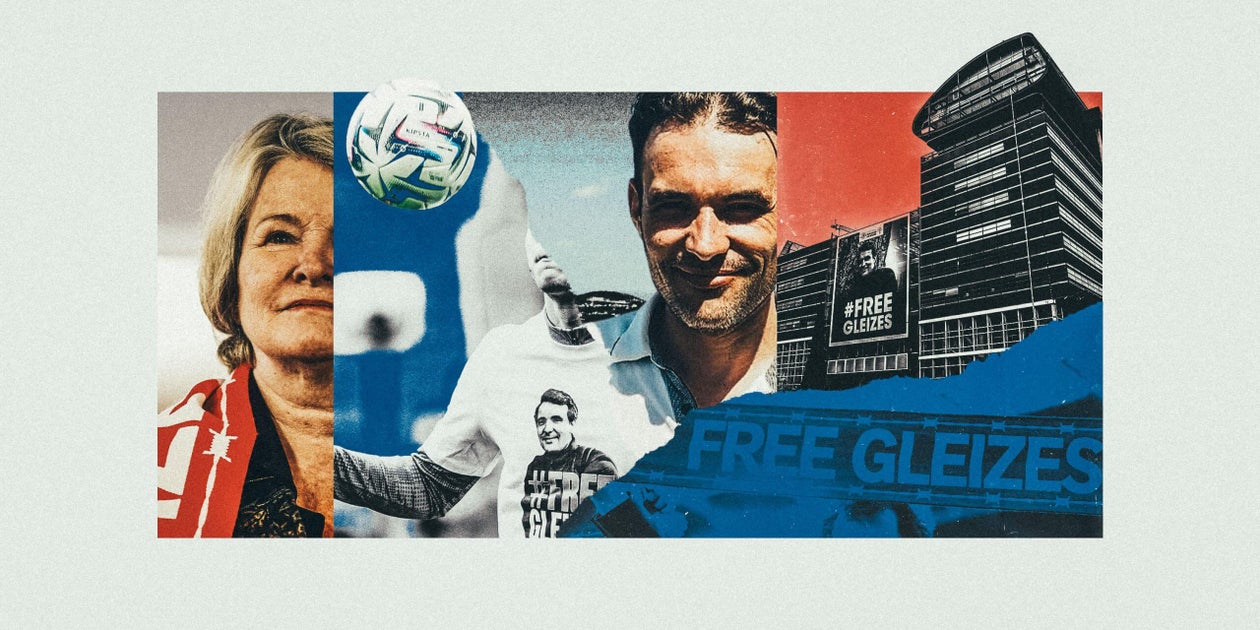
If this was a normal World Cup year, Christophe Gleizes would be busy.As a reporter specializing in African football, he would be reading, traveling, talking to people, checking in with sources and looking for offbeat stories around the tournament that he could bring to life in the pages of the Paris-based magazine So Foot.But for Gleizes, this World Cup year has been like no other. With the tournament looming, the 37-year-old Frenchman is languishing in an Algerian prison after being handed a seven-year jail sentence in June 2025 for “glorifying terrorism” and “possessing propaganda publications harmful to the national interest”.His supporters and human rights groups are adamant the charges brought against him were a nonsense, cooked up by an Algerian regime eager to inflict harm on France – the north African nation’s former colonial ruler – at a time of profound diplomatic tension between the countries.After an appeal against his conviction was dismissed last December, Gleizes’ family recently abandoned attempts to overturn the verdict via judicial avenues and have squarely pinned their hopes on obtaining a pardon from the Algerian president, Abdelmadjid Tebboune.Signs of a thaw in Franco-Algerian relations have raised hopes that Gleizes might soon be allowed home. But for now, he remains behind bars at Kolea Prison, 22 miles south-west of the Algerian capital, Algiers.With France and Algeria among the 48 teams due to participate at the World Cup, there is optimism in Gleizes’ homeland that the tournament will serve as a tipping point in the quest to secure his freedom.“The World Cup represents a fantastic opportunity to raise awareness,” Thibaut Bruttin, the director general of Reporters Without Borders (RSF), told The Athletic during an interview in Paris.“We think it would be a disgrace if France and Algeria played at the World Cup without saying a word about Christophe. I hope we’ll be able to count on FIFA (football’s governing body) to allow this message to be heard.”As the world prepares to turn its gaze towards Canada, the United States and Mexico, all that Gleizes’ loved ones can do is wait.Wait — and hope.With a ping on her phone early in the morning of May 21, 2024, Sylvie Godard’s life changed forever.Gleizes’ mother was at home in the second-floor apartment that she shares with her husband, Francis, in the 13th arrondissement of Paris. The message came from an unfamiliar number, but it had been sent by her eldest son, Christophe.“It was a long message,” she tells The Athletic while perched on a brown leather sofa in her artfully-decorated living room.“He said that he was having trouble, that his computer and his phone had been seized and that he was going to try to contact the French Embassy in Algiers.”As she speaks, her phone repeatedly chimes with incoming messages. In the two years since that fateful May morning, the quest to bring Christophe home has become the driving force in her and her husband’s lives.“Myself and Francis are both retired, but I refuse to leave France because I want to be available here in case I receive a phone call or I need to do something,” explains Sylvie, who is a former HR manager at an investment bank.“Our lives have been shaken and turned completely upside-down, but we live just for him and to see him freed.”Gleizes’ mother Sylvie and her husband Francis (Tom Williams/The Athletic)Gleizes was detained by Algerian police in the city of Tizi Ouzou in Kabylie, a mountainous region overlooking the Mediterranean sea at the country’s northern tip.It was a region he knew well. He had previously spent time there reporting on the case of the Cameroonian footballer Albert Ebosse Bodjongo, who died in suspicious circumstances in 2014 while playing for the region’s star team, JS Kabylie. On this occasion, his employers say he was in the area to write about the glory days of JS Kabylie and to pen a few player profiles.But as a French journalist nosing around in a corner of Algeria where there are strong separatist stirrings, Gleizes attracted attention. And when police went through his phone, they discovered that he had been in contact — several years previously — with two men involved in Kabylie football circles, Ferhat Mehenni and Aksel Bellabaci, who were also members of the Kabylie self-determination movement (MAK).It did not seem to matter that the contact pre-dated MAK’s classification as a terrorist organization by the Algerian government in April 2021. Or that Gleizes protested that his conversations with them had only ever been about football.“JS Kabylie is like Athletic Bilbao for the Basques,” says Gleizes’ So Foot colleague Joachim Barbier. “They weren’t talking about politics at all. It was just: ‘What does this club mean to the people of Kabylie?’”Gleizes had committed an offense by entering Algeria on a tourist visa rather than a work visa, but his bosses argue that the punishment met out to him dwarfed that particular crime by several orders of magnitude.“If you say in Algeria that you’re a journalist and you’re doing something about JS Kabylie, you spend two days explaining yourself to police or the military and they follow you around for days,” says So Foot editor-in-chief Javier Prieto-Santos. “So Christophe took the risk of using a tourist visa.
‘Free Christophe Gleizes’: the campaign to liberate a French football journalist jailed in Algeria
His supporters and human rights groups are adamant that the charges brought against him for "glorifying terrorism" were a nonsense
2,615 words~12 min read