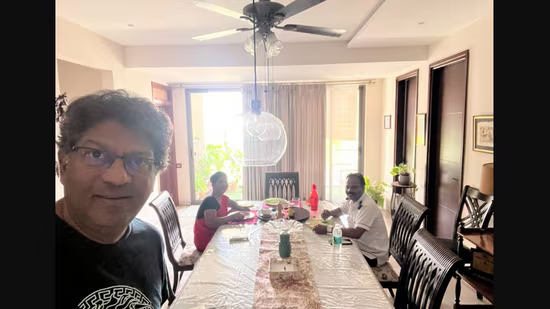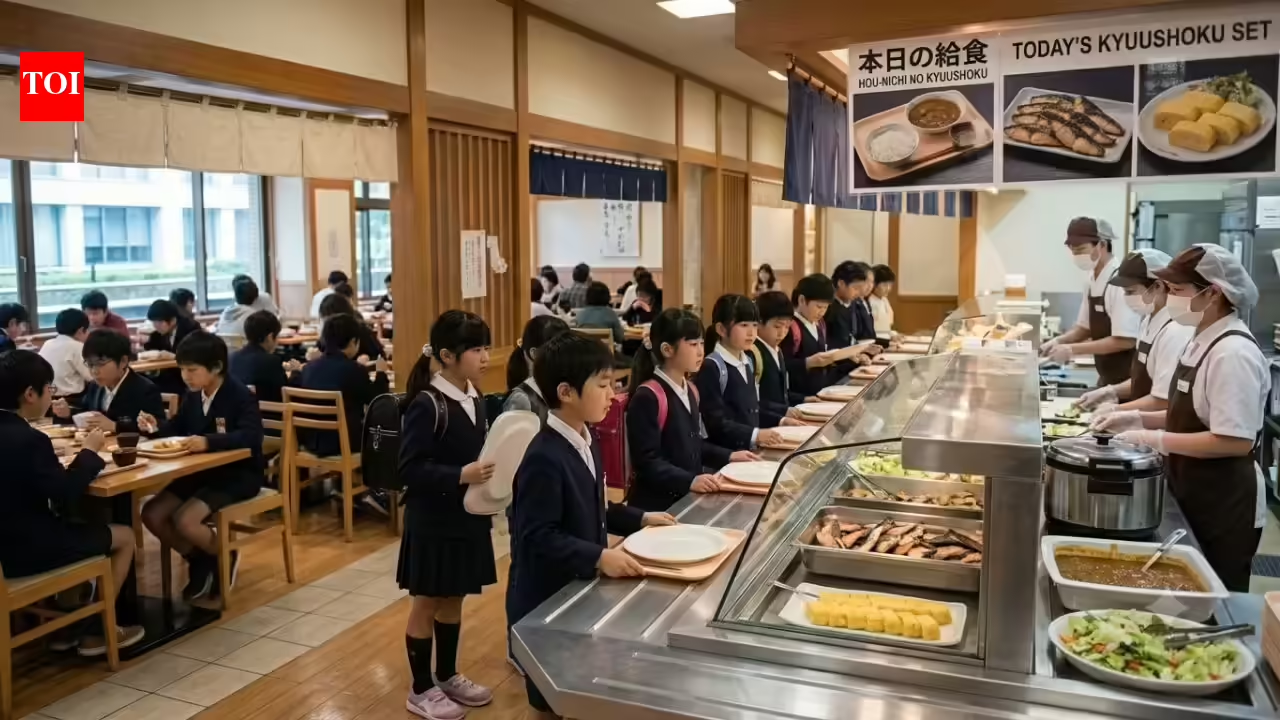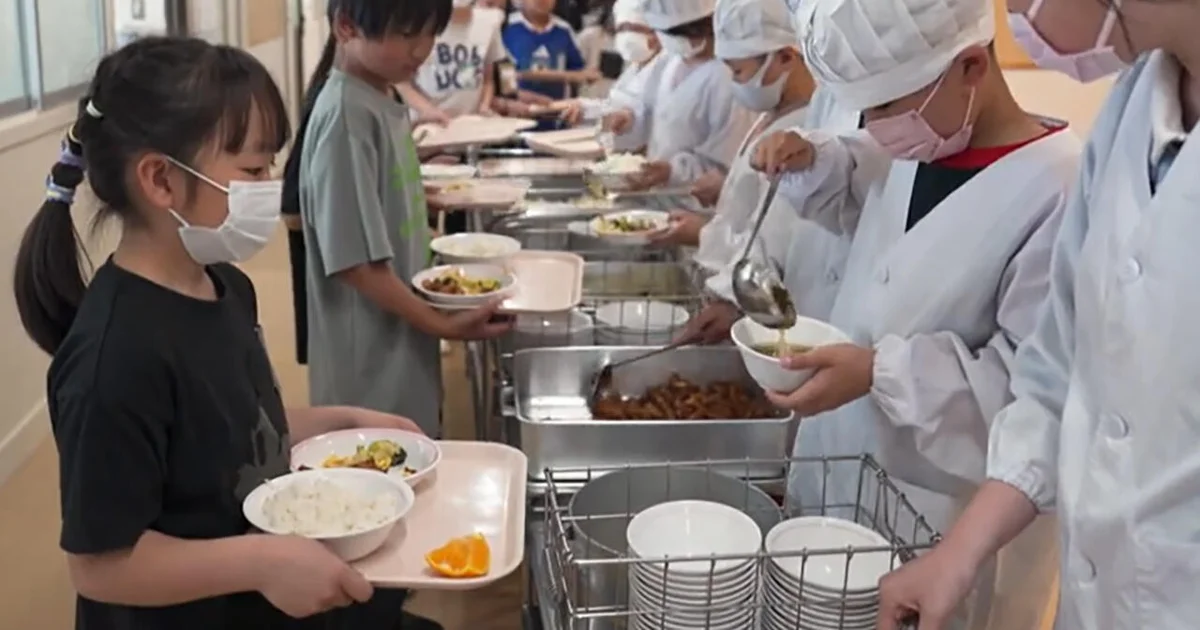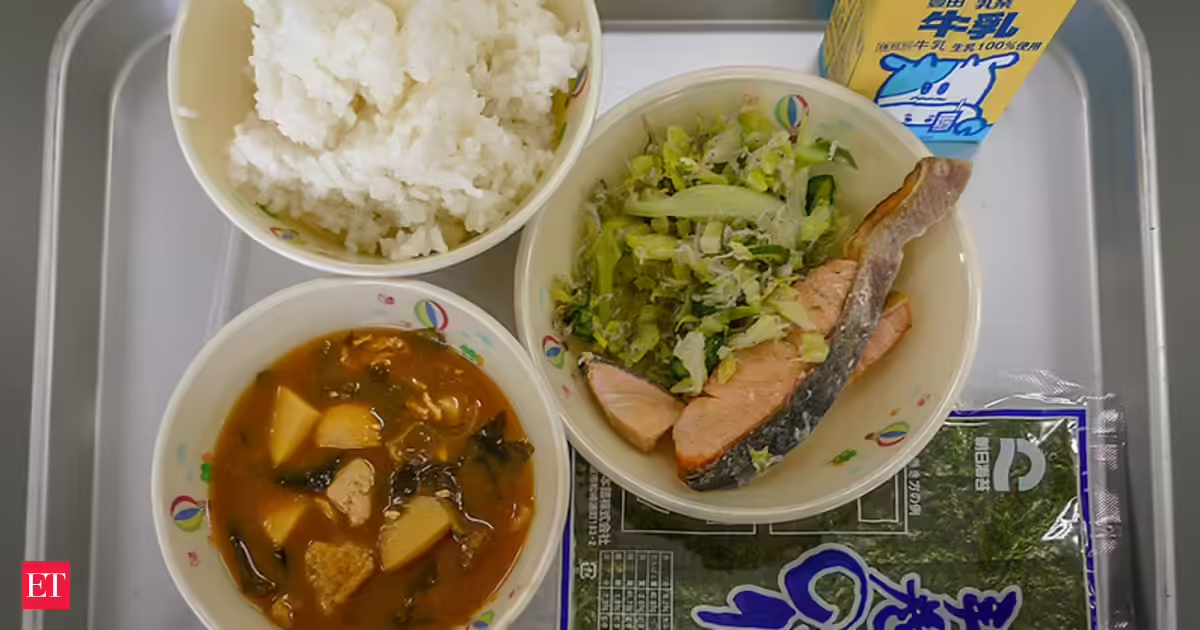
RPG Enterprises Chairman Harsh Goenka recently shared a video on his X handle showcasing the remarkable discipline, hygiene, and nutrition standards followed in Japanese school lunch systems. His post read: “There is much to learn for us from the thoughtful way the Japanese offer lunch in schools….”ALSO READ: Bakrid Date in India 2026The video went viral in no time, with many users praising Japan’s meticulous approach to preparing meals for students, a practice admired in the US too. The video shows how schools follow strict hygiene practices, focusses on nutrition for children and source local ingedients used. From sanitisation to nutrition planning, every step reflects precision, care, and responsibility. The video answers two important questions:Why is the school lunch in Japan famous all over the world?Why do even Americans admire the way Japanese people prepare their meals for their students?ALSO READ: Petrol, Diesel price hiked again on May 26?Strict Hygiene Standards Before Cooking BeginsOne of the most important and striking aspects of Japanese school kitchens is the strict sanitisation process. Every day, kitchen workers must go through a strict sanitization and disinfection process before entering kitchen to maintain hygiene standards.— hvgoenka (@hvgoenka) First, fresh ingredients such as vegetables, fish, roots, meat and fruits are sorted into separate preparation zones. Leafy vegetables are chopped and washed multiple times in large water tanks to remove all dirt and impurities. Root vegetables such as carrots and potatoes are processed in automatic drum washers which remove mud and peel off the outer skin at the same time. All ingredients have clear origins and are carefully inspected that are being used in school meals, the video explains.A Nutritious Meal Designed for StudentsThe lunch menu shown in the video reflects Japan’s strong focus on balanced nutrition. The first dish is steamed white rice, considered an essential part of daily Japanese meals. The rice is washed thoroughly and cooked in massive pots within an hour.The second dish is beef curry soup which is prepared using thinly sliced A3 Wagyu beef. The beef is stir-fried with minced garlic before onions and diced carrots are added. Later on, cabbage and curry roux are added. Kitchen staff continuously stir the mixture using giant paddles, while cabbage and curry roux are added later to complete the dish.Before serving, the head chef personally checks the quality of the food. The curry soup is then transferred into stainless steel containers for delivery into schools.Focus on Health, Fibre and Balanced NutritionAnother dish in the meal includes a colourful vegetable mix made with cabbage, carrots, soybeans, spinach, and asparagus. The vegetables are cooked carefully to preserve both their colour and nutritional value. According to the video, the menu is specifically designed to increase dietary fibre, maximise nutrients, and reduce excessive salt and sugar intake among students.Meals Carefully Packed and Delivered to SchoolsOnce cooking is complete, the meals are hygienically packed and transported to schools. The process reflects Japan’s larger cultural emphasis on discipline, cleanliness, nutrition, and collective responsibility.Netizens Praise School Culture In JapanThe viral video has sparked conversations online, with many people saying countries around the world can learn valuable lessons from Japan’s school meal system and its commitment to children’s health and well-being. "Because it treats lunch as a core educational subject. Meals are planned by licensed nutritionists, freshly prepared from whole, local ingredients, and used to teach students responsibility, teamwork, and lifelong health habits," a user noted."Sir, we can learn but can't implement the same, as the entire process is sick when it comes to food at school...," wrote another. "This is truly brilliant. I’ve seen similar initiatives in China as well. Perhaps India should also look more closely at its northern neighbour — a country comparable in size and scale, which successfully tackled many of the same challenges India continues to face today," another user said.
Harsh Goenka amazed by Japanese school lunches Americans are praising; viral video reveals why
A video shared by Harsh Goenka on social media highlights Japan's exceptional school lunch system, focussing strict hygiene, meticulous nutrition planning, and fresh, locally sourced ingredients. The Japanese school lunches have even been admired by Americans. From sanitization to balanced meals, this has garnered global admiration and has sparked discussions on how other nations can adopt similar practices for children's well-being and education.
634 words~3 min read