Audio By Vocalize
The rise of social media and digital platforms has transformed how Kenyans consume information.[File, Standard]
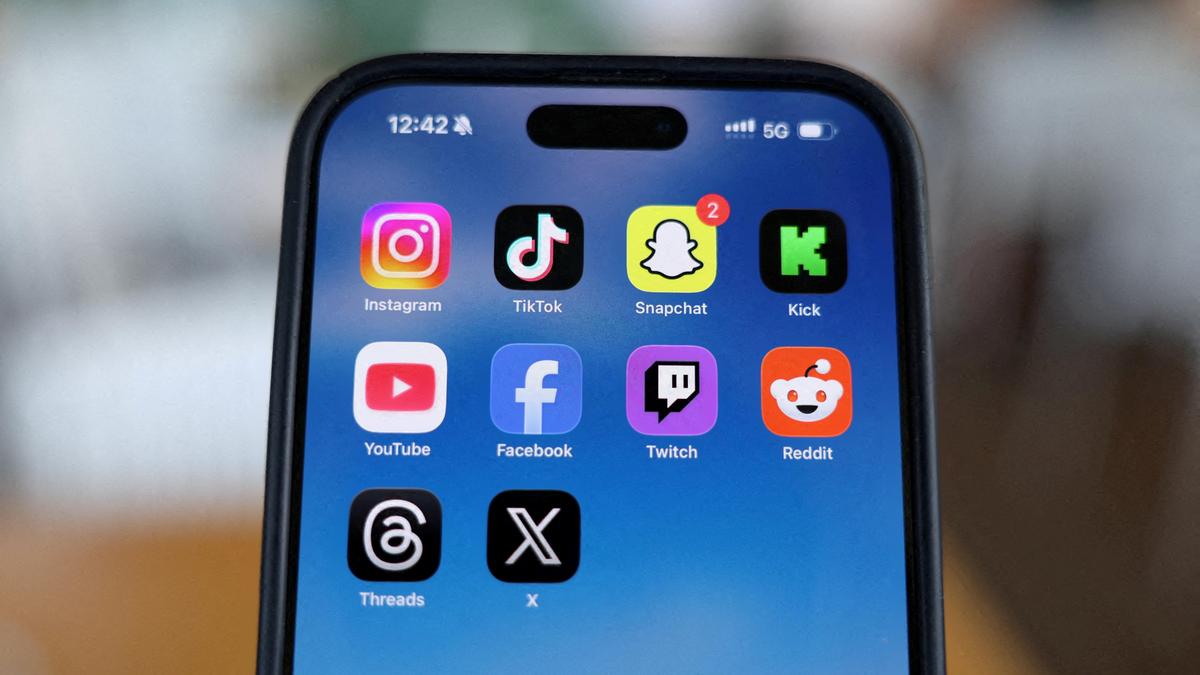
The rise of social media and digital platforms has transformed how Kenyans consume information, engage with public affairs and participate in national conversations. Today, news often breaks first on TikTok, X, Facebook or YouTube long before it appears on television screens, radio bulletins or newspaper headlines. This shift has naturally led to growing debate over whether traditional media is gradually losing relevance in the digital age.
For instance, digital advertising spending globally overtook traditional media for the first time in 2019, reflecting the growing influence of online platforms. Recent findings from the Media Council of Kenya's State of the Media 2025 Survey confirm just how dramatically audience habits are changing. The report shows that social media has now become the leading primary source of news for Kenyans at 39 per cent, overtaking TV and radio at 31 per cent and 21 per cent respectively. But when combined, TV, radio, and print traditional media still command a comfortable lead as sources of news.
It is an undeniable truth that Kenya’s media ecosystem is changing rapidly, driven by increased internet penetration, affordable smartphones and the convenience of digital platforms.