Vertalo, an SEC-registered transfer agent that has spent the better part of a decade building infrastructure for tokenized securities, has added Aptos to its platform. The Layer-1 blockchain now sits alongside Ethereum and Tezos as a supported chain for Vertalo’s Securities Protocol, which handles cap table management, transfer agency functions, and multi-chain tokenization for issuers and fund managers.
What Vertalo actually does, and why this matters
Vertalo has been tackling exactly that problem since its founding in 2017. The company achieved SEC registration as a transfer agent in November 2019, operating under File No. 084-06663. Vertalo is one of the few platforms legally authorized to serve as the official record-keeper of who owns what in a tokenized securities structure.
The platform exposes over 1,000 GraphQL API endpoints, giving issuers and fund managers granular programmatic access to cap table data, investor management tools, and compliance workflows. It has partnered with more than 100 issuers over its lifetime, and its own first use case was tokenizing its own equity back in 2018.
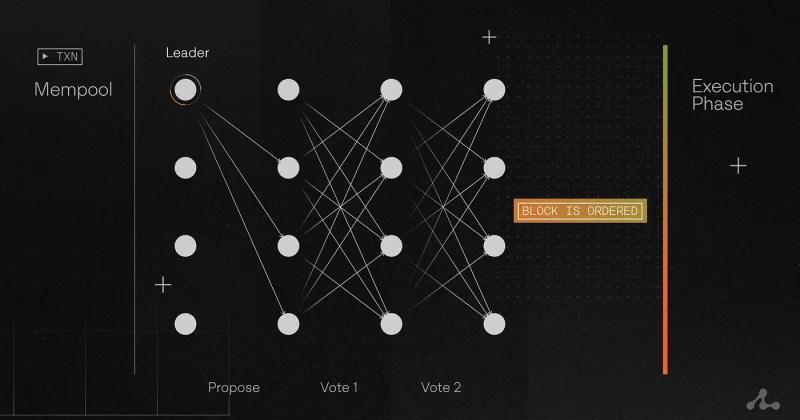
Adding Aptos to this stack means that issuers using Vertalo can now choose to deploy their tokenized securities on a high-throughput Layer-1 network built with the Move programming language, a language originally developed at Meta that was designed with resource safety and formal verification in mind.