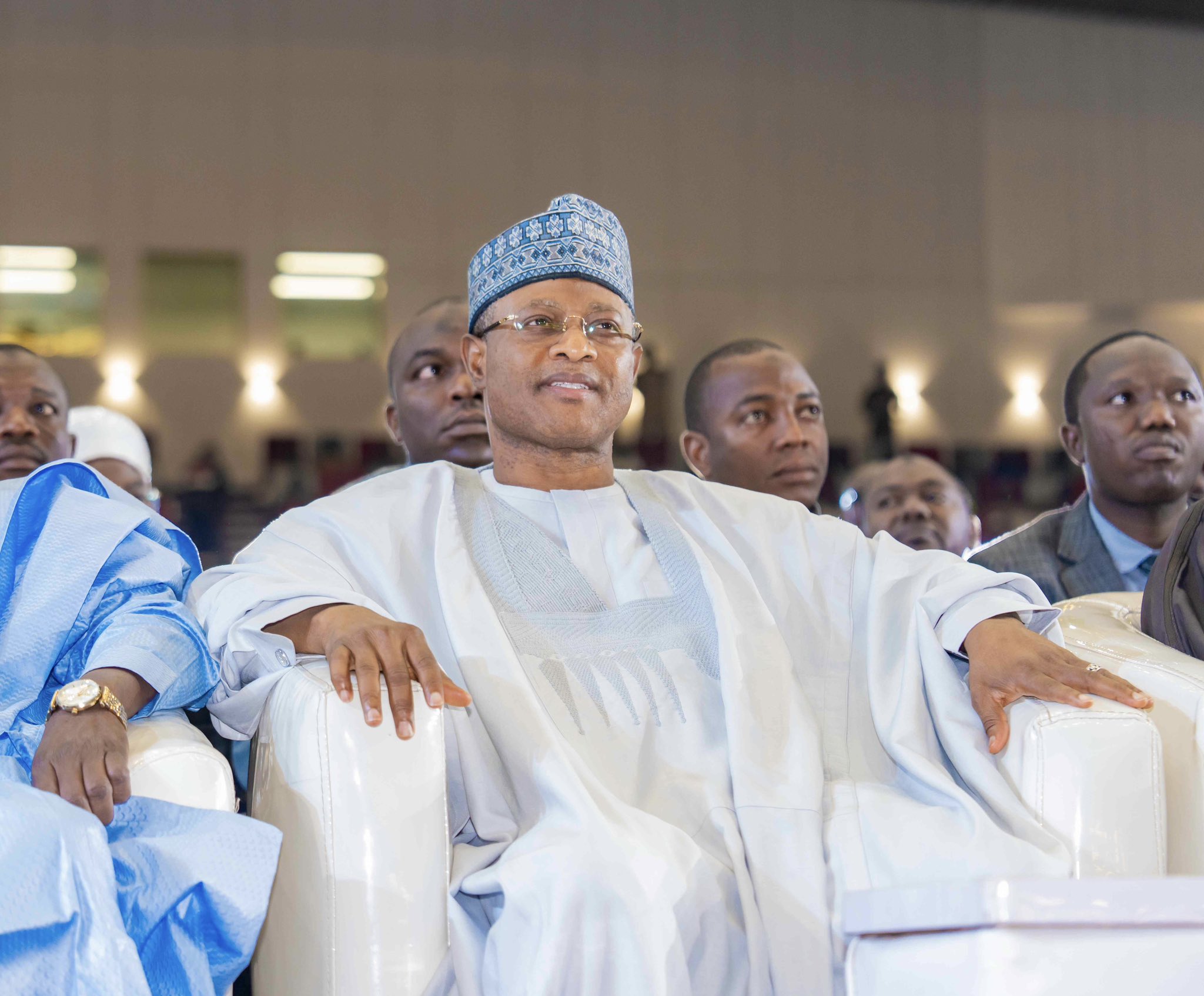
After decades of neglect, there is a glimmer of hope in Amana region, writes JOSHUA J. OMOJUWA
I turned down an all-expenses-paid trip to watch Arsenal play PSG in the UEFA Champions League final at the Puskas Arena in Budapest. Abdulrahman Usman Leme was being turbaned as Madakin Mambilla in Gembu, Taraba State, and he had earned my presence. He is a friend and brother in the truest sense; the kind whose humanity and sense of community to people and country makes adjusting your calendar not a question but a natural response. Arsenal could wait. Leme could not. That is not to say this was an easy decision, especially as this was a sacrifice being offered to a Chelsea fan.
I could not have envisaged what I was about to learn. I expected a celebration. What I got, in addition to that, was a history lesson, a geography lesson, a governance lesson, and a reminder of the kind of promises Nigeria makes and the kind it keeps and the kind it does not.
On February 11, 1961, a United Nations referendum was held in British Cameroons to determine whether the territory should join neighbouring Cameroon or the Federation of Nigeria. The territory was divided into two: Northern and Southern Cameroons voted separately. Southern Cameroons chose Cameroon. Northern Cameroons chose Nigeria. That decision is the foundation of what became the Amana Region, located across what is now parts of Adamawa, Taraba and Borno States, with Mubi as its historic capital.