Lagos traffic is a slow-motion public health disaster, contends K. BOLANLE ATI-JOHN
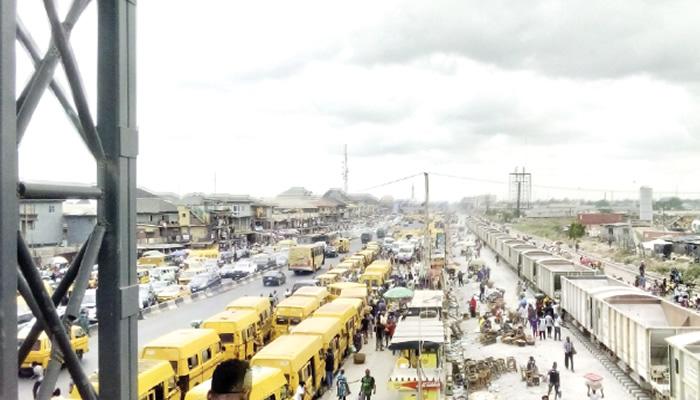
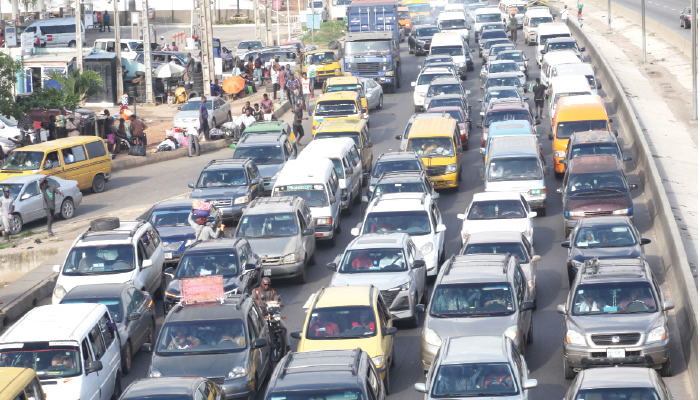
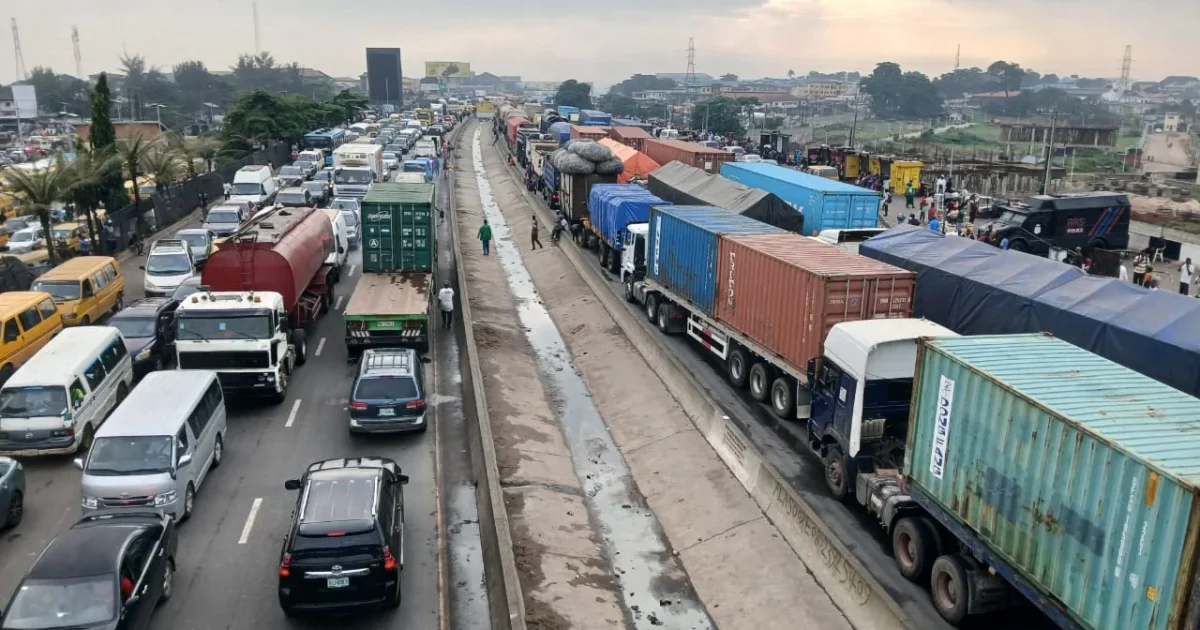
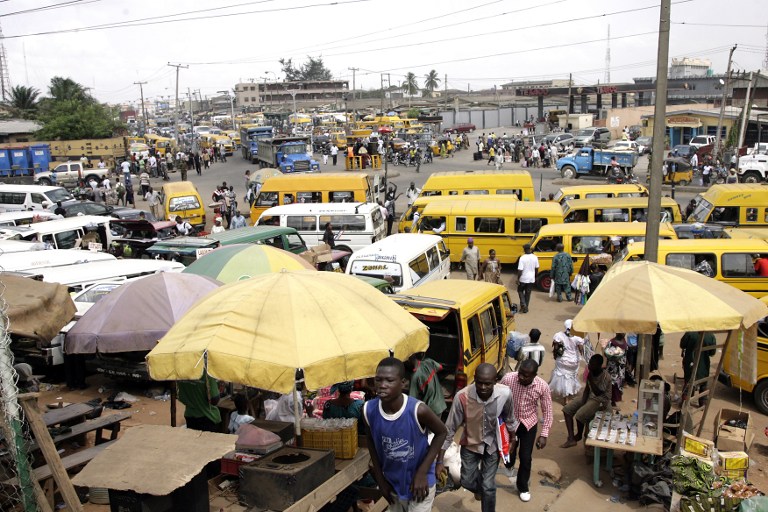
At 5:30 a.m. on a Tuesday, the Ikorodu Road is already a ribbon of brake lights. A man in a pressed shirt grips the wheel of a Toyota Camry, his face illuminated by the dashboard glow. He left home before his two children stirred. By the time he returns tonight, if the Third Mainland Bridge cooperates, they will be asleep. He will repeat this ritual tomorrow, and the day after, and every working day of his adult life. He is not commuting. He is being slowly poisoned.
For decades, Lagosians have described their daily ordeal with a word that sounds almost gentle: “go slow.” It evokes inconvenience, delay, frustration. But what if that language is not merely inadequate, what if it is actively concealing a crisis of far greater magnitude?
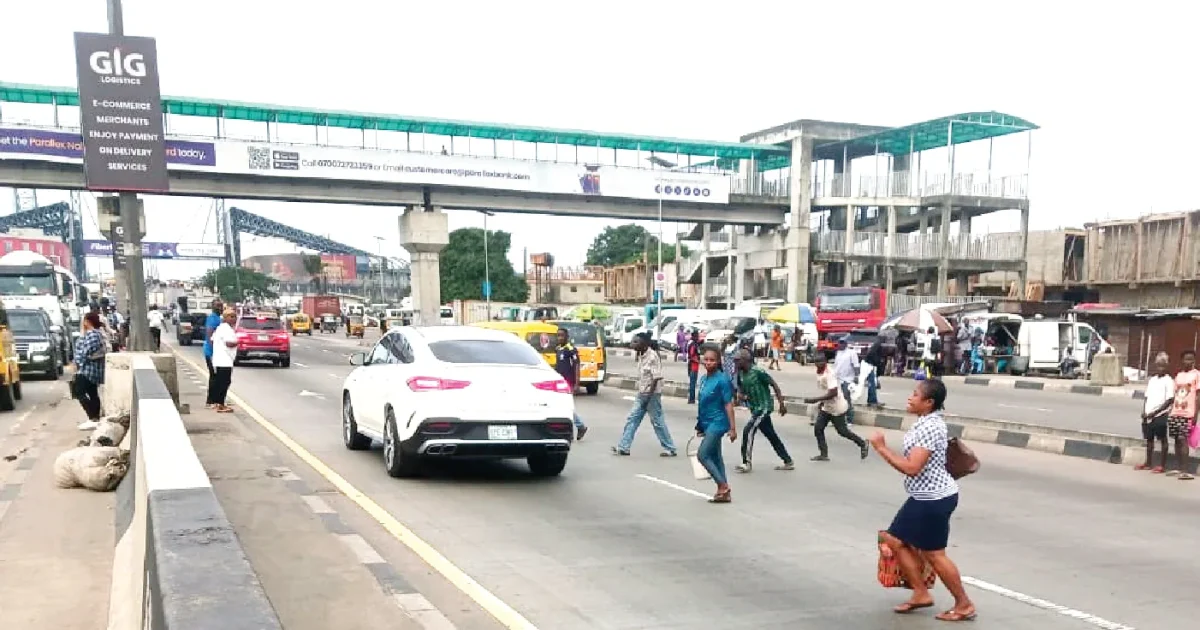
Let us be direct: Lagos traffic is no longer merely a mobility problem. It is a public health and citizen safety emergency disguised as urban congestion. It is a daily stress system imposed on millions of people, converting time, air, attention, energy, and safety into hidden public costs. Every hour spent trapped in gridlock is an hour of exposure to toxic air, elevated blood pressure, road danger, insecurity, and lost productivity. A city that cannot move its people safely cannot fully protect their health, dignity, or economic potential.