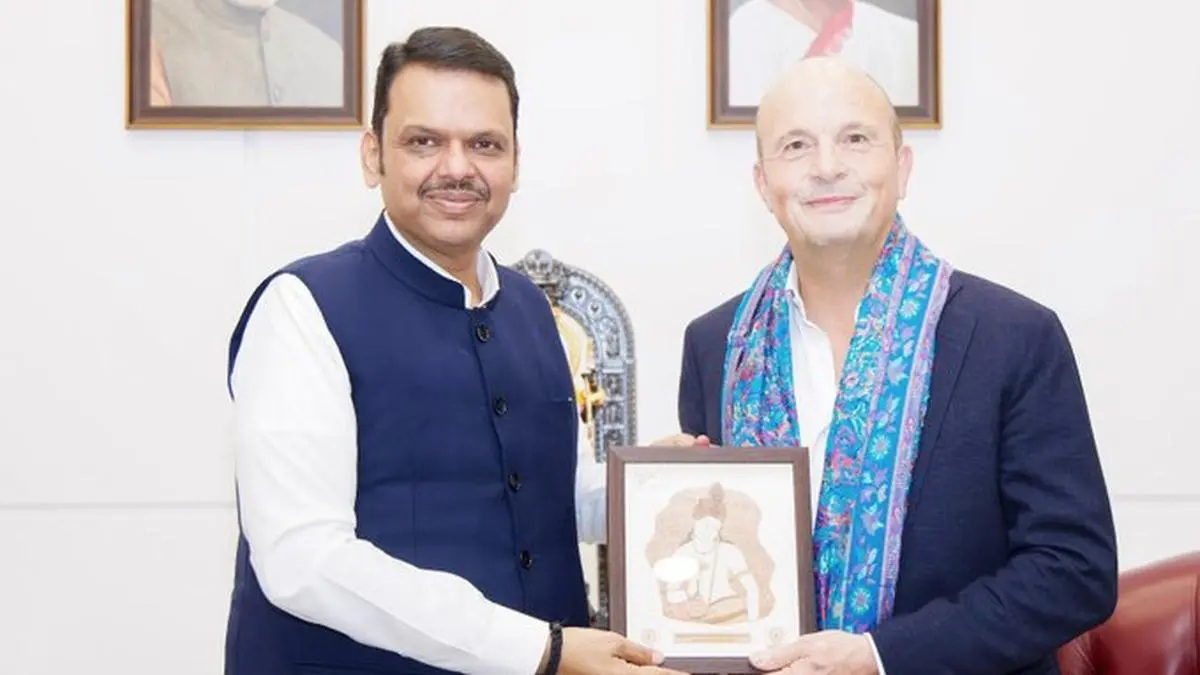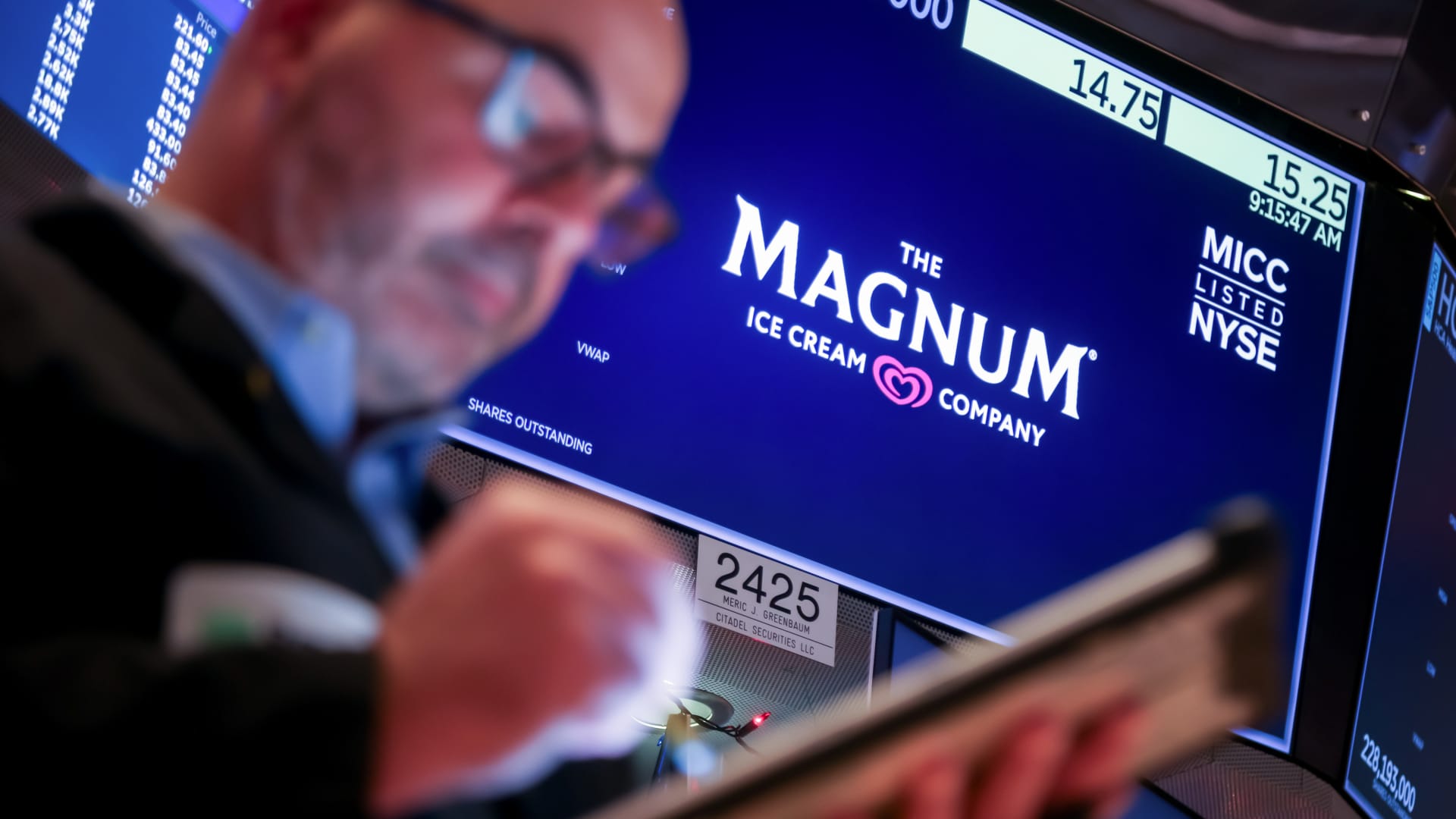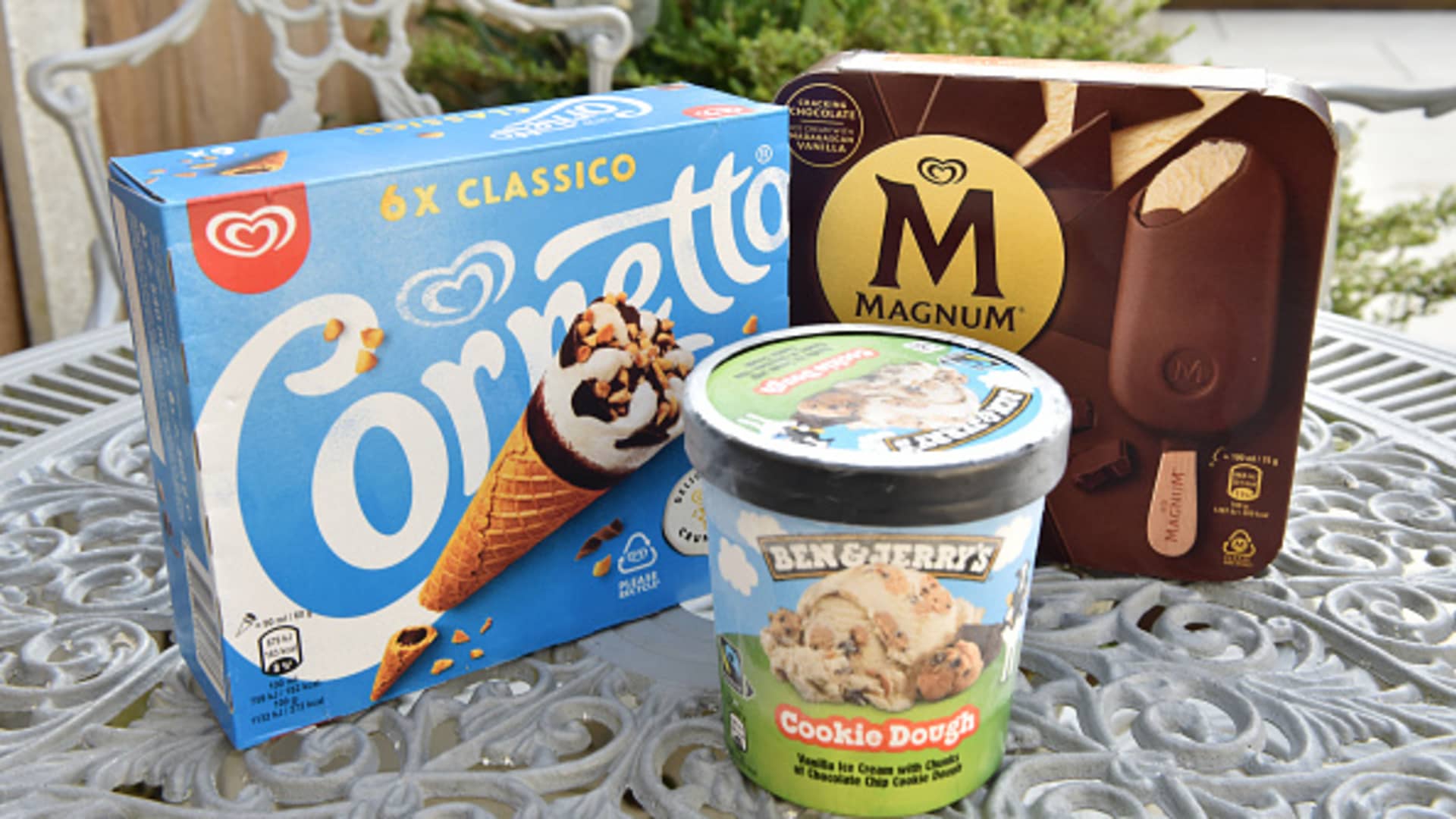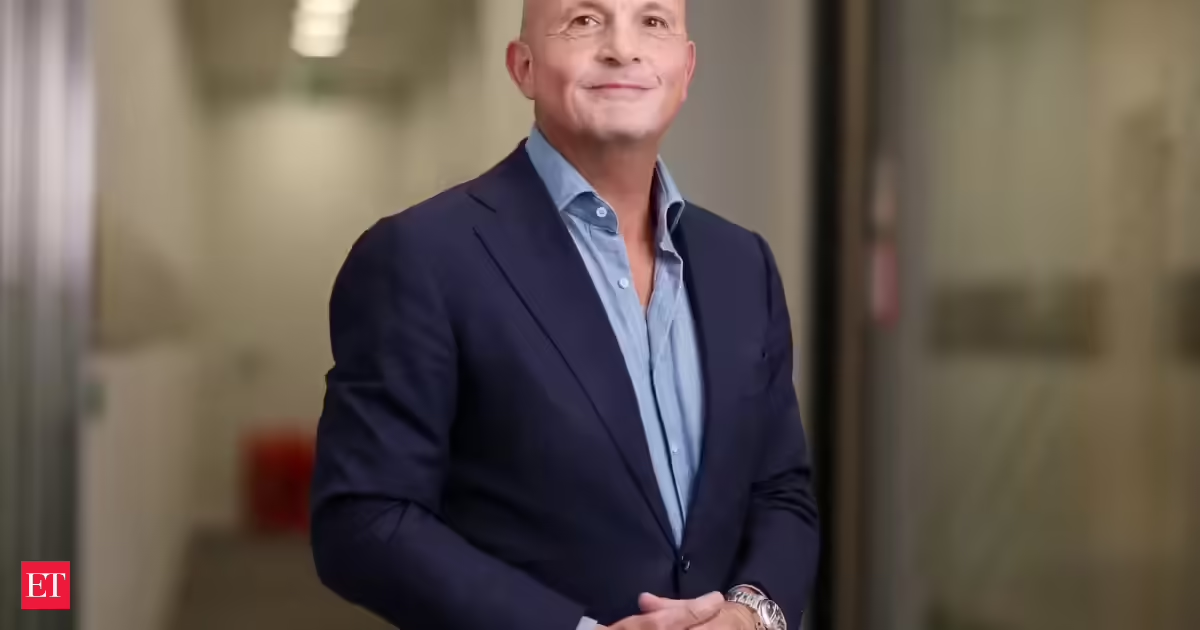
Mumbai: The Magnum Ice Cream Company global CEO Peter ter Kulve said India has become the biggest strategic reset for the spun-off Unilever ice-cream business as it undertakes a sweeping shift of Kwality Wall's away from frozen desserts made using vegetable fats such as palm oil toward dairy ice cream, betting that Indian consumers would increasingly prefer milk-based products as they are perceived to be of higher quality and more nutritious.The transition is part of a broader overhaul by the Netherlands-headquartered firm, spanning products, pricing, factories and cold-chain infrastructure, including plans to deploy a million cold cabinets across the country, hoping to revive a business that steadily lost market share over two decades.Also Read | Magnum plans three more factories to cash in on India's ice cream crazeExpanding Cold Chain Infra“The company took a principled decision to become a full dairy business even without a formal business case. About half of the portfolio will be dairy-based this year, with most of the transition completed next year,” ter Kulve told ET in an exclusive interview. “We are not a frozen dessert company anywhere in the world; we are an ice cream company. In India, we changed everything, everything.”The Amsterdam-listed maker of Magnum, Cornetto and Kwality Wall’s also plans to accelerate capital deployment in India after years of underinvestment under Unilever, when ice cream was not the focus area. The company is also slashing prices as much as 30% in some categories, adding local flavours such as kulfi and kesar bhog, and aggressively expanding cold chain infrastructure.Also Read | Kwality Walls is on its own now. Can it take on Amul, Hatsun?“When I meet old Unilever leaders and discuss Surf Excel, we talk for two hours. Then we discuss Cornetto and the discussion is finished after one minute,” said the Dutch executive, who inherited an operation whose market share in India fell as rivals including Gujarat Cooperative Milk Marketing Federation Ltd (Amul) and regional brands expanded aggressively.India’s ice-cream market, estimated at roughly $2 billion, remains among the world’s fastest-growing, helped by a low per capita consumption of just 0.6 litres annually, although the category is expanding at about 11%, faster than beauty products.India, currently a roughly $200 million business for the company, could eventually become its biggest market, ter Kulve said. The push in India comes after Unilever spun off its global ice-cream operations to give the business greater autonomy and flexibility in fast-growing markets. The separation was intended to help the division move faster locally and compete more aggressively against regional players.As part of that strategy, Magnum recently completed the acquisition of a 61.9% stake in Kwality Wall’s, which is listed in India and continues to operate as a subsidiary of Magnum group, which controls more than a fifth of the world's ice-cream segment.“We should have built eight factories. There is no way you can have good cost, quality and service when Cornetto needs to come out of Nashik for the whole country,” ter Kulve said, referring to the company’s existing factory in Maharashtra. “In Turkey we have one cabinet for every 350 people. Ultimately I will need a million cabinets in India.”The executive, who previously oversaw Unilever’s global home care business, said the company is rebuilding its India playbook around local manufacturing, regional distribution and sharper price point targeting, similar to the strategy consumer companies used to scale up categories such as detergents and snacks.After having spent part of the trip visiting retailers and ice-cream outlets in Mumbai, including the iconic K Rustom near Churchgate, Mumbai, he repeatedly drew comparisons with rivals he said had executed better in India.“Amul has very good dairy ice cream, which they do for a good price,” ter Kulve said, praising the Indian cooperative’s product quality, sourcing ecosystem and nationwide supply chain, while also citing competition from regional players and private equity-backed rivals.
All Kwality Wall's items to be milk-based next year, says CEO Peter ter Kulve
Magnum Ice Cream is transforming its Kwality Wall's business in India. The company is moving from vegetable fat frozen desserts to dairy ice cream. This shift aims to meet Indian consumer demand for better quality and nutritious milk-based products. Magnum is also investing in factories, cold chain infrastructure, and adjusting prices.
638 words~3 min read