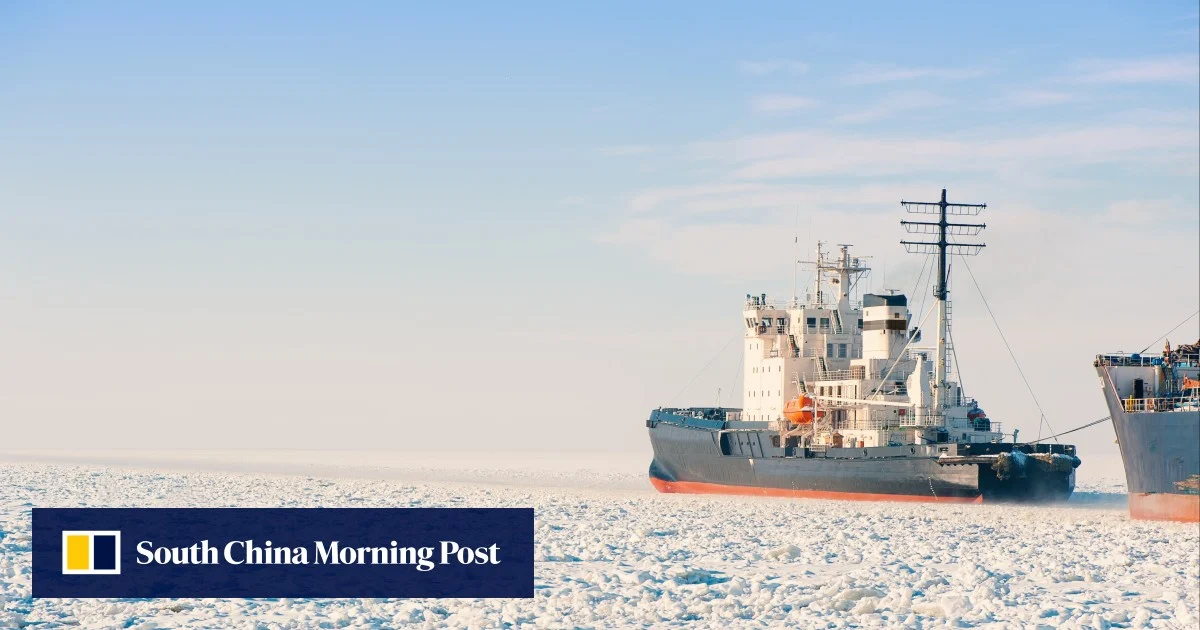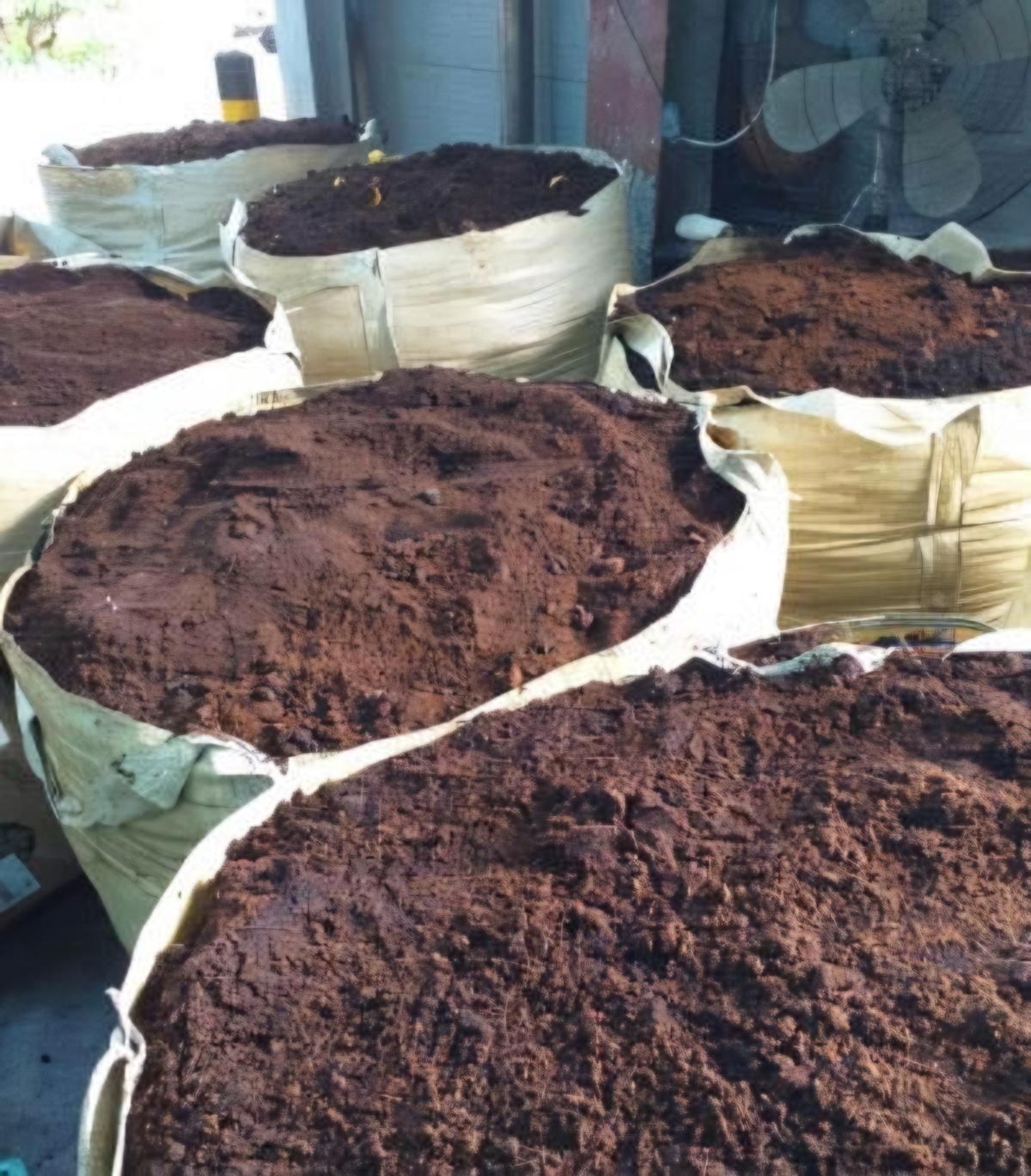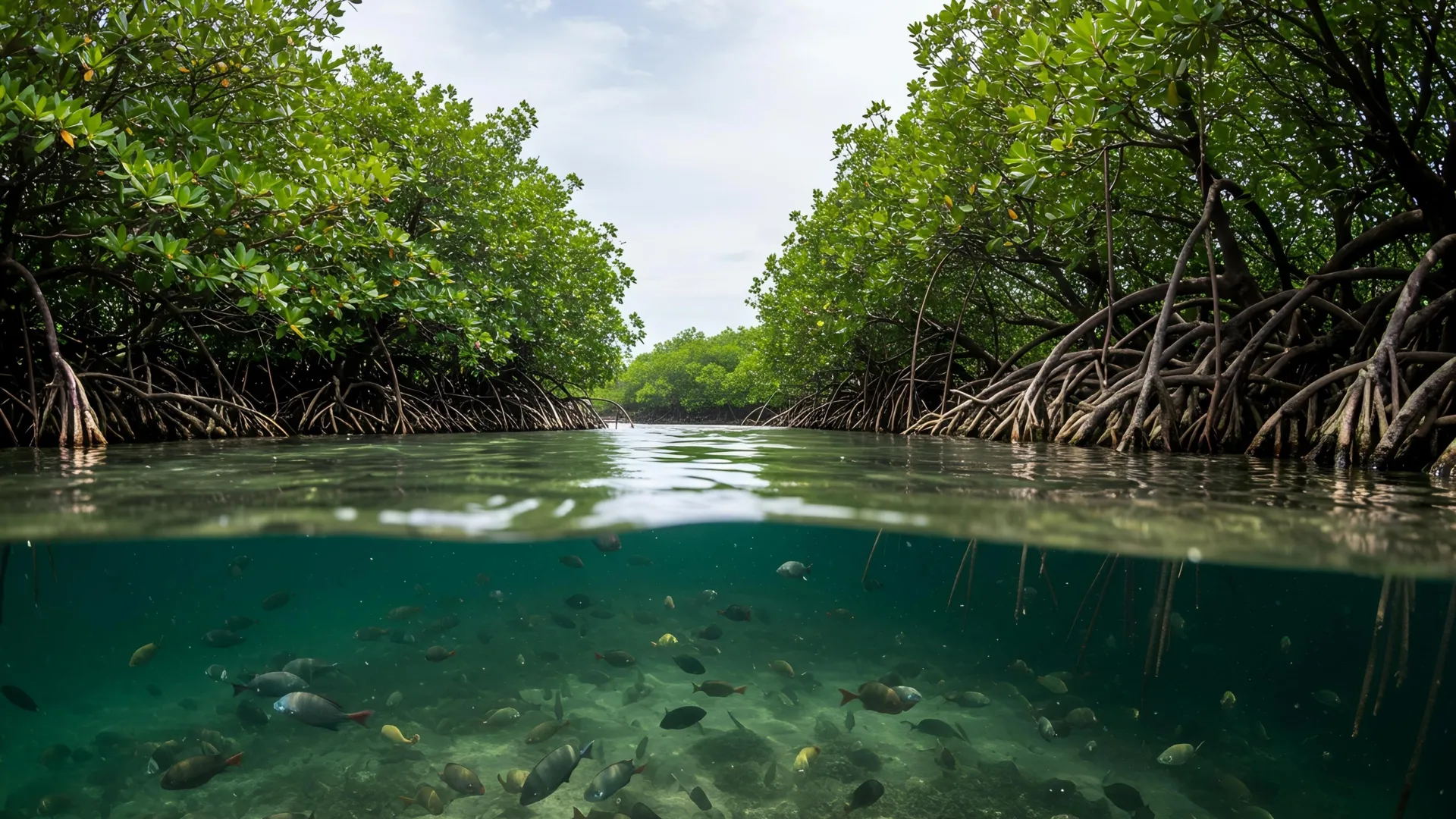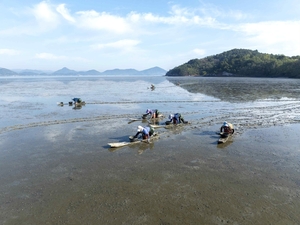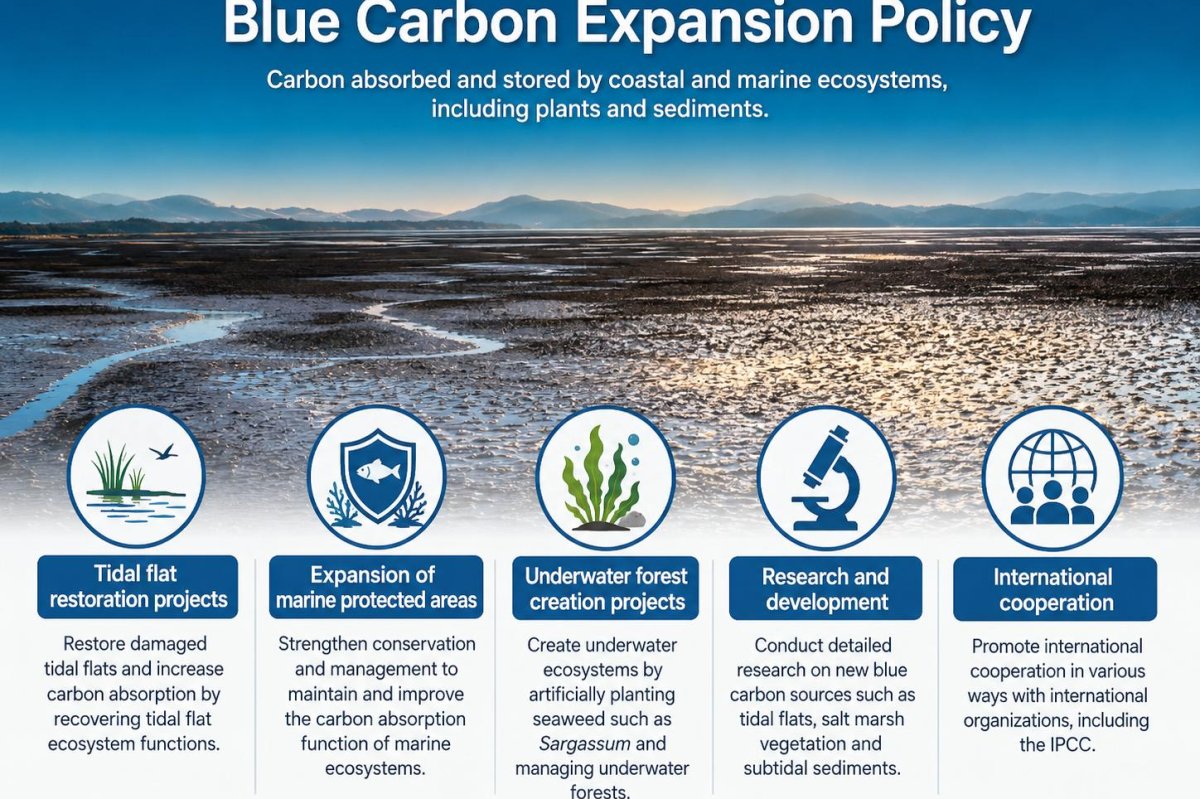
A South Korean tidal flat is shown in an infographic explaining the country’s blue carbon policy, including tidal flat restoration, expanded marine protected areas, underwater forest projects and research cooperation. Information provided by Ministry of Oceans and Fisheries. Graphic by Asia Today and translated by UPI
May 28 (Asia Today) -- South Korea is accelerating efforts to use tidal flats, seagrass and seaweed as carbon sinks as the country looks beyond forests for ways to meet its climate goals.
The Ministry of Oceans and Fisheries is expanding its "blue carbon" strategy, moving the focus of carbon neutrality from land-based forests and trees to marine ecosystems that absorb and store carbon.
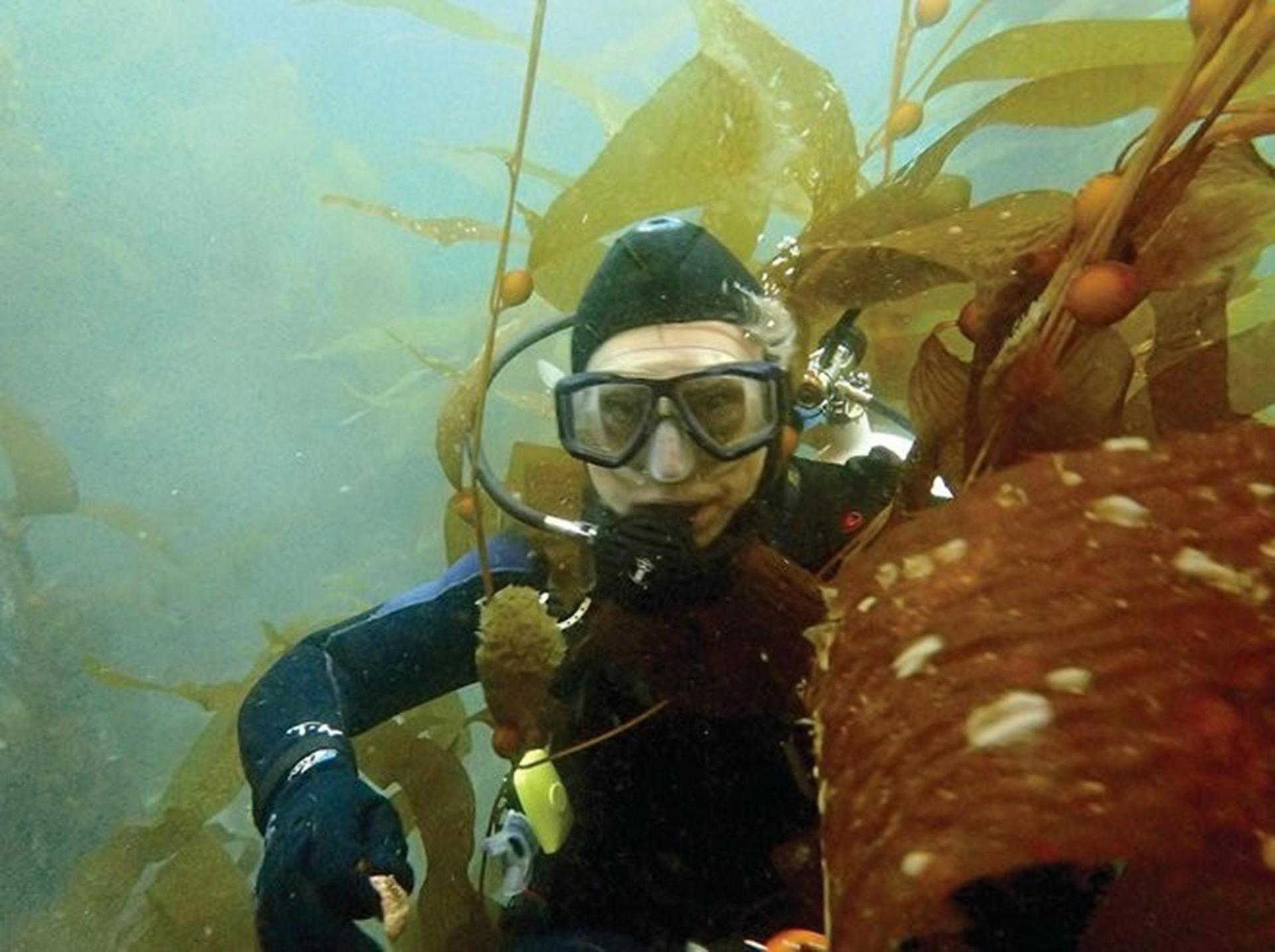
Blue carbon refers to carbon captured by coastal and marine ecosystems such as salt marshes, seagrass beds and mangroves. South Korea is seeking wider international recognition for tidal flats and seaweed, which are central to the country's coastal environment but are not yet fully reflected in global carbon accounting standards.
The ministry said Wednesday it is pursuing tidal flat restoration, expansion of marine protected areas, underwater forest projects and research aimed at measuring the carbon absorption capacity of marine ecosystems.