Every week, another coding agent demo shows a prompt turning into a pull request in under five minutes. These demos often highlight a narrow use case not yet in production, and they skip everything that happens after the commit.The pull request doesn’t include a link to the issue it was supposed to fix. The CI/CD pipeline fails because the agent didn't know about a recently added linter rule. A security scan flags a dependency the agent pulled in without checking the project's approved list.These are context failures, and they determine whether agentic coding accelerates delivery or creates rework. But when development teams use coding agents with GitLab, the agents draw on the issues, pipelines, and security policies already in the platform, catching problems and remediating them within the developer flow.This article walks through what changes when you give a coding agent progressively more lifecycle context from repository-only to full platform visibility, using two recent GitLab tutorials as a reference. You'll learn how platform context improves code quality, security assessments, and review cycles, and what platform teams can do today to close the gap.Putting context into practiceThe GitLab tutorials demonstrate what happens when you give an external coding agent progressively more full platform context. The first tutorial illustrates three workflows with Claude Code: fixing a C++ sensor crash, enriching the session with GitLab’s Model Context Protocol (MCP) server, and using Claude Code as an external agent inside a merge request to address review feedback. The second tutorial follows the same progression with Codex and GitLab, this time fixing a Rust WebSocket filtering bug across the same three scenarios.Scenario 1: The agent only sees the repository
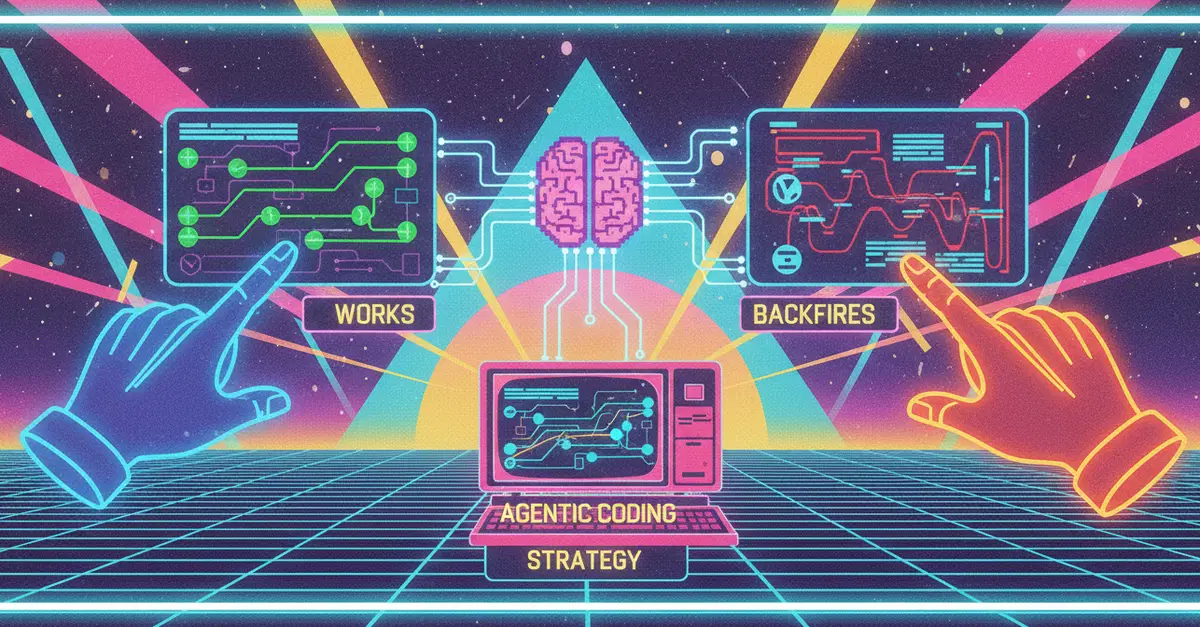
Agentic coding is only as good as its context
"Coding agents deliver speed. With lifecycle context in GitLab, enterprises address shallow fixes and longer review cycles."
1,809 words~8 min read