Imagine building a highly skilled master craftsman. This craftsman possesses immense cognitive power—the ability to reason, plan, and decompose incredibly complex problems. But there’s a catch: they are locked in an empty, windowless room. They have no raw materials, no specialized tools, and no way to interact with the outside world. Their brilliant cognitive power remains entirely theoretical.
This is the state of most modern Large Language Models (LLMs). They are intellectual giants trapped in digital sensory deprivation chambers.
To break them out, we historically relied on hardcoded "tool calling" or custom API integrations. But anyone who has built production-grade AI agents knows the painful truth: hardcoded tool execution is brittle, monolithic, and incredibly difficult to scale. Every time you add a new tool, you risk confusing the model, breaking your prompts, or introducing critical security vulnerabilities.
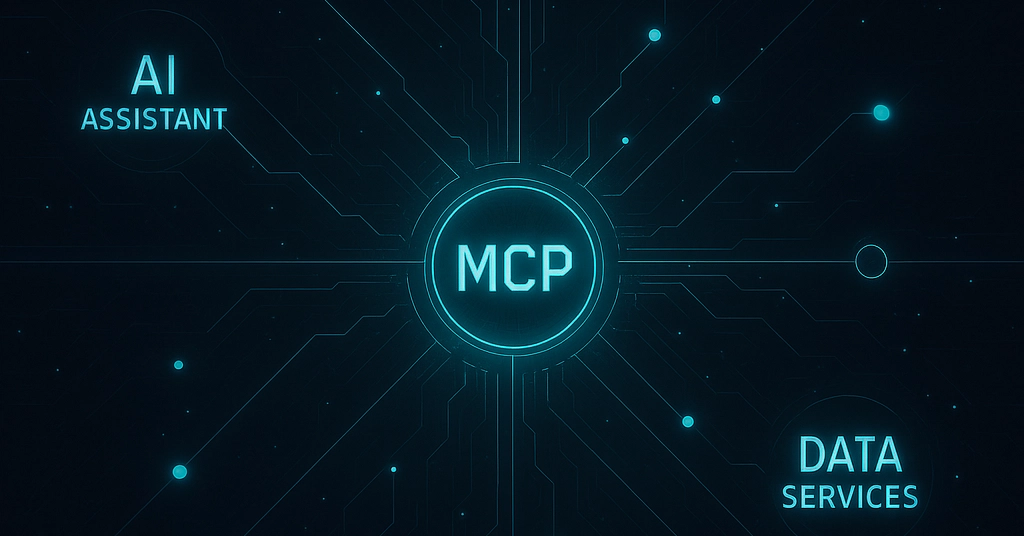
A quiet revolution is underway to solve this once and for all. It is called the Model Context Protocol (MCP).
In this deep dive, we will explore how the Hermes Agent architecture implements MCP not just as a way to call tools, but as a universal, bidirectional, and standardized integration bus. We will look at the production-grade Python patterns that turn an isolated LLM into a modular, self-improving "system of systems."