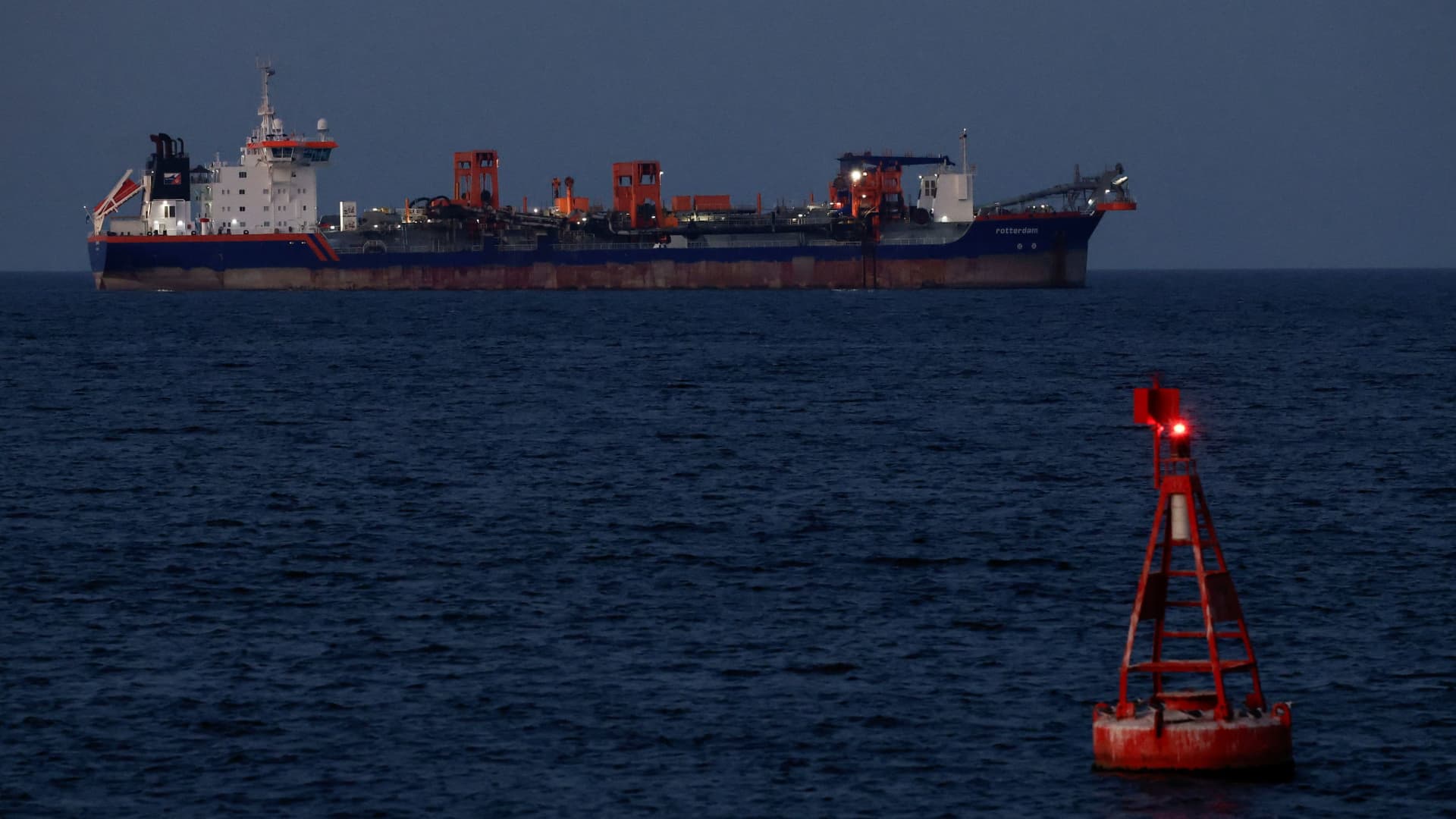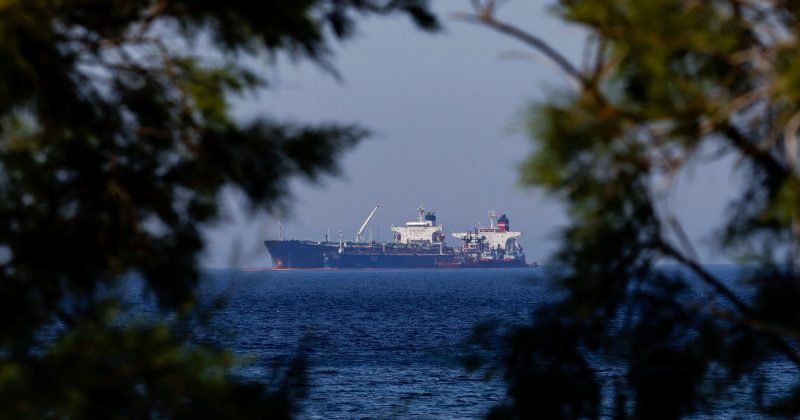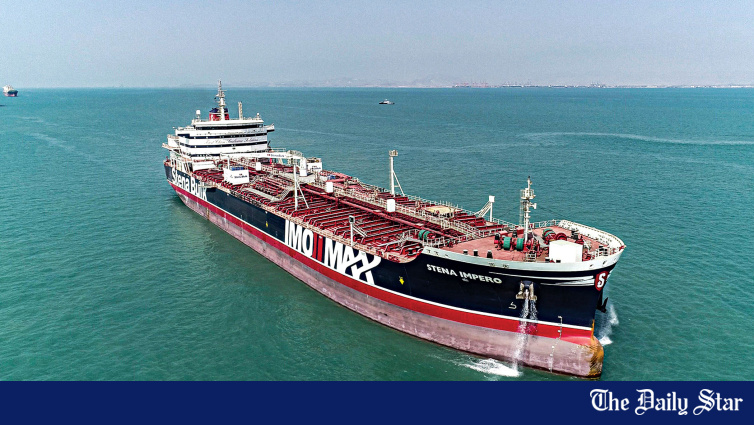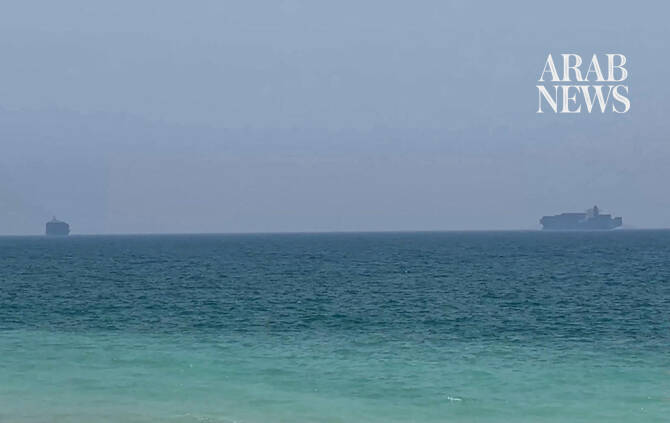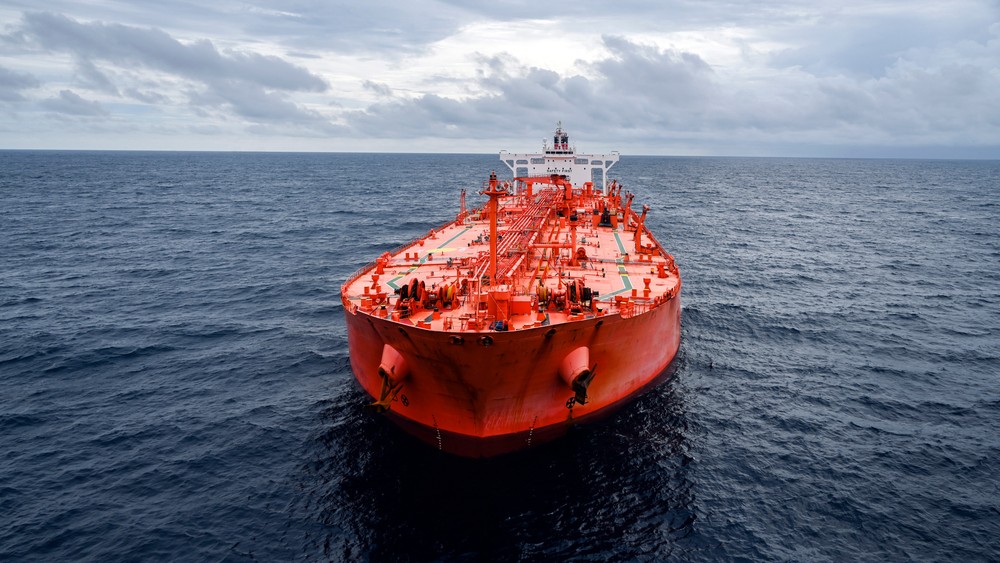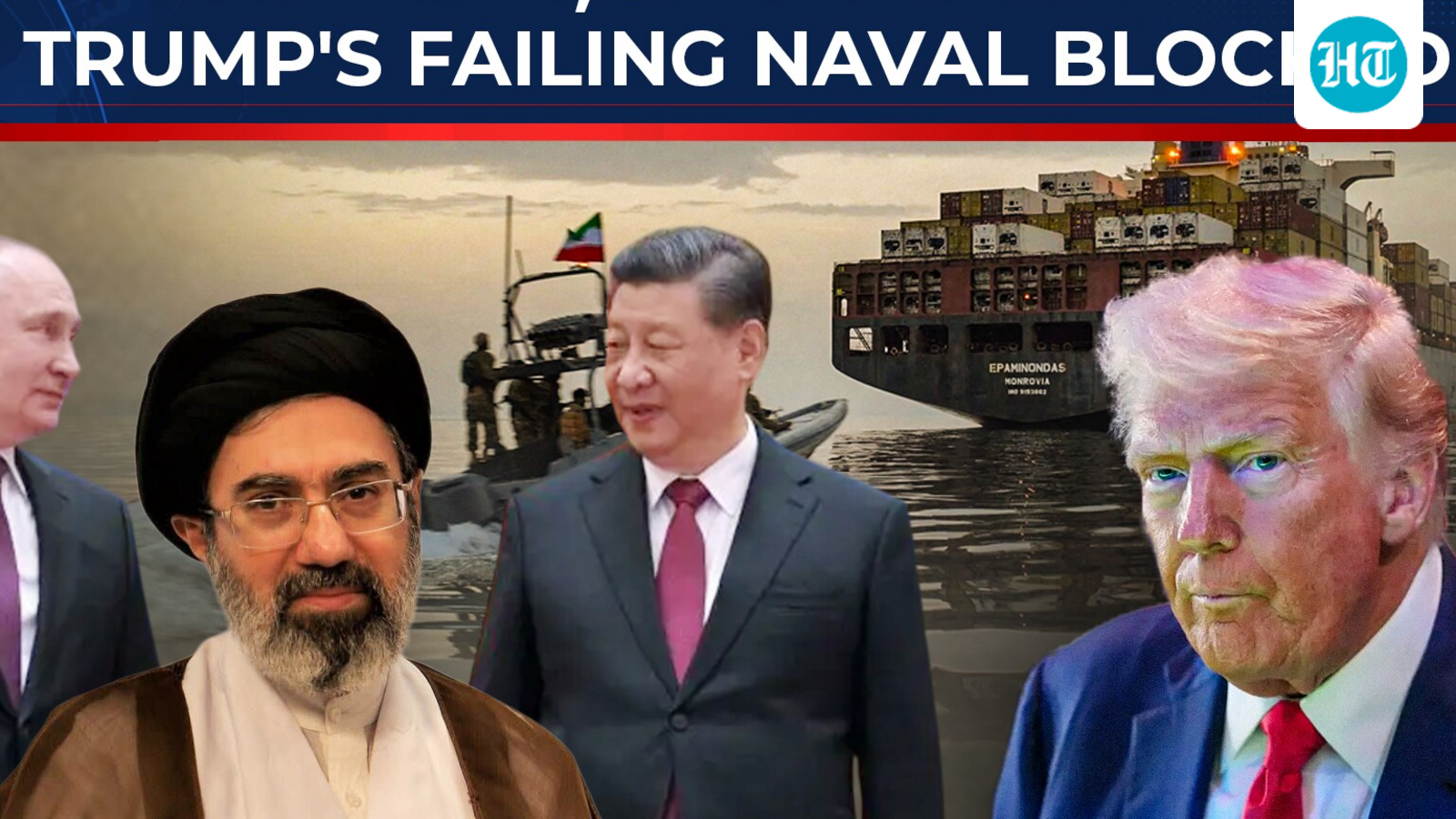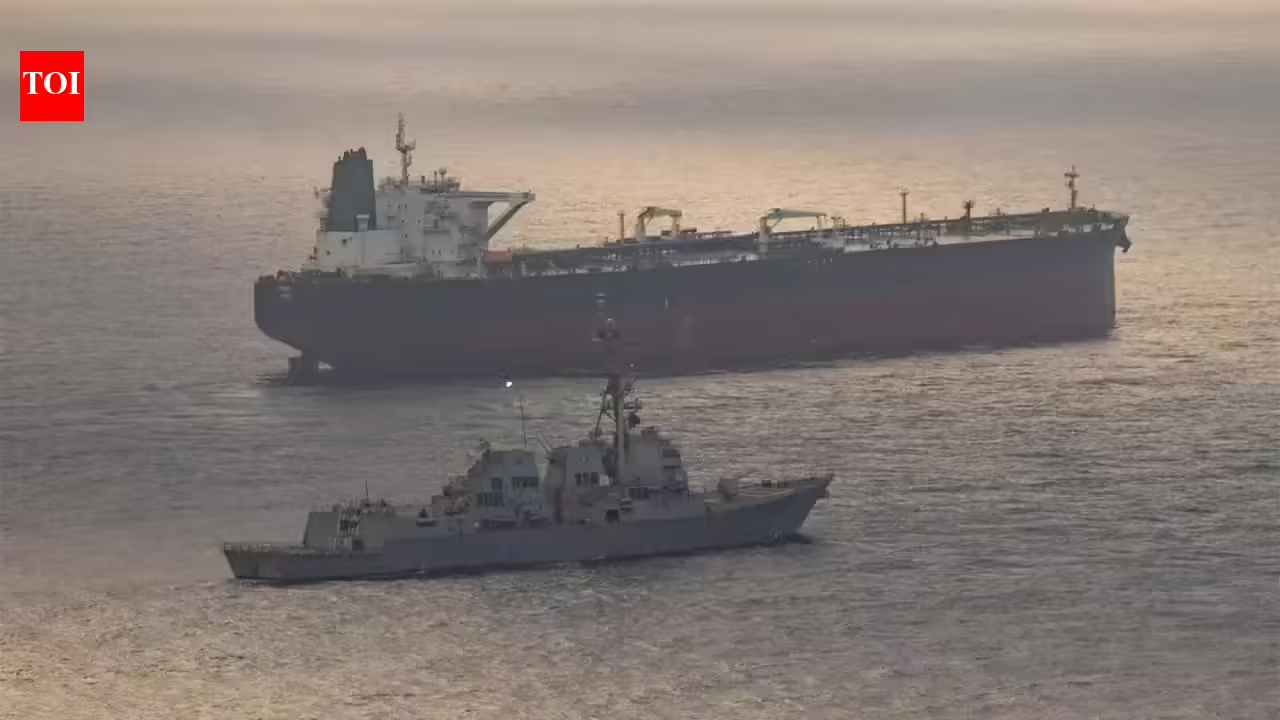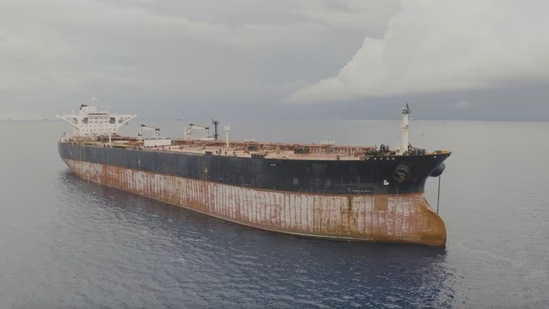
As it struggles to ship oil through the Strait of Hormuz, Iran is looking for alternative land routes to import and export goods. In March, Iran exported 1.84 million barrels per day (BPD) to Asian customers, mostly China. Although some ships managed to evade the blockade, Iran still cannot transport as much oil as it produces each day.
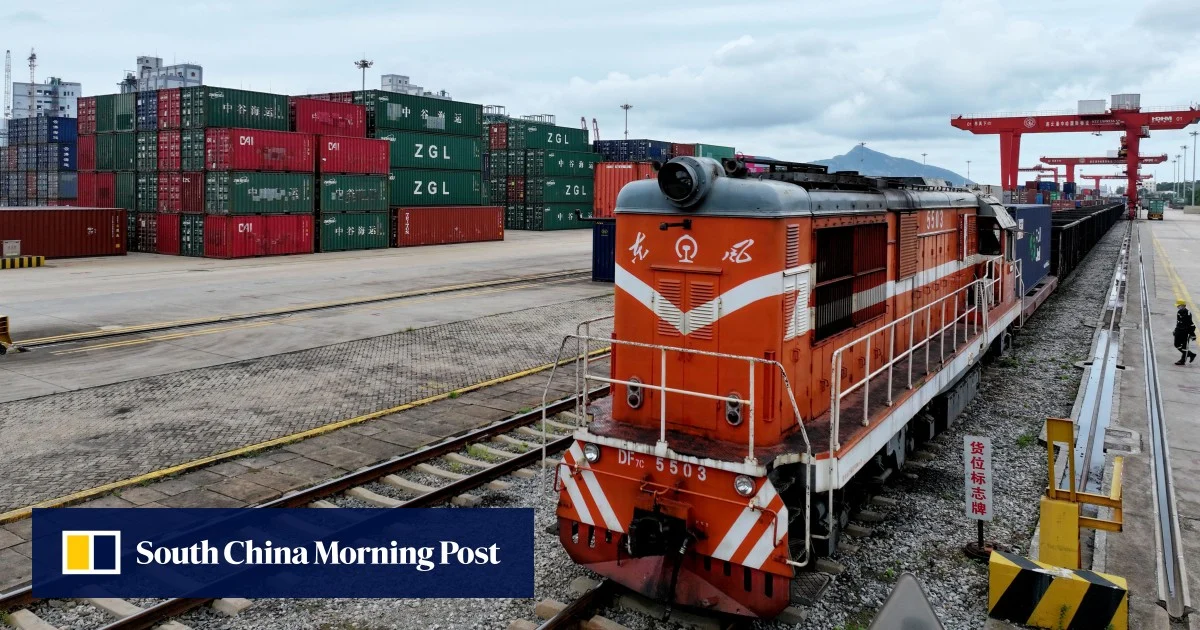
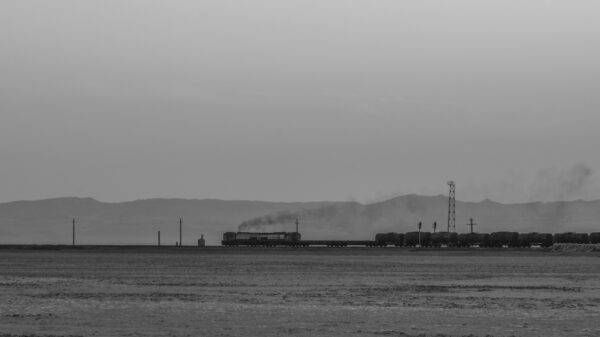
Iran is turning to railway routes through Central Asia as a safer passage for trade with China. While Iran can transport some of its oil over land by rail through Central Asia, it does not have the capability to transport the same amount as it can ship by sea. At best, moving oil over land would serve as a limited lifeline for Iran to sustain itself until the war is over.
Operating since May 2025, a 10,400-kilometer China-Iran railway corridor stretches from the Chinese city of Xi’an to Tehran. The railway passes through Kazakhstan, Kyrgyzstan, Uzbekistan, and Turkmenistan before arriving in Iran – taking approximately 15 days as opposed to a month by sea. Bloomberg reports that cargo shipments from Xi’an to Tehran have increased from one per week to “one every three to four days” since the beginning of the U.S. blockade in April.
In recent years, China, Iran, Russia, and other countries built and expanded railway routes across Central Asia. Officials from China, Kyrgyzstan and Uzbekistan announced in 2024 the long-awaited implementation of the 523-kilometer China-Kyrgyzstan-Uzbekistan (CKU) railway corridor, with China providing a $2.35 billion loan and a majority stake. In November 2025, Interfax reported that the first freight train from Russia to Iran arrived in Aprin, outside Tehran, after a 12-day journey through Kazakhstan and Turkmenistan.