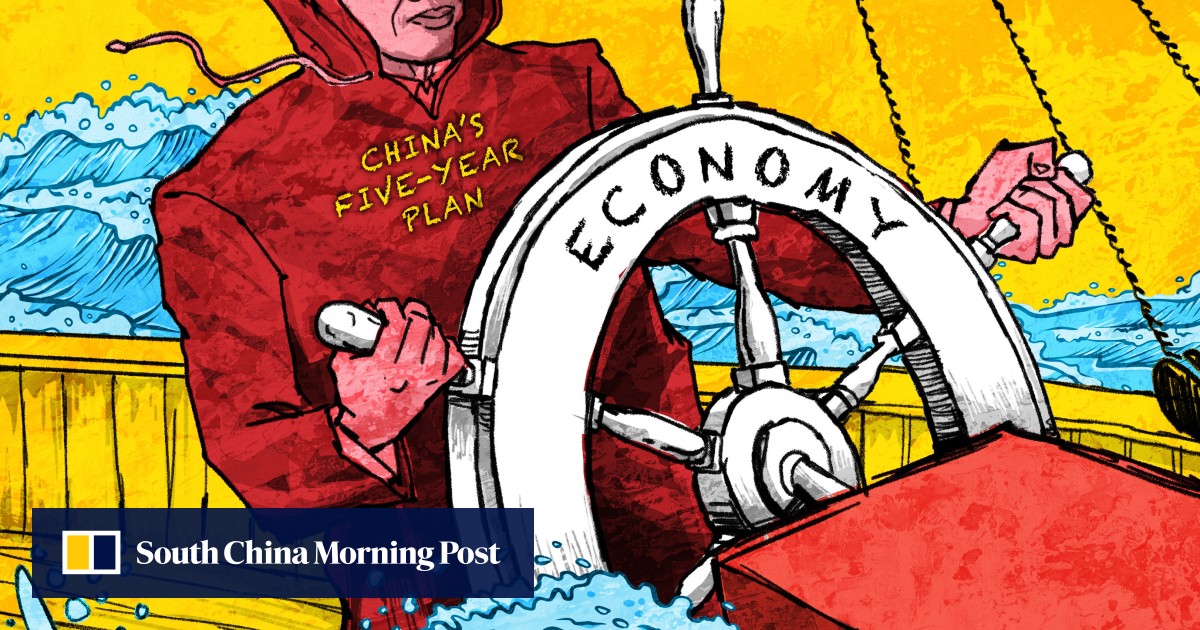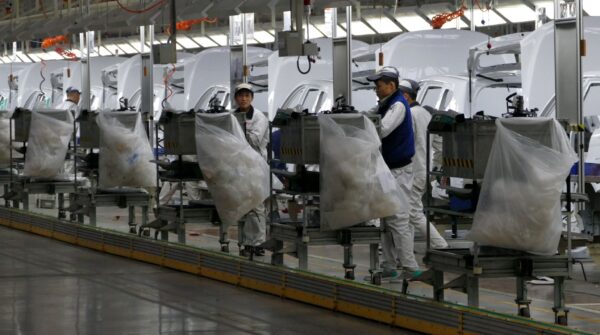
Beyond embodied intelligence and fusion energy, China’s 15th Five-Year-Plan contains a segment which may get overlooked: the so-called traditional industries. This code-name represents the low-tech industries which helped China industrialize in the past, including the emblematic Made-in-China textile industry. The fact that traditional industries remain high in the new priorities suggests that China intends to keep making low-tech goods alongside its push into advanced technology.
The question this raises is whether there is still room for other countries. If China competes simultaneously with both advanced and developing economies, is there room left for the rest of the world?
Why China Keeps Making Everything
As countries move up the value chain, they typically move on from relying on labor-intensive industries to more capital-intensive industries. For instance, Britain does not export large quantities of textiles as it once did in the 19th century, having shifted its economy toward knowledge-intensive and consumer-focused service industries, such as finance.
Anyone expecting this transition in China is still waiting. As articulated by Xi Jinping himself, China’s strategy is not to downgrade these industries into the “low-end” bracket or abandon them, but transform and upgrade them so they remain relevant on the global stage. This reflects Beijing’s broader desire to avoid deindustrialization.