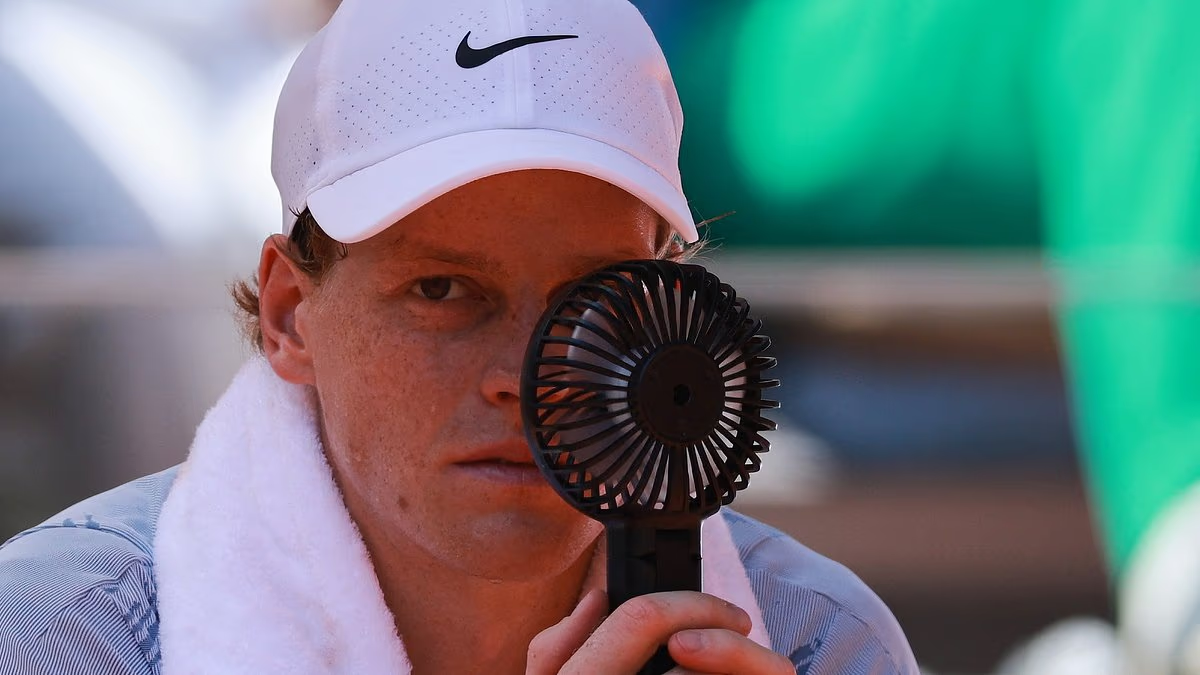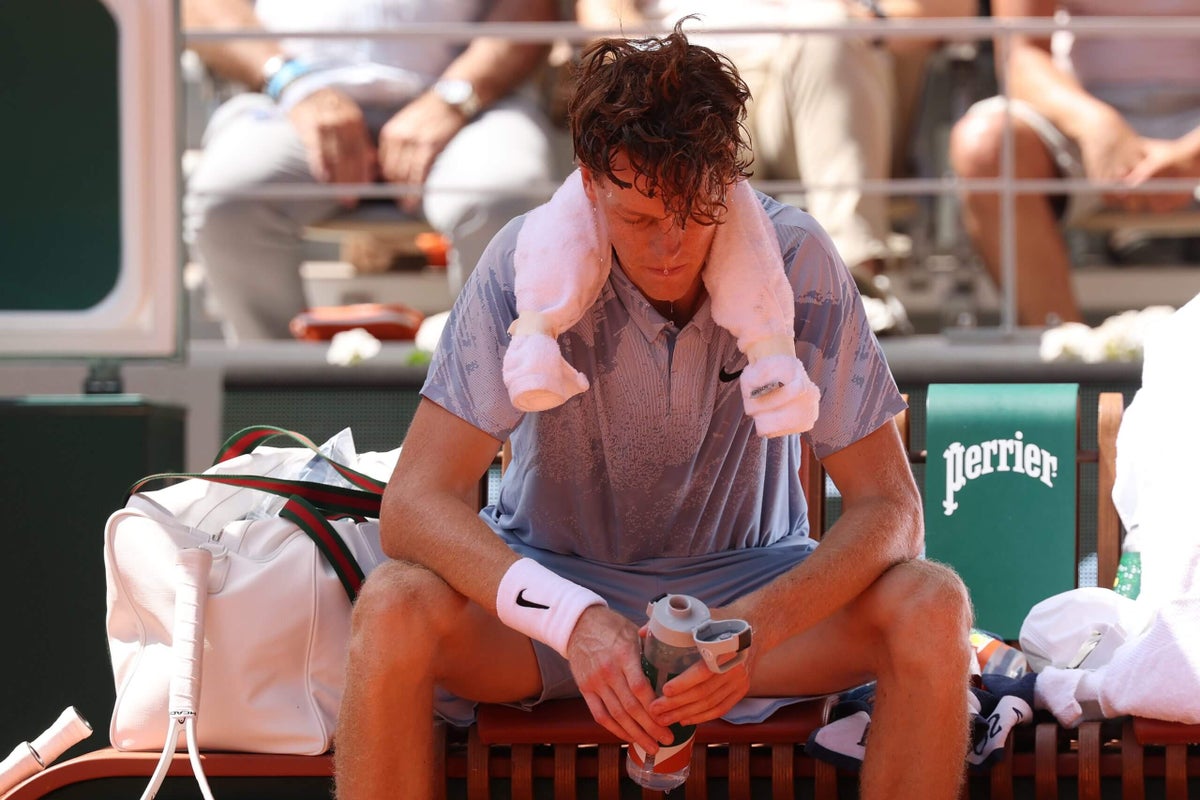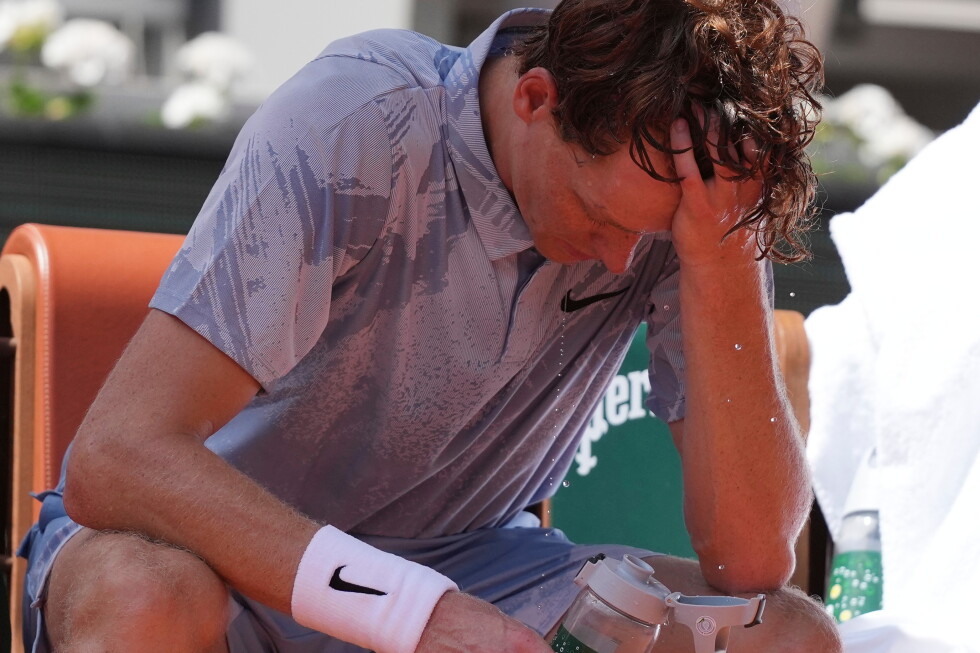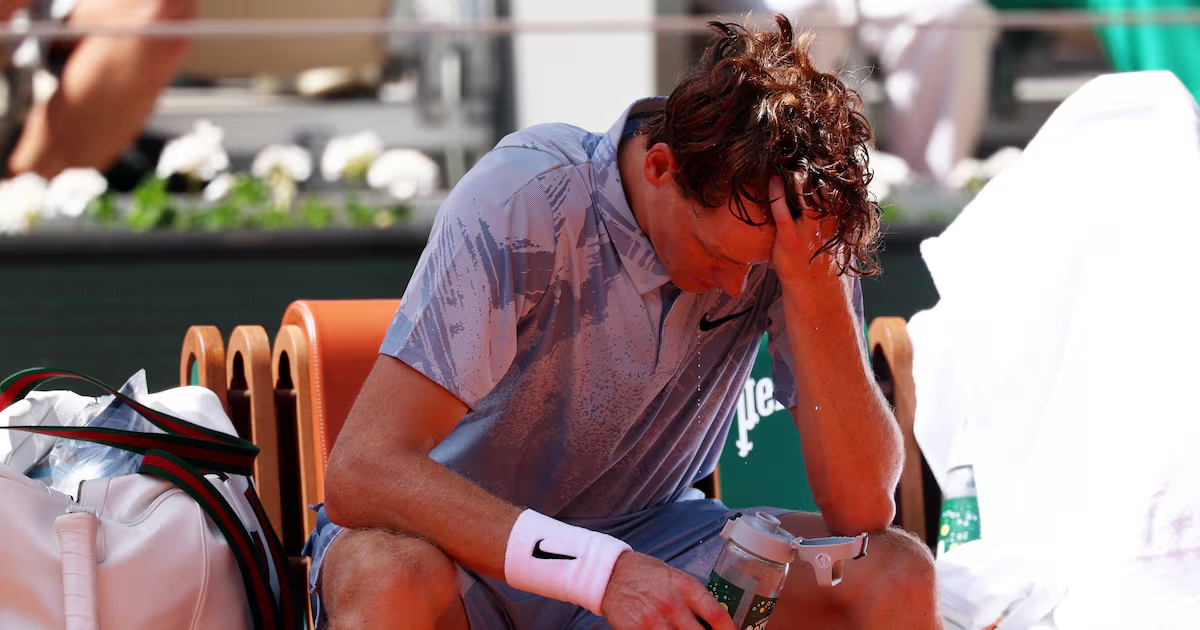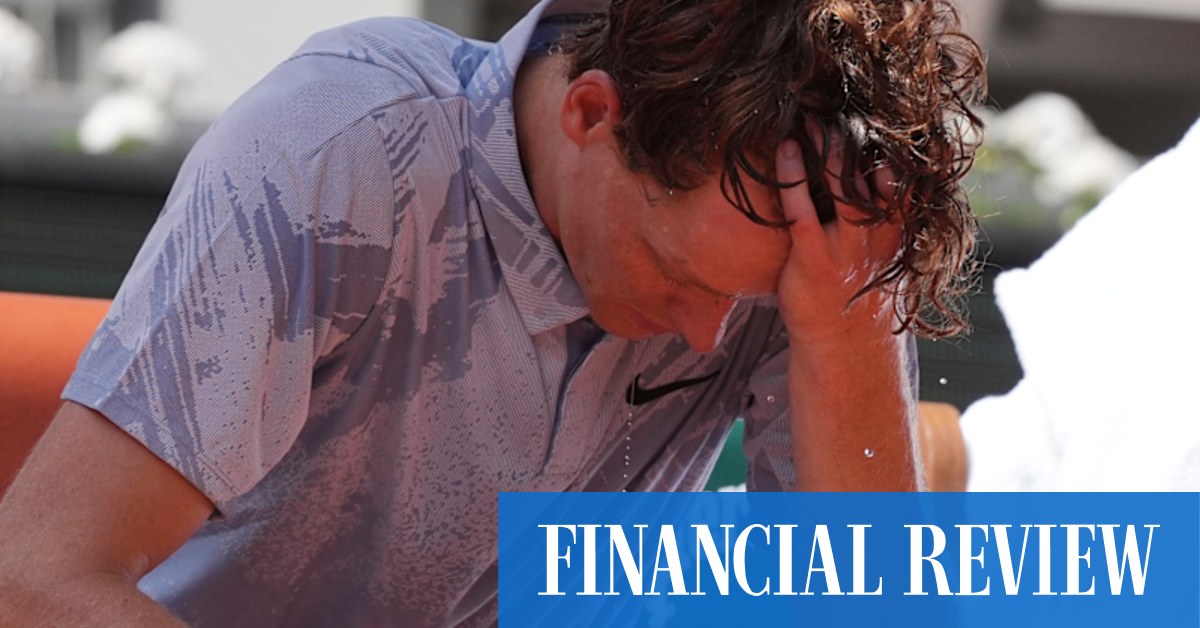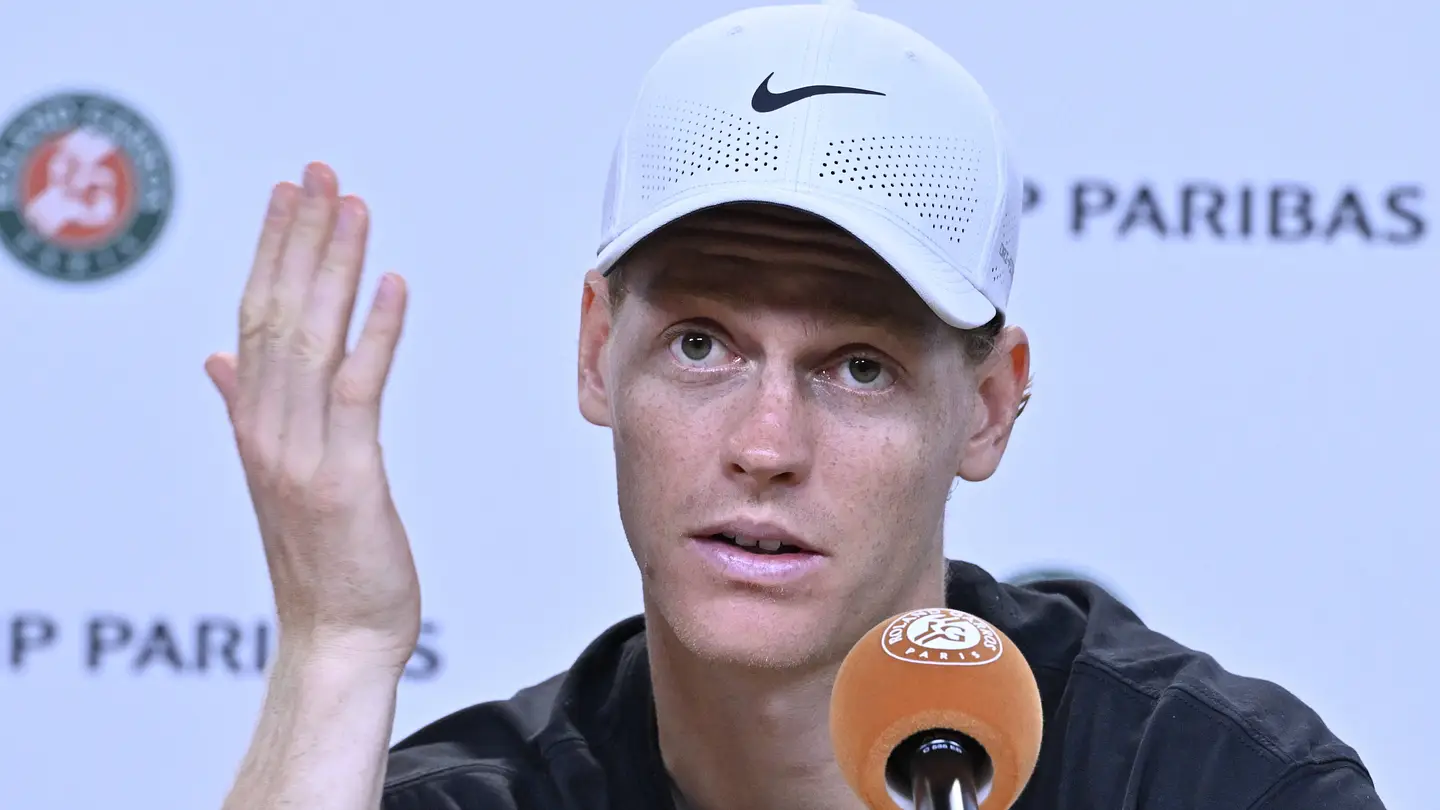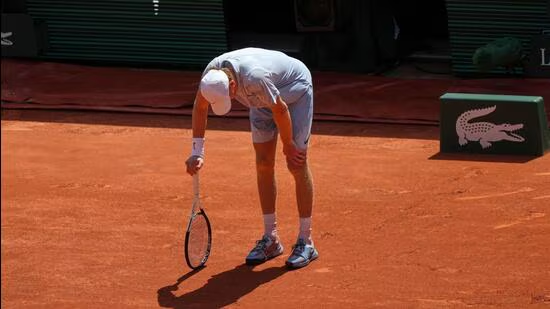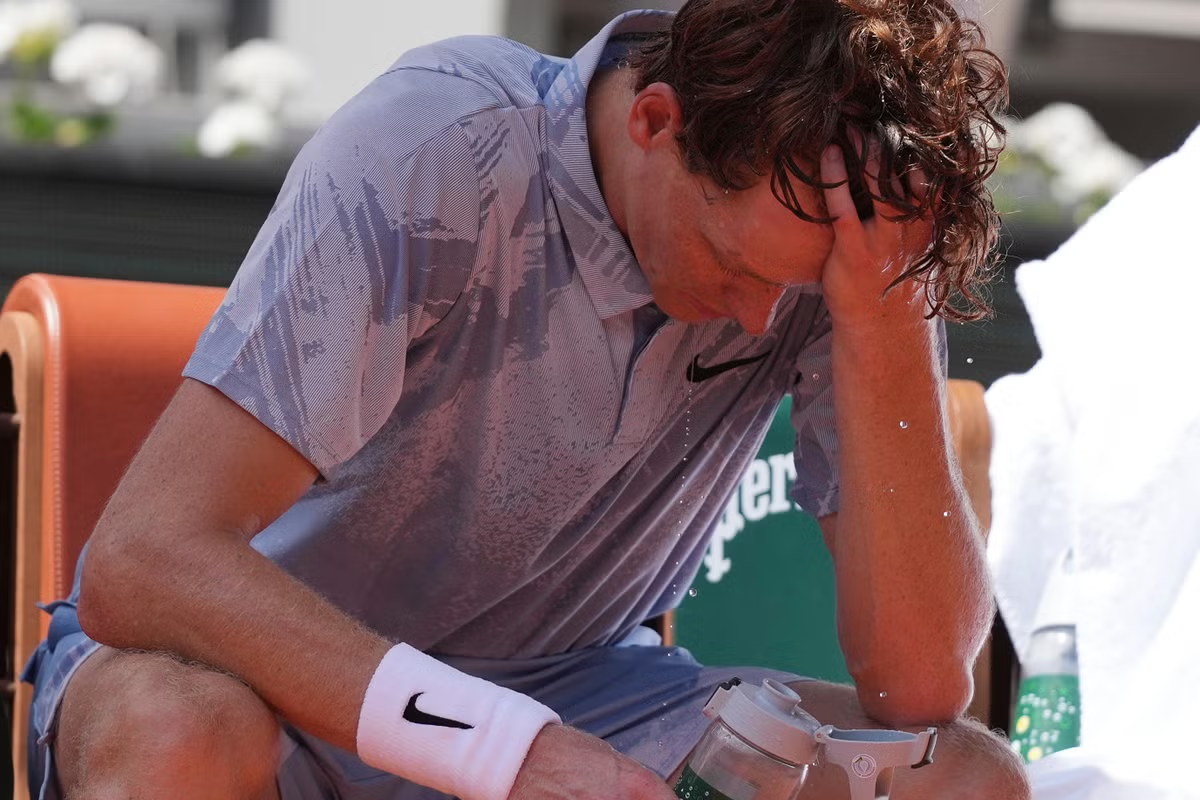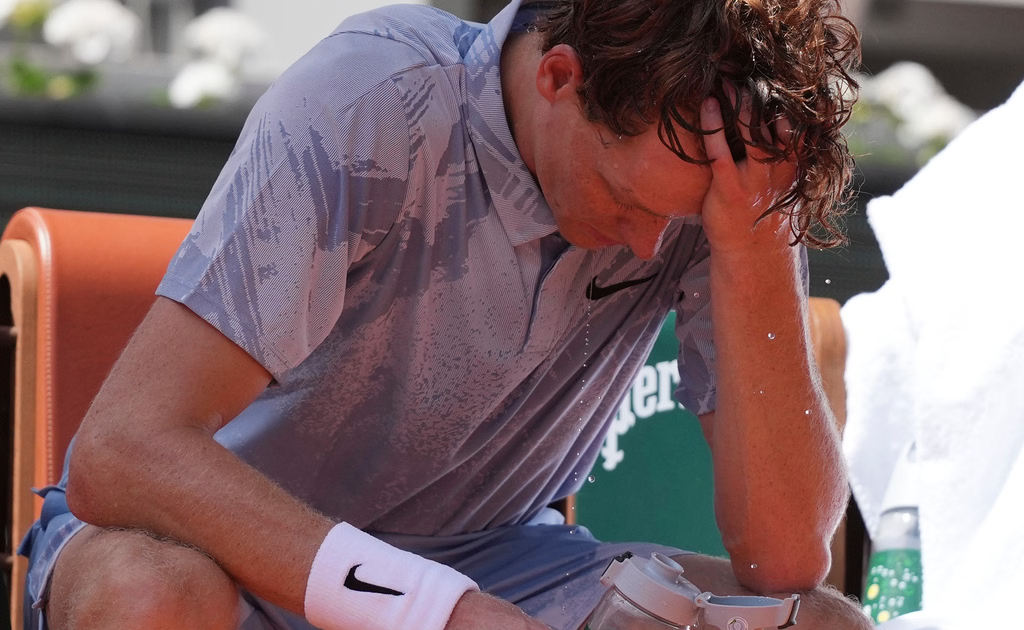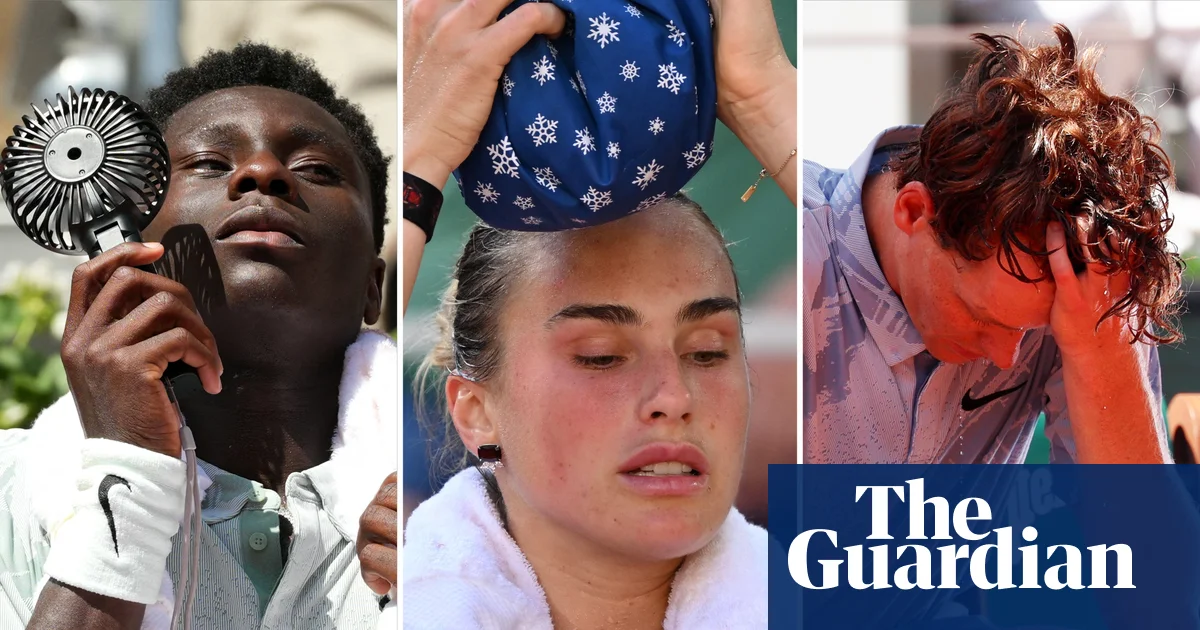
Jannik Sinner, the No 1 men’s tennis player in the world, was still leading by two sets and serving for a place in the third round of the French Open when it became clear he was in significant danger on the baking clay in Paris on Thursday afternoon. He was undone in the second round of the only Grand Slam he has yet to win, not by the ingenuity of his opponent or even the immense pressure that comes with being the prohibitive favourite, but rather by his own body. The Italian – who had not lost a match since February – said afterward that he had been struggling with an illness.Despite waving away suggestions he had wilted in the high temperatures, the unprecedented heat wave in the first week of the French Open this year could not have helped his cause. He fell 3-6, 2-6, 7-5, 6-1, 6-1 to Juan Manuel Cerúndolo before a stunned, packed audience on Court Philippe-Chatrier, the crowd veering between cowering from the sun and astonished at the sight of a historic result unfolding. Sinner could barely walk and was completely uncompetitive in the second half of the match.His defeat represents one of the most shocking results in recent years. The 24-year-old had entered the court on a 30-match winning streak and earlier this month he became the only man other than Rafael Nadal, the greatest clay court player in history, to win all three clay court ATP Masters 1000 titles in the buildup to the French Open. In the absence of his great rival, Carlos Alcaraz, last year’s champion who is sidelined indefinitely due to a right wrist injury and will also miss Wimbledon, no other player had shown that they could consistently match Sinner’s level.Spectators hide from the sun as they watch Iva Jovic against Emma Navarro. Photograph: Julien de Rosa/AFP/Getty ImagesHowever, Sinner is renowned for his frailty in the heat and the decision to schedule his match first on Court Philippe-Chatrier at midday had already led many people to wonder whether he would be able to handle the conditions. When he began to fall apart physically, most people naturally assumed that he was struggling with the heat. He later insisted appearances were deceptive and that only illness was the source of his misery. “This is the sport. It was warm, but not crazy warm. I feel like it was quite OK to play. Really it was nothing against the heat, nothing against the weather. It was just me today, but it happens.”Most players are used to disruptive weather at Roland Garros coming in the form of rain delays and damp courts, but this year in Paris the heat has changed the state of play and divided the locker room over its intensity. The temperature has consistently ranged between 32 and 35C most afternoons so far.Such conditions are so rare in the second Grand Slam of the year that there was significant confusion about the tournament’s heat rules at the start of the week. When asked about them on Wednesday, Novak Djokovic incorrectly thought that they did not exist: “I really don’t understand why they don’t have the heat rule,” he said. “I actually didn’t know. I thought that there is in every slam, but then someone told me that Roland Garros has no heat rule.”The actual rules are based around the tournament organisers using wet bulb sensors to monitor the temperature, and a match could be suspended when it crosses 32.2C. To date, however, no match has ever been suspended at Roland Garros due to the heat.The scorching temperatures also make a significant difference to the way matches are played on clay. Wet, damp and colder conditions make balls heavier, leading to longer rallies and a lower bounce, the hot weather hardens the court and allow the ball to fly more quickly. The faster courts this year suit more offensive players, aiding serving. Players capable of generating heavy topspin, such as the retired 14-time champion Nadal, are even more dangerous with the ball bouncing high.As with many things, the players are split on just how difficult this heat has been to handle. The 26th seed Jakub Mensik described the conditions as “insane to play in” for so long after collapsing with cramps and having to be escorted towards the locker room in a wheelchair after his dramatic five set second-round win over Mariano Navone on Wednesday. Despite being well known for his durability, the two-time French Open finalist Casper Ruud completely overheated in his first match and looked on his way out before recovering in the fifth set to defeat his challenger Roman Safiullin. “I felt at times really dizzy and just really tired and walking around like a zombie almost,” Ruud said.France’s Moise Kouame is helped to get up during his second-round match against Adolfo Daniel Vallejo. Photograph: Yoan Valat/EPAHowever, as Sinner claimed, not everyone agrees that these conditions are particularly extreme. Competing in the heat is a standard part of tennis, a sport that essentially follows the sun around the globe. Ben Shelton, the fifth seed, noted that the US players have an advantage this week: “In general, yes. I think that we’re more used to dealing with it. All of us live in Florida, so that physical part becomes less of a factor.”After closing out her 7-6 (1), 6-4 second round win over Donna Vekic, the four-time grand slam champion Naomi Osaka, who also spent her formative years in Florida, said she only wished it could be hotter: “I kind of like it. I want them to turn it up a little bit.”
Baking on the clay: How players are feeling the heat in a French Open furnace
Jannik Sinner has blamed illness rather than high temperatures for his shocking exit while the locker room is divided over the weather at Roland Garros
934 words~4 min read