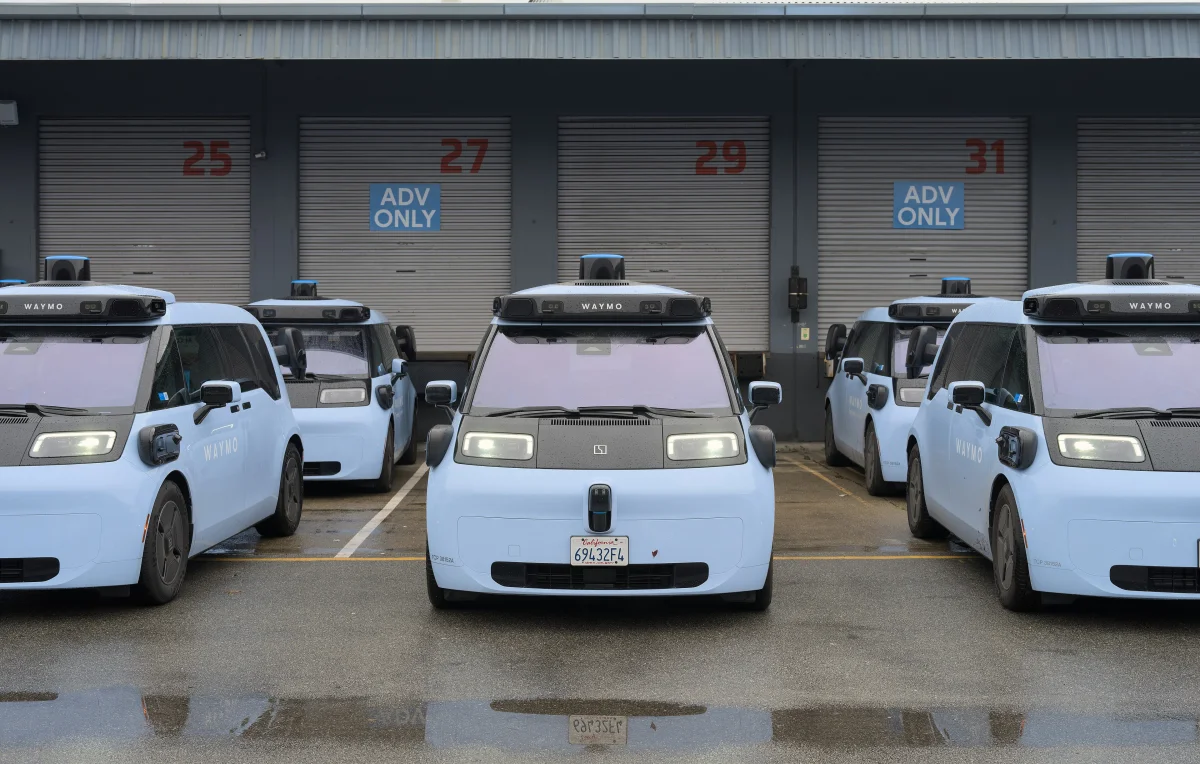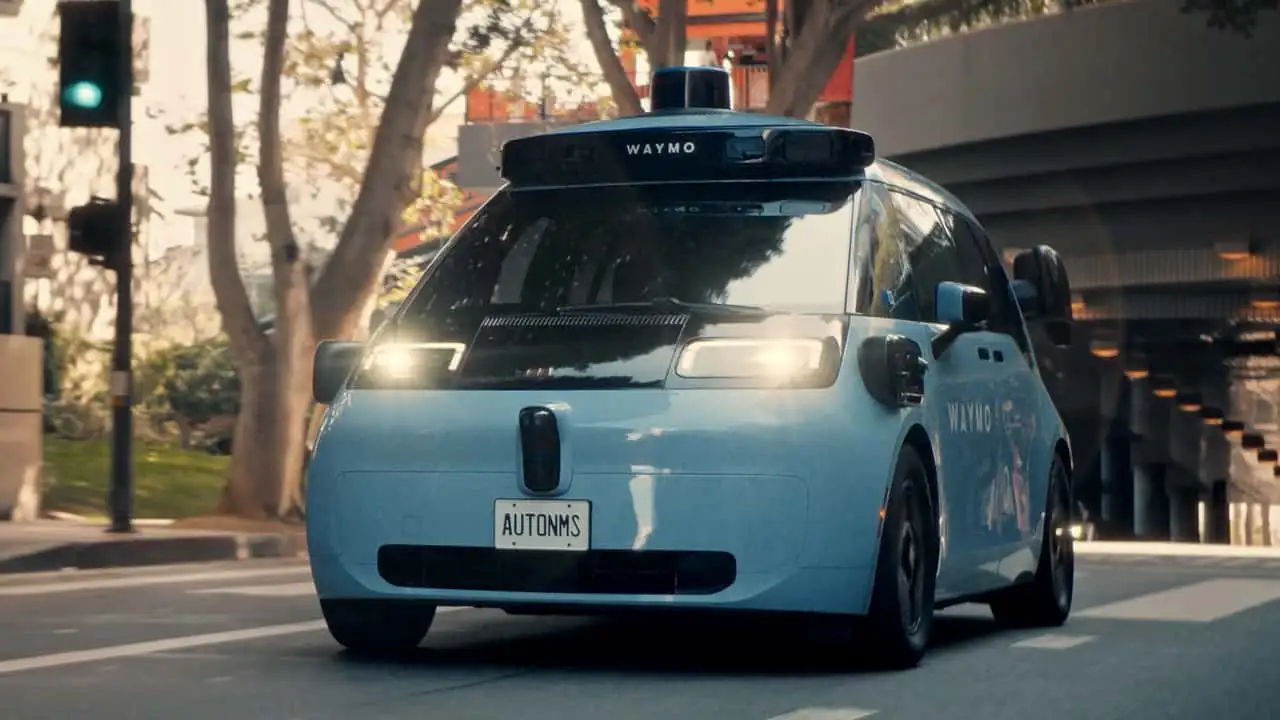
TL;DRWaymo has opened its sixth-generation Ojai robotaxi to select riders in San Francisco, Los Angeles, and Phoenix. Built by Geely’s Zeekr in China, the Ojai cuts sensor count by 42% and costs roughly $75,000 less per unit than the Jaguar I-PACE it replaces.
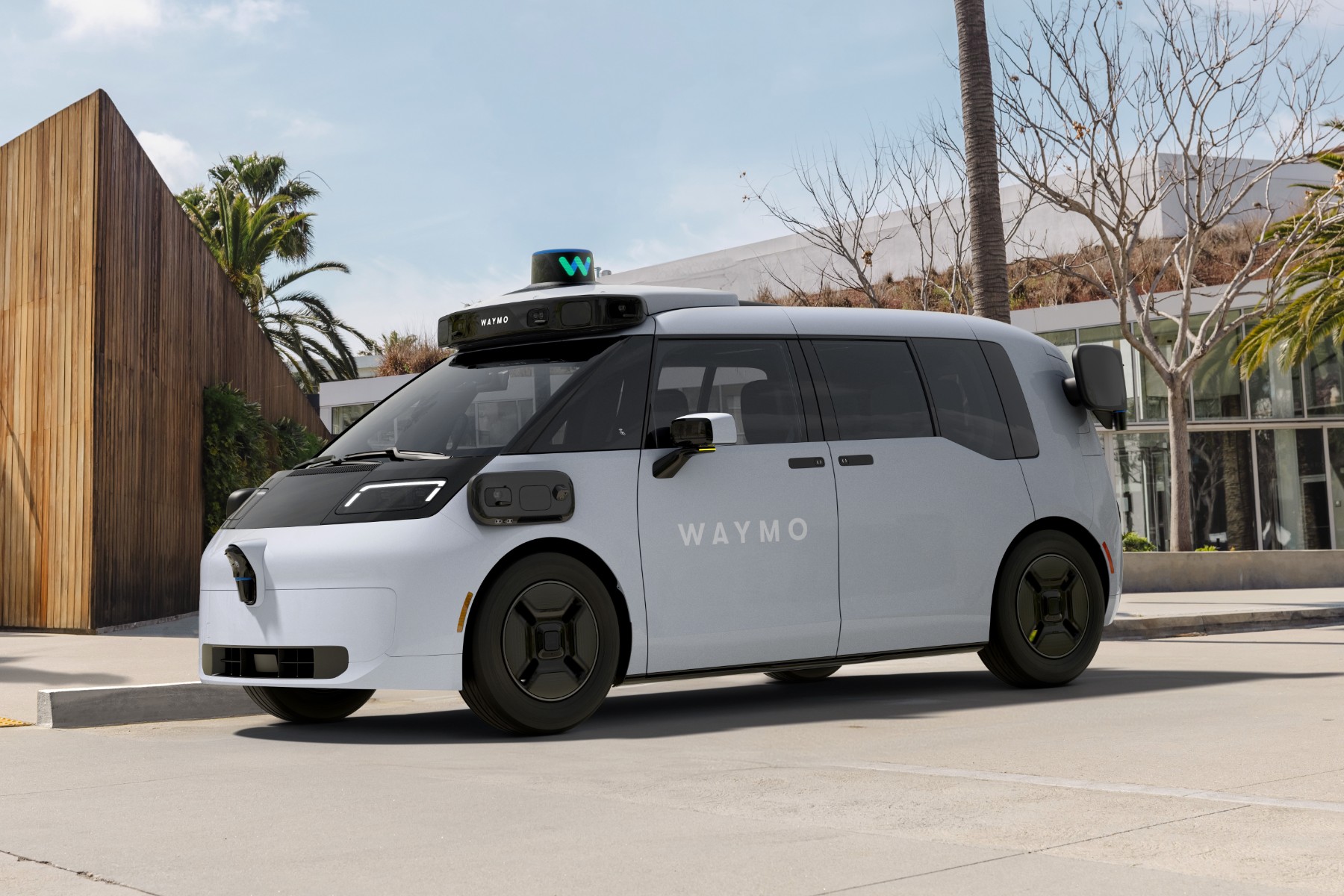
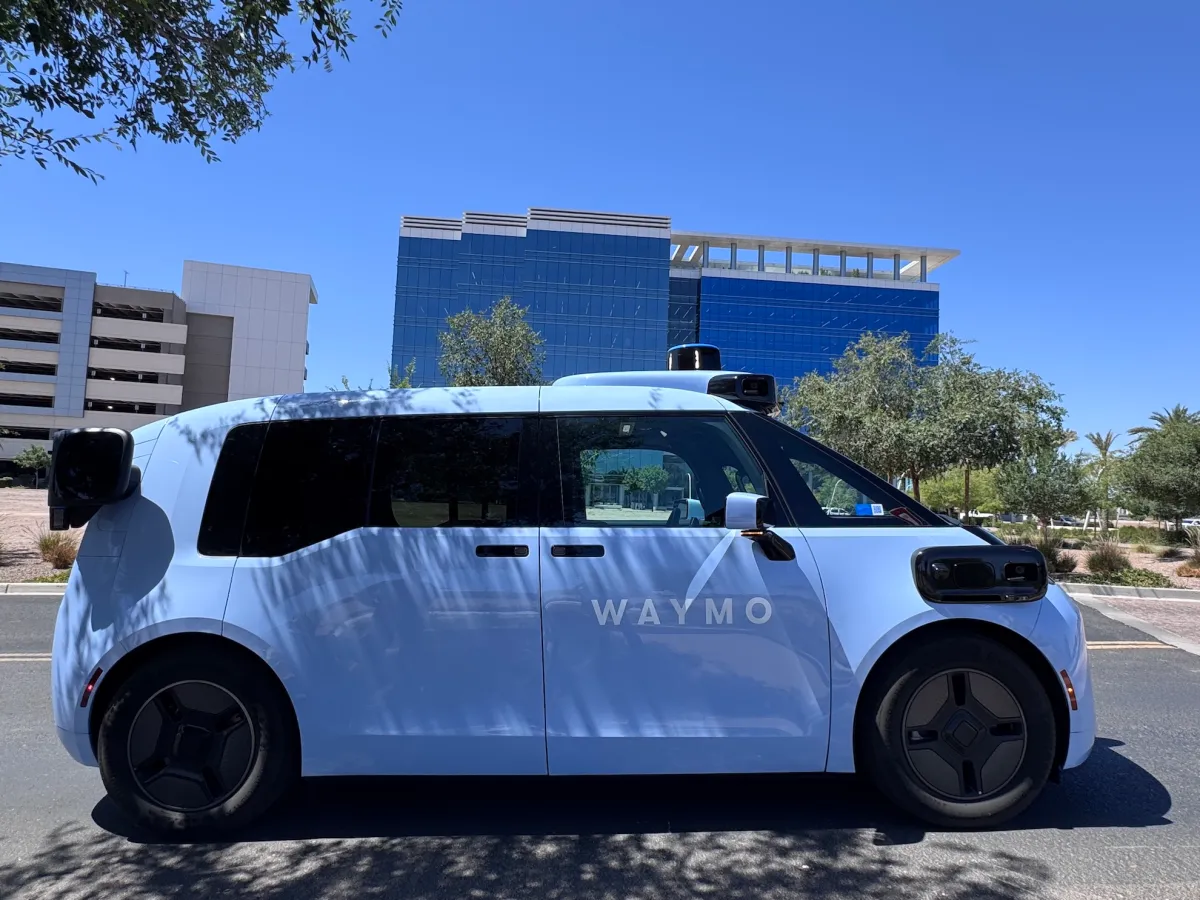
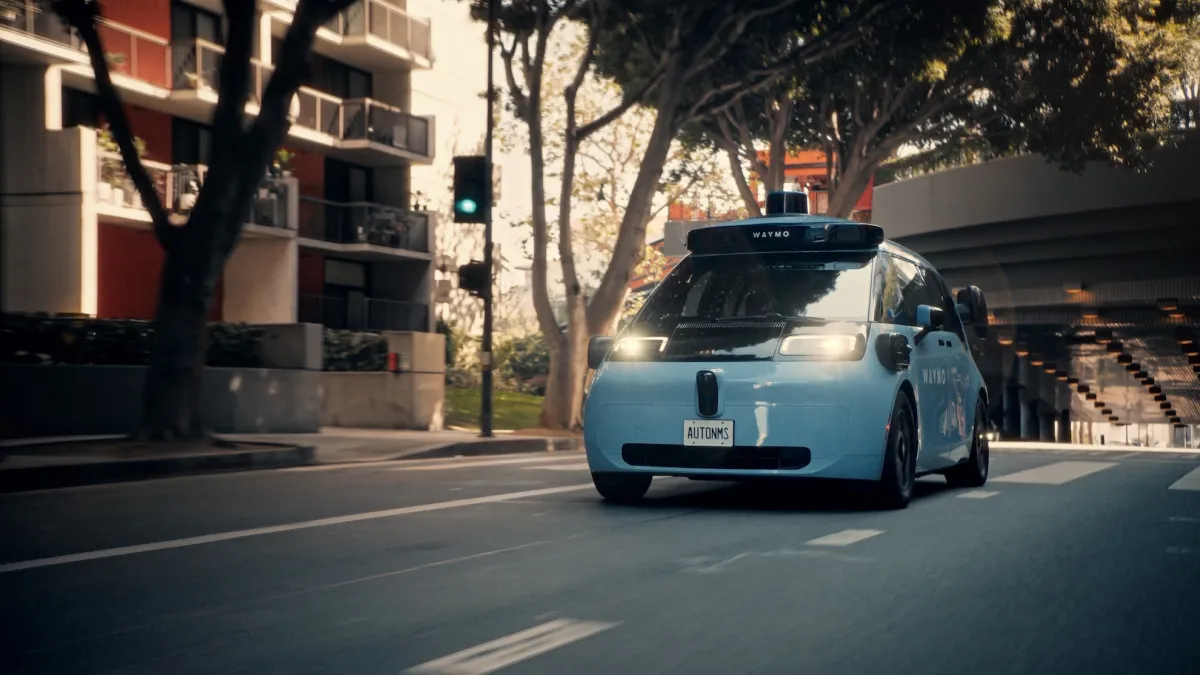
Waymo has started offering rides to select passengers in its new Ojai robotaxi, the first vehicle purpose-built for autonomous ride-hailing rather than retrofitted from an existing car. The Ojai runs on Waymo’s sixth-generation Driver system and is built on a platform manufactured by Zeekr, the electric vehicle brand owned by China’s Geely, the same conglomerate that owns Volvo. Rides are initially available in San Francisco, Los Angeles, and Phoenix, with San Diego, Las Vegas, and Denver expected to follow this summer.
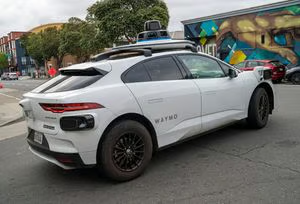
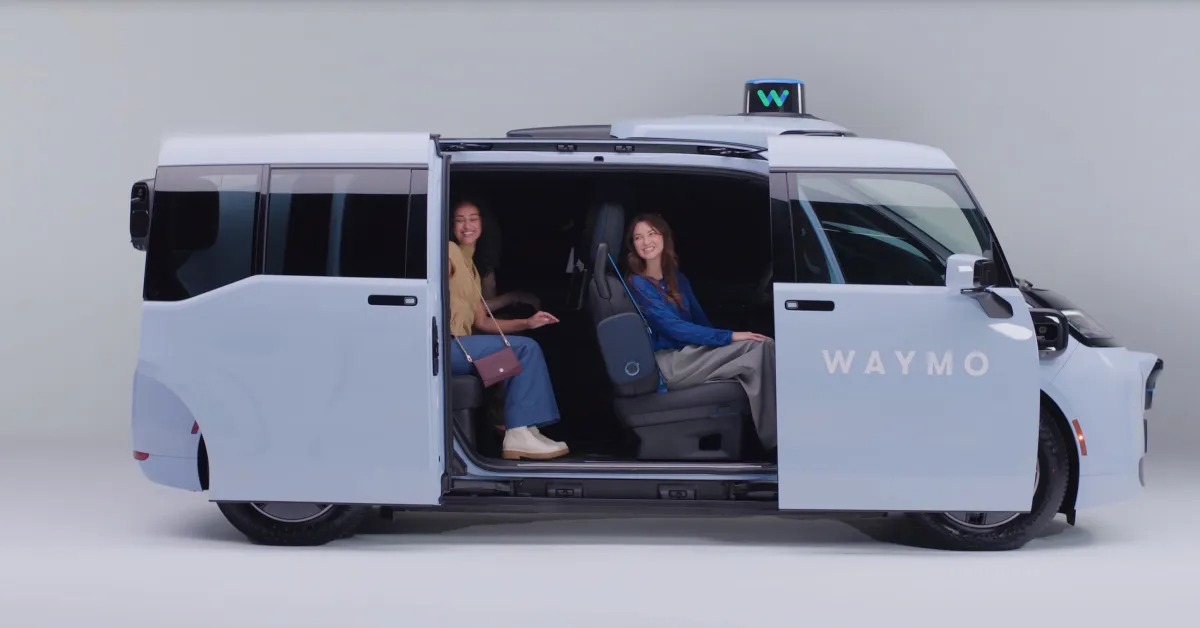
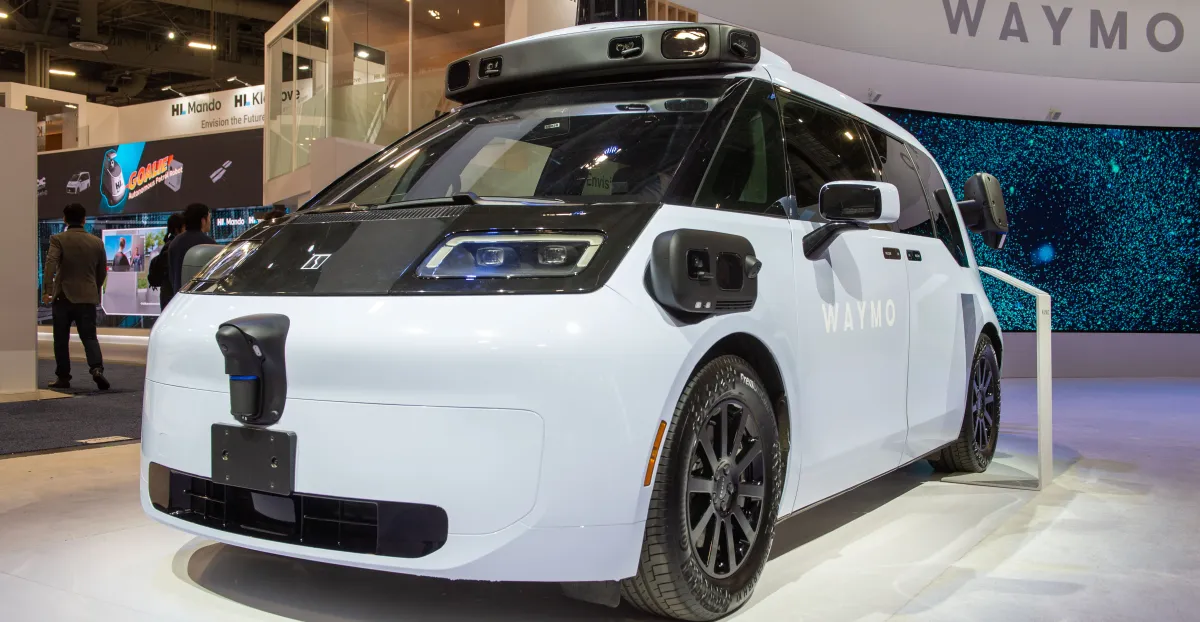
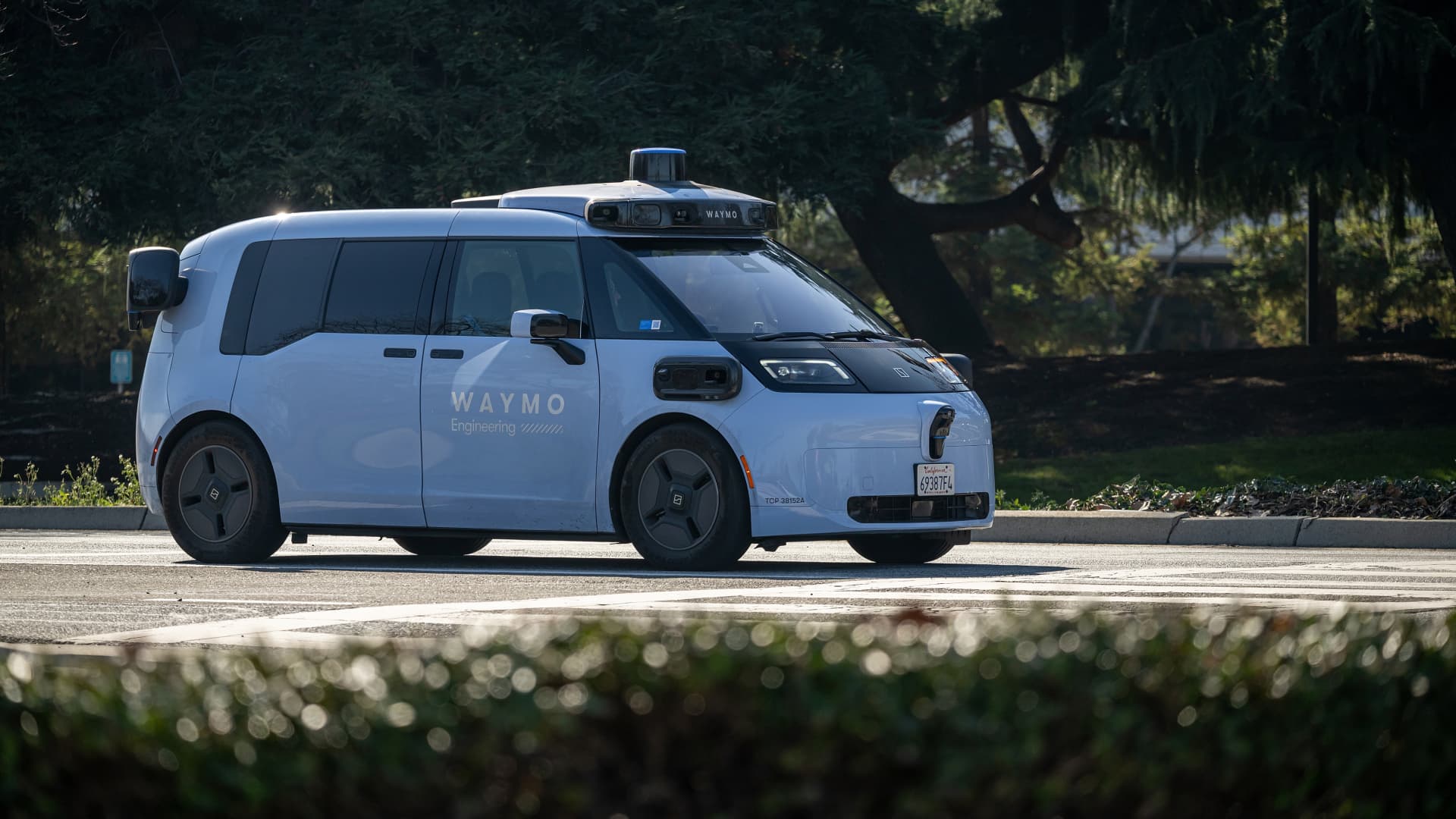
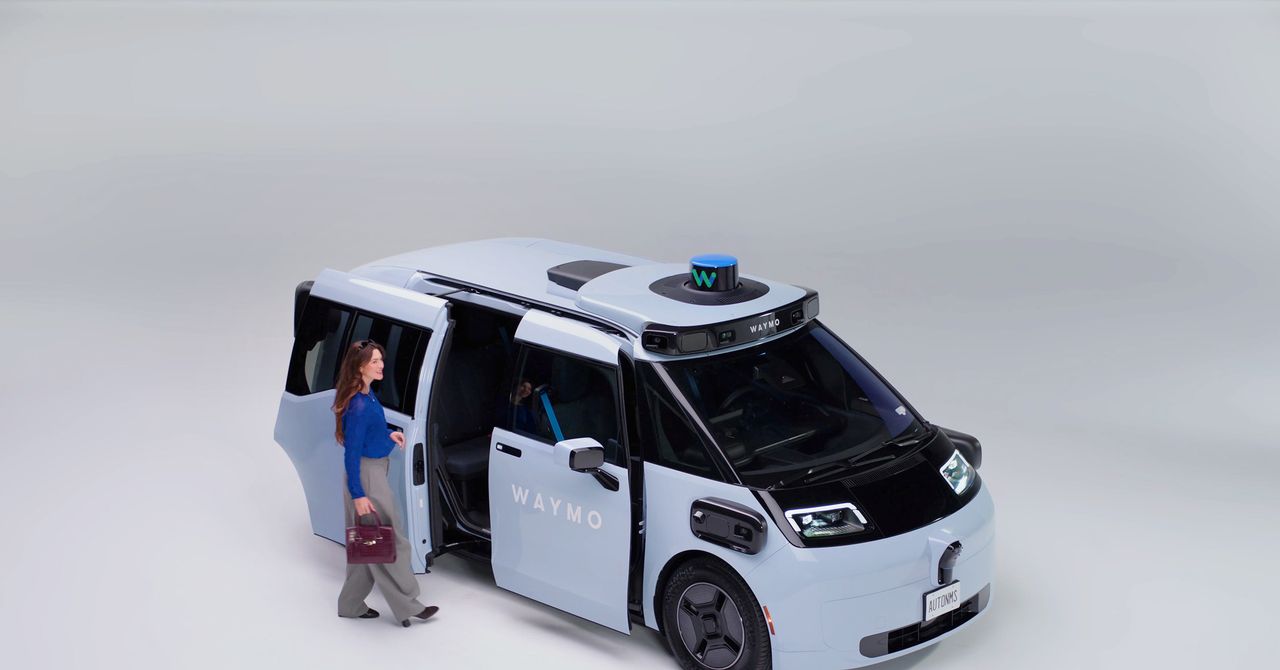
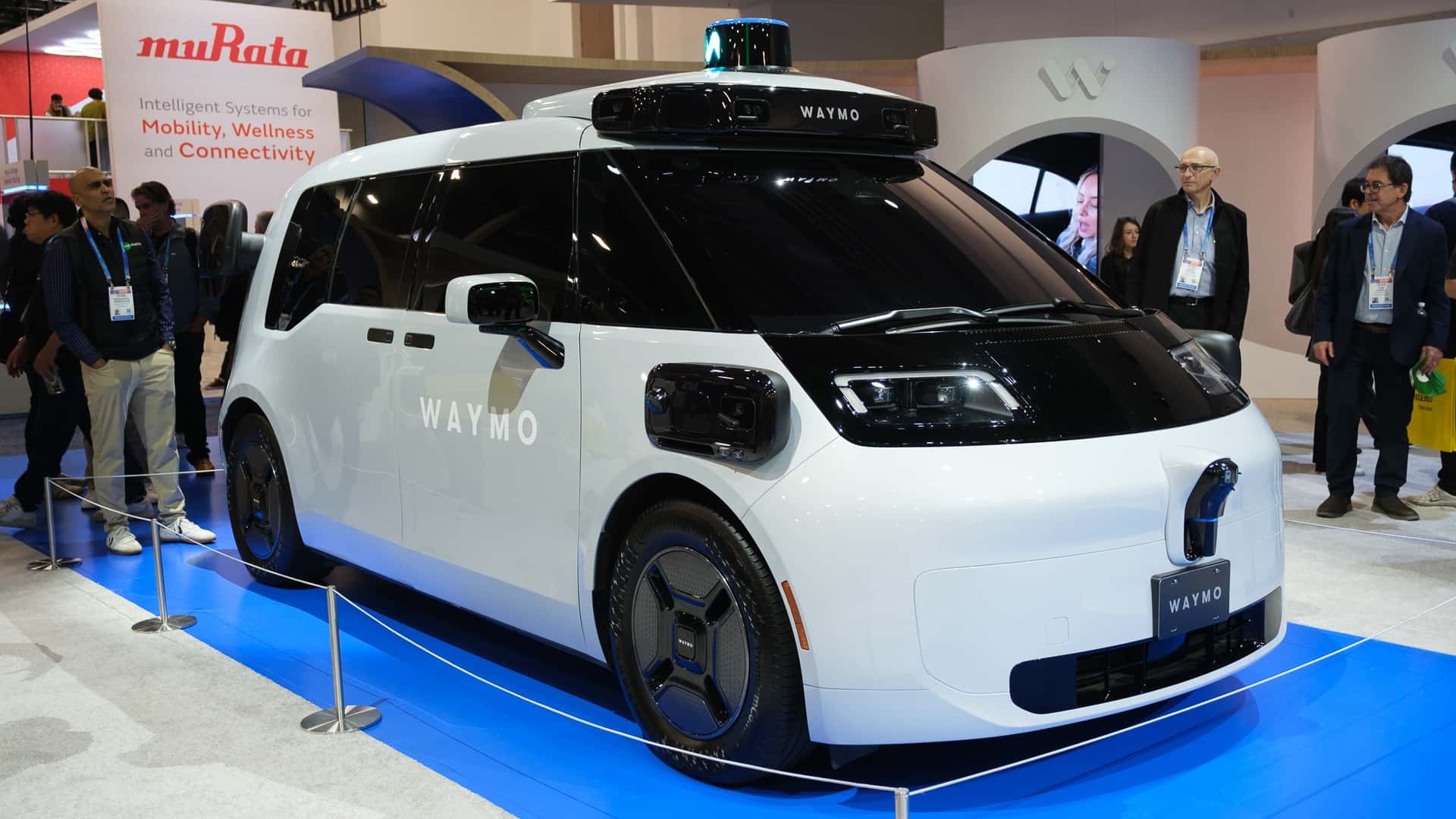
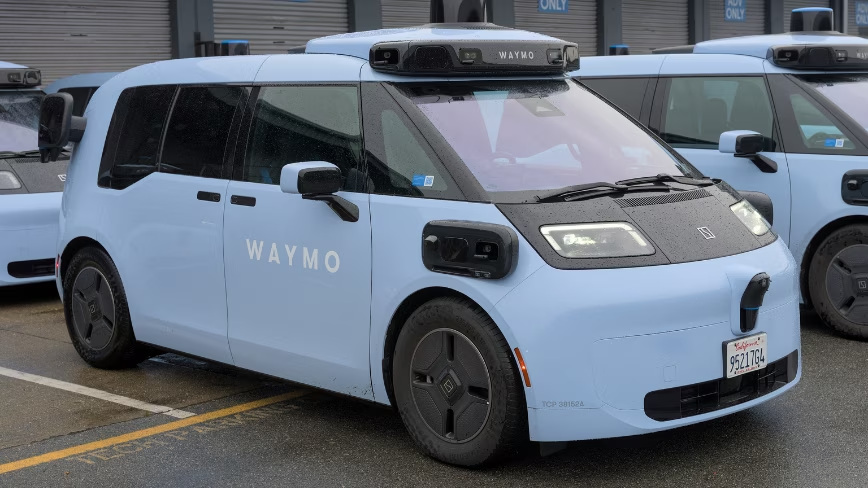
The Ojai replaces the Jaguar I-PACE that has served as Waymo’s primary robotaxi since 2020. It is a boxier, roomier vehicle with a lower step-in height, a higher ceiling, and a removable steering wheel. The interior is designed for passengers rather than drivers, reflecting the fact that nobody is supposed to sit behind the wheel.
Fewer sensors, lower cost
The most significant change is economic. The Ojai uses 13 cameras, four lidar units, and six radar sensors, a 42% reduction in total sensor count compared with the 29 cameras on the fifth-generation I-PACE fleet. Waymo has compensated for the smaller number of sensors by upgrading their quality. The system uses a new 17-megapixel imager that the company says delivers sharper images with better thermal stability, providing an overlapping 360-degree field of view that can identify objects up to 500 metres away in darkness.