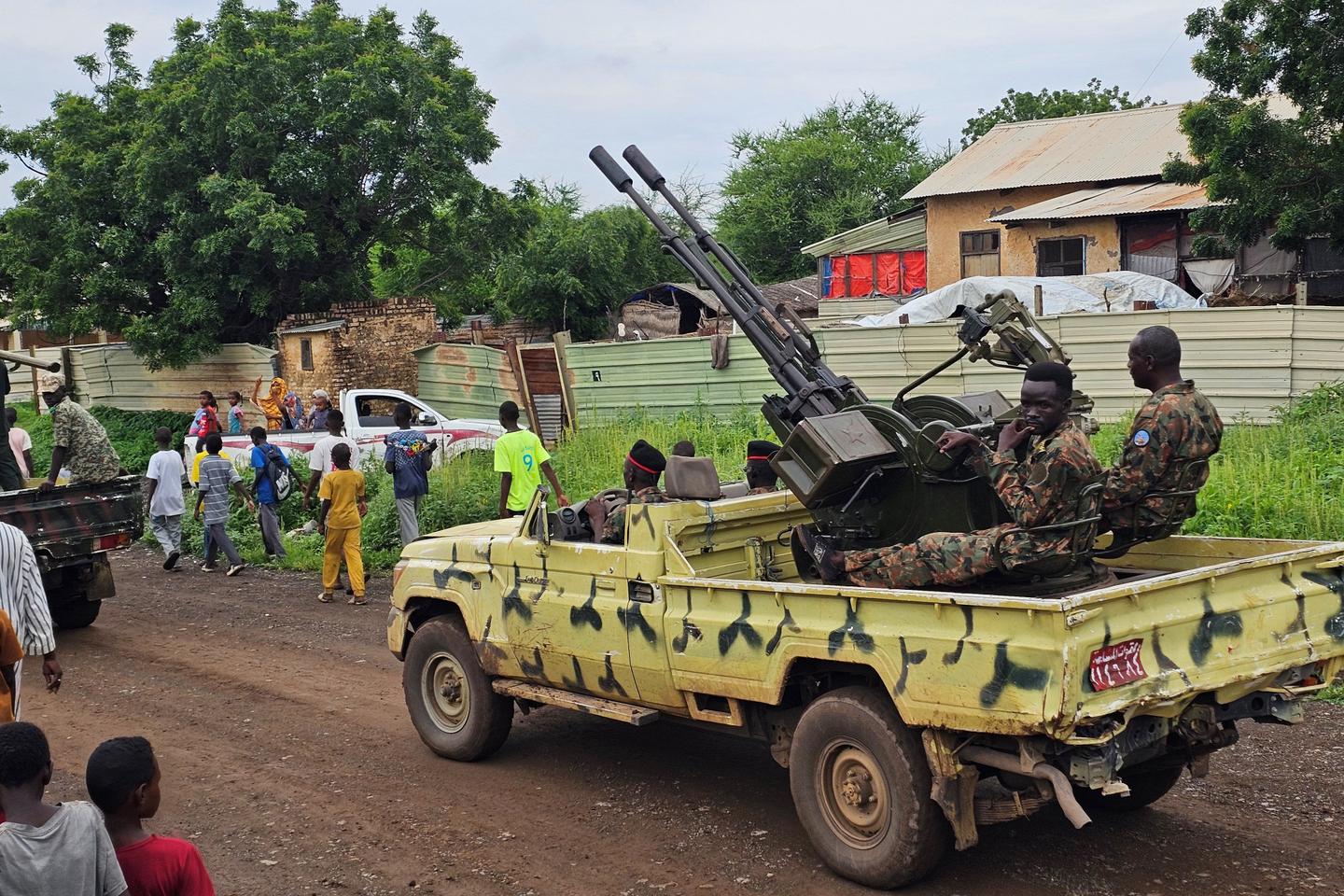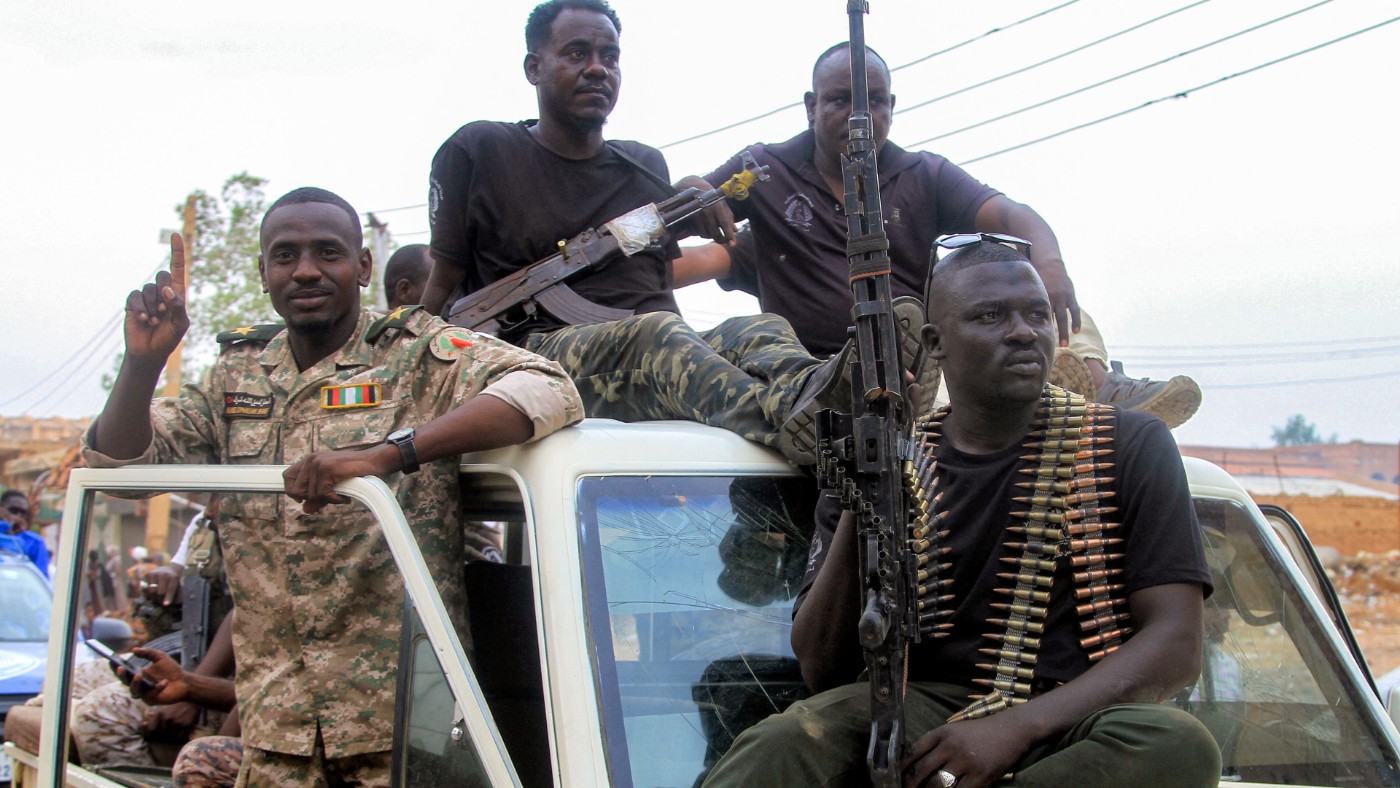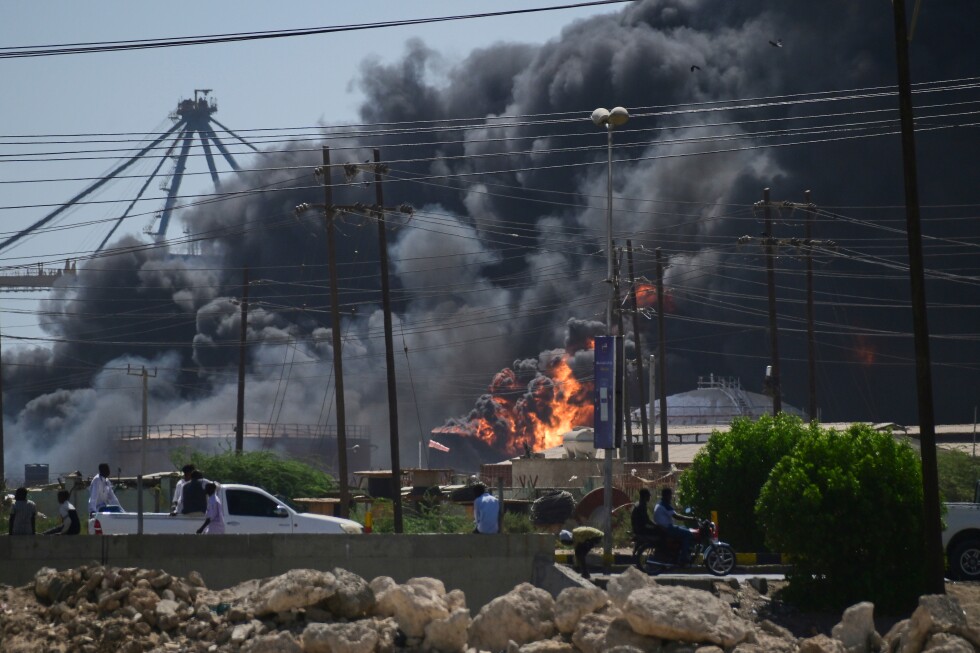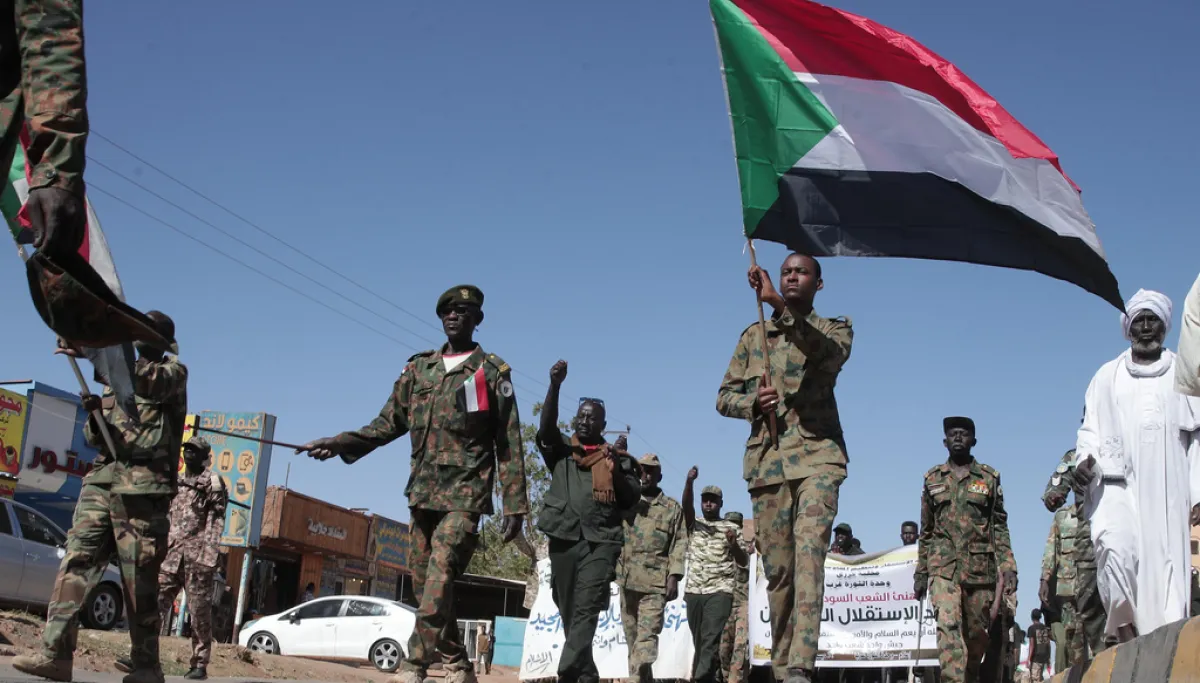
This month, Sudan’s de facto government—led by the Sudanese Armed Forces (SAF)—accused Ethiopia and the United Arab Emirates of launching drone attacks on Sudan and recalled its ambassador to Addis Ababa.
The incident underscored the geopolitical proxy struggle ongoing in Sudan after more than three years of civil war. The SAF has, with mounting credibility, accused both Ethiopia and the United Arab Emirates of backing its paramilitary rival, the Rapid Support Forces (RSF), throughout the war.
The war in Sudan has never commanded much of the world’s attention, despite the efforts of Sudanese journalists, civil society leaders, and humanitarian groups to document its horrors. Last October, an RSF massacre at a hospital in El Fasher, which the United Nations later found to bear “hallmarks of genocide,” prompted only a few weeks of outrage before the world moved on.
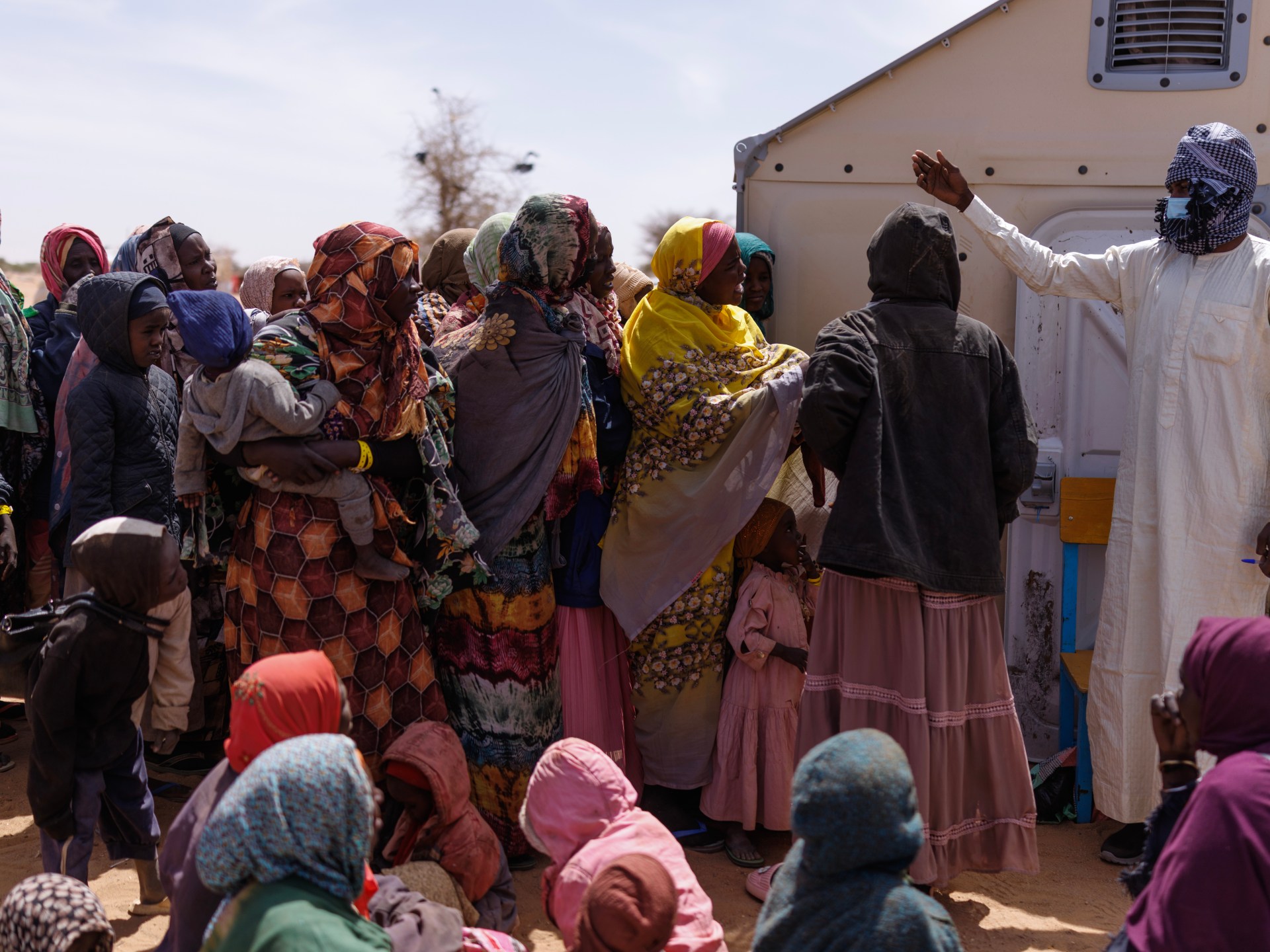
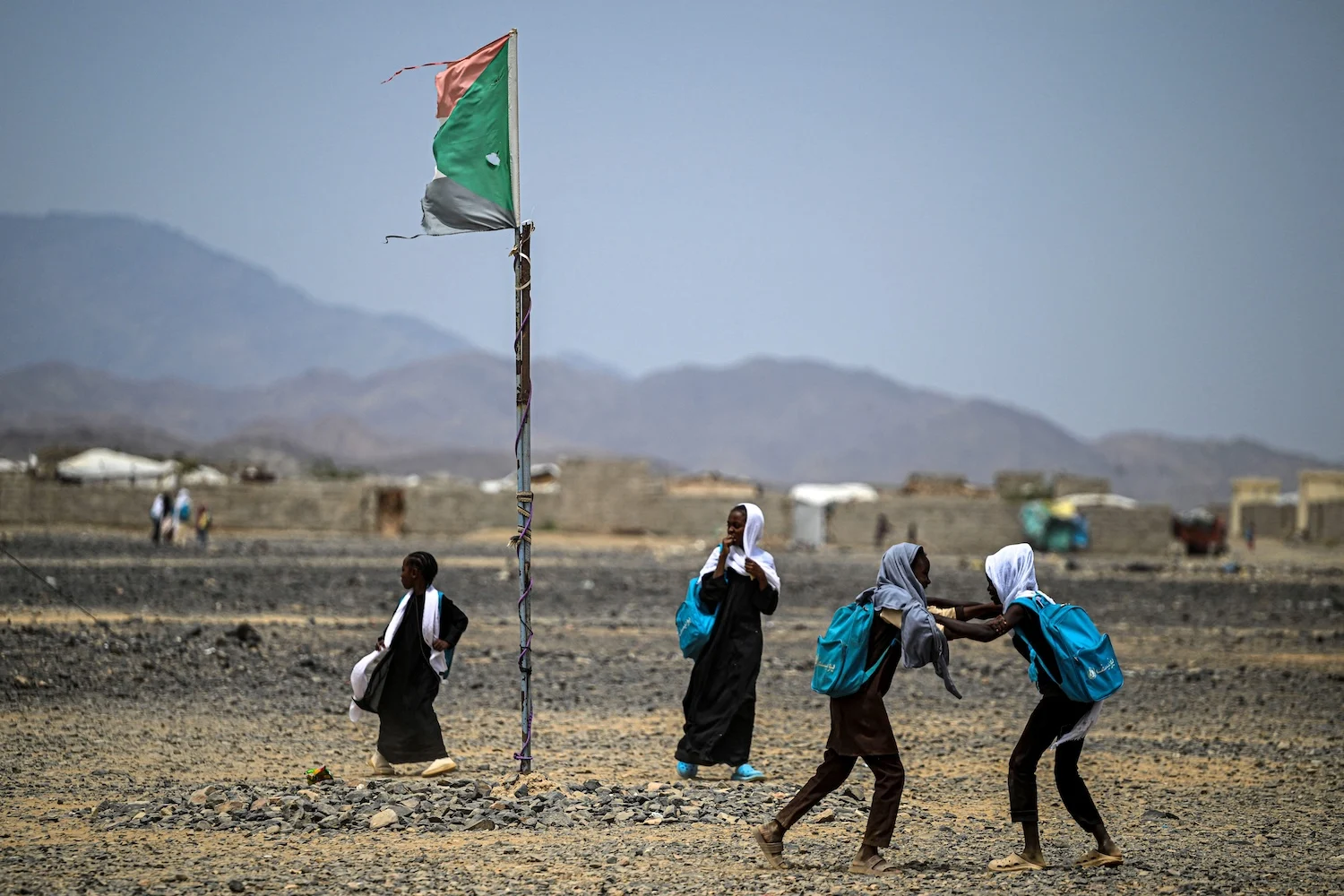
The Iran war has complicated the situation and further diverted attention from Sudan. As the site of the world’s worst humanitarian crisis, Sudan is uniquely vulnerable to regional shocks. The U.N. estimated that more than 33.7 million people in the country of nearly 52 million now require humanitarian assistance.
The overlapping web of actors involved in both conflicts has made the road to peace in Sudan more convoluted and fraught. Although the United States and Iran have a tenuous cease-fire in place, talks to formally end that war have stalled, and the conflict in the Middle East has already produced devastating political, economic, and humanitarian repercussions in Sudan.