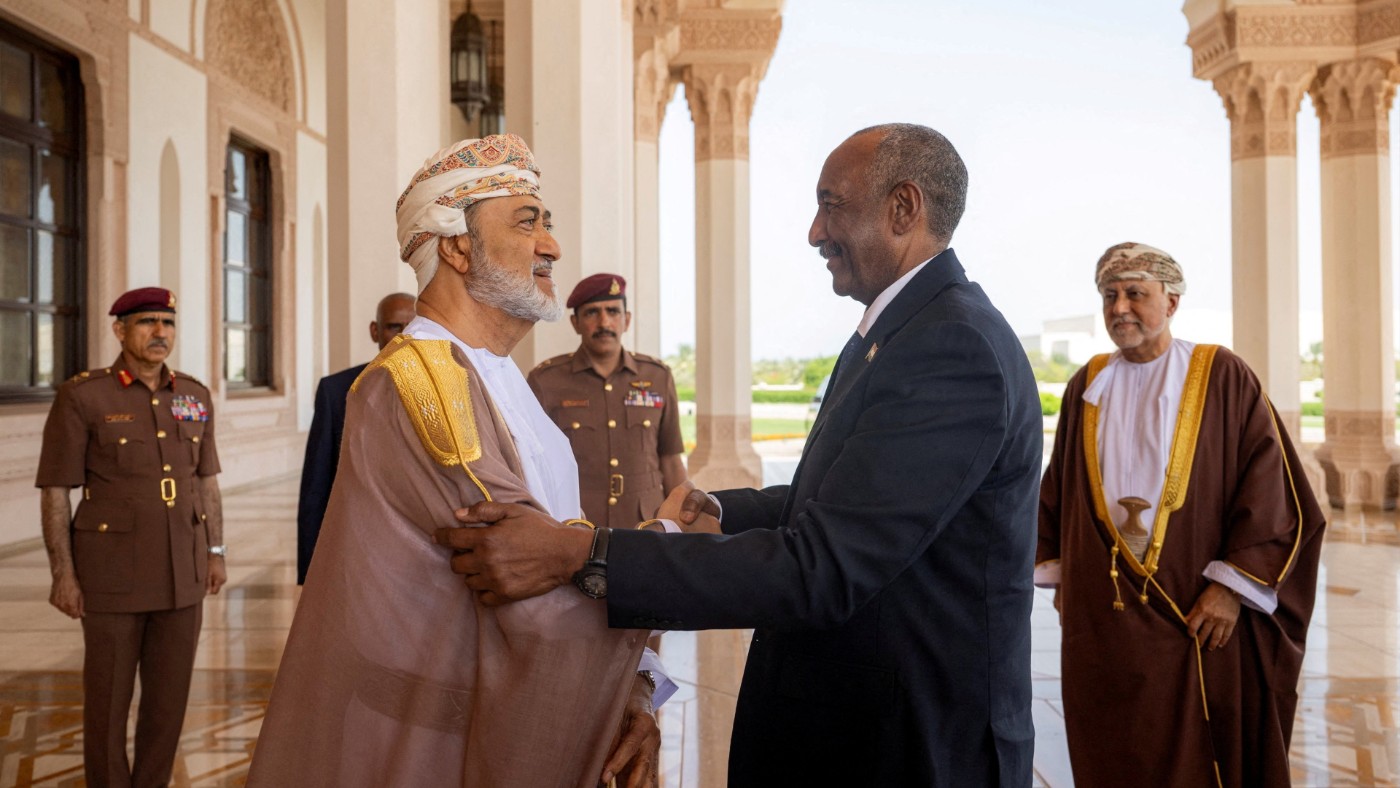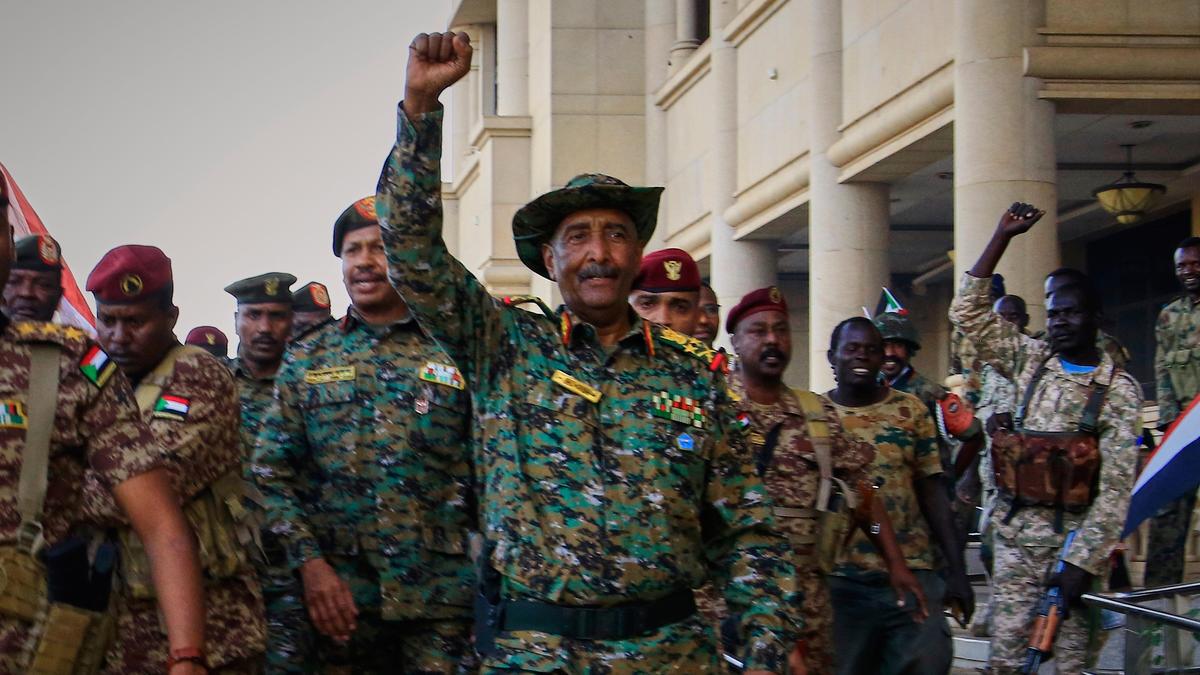
On Wednesday, as the proposed two-week halt to the war on Iran was being announced, Sudan’s army-led government issued a statement condemning Iranian strikes on energy infrastructure in Saudi Arabia’s Jubail industrial city.
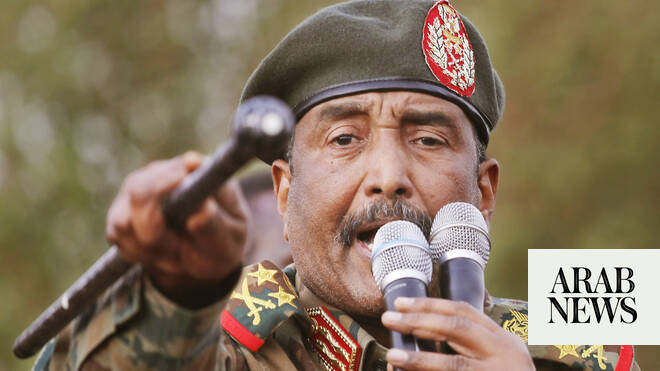
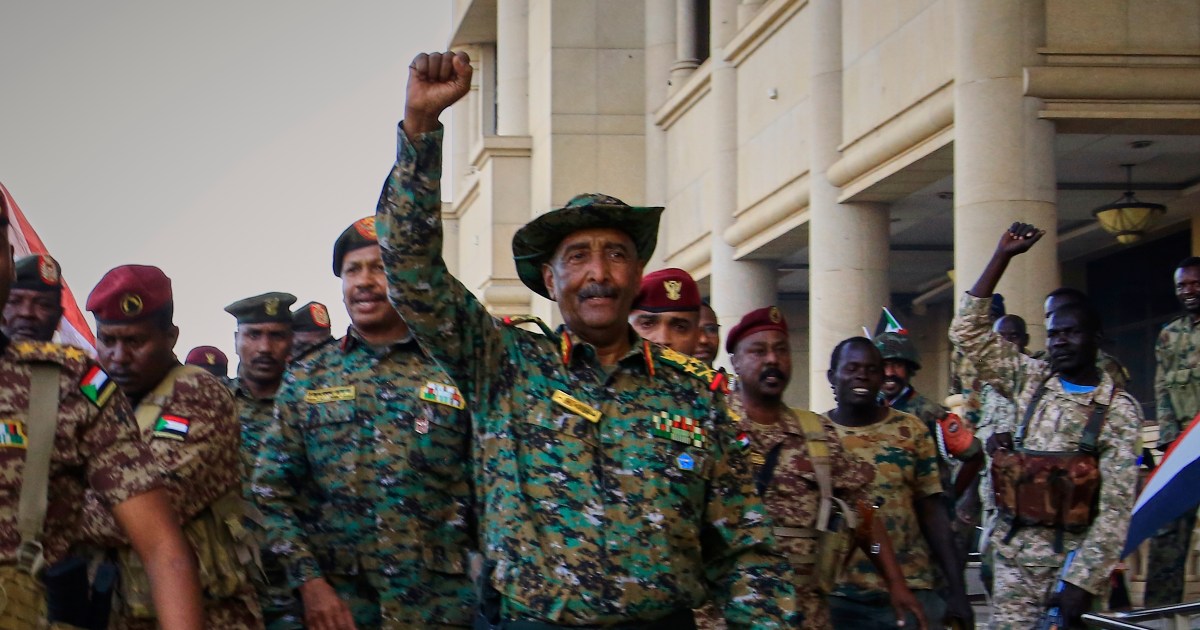
The statement joined others issued in the six weeks since the US and Israel attacked Iran, and appeared again to be a bit of diplomatic repositioning from Abdel Fattah al-Burhan, chief of the Sudanese Armed Forces (SAF) and Sudan’s de facto head of state, after elements of his coalition had very publicly backed the Islamic Republic.
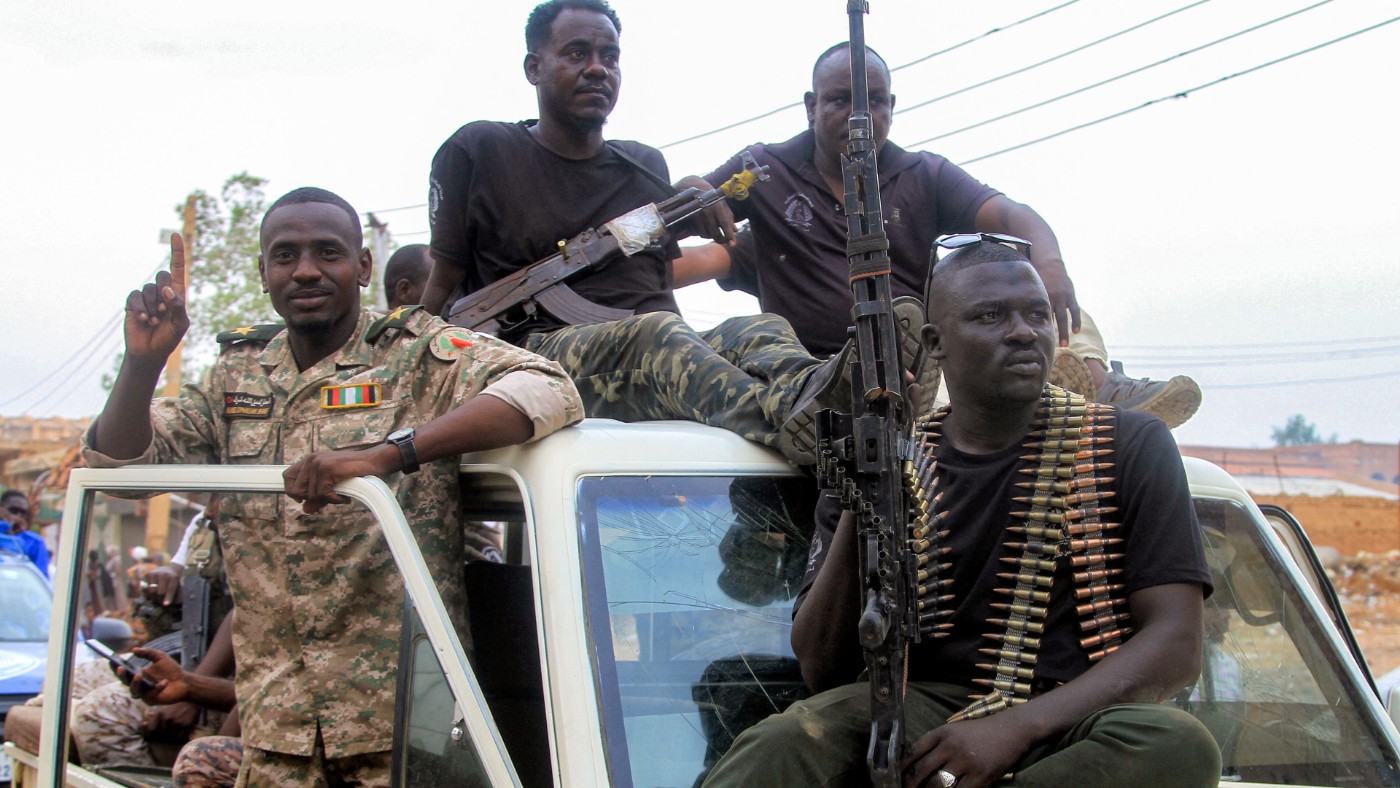
The war on Iran has highlighted divisions in the Sudanese army’s coalition, which includes self-proclaimed jihadist groups as well as secular activists who participated in the Sudanese revolution that led to the removal of Islamist-backed autocrat Omar al-Bashir.
Three overlapping disputes haunt this political landscape: Iran, the rift between the UAE and Saudi Arabia, and the US designation of the Sudanese Muslim Brotherhood as a terrorist group.
In 2015, Bashir, who came to power in 1989, cut ties with his former ally Iran and joined the Saudi and Emirati coalition’s war against the Houthis in Yemen, sending Sudanese fighters drawn primarily from Mohamed Hamdan Dagalo’s paramilitary Rapid Support Forces (RSF).