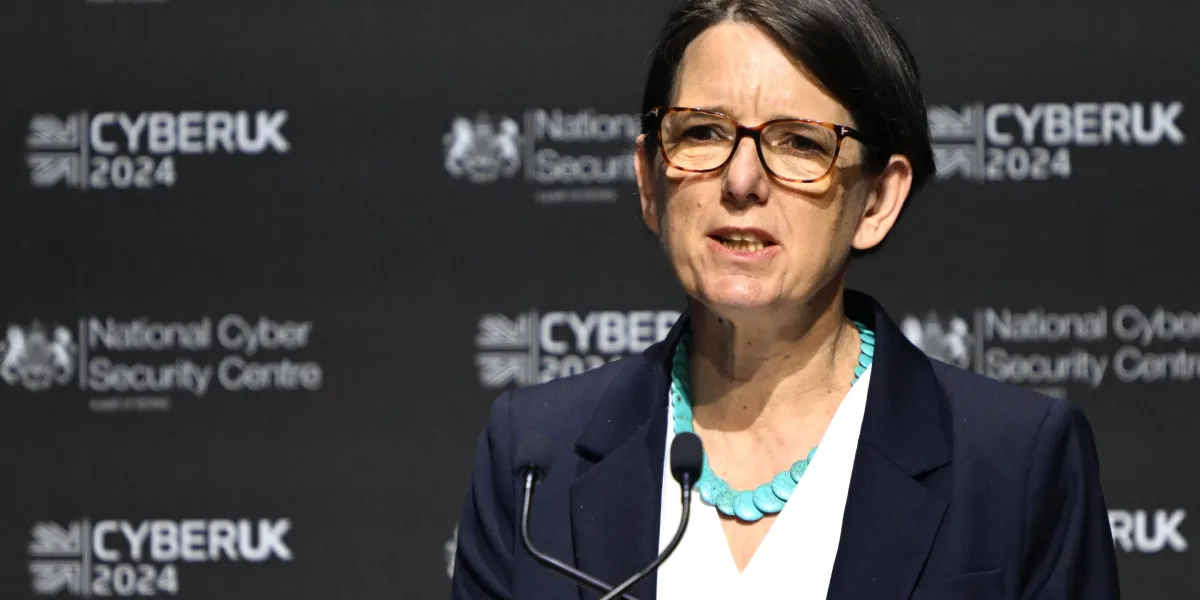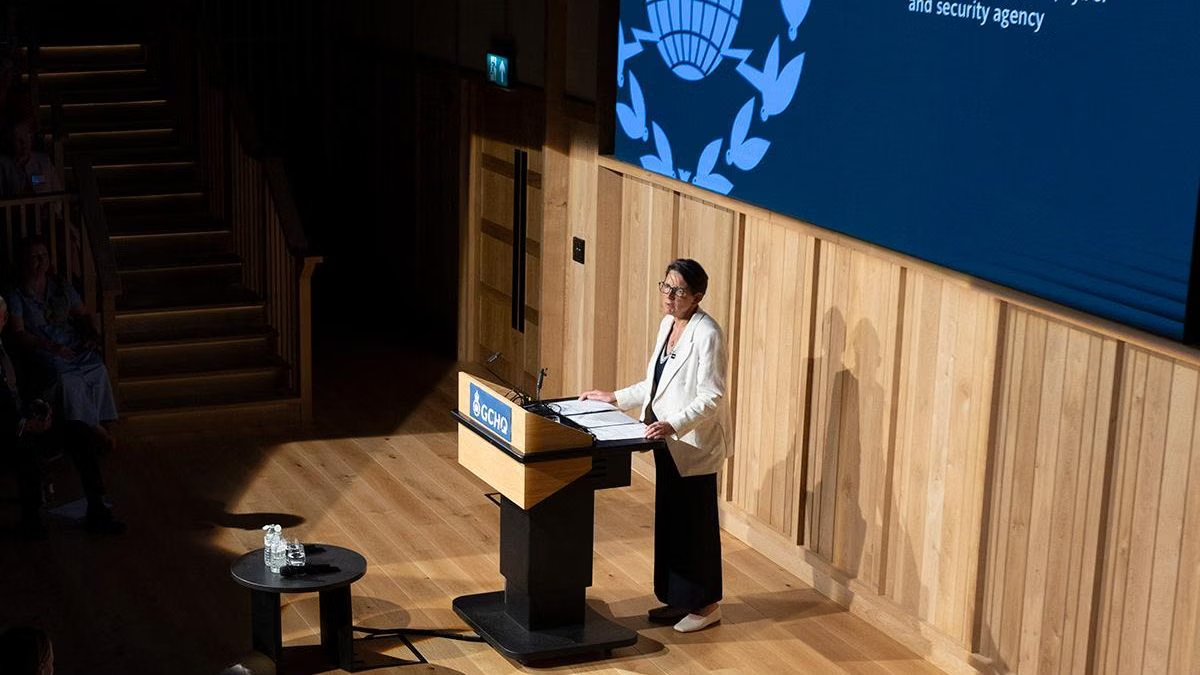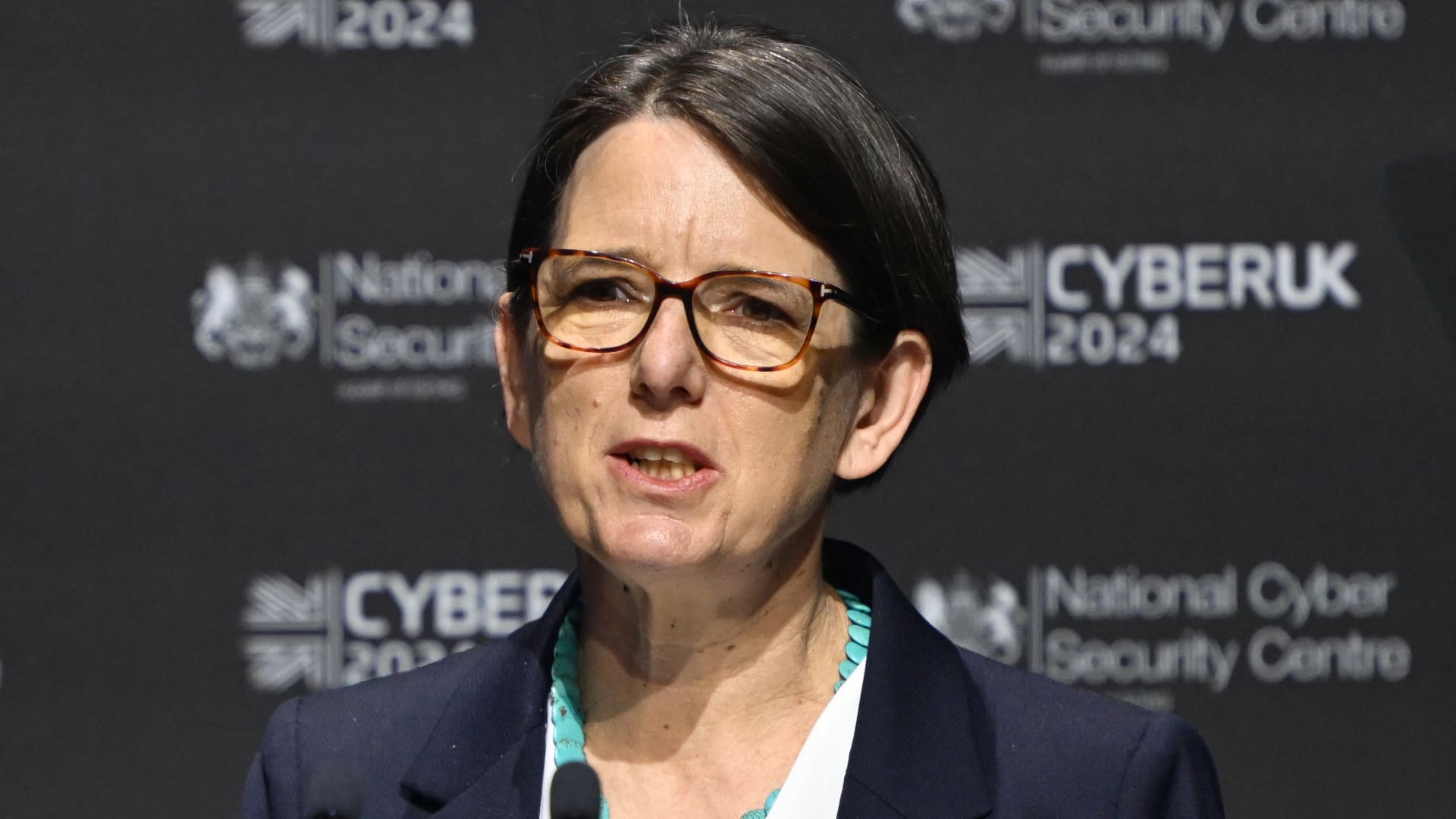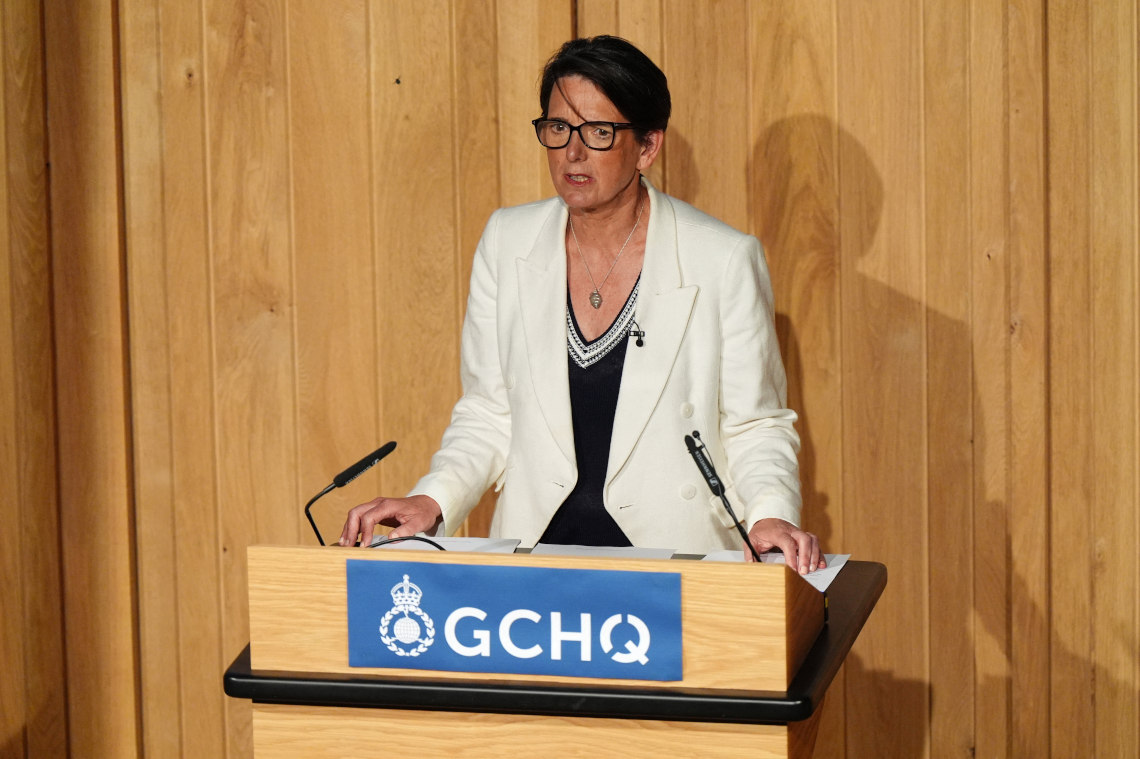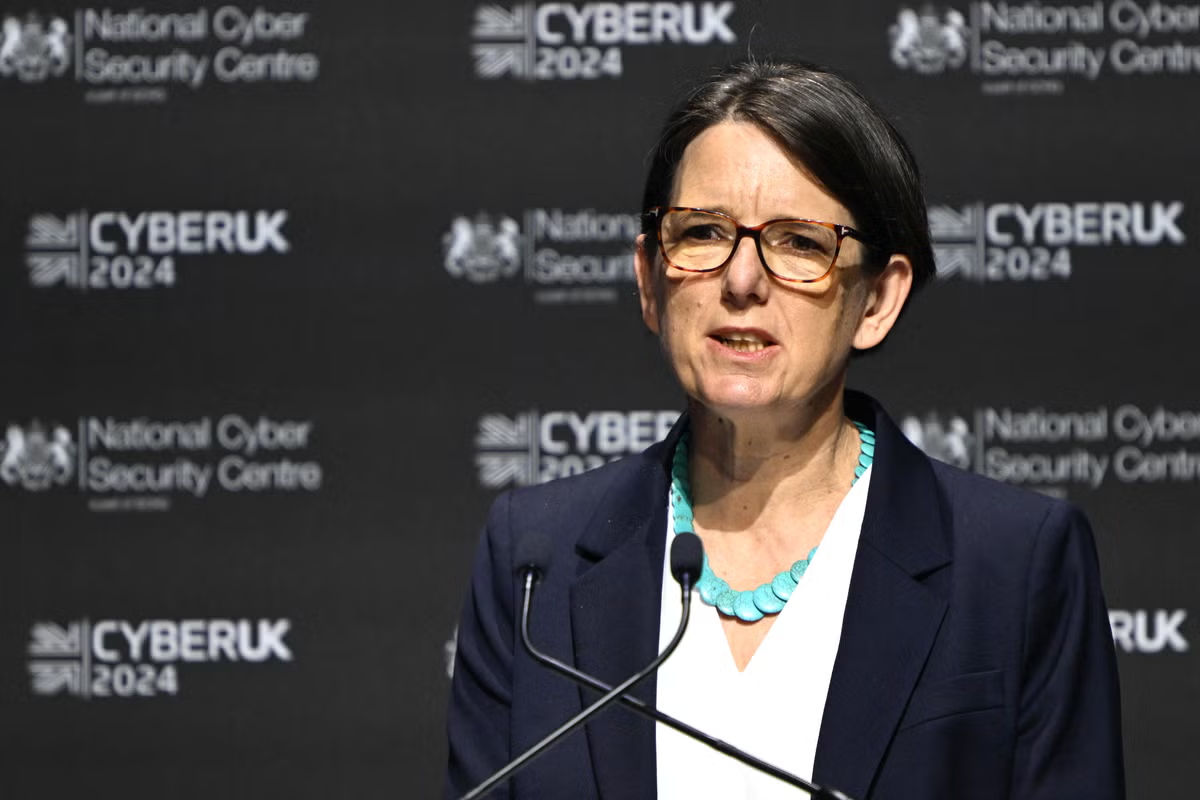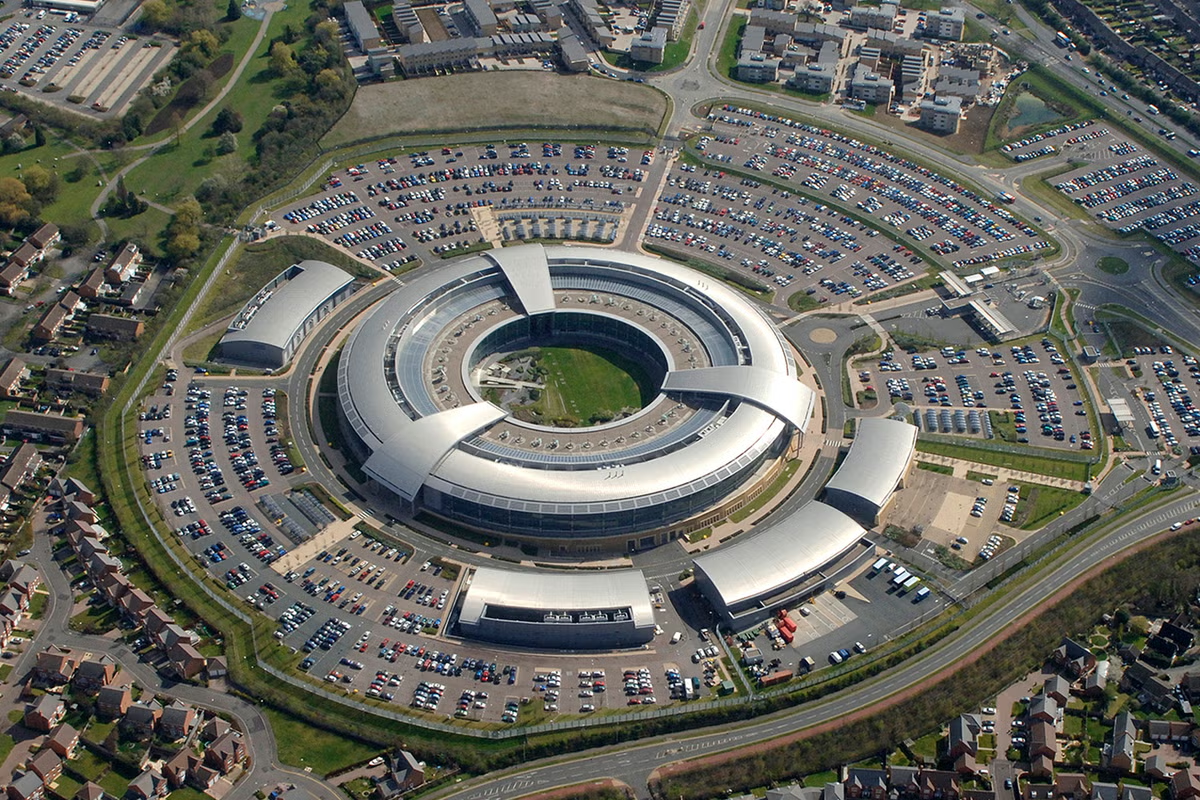
Under pressure from U.K. Prime Minister Keir Starmer’s government, the director of the United Kingdom’s GCHQ signals intelligence service (responsible for hacking phones, computers, satellites, and electronic communications) has given China a pass on its hyper-aggressive espionage.In a major speech on Wednesday, Anne Keast-Butler was rightly robust in her criticism of Russian offenses against the U.K. and its allies. China, however, was spared a similar condemnation. It reflects Starmer’s desire to avoid aggravating the willfully sensitive Chinese Communist Party for fear of losing possible economic investments. There is a trend here. Shortly after Starmer entered office in 2024, the director general of the U.K.’s MI5 security service adopted a notably more dovish message toward China than he had in previous speeches. Starmer’s government has also let a Chinese intelligence agent escape justice by refusing to identify Beijing as an adversary. Starmer is now allowing Beijing to establish a spying hub alongside London’s financial district.Keast-Butler’s speech was good to a point. She rightly identified how the U.K. was in “a space between peace and war. I’ve spent three decades working in National Security. And the risk of miscalculation is as high as I’ve ever seen it.”
British GCHQ spy chief appeases China aggression
GCHQ Director Anne Keast-Butler adopted a noticeably dovish tone toward Chinese espionage in a major speech this week.
795 words~4 min read