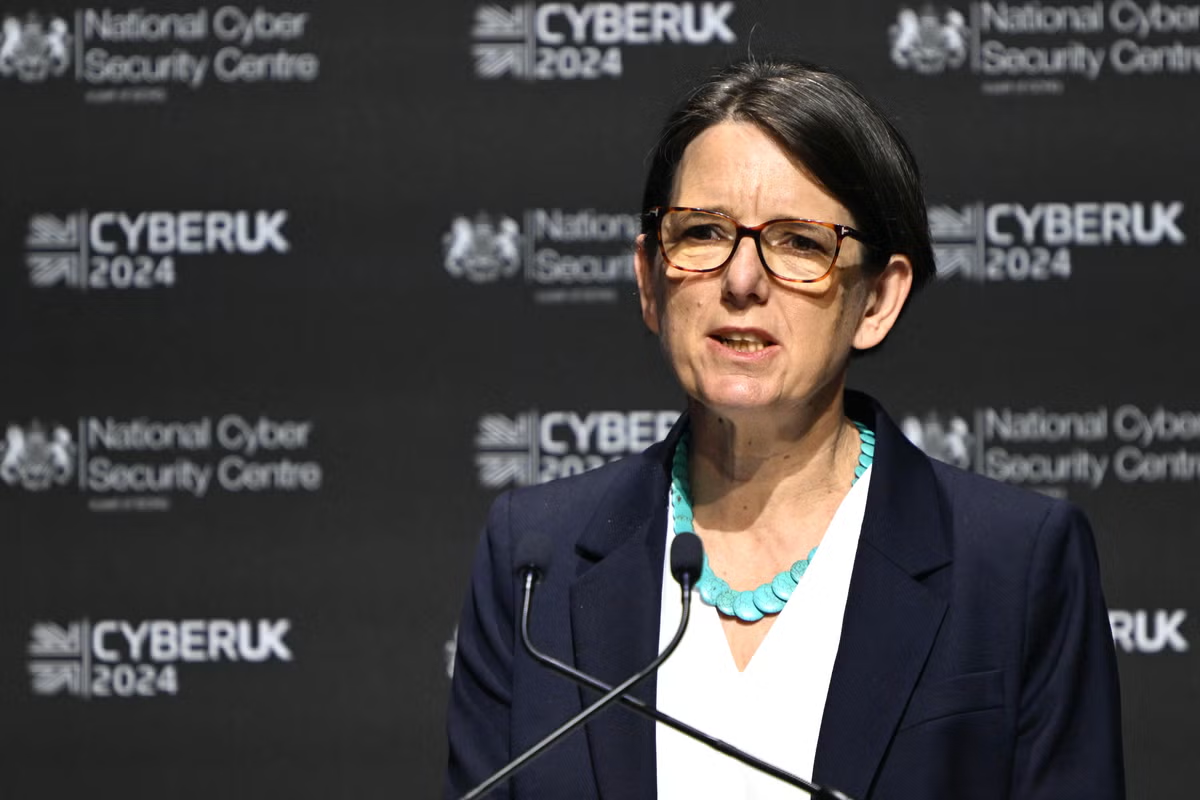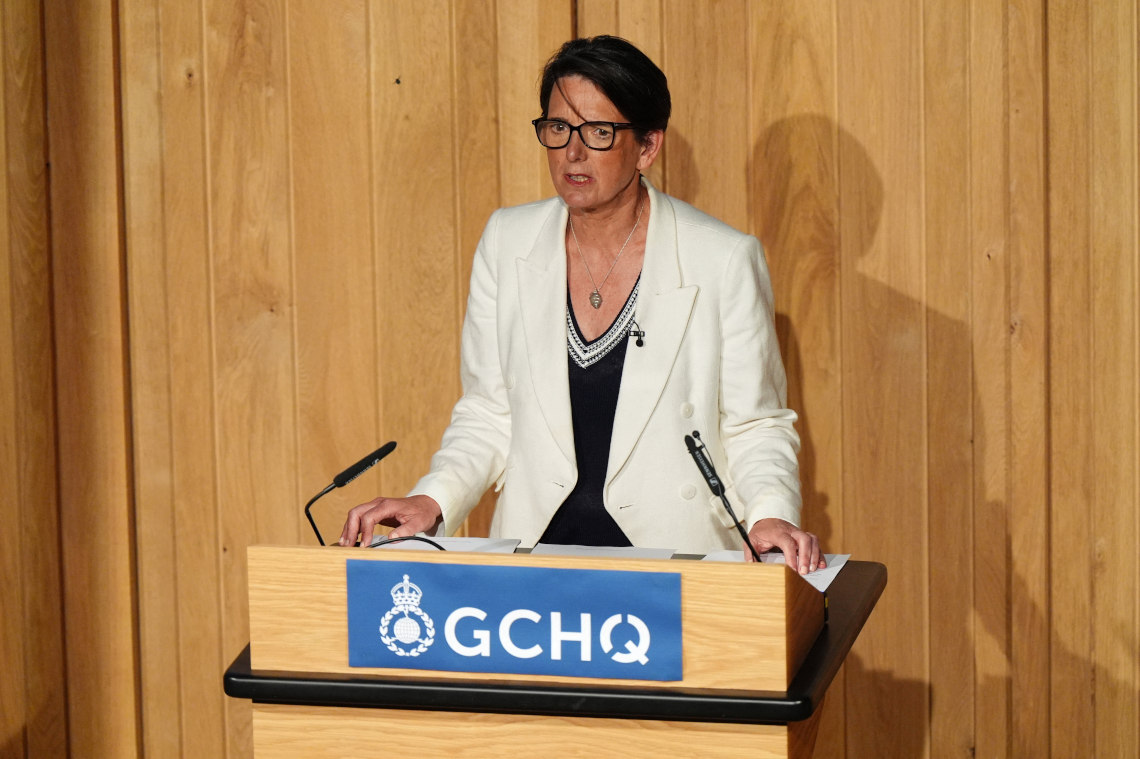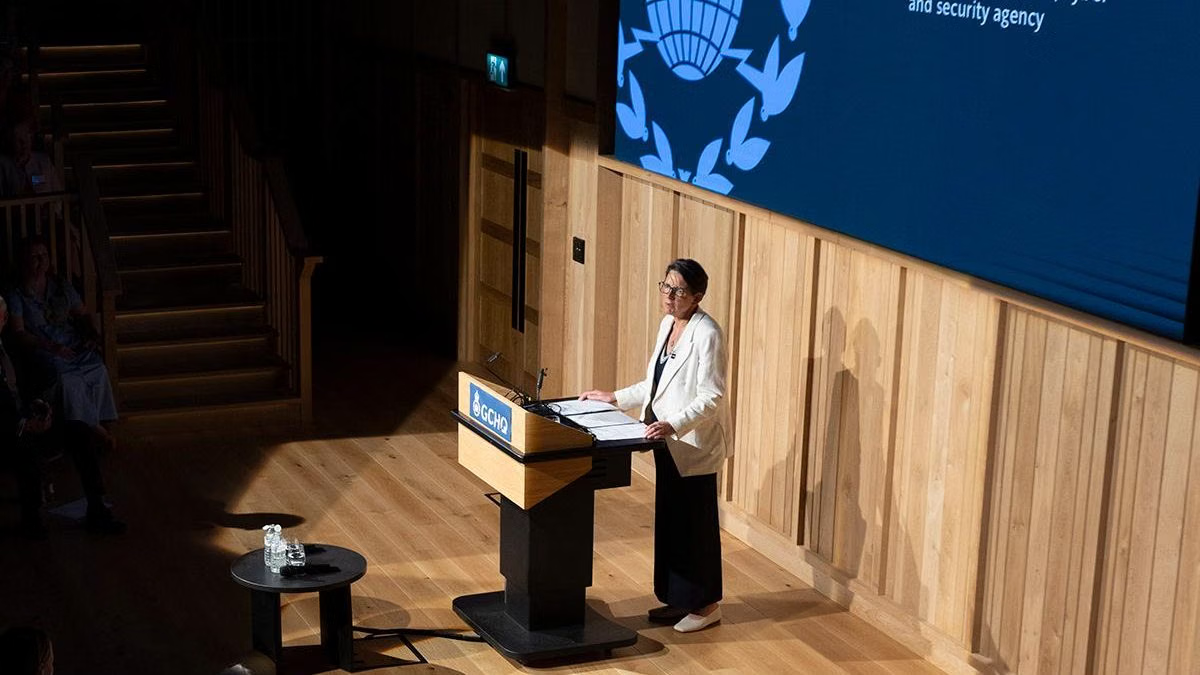
Here’s the unedited version of the speech.2026 GCHQ Annual Lecture
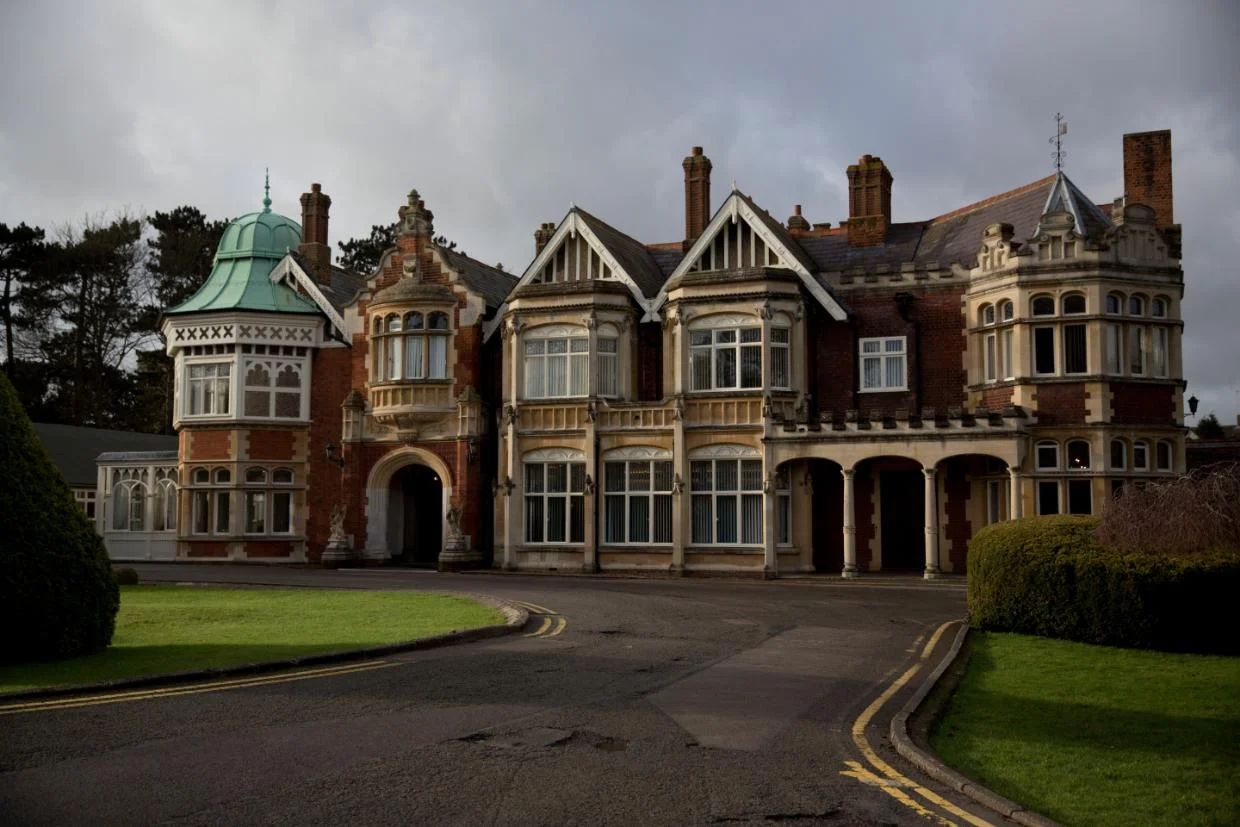
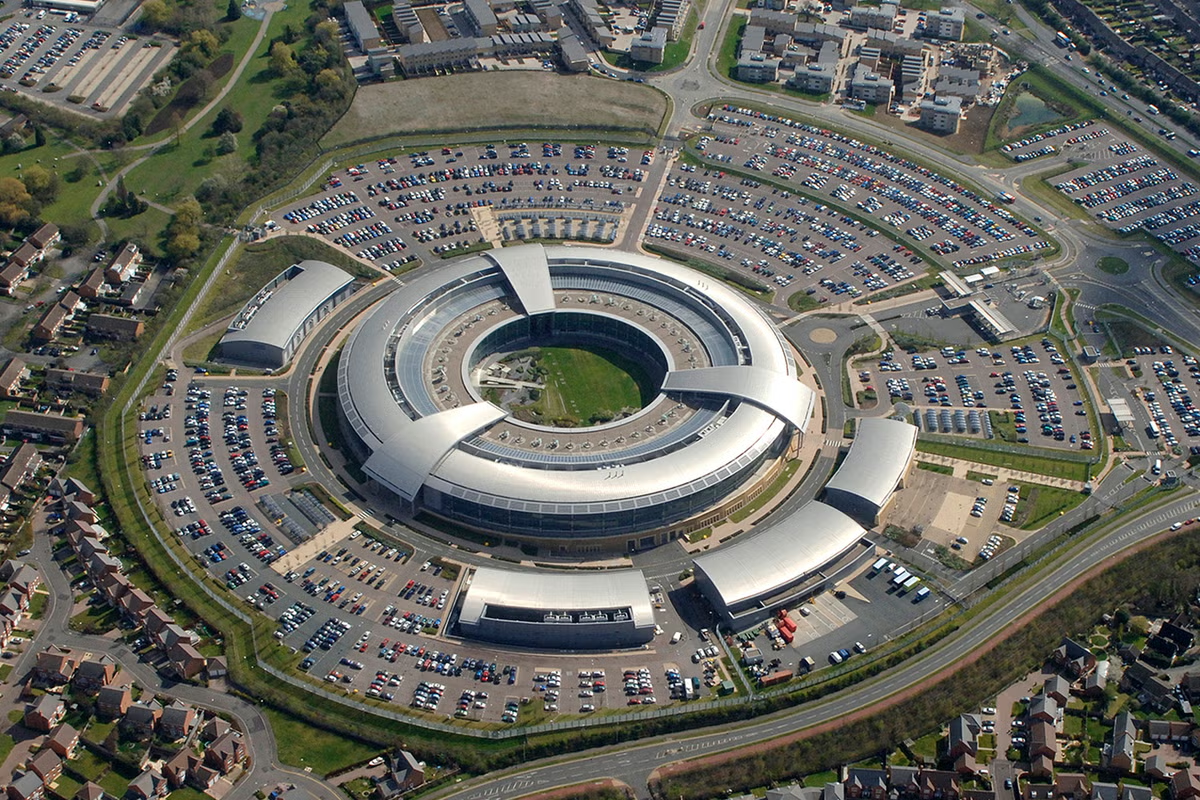
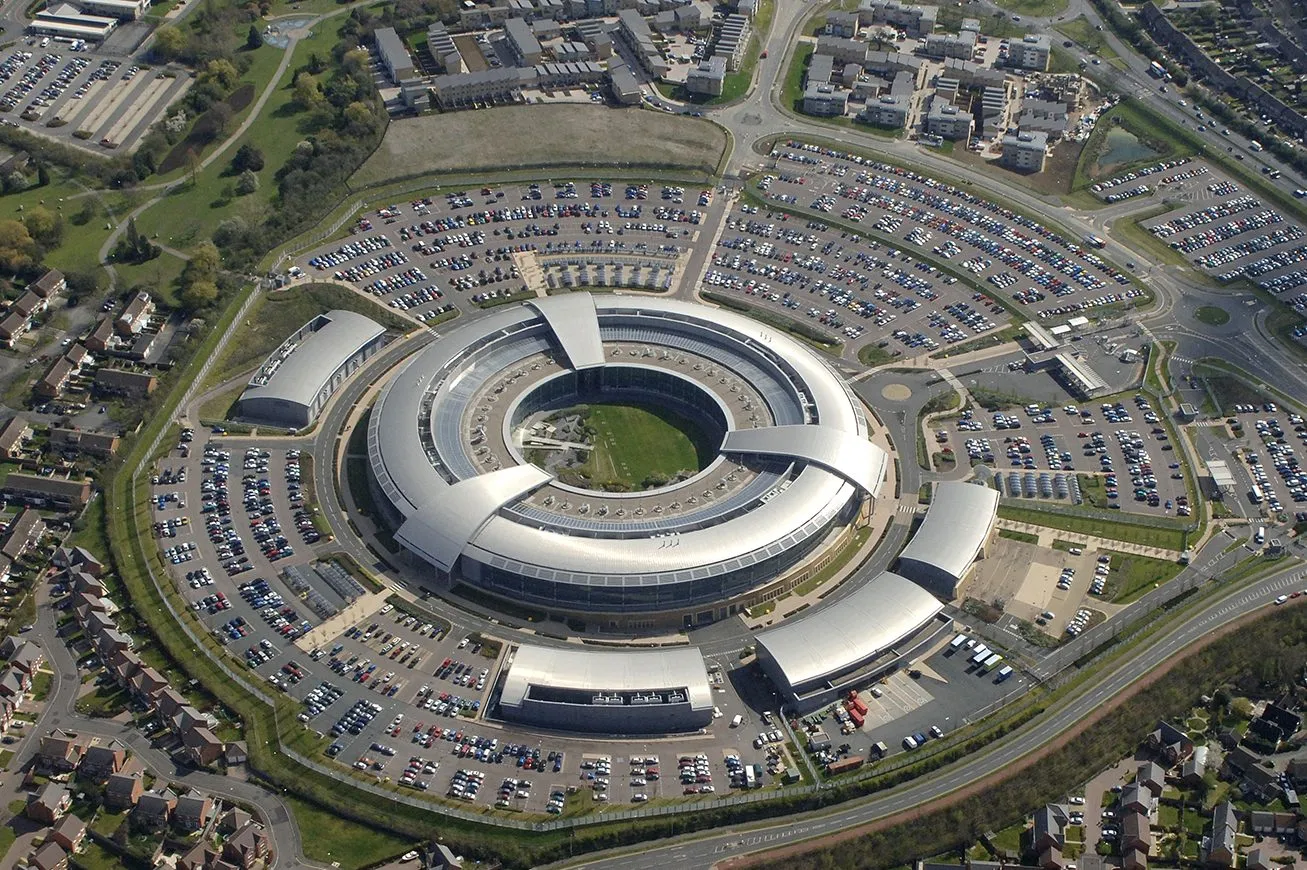
It’s a pleasure to be here today at Bletchley Park, GCHQ’s wartime home.In our organisation, this is hallowed ground; where a determined team turned codebooks into catalysts, changed the arc of technological history, and altered the course of history.Three quarters of that team were women, many with fascinating stories and I heard some of those stories a couple of years ago at an exhibition about the undergraduates of the all-women Newnham College in Cambridge.What struck me most was not just the individual tales of dedication and quiet service but a pair of faded letters from January 1939 between the head of Newnham and Alastair Denniston, the very first Director of GCHQ.Denniston could see the way the world was going and asked Newnham to identify their best talent.He wanted to be ready for what lay ahead.Months later, Denniston moved operations to here at Bletchley Park and assembled the smartest minds from across the country.Codebreaker Joan Clarke and linguist Elizabeth Reed from Newnham as well as other gamechangers like Gordon Welchman, Emily Anderson, and Alan Turing, to name but a few.Denniston’s actions – his foresight, his practicality, and his focus on partnerships – really struck a chord with me.It’s rare for any head of an intelligence agency to speak in public, but I’m doing so to you today because we are at a moment of consequence.Where the actions we take and the partnerships we build are ever more critical given the threats we face.At the end of last year, you heard from my counterparts Ken and Blaise at MI5 and MI6.Just as we pool our insights and share intelligence, we see the world in similar ways:A new era of radical uncertainty, contested geopolitics and rapidly changing technology.A space between peace and war.I’ve spent three decades working in National Security.And the risk of miscalculation is as high as I’ve ever seen it.At GCHQ, we illuminate and manage that risk by harnessing technology and data at the edge of the impossible, bringing our operational nous to gather intelligence, secure systems, provide insights and disrupt adversaries as we have done for over one hundred years.Seeing around corners and helping the UK prepare; whether that’s for the next wave of Russian aggression, or a massive leap in frontier tech.So today, I’ll share our sense of what’s coming down the track and set out the urgent action every one of us must take.Looking around this room – with the partners, the trust, the mix of minds and the weight of history – we can meet this moment.First, a few reflections on the fast-changing tech landscape.The UK has always played a role in developing the science and tech that shapes our world.I’m proud of GCHQ’s vital contribution as global leaders in cyber, AI, quantum and telecommunications; technologies that power the UK’s security, prosperity, and growth.Technologies critical to how every one of us lives our lives.But let’s be in no doubt: when it comes to technology and data, there’s a narrowing window for the UK and our allies to stay ahead.Some of this you’ll recognise from the headlines: warfare is being reconfigured; increasingly data-driven, AI-enabled, and automated in conflicts from Ukraine to Iran.Tech companies are releasing AI-driven innovations at a remarkable pace, with untold consequences, as algorithms are weaponised often just below the threshold of traditional warfare.And China is now a tech superpower with sophisticated cyber, intelligence and military capabilities.One thing is clear: technology and data are no longer just tools; they are transformational forces.Data should matter to all of us.At GCHQ, we exploit ever greater volumes, velocity and variety of data to keep our country safe.Data is the lifeblood of our society, our economy, and our warfighting capability.And when you pair data’s exponential growth with AI’s ability to extract new value – at ever faster speeds – it’s clear that data is a strategic asset.Others recognise that. China certainly does.The UK is well placed to seize massive opportunities from data, but only if we’re vigilant.Managing risk and protecting data is at the heart of what we do at GCHQ.The National Cyber Security Centre – a part of GCHQ – plays a key role in protecting the data highways and junctions that connect our lives, from the NHS and National Grid to the emerging data economy that is powering the AI revolution.My mind turns once again to Denniston.His foresight to think differently led to the birth of modern computing, just steps from where we are today.The Bombe machine, the Colossus.Juggernauts of innovation.Technological leaps that cracked seemingly impossible challenges.So, in a world where technology is moving as fast as it is, I’m focused on the capabilities we need to navigate through this age of disruption.Three years ago, world leaders and tech giants gathered here for the very first AI Safety Summit.Much has happened since then.The AI revolution is now fully upon us – with ever faster pace of model releases, increasingly sophisticated agents, and greater system autonomy – transforming the world with both promise and peril.That’s equally true for intelligence and security.Where the latest frontier AI is rapidly unearthing fault lines in technologies our society relies on every single day.The ground beneath our feet is shifting, and shifting fast.Which means cyber security has never been more important.That message may sound familiar – the NCSC is now ten years old, after all – but I’m now saying it with utmost urgency.Cyber security is a critical priority for all businesses.Our experts are producing unprecedented levels of advice and guidance, but we need businesses to take immediate action now.Not just to protect livelihoods and customers, but for the front-line defence of our nation our economy and our way of life.And we need to reimagine cyber security in the AI world.In the past few months, GCHQ has developed the blueprint for a new national cyber defence capability will hardwire cutting-edge agentic AI into machine speed cyber defence.And as we draw on decades of expertise in machine learning to reimagine cyber security, we’re also embedding frontier AI deeper into our operations – responsibly and ethically – to enhance algorithms, translate foreign languages, and find needles in haystacks faster than ever before.AI is an unstoppable force with great opportunity.But it’s also a force with risks.As AI gains increased autonomy, we all have an intergenerational duty to harness and secure it for good; to protect our national security, our economy and our way of life.And just round the corner, is quantum.At GCHQ, we’re focused on harnessing all facets of this game-changing technology, which uses the building blocks of the universe to drive rapid innovation.As a mathematician myself, the timeline for operationalising quantum has always been a decade away.But that’s changed.Quantum sensing is here – our new cutting-edge work with academia and industry is identifying the fingerprints of stealth, such as detecting missile launches.And once they are operational, quantum computers will be able to complete, in a matter of seconds, tasks that currently take years.That includes defeating the codes and encryption that keeps our secrets safe today.So we must protect our most critical systems from future quantum attacks.This will take time – and that’s why we’re calling on businesses to act now to meet the timelines set out by NCSC.And as we focus on AI and quantum, we must also look to space.Since I became Director three years ago, over ten thousand new objects have been launched into space; each new constellation of satellites adding to the volume and speed of data crossing across our planet.This is only going to grow.Both China and Russia are investing heavily in space to support both peace and war ambitions.And in the last few months, we’ve seen reports of satellite imagery underpinning Iranian attacks in the Gulf.Space-based tech is critical to both our way of life and our national security – and that’s why GCHQ is working with partners to harness, secure and defend against it.Given everything I’ve just said, it’s no surprise that nations are grappling with what it means to have tech sovereignty.The days of state-owned supercomputers like Colossus are long gone.We live in a fast-changing world of big tech dominance and pervasive Chinese technology.Some strive to stay safe by keeping data within their borders, shutting out foreign IT.But that doesn’t work.For me, tech sovereignty is about the agency, ability and agility of nations to shape their own digital future.It’s about backing great British science and innovation, established tech companies, and academic excellence – whilst not limiting our ability to harness the best of the world’s technology.Sovereignty doesn’t have to mean “made in the UK”, so long as we carefully manage our supply chains, dependencies, and data.Above all else, having assured access to your data and knowing who you are placing your trust in for the integrity of the technology you use, is fundamental for national security.And this is where our ability to design world-leading encryption really matters.GCHQ pioneered public key cryptography in the 1970s, which to this day underpins the security of the internet.Every time you shop online, you’re protected by systems using the same mathematics.But cryptography also keeps our secrets uniquely secret.It keeps our fighter jets in the air and it secures our nuclear deterrent.So, I’m proud of the work my fellow mathematicians at GCHQ are doing to push boundaries by pursuing new forms of encryption and creating the right market for managing data safely.So, businesses can grow, innovation can thrive, and research can flourish.So, how does this fast-changing tech landscape intersect with the threat we’re seeing in the here and now?One example is in the grey zone between peace and war…Where Russia is scaling up its daily hybrid activity against the UK and Europe, stretching from the seabed to cyberspace — relentlessly targeting critical infrastructure, democratic processes, supply chains and public trust.But let me be clear that in the face of such aggression and chaos, GCHQ is working tirelessly with intelligence and defence partners to degrade and reduce the Russian threat.One area in sharp focus for us is protecting the data and energy flowing through the critical cables and pipelines in and around British waters – we do this by exposing Russia’s intent, motives and underwater capabilities.We’re also disrupting Russia’s attempts to smuggle Western tech; fending off its cyber attacks and countering reckless sabotage and assassination attempts.And as we remain steadfast in our support for Ukraine, Putin is going backwards on the battlefield, with new intelligence showing that almost half a million Russian soldiers have been killed since the conflict began.In this volatile world, there are steps we can all take to protect our communities and our loved ones, to make the UK more prepared and more resilient, so we’re not walking onto the frontline without armour.At home, that means taking important action now to switch from passwords for passkeys.And for wider society, it means hardwiring security into new technologies, protecting supply chains, and making cyber security ten times more urgent.It also means standing together – to reinforce alliances and forge new partnerships.GCHQ is working harder than ever with industry, academia and start-ups to bring cutting edge tech inside the Intelligence Community and to use our insights and strong security focus to strengthen products for all.From our new partnerships with frontier AI labs, to cutting edge R&D in Manchester, to start-ups accelerated by HMGCC – just down the road from here.All the tech companies and researchers here today are doing incredible things, and if we’re not already collaborating, now is the time to lean in.We must anticipate and drive advancements, together, at the speed of the frontier.GCHQ also acts and moves seamlessly with MI5 and MI6 to ensure our intelligence is delivering action, and action is unlocking advantage.And we’re working ever more closely with all parts of Defence to fuse capabilities and make sure we are ready for future crisis or conflict.That includes as part of the National Cyber Force, where we deliver high-impact cyber operations – every single day – to counter state threats, undermine terrorists, and get after child sex offenders and criminals online.GCHQ is here for the UK.But in a world where no nation can face these threats alone, our ability to act together with allies—building capabilities and moving at pace — will be decisive.This year, we celebrate the 80th anniversary of the intelligence sharing partnership, UKUSA, between GCHQ and the US National Security Agency.A powerful and robust partnership that remains fundamental for the security of both our countries.And that brings me back to Denniston again – this time in 1941 as war raged across Europe.He took a leap of trust and shared our closest secrets with Americans who had travelled here to Bletchley Park on a top-secret mission across the Atlantic.This leap of trust paved the way for the strongest intelligence alliance in the world.Here at Bletchley Park, American and British codebreakers worked side by side, and that continues to this very day; in GCHQ’s Cheltenham, Manchester and London hubs, and in NSA offices from Fort Meade to San Antonio.The alliance grew stronger still as Canada, New Zealand, and Australia joined to form the Five Eyes. Our most critical partnership – and the one most feared by our adversaries.Alongside it, our strategic intelligence relationships with European partners continue to deepen, strengthening NATO — which has underpinned collective security since 1949.Whether that’s shoring up international resilience to China’s widespread cyber operations… or working together to counter Russian aggression.It’s quite clear that the strength and depth of our own partnerships are our greatest asset.Looking at our adversaries, intelligence shows strained, transactional partnerships – surface level and plagued with distrust.Our adversaries don’t do teamwork – we do.Ultimately, true teamwork relies on trust.When I think about trust, I think about the teams in GCHQ.Ordinary people doing extraordinary things.A diverse mix of minds trusting each other, trusting partners, and trusting themselves to solve seemingly impossible problems.And stewarding immense capabilities entrusted to us by you, the public – something we never take for granted.Everything we do is legal, responsible and proportionate and I’m proud of the entire GCHQ team who work 24/7 to keep the country safe.When humanity is facing the worst, we are at our best.And as I conclude, it’s that which gives me confidence we can meet this moment of consequence, where we must go as fast as we can, but with our eyes wide open.From boardrooms to living rooms – we can each play our part in defending against threats and preparing for potential escalation.I recognise that standing here, I carry the weight of history to this podium.Learning the lessons from Denniston in 1939 and looking back at my own career as a spy, I have seen how we adapt and act.Again, and again, and again.Because if there’s anything that history teaches us, it’s this:We stay safe by harnessing technology for good.We stay safe by being prepared.And we stay safe, by staying together.Thank you.