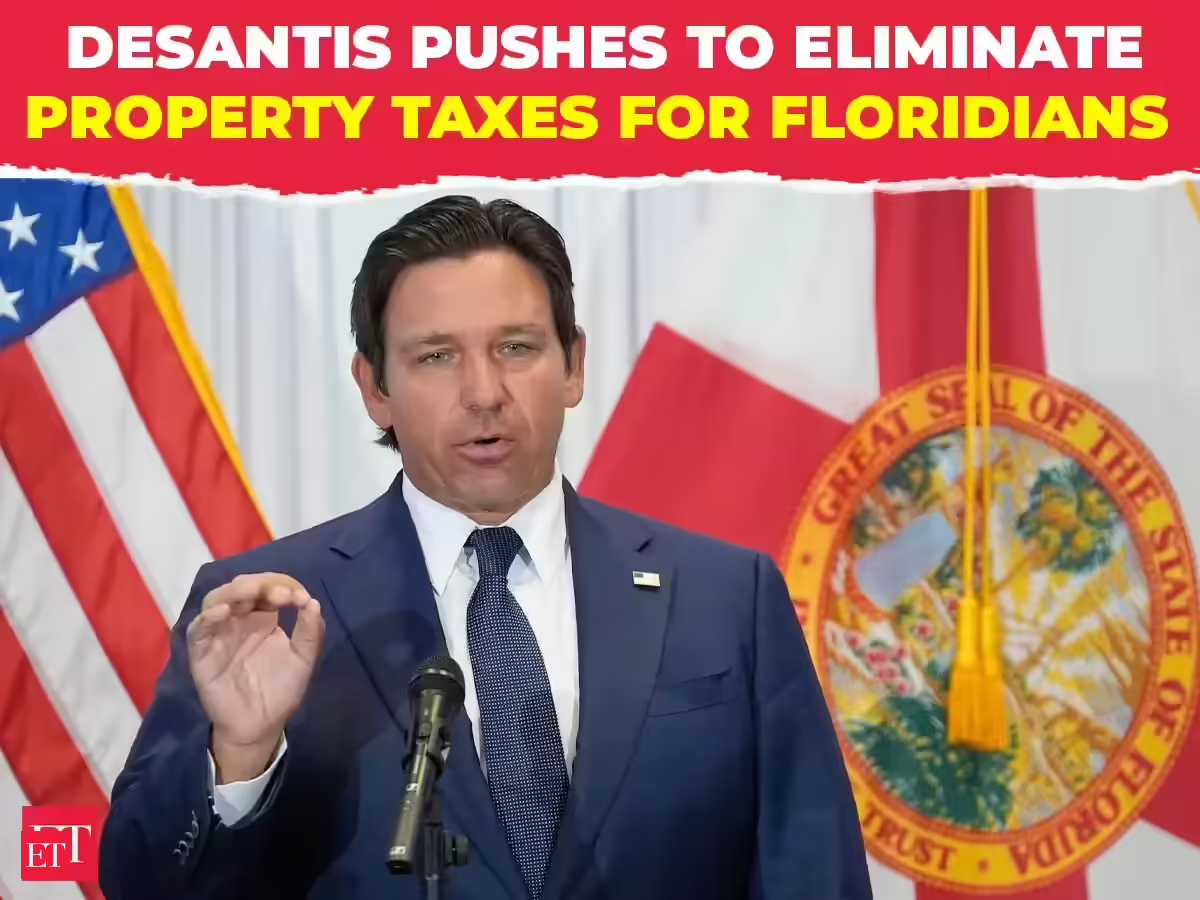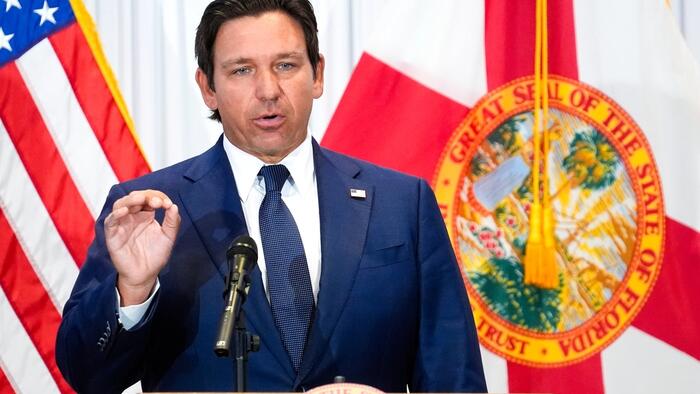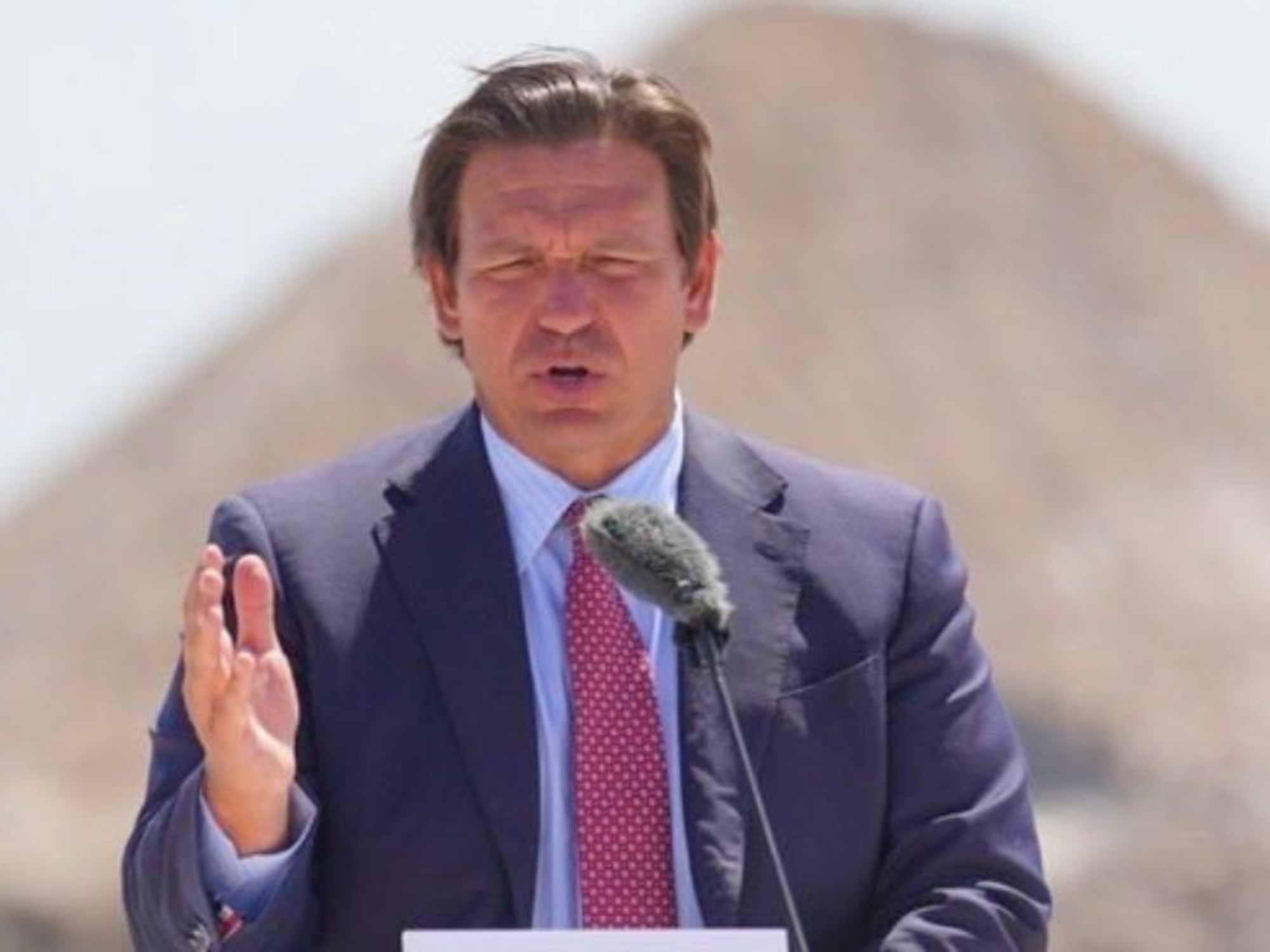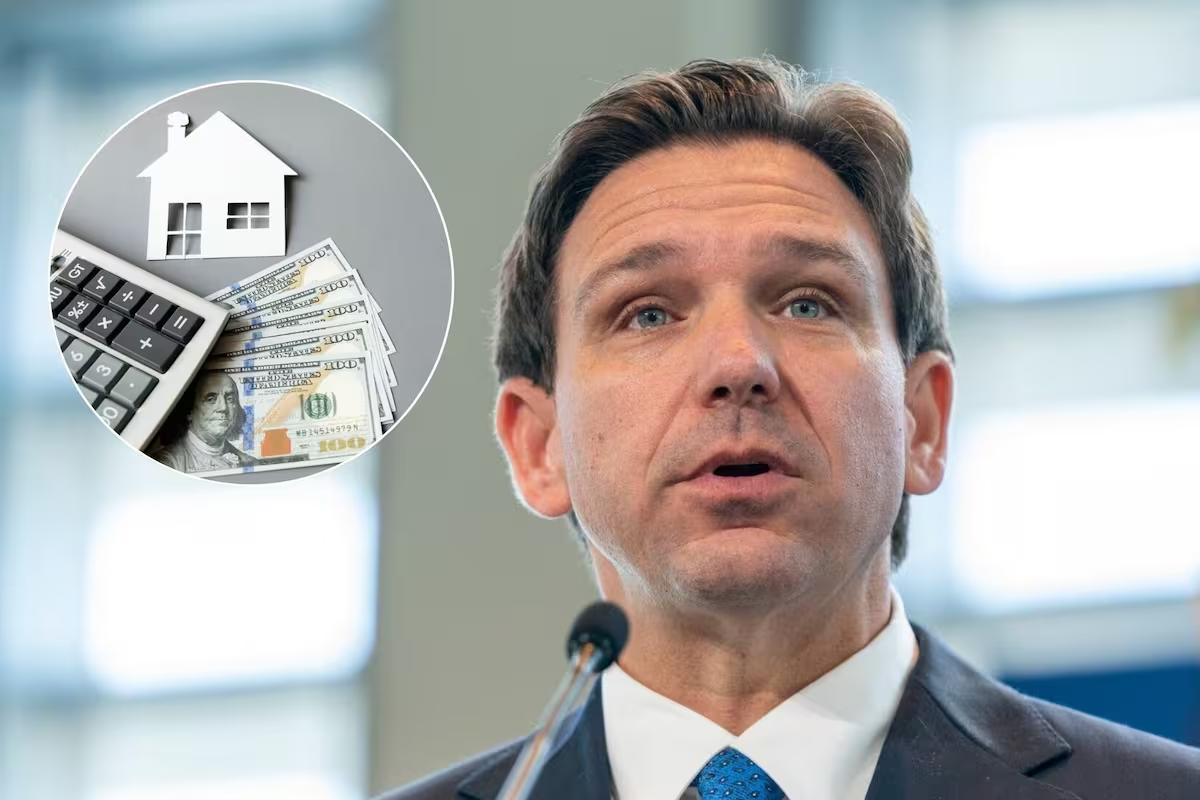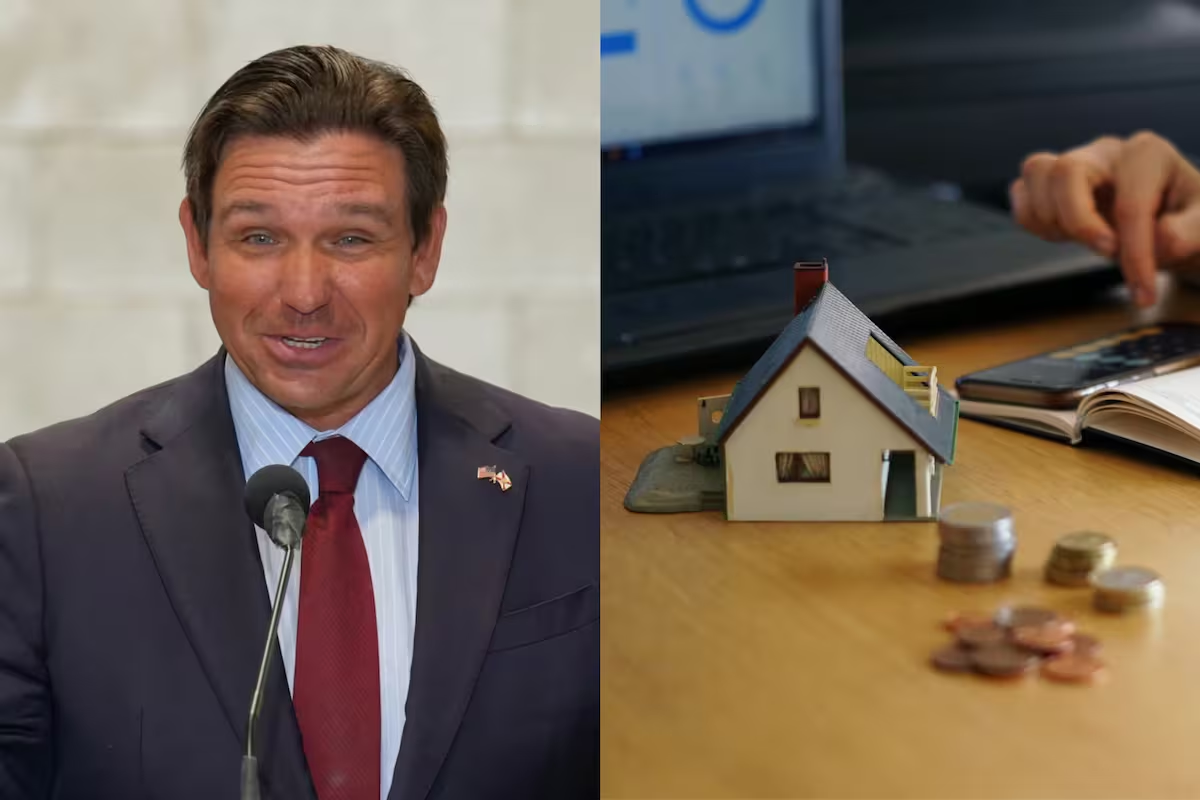
Governor Ron DeSantis is selling his marquee property tax proposal with a bold promise: expand Florida’s homestead exemption to $500,000 and eliminate property taxes for 92% of homeowners in the state. But analysts at investment bank UBS are pumping the brakes, and they’re using Florida’s own government data to do it.
In a research note published Wednesday, UBS flagged a notable discrepancy between the numbers DeSantis cited and those from the Florida Office of Economic and Demographic Research, the state’s own fiscal analysis arm. According to the governor, lifting the homestead exemption to $250,000 would wipe out property taxes for roughly 60% of Florida homeowners. But the state’s own data tells a more modest story: only about 47% of homesteaded properties in Florida are valued at $250,000 or less, UBS noted. At the $500,000 threshold—again, where DeSantis promised 92% coverage—Florida’s own data pegs the share at just 75% to 80%.
That’s a gap of more than 12 percentage points between the governor’s headline promise and what independent state analysis supports.
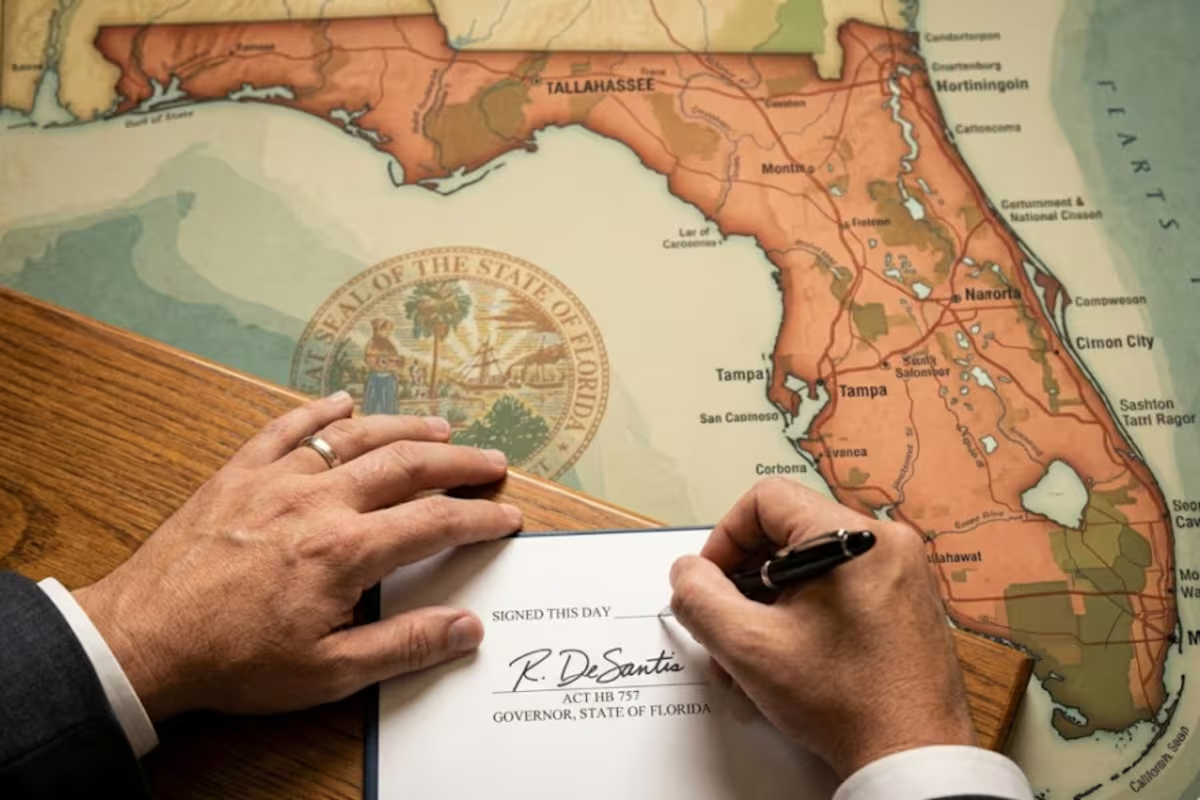
Currently, the homestead exemption sits at $50,000, affecting just 0.5% of all homestead parcels in the state. DeSantis called a special legislative session to advance the proposal, which would start by raising the homestead exemption to $250,000, with a path toward $500,000 over time. To become law, it would need 60% approval from state lawmakers, followed by 60% voter approval on the November ballot. A residency requirement of at least five years would apply to new Florida residents.