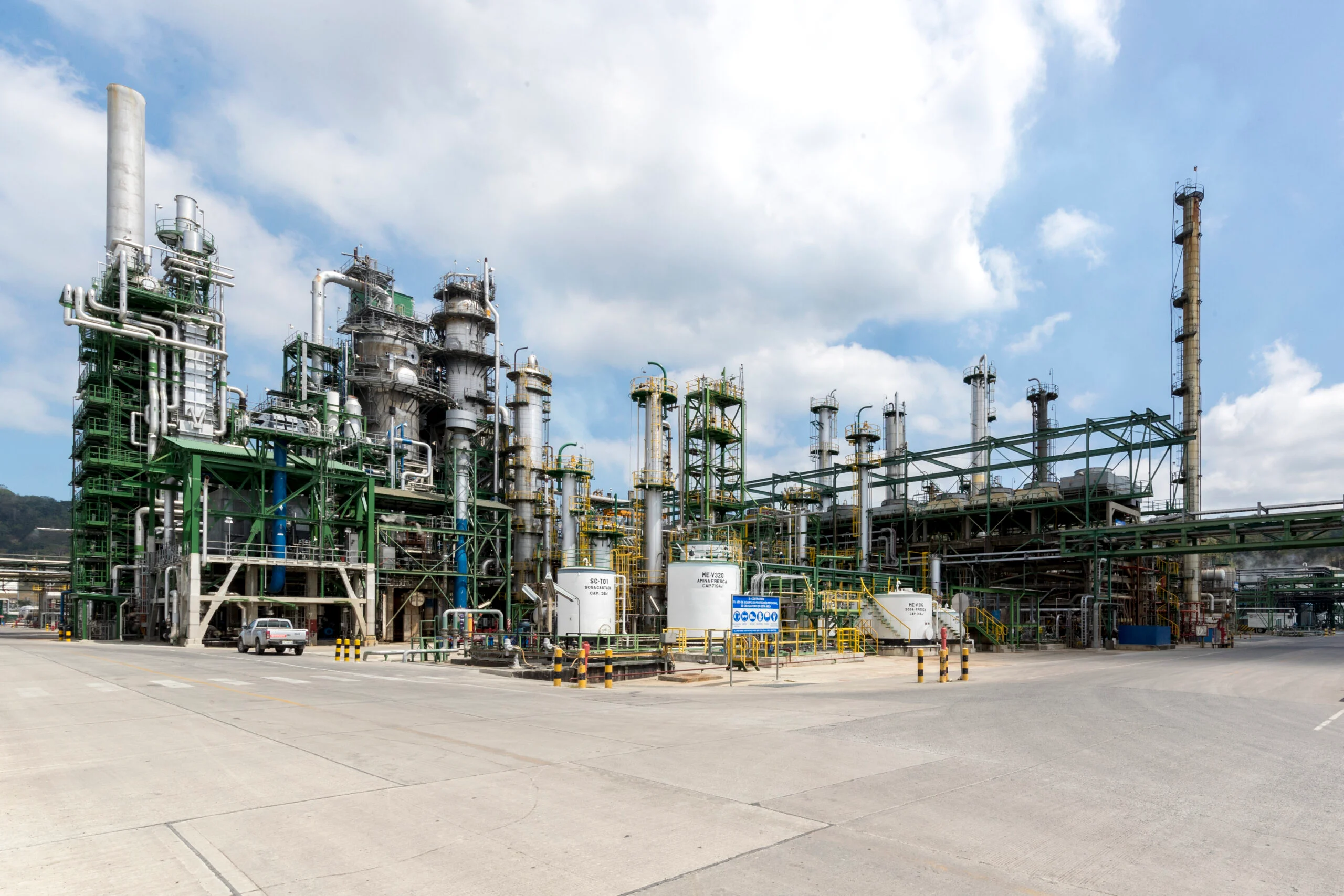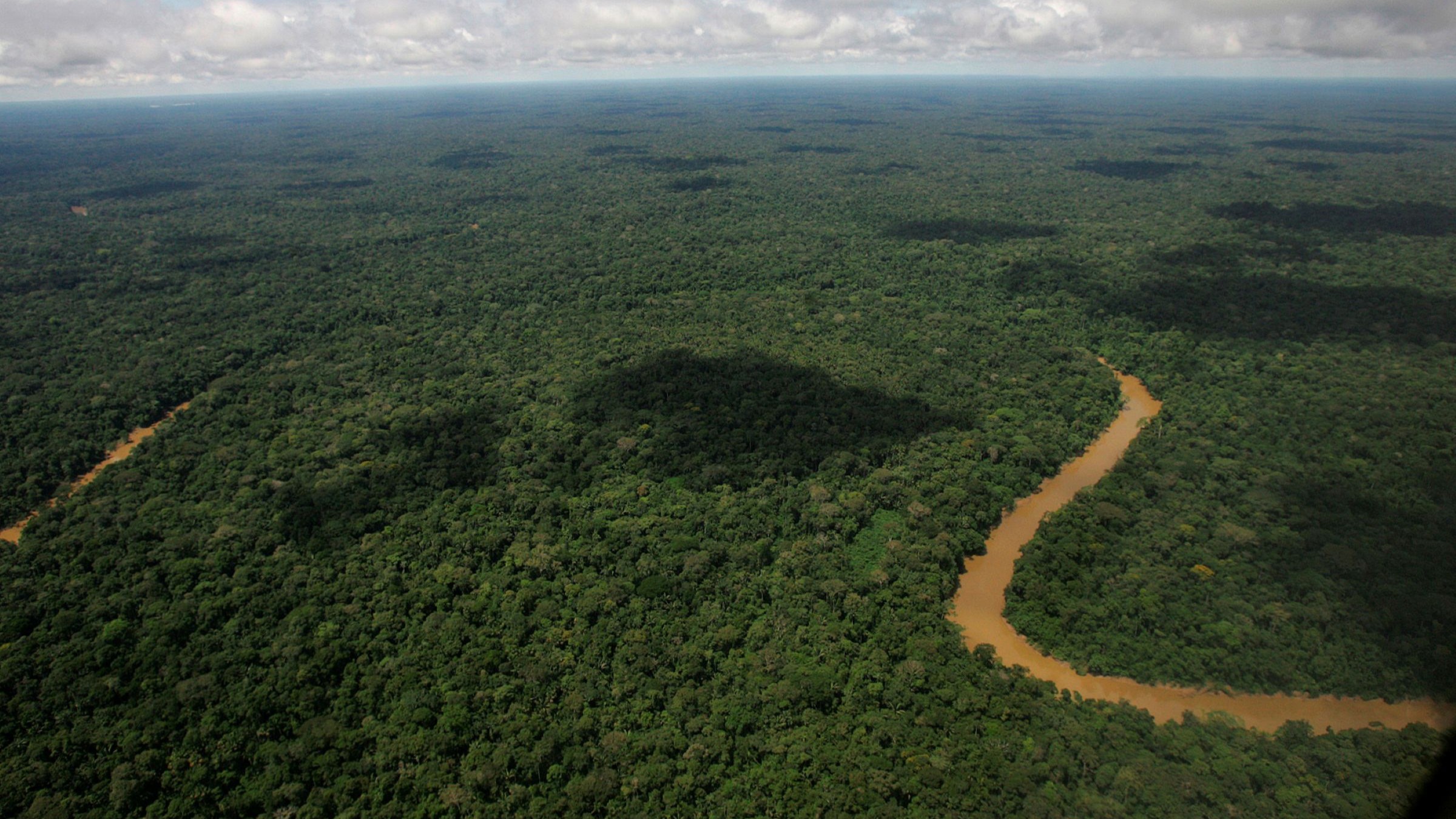
State-owned oil company Petroecuador announced a new project involving “hydraulic fracturing” in an oil block in the Ecuadorian Amazon, creating confusion about the level of risk posed to the environment.The announcement concerned oil in Block 57, also known as the Shushufindi Libertador block, located in Sucumbíos province, which is largely covered by Amazonian rainforest.Conservation groups said they want more transparency from the government as it attempts to boost sagging oil production numbers.
Earlier this month, state-owned oil company Petroecuador announced a new project involving “hydraulic fracturing” in an oil block in the Ecuadorian Amazon. As a result, some observers spoke out against the environmental risks of high-volume shale “fracking,” in which water and chemicals are injected at high pressures into the tight bedrock to release trapped oil and gas.
Shale fracking tends to cause air pollution, uses high quantities of water, and can result in contamination that creates public health risks for surrounding communities.
But while “hydraulic fracturing” and shale “fracking” involve similar processes, they’re carried out at entirely different intensities, with different designs, the observers later said. The two terms are often used interchangeably, and the government didn’t explain the distinction or follow up when the groups asked for clarification, they said.