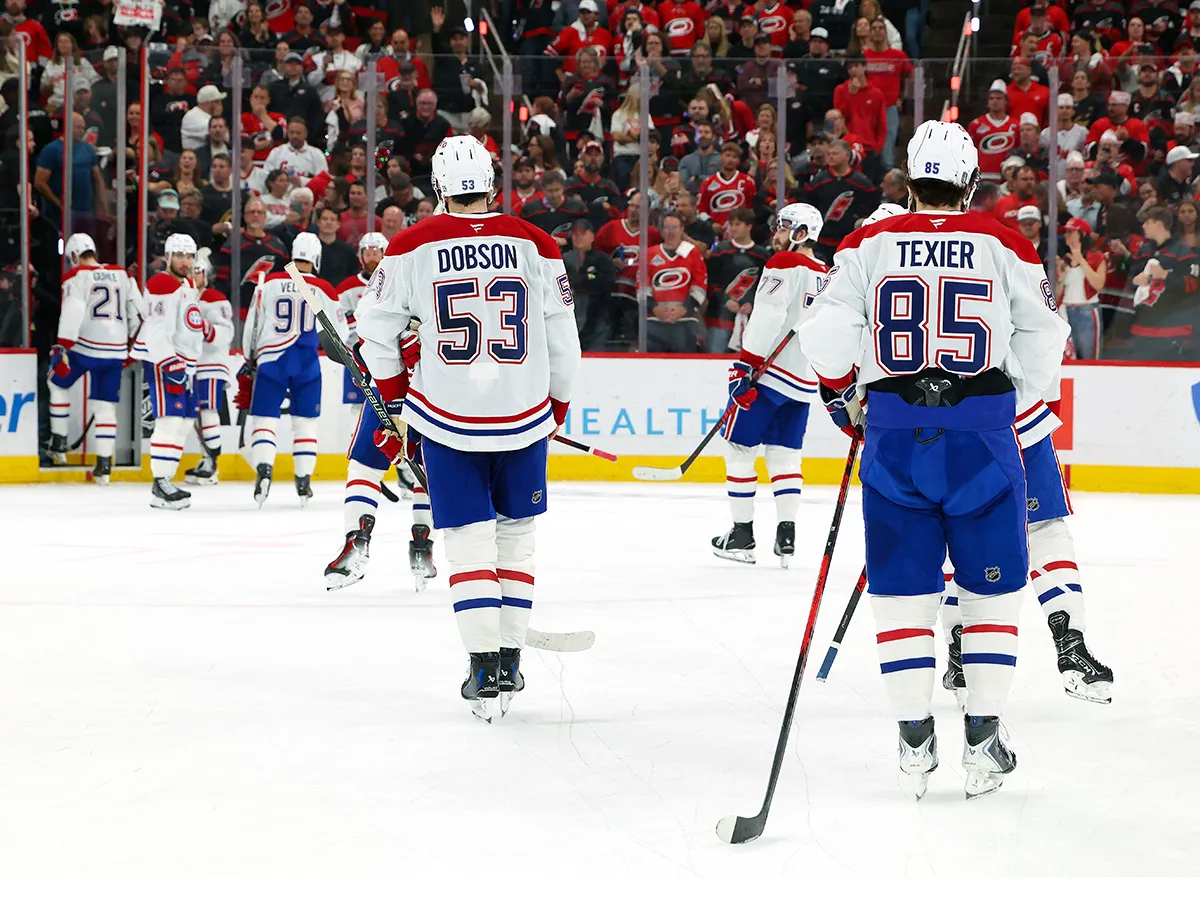
Skip to Content Subscribe Our Offers My Account Manage My Subscriptions FAQ Newsletters Canada Canadian True Crime Canadian Politics Health World Israel & Middle East Financial Post NP Comment Longreads Puzzmo Diversions Comics NP News Quiz New York Times Crossword Horoscopes Life Eating & Drinking Style Sponsored Play for Ontario Travel Travel Canada Travel USA Travel International Cruises Travel Essentials Culture Books Celebrity Movies Music Theatre Television Business Essentials Advice Lives Told Tails Told Shopping Buy Canadian Home Living Outdoor Living Tech Style & Beauty Kitchen & Dining Personal Care Entertainment & Hobbies Gift Guide Travel Guide Deals Savings National Post Store More Sports Hockey Baseball Basketball Football Soccer Golf Tennis Driving Vehicle Research Reviews News Gear Guide Obituaries Place an Obituary Place an In Memoriam Classifieds Place an Ad Celebrations Working Business Ads Archives Healthing Epaper Manage Print Subscription Profile Settings My Subscriptions Saved Articles My Offers Newsletters Customer Service FAQ Newsletters Canada World Financial Post NP Comment Longreads Puzzmo Diversions Life Shopping Epaper Manage Print Subscription HomeCanadaWant to bring the Stanley Cup back to Canada? Cut taxes, says new reportMontreal is the league's most taxed market, with an effective tax rate of 48.57 per centLast updated 30 minutes ago You can save this article by registering for free here. Or sign-in if you have an account.Mitch Marner #93 of the Vegas Golden Knights celebrates after defeating the Colorado Avalanche 2-1in Game Four of the Western Conference Final of the 2026 Stanley Cup Playoffs at T-Mobile Arena on May 26, 2026 at T-Mobile Arena on May 26, 2026 in Las Vegas, Nevada. Photo by Candice Ward /Getty ImagesOTTAWA — It’s been 33 years since a Canadian team last hoisted the NHL’s Stanley Cup, a drought that looks likely to continue with the Montreal Canadiens falling to a 3-1 deficit in the Eastern Conference finals.Enjoy the latest local, national and international news.Exclusive articles by Conrad Black, Barbara Kay and others. Plus, special edition NP Platformed and First Reading newsletters and virtual events.Unlimited online access to National Post.National Post ePaper, an electronic replica of the print edition to view on any device, share and comment on.Daily puzzles including the New York Times Crossword.Support local journalism.Enjoy the latest local, national and international news.Exclusive articles by Conrad Black, Barbara Kay and others. Plus, special edition NP Platformed and First Reading newsletters and virtual events.Unlimited online access to National Post.National Post ePaper, an electronic replica of the print edition to view on any device, share and comment on.Daily puzzles including the New York Times Crossword.Support local journalism.Create an account or sign in to continue with your reading experience.Access articles from across Canada with one account.Share your thoughts and join the conversation in the comments.Enjoy additional articles per month.Get email updates from your favourite authors.Create an account or sign in to continue with your reading experience.Access articles from across Canada with one accountShare your thoughts and join the conversation in the commentsEnjoy additional articles per monthGet email updates from your favourite authorsSign In or Create an AccountorGabriel Giguère, an analyst with the Montreal Economic Institute (MEI) and die-hard Habs fan, says that part of what’s plaguing Canadian hockey markets is high taxes.“If Quebec wants to have a winning hockey team, they should lower taxes to help the Montreal Canadiens attract the best players,” says Giguère. “That’s pretty clear from the numbers.”Giguère is one of the authors of a new MEI study on tax competitiveness and team performance across the NHL’s 32 markets.The study finds that NHL’s so-called Sunbelt advantage— referring to the recent success of teams located in low-tax jurisdictions across the southern United States — isn’t an aberration. It reflects a consistent statistical relationship between taxation and performance.The study reports that, between 1980 and 2017, every one per cent increase in the local tax rate reduced an NHL team’s win rate by 1.55 to 1.57 percentage points. This was about 2.5 times higher than average across all major North American sports leagues.Giguère says the mixture of short peak windows for individual athletes and the high risk of injury in hockey create especially strong incentives for NHLers to maximize their net incomes.“There’s a very high level of uncertainty for every player in the NHL, between declining performance and the potential for getting hurt that comes with every shift,” says Giguère.Across the league, there’s a more than 15 per cent differential between the lowest taxed markets, all in the U.S., and the most heavily taxed ones, all in Canada.Montreal is the league’s most taxed market, with an effective tax rate of 48.57 per cent.Giguère says the Montreal Canadiens, which have the NHL’s youngest roster with an average age of 26.2, are getting a temporary boost from an explosive young core. He adds they’ll have trouble keeping this group together as players age into free agency.Under the current league rules, players who are either above 27 years of age, have completed seven accrued NHL seasons or have expired contracts, may qualify as unrestricted free agents, meaning they can offer their services to the highest bidder.Four of the last six Stanley Cups have been won by teams from Florida, a state with no personal income tax.This year, another low-tax jurisdiction team, Nevada’s Vegas Golden Knights, will be heading to its third Stanley Cup finals in nine years, led by ex-Toronto Maple Leafs sniper Mitch Marner.Marner dodged an approximate $3.75-million annual tax bill by leaving Toronto. Marner’s old Leafs teammate John Tavares is locked in a multi-million-dollar tax dispute with the Canada Revenue Agency, over a $15.25-million bonus he received when he signed with the team in 2018.Giguère admits that taxation is just one of several advantages southern U.S. markets have, noting that warmer climates, perceived lifestyle advantages and a stronger national currency all add to their appeal.The NHL and NHL Players’ Association are expected to address the Sunbelt advantage in their next round of collective bargaining.National Postrmohamed@postmedia.comOur website is the place for the latest breaking news, exclusive scoops, longreads and provocative commentary. Please bookmark nationalpost.com and sign up for our daily newsletter, Posted, here. Join the Conversation This website uses cookies to personalize your content (including ads), and allows us to analyze our traffic. Read more about cookies here. By continuing to use our site, you agree to our Terms of Use and Privacy Policy.
Want to bring the Stanley Cup back to Canada? Cut taxes, says new report
It's been 33 years since a Canadian team last hoisted the NHL's Stanley Cup, a drought that's likely to continue with the Montreal Canadiens
1,047 words~5 min read