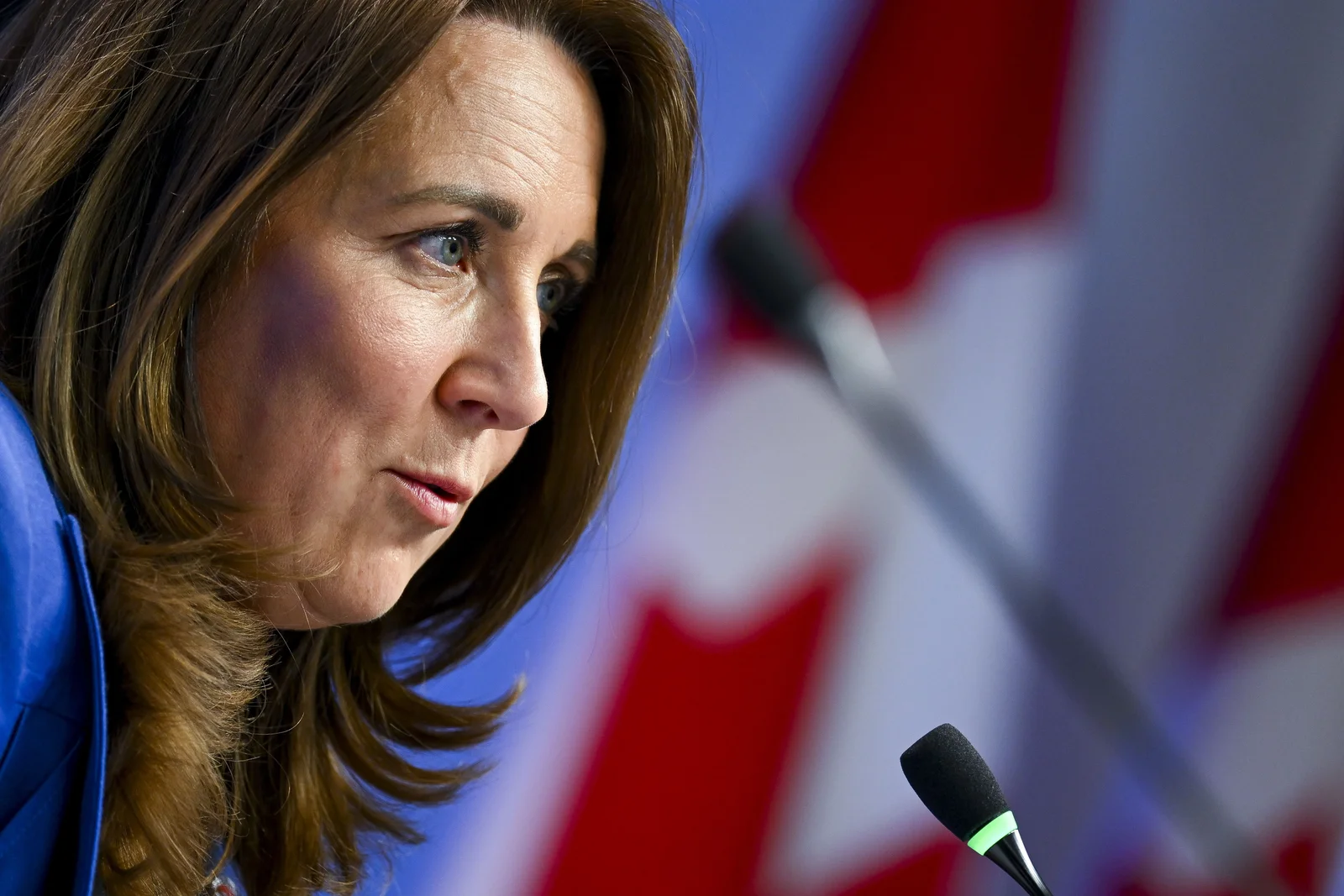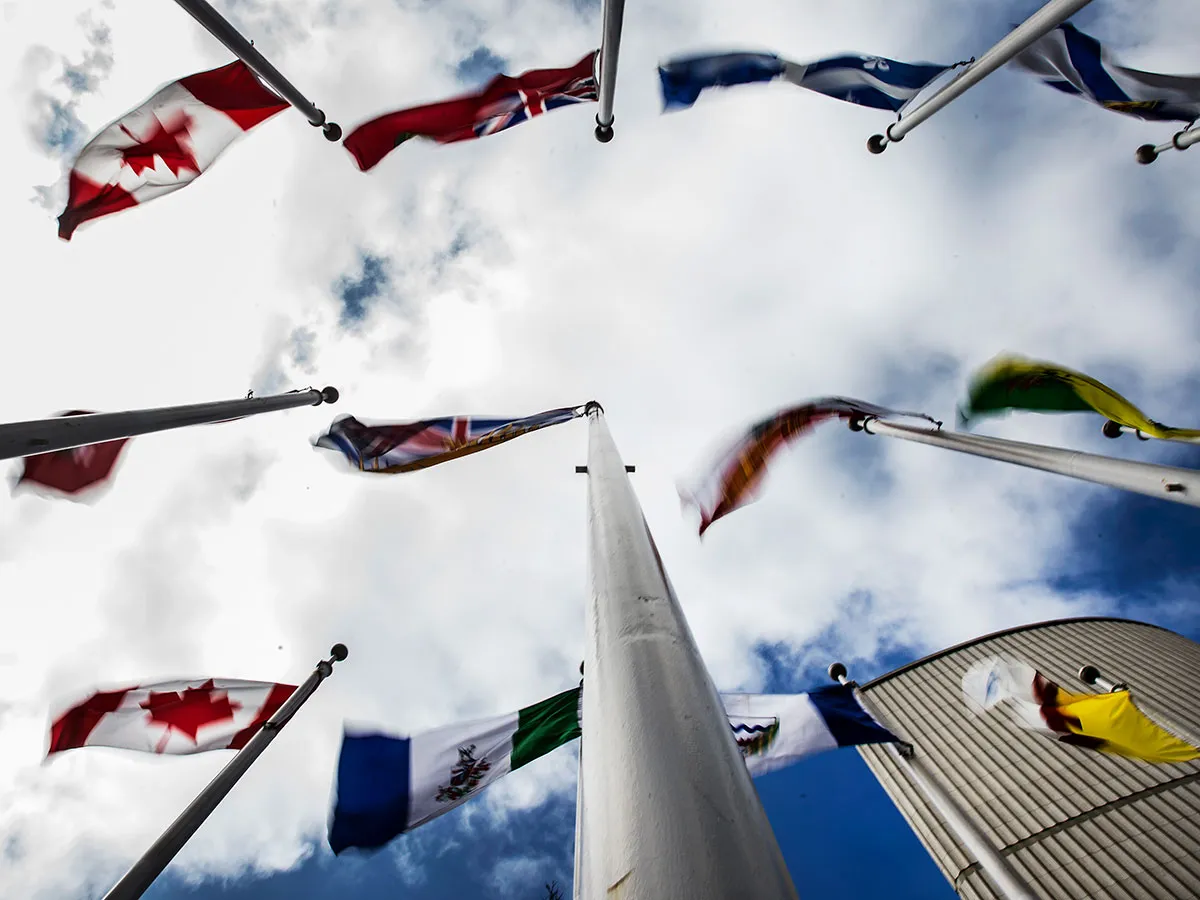
Skip to Content News Archives Economy Energy Oil & Gas Renewables Electric Vehicles Mining Commodities Agriculture Real Estate Mortgages Mortgage Rates Finance Banking Insurance Fintech Cryptocurrency Work Wealth Smart Money Wealth Management Investor Personal Finance Family Finance Retirement Taxes High Net Worth FP Comment Executive Women Puzzmo Newsletters Financial Times Business Essentials More Innovation Information Technology FP500 Podcasts Small Business Lives Told Tails Told Shopping Financial Post Store Obituaries Place a Notice Advertising Advertising With Us Advertising Solutions Postmedia Ad Manager Sponsorship Requests Classifieds Place a Classifieds ad Working Profile Settings My Subscriptions Saved Articles My Offers Newsletters Customer Service FAQ News Economy Energy Mining Real Estate Finance Work Wealth Investor FP Comment Executive Women Puzzmo Newsletters Financial Times Business Essentials HomeNewsEconomyBank of Canada says financial system 'resilient' despite U.S. tariffs, but warns of global risksGeopolitical volatility increases risk of new shocks that could inflame economy's vulnerabilities You can save this article by registering for free here. Or sign-in if you have an account.Canada’s flag and provincial flags fly outside of Toronto City Hall. The trade war's impacts on Canadian businesses have been less widespread than was initially feared. Photo by Peter J Thompson/National PostCanada’s financial system remained resilient despite United States tariffs and trade uncertainty, but a highly volatile global situation could cause a sharp drop in investor confidence, says the Bank of Canada.Subscribe now to read the latest news in your city and across Canada.Exclusive articles from Barbara Shecter, Joe O'Connor, Gabriel Friedman, and others.Daily content from Financial Times, the world's leading global business publication.Unlimited online access to read articles from Financial Post, National Post and 15 news sites across Canada with one account.National Post ePaper, an electronic replica of the print edition to view on any device, share and comment on.Daily puzzles, including the New York Times Crossword.Subscribe now to read the latest news in your city and across Canada.Exclusive articles from Barbara Shecter, Joe O'Connor, Gabriel Friedman and others.Daily content from Financial Times, the world's leading global business publication.Unlimited online access to read articles from Financial Post, National Post and 15 news sites across Canada with one account.National Post ePaper, an electronic replica of the print edition to view on any device, share and comment on.Daily puzzles, including the New York Times Crossword.Create an account or sign in to continue with your reading experience.Access articles from across Canada with one account.Share your thoughts and join the conversation in the comments.Enjoy additional articles per month.Get email updates from your favourite authors.Create an account or sign in to continue with your reading experience.Access articles from across Canada with one accountShare your thoughts and join the conversation in the commentsEnjoy additional articles per monthGet email updates from your favourite authorsSign In or Create an AccountorThe trade war’s impacts on Canadian businesses have been less widespread than was initially feared since most Canadian trade with the U.S. remains tariff-free and changes to U.S. trade policy have not led to lasting deterioration in financial situations, according to the central bank’s Financial Stability Report released Thursday.But that might change if the U.S. imposes tariffs on a broader set of goods or increases current tariff rates, which could negatively impact cross-border trade and the economy. The war in Iran has only added to the uncertainty by driving up energy and commodity prices.Get the latest headlines, breaking news and columns.By signing up you consent to receive the above newsletter from Postmedia Network Inc.A welcome email is on its way. If you don't see it, please check your junk folder.The next issue of Top Stories will soon be in your inbox.We encountered an issue signing you up. Please try againThe Bank of Canada also said risks related to artificial intelligence are growing. Cybersecurity weaknesses within the financial system may be more easily exploited and the recent drop in the share prices of some software companies has led to stress in private credit markets.“Canada’s financial system has functioned well through a challenging year. Individually, these and other vulnerabilities look manageable. However, the economic and geopolitical environment has become more volatile,” senior deputy governor Carolyn Rogers said in prepared remarks.“This has made it more likely that a new shock or a combination of shocks could cause several vulnerabilities to crystallize at once. If this were to happen, these vulnerabilities could interact and reinforce each other.”Deputy governor Toni Gravelle said the central bank will continue to monitor Canada’s financial system closely.“We must stay vigilant,” he said in prepared remarks. “A stable and resilient financial system absorbs shocks rather than amplifying them, and that benefits every Canadian.”The Bank of Canada said the financial health of Canadian households hasn’t changed much since the previous report, which was published last May.Household debt levels remain elevated, but wealth is rising and the share of borrowers behind on debt payments has stabilized. The ratio of household debt to disposable income has slightly increased over the past year, according to Statistics Canada fourth-quarter data, but remains below the peak in 2022.Rising housing prices have also driven up household net worth over time, mainly from higher values for financial assets and strong stock market gains.But the Bank of Canada said wealth gains are not evenly distributed among Canadians and many households are also highly susceptible to changes in the labour market. If the economy continues to weaken and job losses rise, households without sufficient savings could fall behind on mortgage and consumer credit payments.Some homeowners may also be facing higher mortgage renewal rates this year, as higher bond yields mean banks may soon raise their five-year, fixed-payment mortgages. The central bank said households with strong income growth over the past five years should be able to manage the payment increases, but others may have less flexibility.Falling home prices can also limit people’s financial flexibility, central bank officials said.The price of a typical home in Canada has fallen by about five per cent in the past 12 months and by 20 per cent since prices peaked in 2022, according to the report. It said lower home prices are not necessarily a problem for households that can keep up with mortgage payments, but those who need to refinance to manage their payments may not be able to qualify if they have too little equity to meet lenders’ requirements.“Some households face far greater strain than others, and those with the highest debt burden have very little flexibility to cope with a job loss or an unexpected expense,” Gravelle said. “The main concern for both households and businesses is a geopolitical or economic shock that leads to a deep recession and a sharp rise in unemployment.”On the plus side, Canada’s big banks remain in “solid financial health” since they took steps to withstand potential economic shocks, according to the report, but ongoing trade tensions and geopolitical conflicts could make that more challenging.Bank profitability has increased as credit performance has stabilized and banks earned higher revenues from capital market activities.Banks have also continued to benefit from narrow funding spreads and strong investor appetite for their debt, the report said, and Canadian banks were among the first to issue bonds again as financial market conditions stabilized.But the reliance on deposits and funding from wholesale markets means Canadian banks are sensitive to shifts in global funding conditions, the central bank said. Further geopolitical shocks could disrupt these markets, raising borrowing costs or making it harder to issue new debt.Stress to short-term markets — such as repossession and commercial paper — could limit banks’ abilities to finance securities and support trading, making it harder for other market participants to trade or raise cash.Credit losses could exceed current escalations if escalations in U.S. trade tensions or the Iran war significantly weaken employment and economic activity, especially for small and mid-sized banks and credit unions that are highly exposed to regions or industries affected by increased tariffs, the Bank of Canada said.“Canada’s large banks have become more resilient over the past year, with higher profitability and healthy capital buffers,” Gravelle said. “They have also set aside additional funds to absorb potential loan losses. This positions them to support the economy and financial system, even in a severe downturn.” Join the Conversation This website uses cookies to personalize your content (including ads), and allows us to analyze our traffic. Read more about cookies here. By continuing to use our site, you agree to our Terms of Use and Privacy Policy.
Bank of Canada says financial system 'resilient' despite U.S. tariffs, but warns of global risks
Canada's financial system remains 'resilient' despite U.S. tariffs, says central bank
1,394 words~6 min read