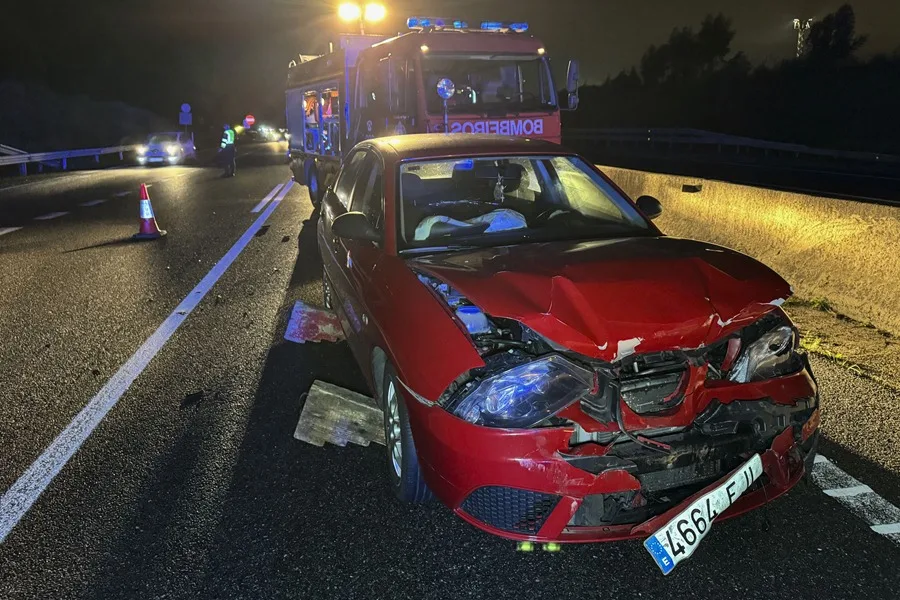
The number of people tragically killed or seriously injured on Britain's roads last year increased by four per cent compared with 2024, as safety organisations demand new measures to protect lives.New provisional figures published by the Department for Transport (DfT), based on injuries and casualties reported by police, show that 29,911 people were killed or seriously injured.The number of fatalities was down three per cent compared with 2024, with 1,556 people tragically killed in road accidents.There were 127,870 casualties of all severities in total - little change compared with 2024.The new figures have been slammed by road safety organisations as showing little progress, especially after the Government launched its new Road Safety Strategy in January. The consultation has ended, and concrete actions are now awaited.The Government is targeting a 65 per cent reduction in deaths and serious injuries on British roads by 2035, and a 70 per cent reduction in child (under-16) KSIs by 2030, using a 2022 to 2024 baseline. The number of people killed or seriously injured on Britain's roads last year increased by 4% compared with 2024, provisional data from the Department for Transport suggestsProvisional DfT figures show the number of people killed or seriously injured on Britain's roads last year rose by four per cent compared with 2024.Of the four road user groups with the most casualties - car occupants, pedestrians, motorcyclists and pedal cyclists - motorcyclists recorded the largest percentage increase in fatalities, rising by 13 per cent to 384 deaths.This marks the second consecutive annual increase in motorcyclist fatalities.IAM RoadSmart director of policy Nicholas Lyes commented: 'We are deeply concerned by the provisional increase in motorcycle fatalities, which shows efforts to protect people on two wheels are 'seriously lacking'. 'The UK Government's strategy will undoubtedly address some of these issues, but it must be backed by clear timelines, proper funding and decisive action if we are to make substantial progress in improving road safety.'However, the DfT said that, given year-to-year volatility in fatality numbers, it is too early to determine whether this two-year increase represents a sustained trend or a short-term fluctuation.Pedal cyclist casualties saw the largest estimated percentage change in total casualties, rising 10 per cent to 16,027.More positively, pedestrian fatalities fell by nine per cent to 372 — the second-largest percentage change among the groups.There remains a clear gender divide: 77 per cent of fatalities and 61 per cent of casualties of all severities were male, broadly in line with recent years.The DfT stressed the figures are provisional and based on data supplied by police forces as of 11 May. They will be updated following further submissions, end-of-year validation and the addition of a small number of missing collisions.RAC senior policy officer Rod Dennis said: 'Once again, this data shows that precious little progress has been made in reducing harm on our roads — and underlines why the Government's Road Safety Strategy is so critical.'Frighteningly, on average four people still lose their lives on the roads every day. If this number of people died on any other form of transport, serious questions would be asked.' Of the four road user groups with the most casualties, motorcyclists recorded the largest percentage increase in fatalities, rising by 13% to 384 deathsWhat is the Government's Road Safety Strategy and when will it come into effect?On 7 January 2026, the Government launched its new Road Safety Strategy - the first in more than a decade.We've analysed the proposals in detail, but a brief overview is as follows.The legislation is expected to represent the most significant overhaul of motoring safety laws since the Road Safety Act 2006.Measures include eye tests for drivers aged over 70, a minimum learning period for new motorists (likely three or six months), and lowering the drink-drive limit in England and Wales to align with Scotland's stricter limit of 22 micrograms of alcohol per 100ml of breath. The current limit in England and Wales is 35 micrograms.Other proposals include a crackdown on illegal number plates and vehicles without MOTs, higher fines for uninsured drivers, and penalties for passengers not wearing seatbelts.The DfT says reforms are needed after Britain slipped from third to fourth in Europe's road safety rankings in 2025, due to other countries making faster progress in reducing fatalities.Edmund King, AA president, said: 'While any reduction in road deaths is welcome, progress has effectively stalled. 'If Britain is to meet the Government's ambitious target of cutting deaths and serious injuries by 65 per cent by 2035, we need renewed focus on enforcement, safer roads, safer vehicles and tackling dangerous driving behaviour.'For too long, the number of people killed or seriously injured on our roads has remained stubbornly high. The new strategy provides the framework, but it will only succeed with sustained commitment and investment to turn ambition into action.'This is Money has contacted the DfT for comment.Save on services and MOTs - and keep track of your car's documents The This is Money Motoring Club is designed to make car ownership cheaper and simpler for This is Money and Daily Mail readers.Powered by MotorEasy it's the place to keep on top of tax, MOTs and servicing - and manage the important documents and receipts that boost your car’s value.You can also save money on maintenance and repairs - and book into one of 10,000 trusted workshops nationwide.New members receive a £20 reward voucher, which you can put towards repairs or even a warranty - giving you peace of mind that if something goes wrong, you won’t be left footing the bill. You can even get £20 off an MOT with one of MotorEasy's listed providers. > Find out more about the This is Money Motoring Club
Number of people killed or seriously injured on roads rose in 2025
New provisional figures published by the DfT, based on injuries and casualties reported by police, show that 29,911 people were killed or seriously injured in 2025.
944 words~4 min read