The US dollar slid to its lowest level in a month after the United States and Iran agreed to a two-week ceasefire on April 8. The truce, which caught markets off guard, triggered a broad repricing of risk assets as traders unwound safe-haven positions and piled into everything from equities to crypto.
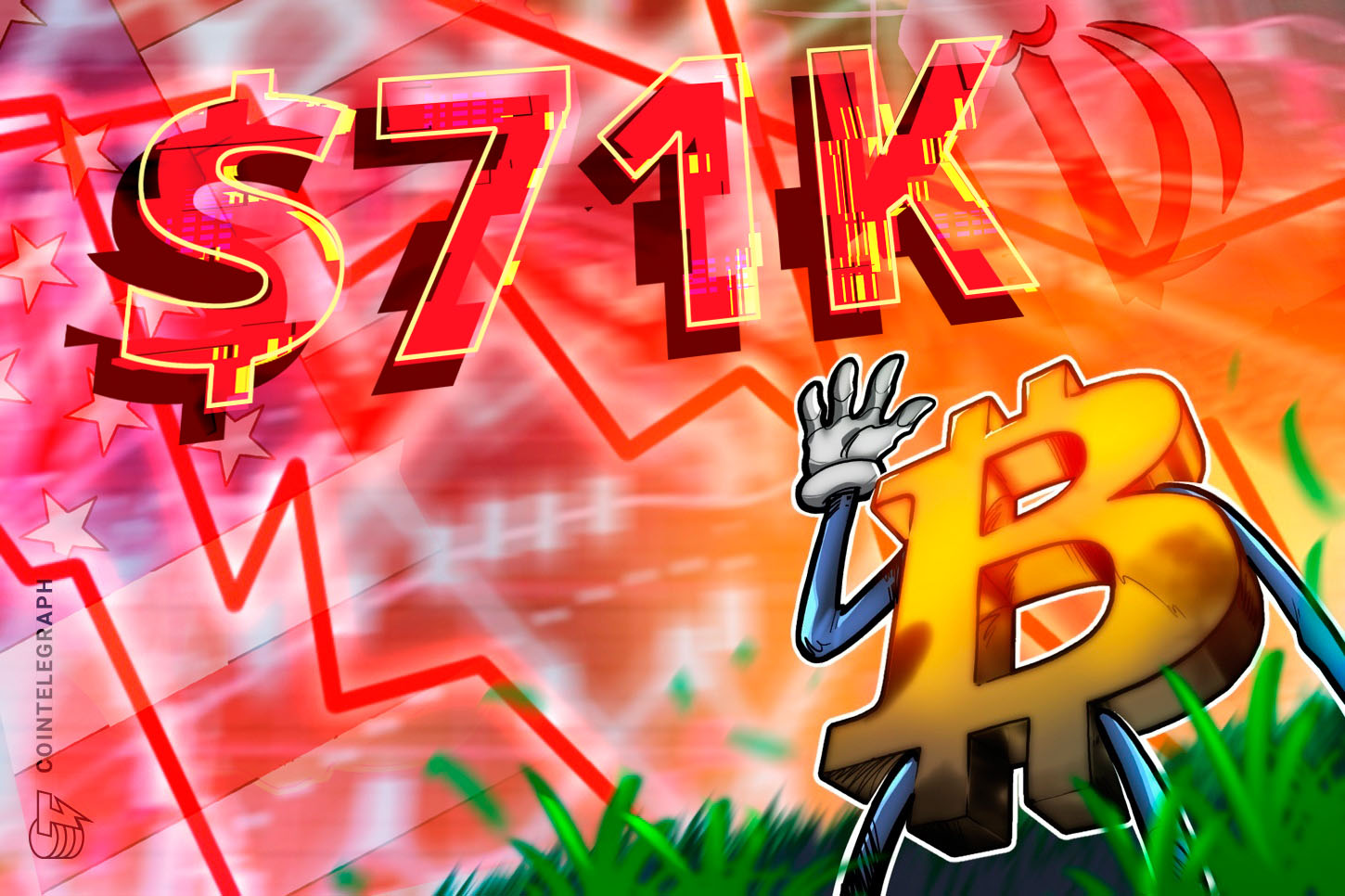
Bitcoin jumped above $72,700 almost immediately after the news broke. Oil prices dropped sharply. And the dollar, which had been riding a wave of geopolitical anxiety, suddenly found itself without a tailwind.
What the ceasefire actually means for markets
The agreement includes provisions for extension beyond its initial two-week window, with Pakistan serving as a mediator between the two sides. Drafts have reportedly been exchanged under this Pakistan-brokered framework, suggesting both parties are at least going through the motions of diplomacy.
The ceasefire stems from longstanding tensions over Iran’s nuclear ambitions and security in the Strait of Hormuz, one of the world’s most critical oil chokepoints. Roughly a fifth of the global oil supply passes through that narrow waterway, which is why any hint of conflict or peace in the region sends energy markets into convulsions.