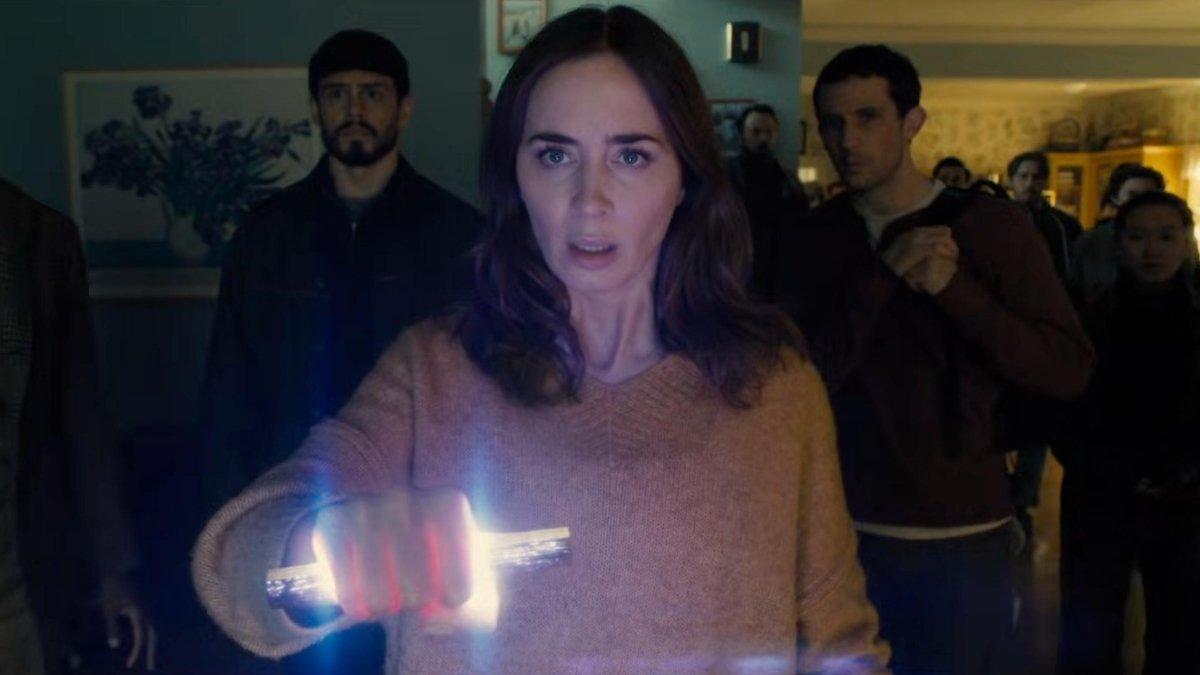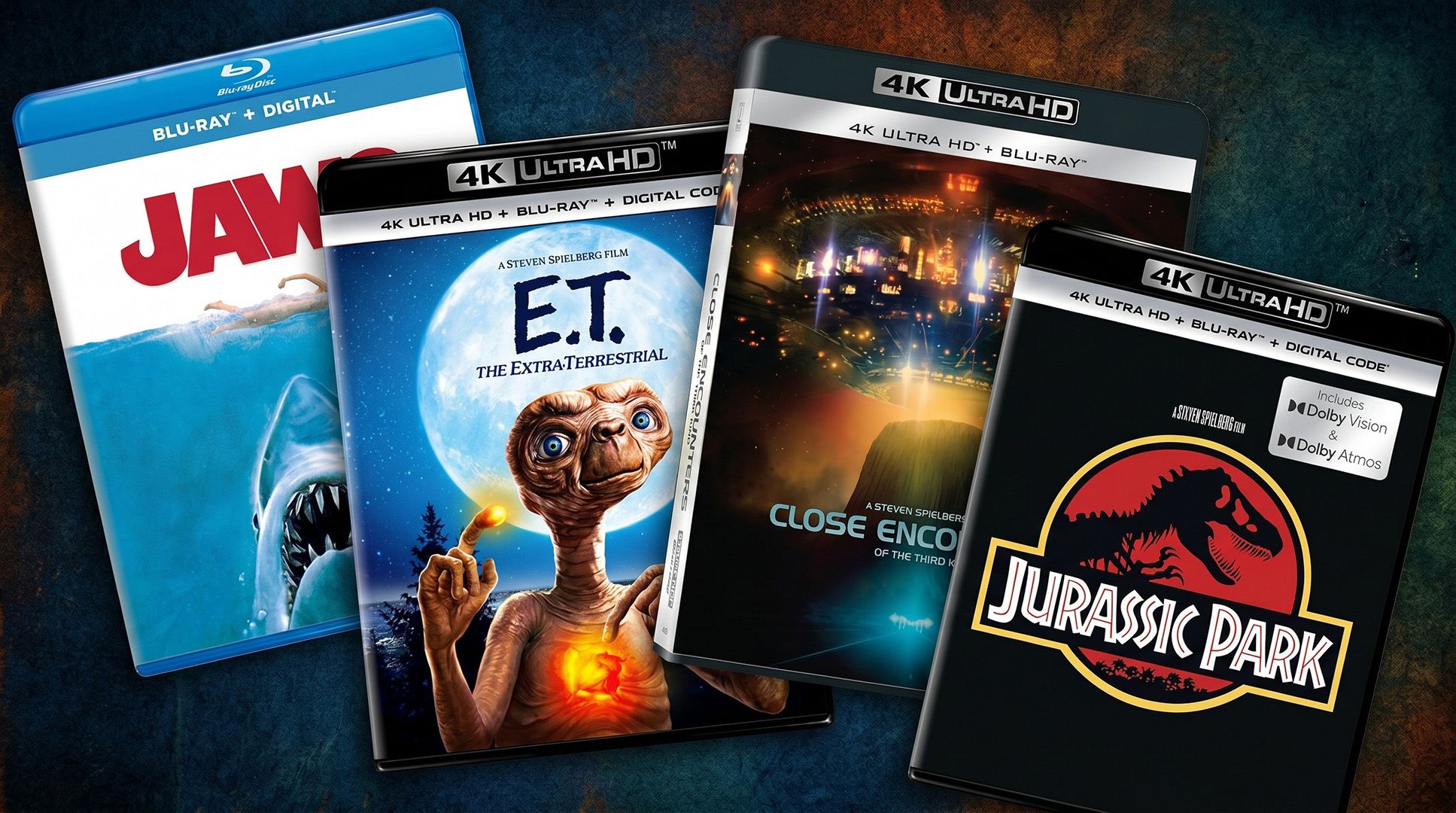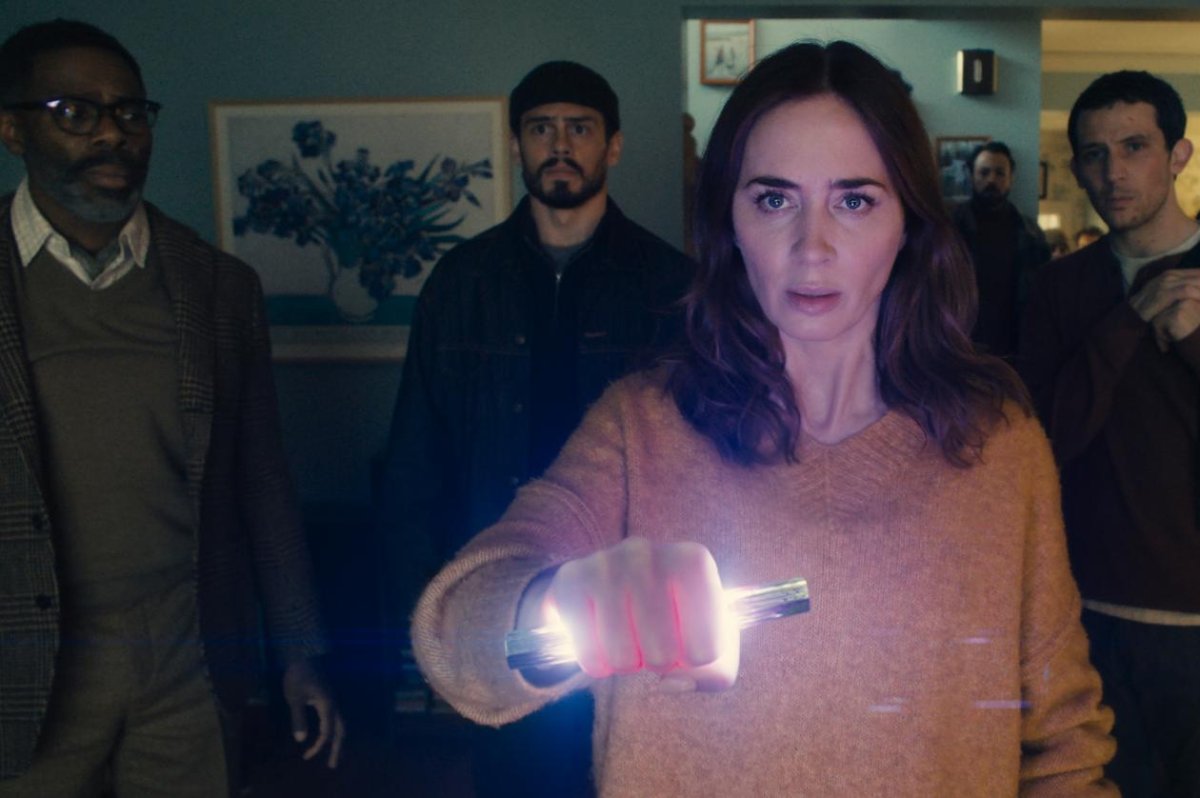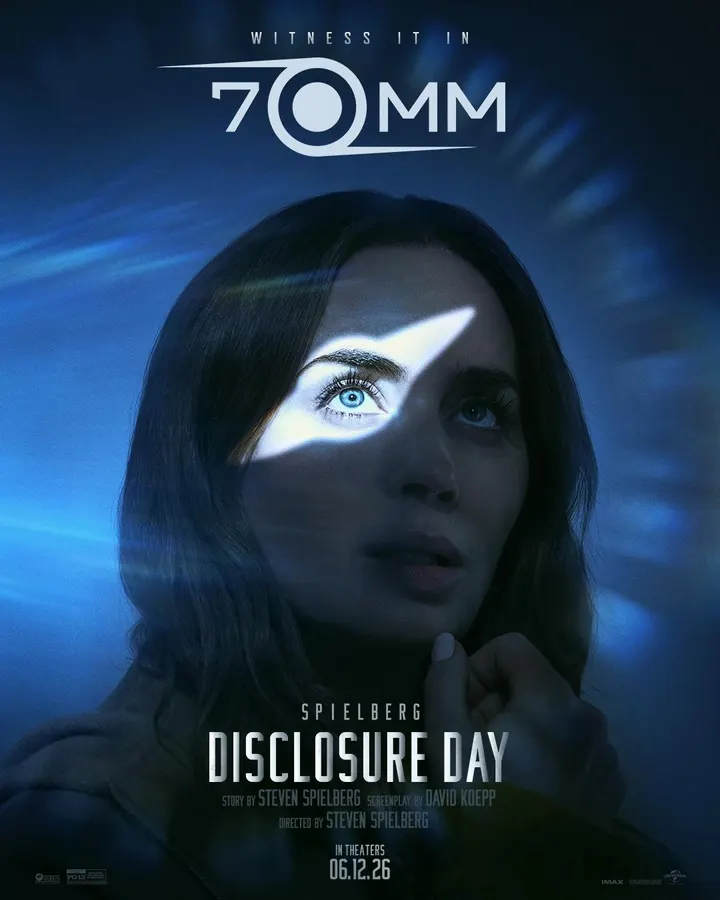
I already have my tickets booked for the Odeon Leicester Square to see ‘Disclosure Day’ on a 70mm film print.Universal PicturesThere’s no director more closely associated with great science fiction storytelling than Stephen Spielberg. Seven of his films fall into this category and films such as Close Encounters of the Third Kind (1977) and E.T. the Extra-Terrestrial (1982) effectively define the genre. While it might give away my age, seeing the latter on release in the wonderful Art Deco Hendon cinema is etched in my memory as a seminal childhood moment. It’s exciting, then, that his new film Disclosure Day, featuring a cast including Emily Blunt, Josh O’Connor, Colman Domingo and Colin Firth, the master is returning to the category. Befitting a UFO thriller that harks back to those earlier classics, Spielberg and his longtime cinematographer Janusz Kaminski captured the movie on a combination of film and digital. A Panavision Panaflex Millennium XL2 film camera was used for that nostalgic cinematic look, while a Sony CineAlta Venice 2 handled low-light work, with its highly sensitive sensors ideal for picking up detail with the use of excessive lighting. Panavision C- and T-Series anamorphic lenses were used for Spielberg’s signature widescreen grandeur.As such, the movie is best matched to auditoriums with a 2.39:1 screen, as this will mean the maximum use of screen area with minimal black letterbox bars at the top and bottom.IMAX: The Biggest ScreenOne exception to this is if you choose to see in IMAX. The 1.90:1 aspect ratio of IMAX Digital means there will be significant black bars, and this will be even more so with IMAX GT screens with 1.43:1 screens. However, the benefit of IMAX is the sheer size of the screen, which will compensate for that aspect ratio mismatch. The powerful IMAX sound, particularly in the 12-channel format offered by laser-projection-equipped IMAX theaters, will also make for an exciting experience. 70mm: The Connoisseur’s ChoiceThe most exciting option, however, has to be that the movie will be getting a limited release on 70mm film stock. This means it will be a blow-up from the native 35mm print, but the larger image area will allow for increased image quality while retaining that authentic filmic look. The audio is expected to be six-channel DTS sound. As reported by in70mm, the following locations will be showing it in this rare format.MORE FOR YOUCANADAMontreal — Cineplex Banque Scotia 13Toronto — Cineplex Varsity 12Vancouver — Cineplex Odeon International Village 12FRANCELille — Kinepolis LommeGERMANYBerlin — DelphiBerlin — Zoo PalastIRELANDDublin — Irish Film InstituteITALYMilan (Melzo) — ArcadiaUNITED KINGDOMLondon — Odeon Leicester SquareUNITED STATESAtlanta — Regal Atlantic Station 16Boston (Brookline) — Coolidge CornerChicago — AMC River East 21Dallas (Plano) — Cinemark West Plano 20Kansas City (Olathe) — AMC Studio 28Los Angeles — VistaLos Angeles (Universal City) — AMC Universal Citywalk 19New York (Brooklyn) — Alamo Downtown Brooklyn 7New York (Manhattan) — AMC Lincoln Square 13New York (Manhattan) — Regal Union Square 17Oakland — Grand LakePortland (Tigard) — Regal Bridgeport Village 18San Diego — AMC Mission Valley 20San Francisco — Alamo New MissionSeattle — AMC Pacific Place 11Dolby Cinema: The Best BlacksHowever, the filmic source and aspect ratio make alternatives such as Dolby Cinema a tempting proposition. This format uses high-brightness dual-laser Christie projectors to deliver an extended dynamic range image, combined with the best possible projected black levels for an intense image. This is combined with Dolby Atmos, which envelopes you in detailed and precise positional audio. And at 2 hours 25 minutes, the comfortable recliners that all Dolby Cinemas feature will be appreciated. In the US, AMC operates hundreds of Dolby Cinema screens, while in the UK they are only seven: six operated by Odeon and one independent. HDR by Barco: The Most Dynamic ImageAnother tempting proposition is screens featuring HDR by Barco projection, which uses a powerful projector combined with computing power to deliver the brightest projected image available of up to 300 nits. The result is a true high dynamic range image, similar to what the best home TVs can deliver. It’s invariably also combined with Dolby Atmos audio and comfortable recliners for a premium experience. As of writing, HDR by Barco is available in 44 locations worldwide; 25 in the U.S., and the remainder are mainly run by Vue in its screens branded as EPIC.Large and PremiumThe movie is also available in the generic cinema-branded premium large formats operated by the major chains. Each has its own name for these, and the specification will vary, but you can expect a larger screen than standard and comfortable reclining seats. Most will also offer laser projection, usually 4K, accompanied by Dolby Atmos sound. In the U.S., look for Prime at AMC and AMC XL, Regal RPX, Cineplex UltraAVX, and Cinemark XD. In the UK, these PLFS are known as Cineworld Superscreen, Odeon iSense, or OmniplexMAXX. The Affordable OneThe final option is standard 2D, and while this might be the most convenient and least expensive format, ideally, you’ll want to see in a screen with a modern laser projector for the brightest image, color richness and greater contrast than older Xenon-lamp-based theaters.Considering that Spielberg was the originator of the summer blockbuster, it’s surprising that there are no other arguably gimmicky format offerings such as ScreenX and 4DX. It’s an indicator that the film is targeted at an audience that has aged along with the director and is probably appropriate for the government conspiracy theory-related subject matter. Even so, I’m expecting to see a thrill ride when ‘Disclosure Day’ is released on June 12th, 2026, with tickets now on sale.
What’s The Best Way To See Spielberg’s ‘Disclosure Day’ In The Cinema
Spielberg returning to sci-fi is big news, so you owe it to yourself to see ‘Disclosure Day’ on the best screen possible. Here’s our guide to the available formats.
926 words~4 min read