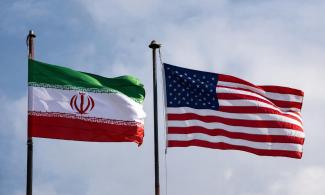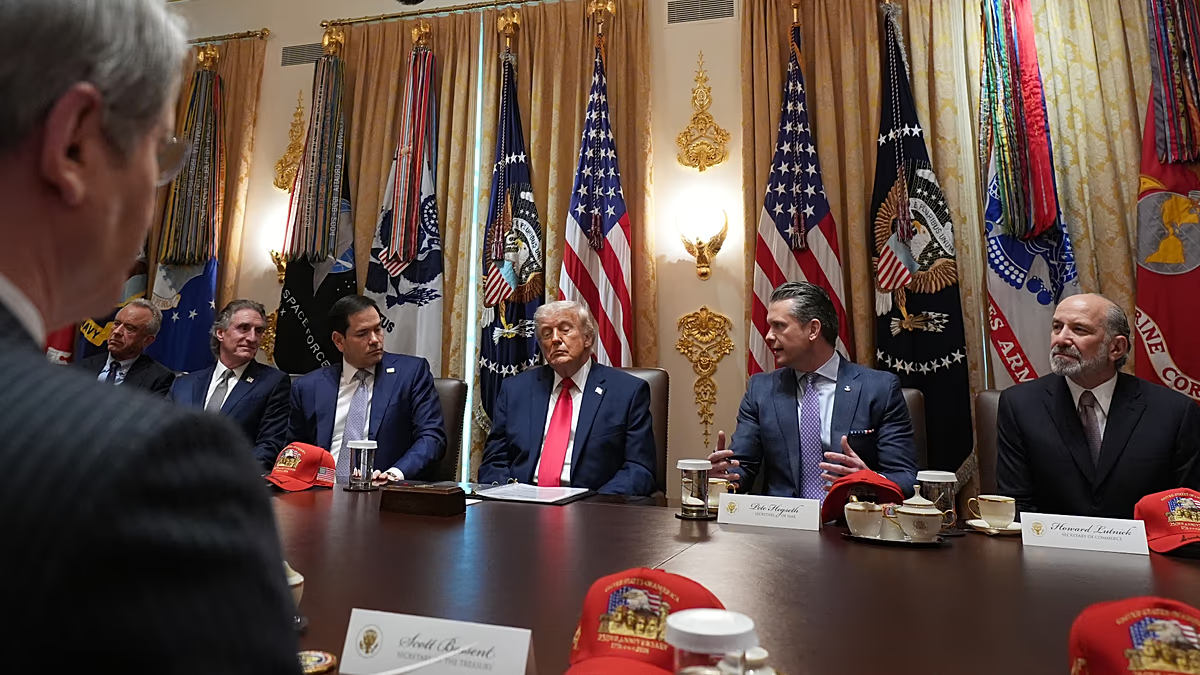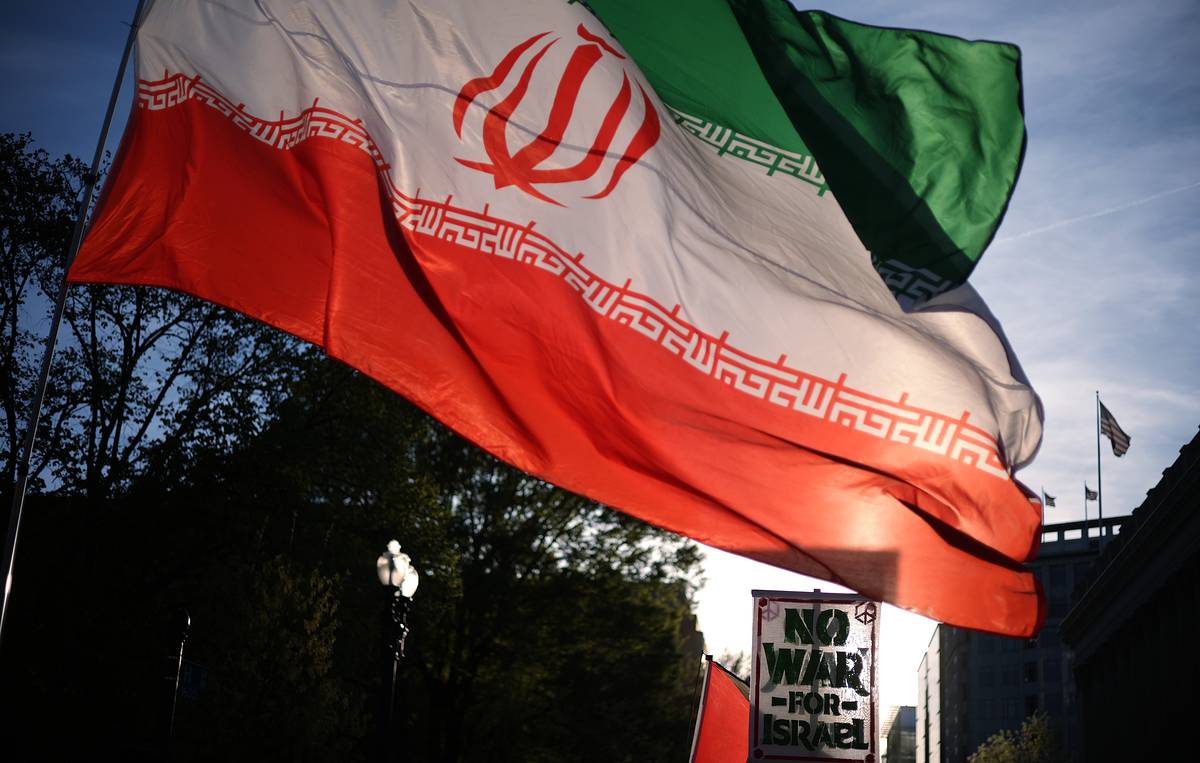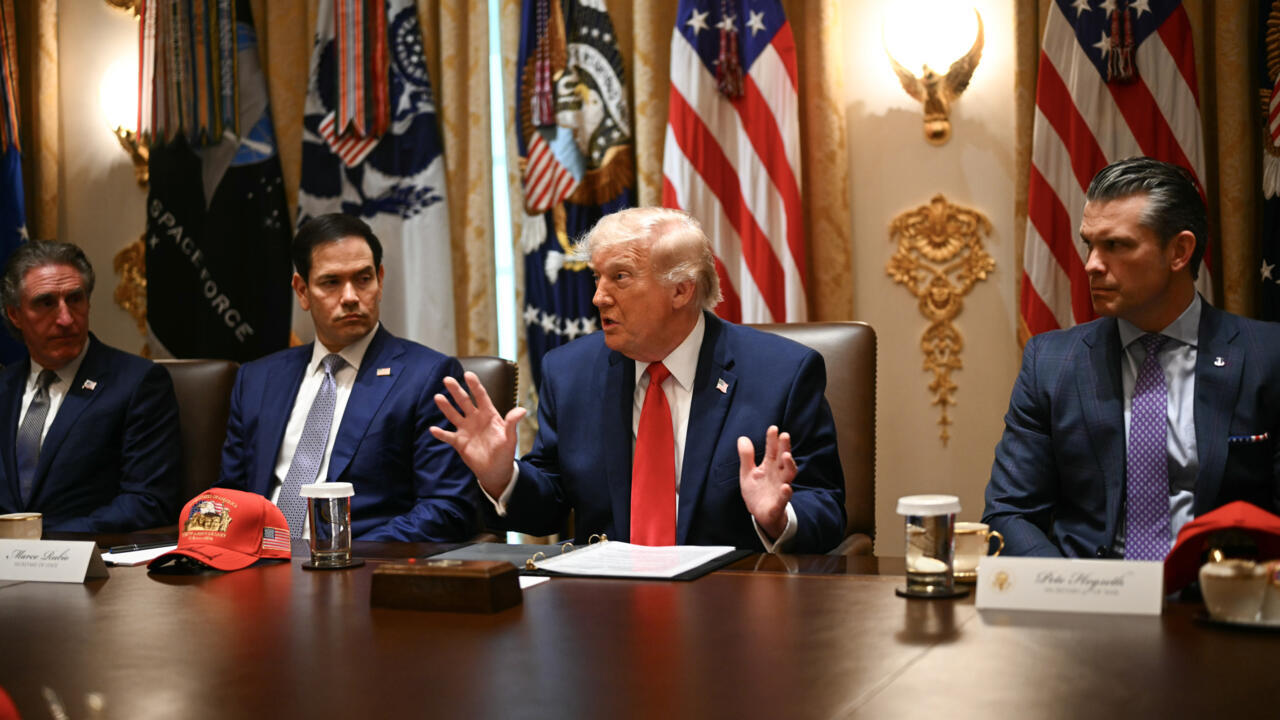
After months of escalating conflict in West Asia, the United States and Iran have reportedly extended their fragile ceasefire through a 60-day memorandum of understanding draft, starting formal talks on Tehran’s nuclear programme, Axios reported, citing US administration officials.However, the agreement still depends on final approval from US President Donald Trump.Also Read | Merchant ships desert Strait of Hormuz amid renewed US strikesAmerican officials further told Axios that negotiators informed the US President of the details of the said deal. "The president relayed to the mediators that he wants a couple of days to think about it," a US official said.The proposed deal marks the biggest diplomatic breakthrough between the two countries since fighting erupted in late February this year.What the US-Iran proposed deal includesAccording to US officials cited by Axios, the broad terms of the agreement were largely finalised by Tuesday, though both sides still needed clearance from their senior leadership.American officials claimed Iranian negotiators later signalled that Tehran had secured the necessary approvals and was ready to move ahead with the signing, though Iran has not publicly confirmed the claim.Also Read | US Treasury chief says to halt Iran airlines' access to landing spotsThe draft MOU reportedly includes guarantees aimed at restoring normal shipping operations through the Strait of Hormuz, one of the world’s most critical oil routes that was choked by Tehran within days of the war breaking out.Under the proposed arrangement, commercial shipping through the strait would remain “unrestricted,” with no tolls or interference.US officials also said Iran would be required to remove all naval mines from the Strait of Hormuz within 30 days, while the US naval blockade would be lifted gradually in proportion to the restoration of commercial maritime traffic.On the nuclear front, the proposed agreement includes an Iranian commitment not to pursue nuclear weapons.The two sides are also expected to begin negotiations during the 60-day window on the future of Iran’s highly enriched uranium stockpile and the scope of Tehran’s uranium enrichment activities.In return, Washington has reportedly agreed to discuss possible sanctions relief and the release of frozen Iranian funds as part of the broader negotiations. The draft understanding also includes discussions on creating a mechanism to facilitate the delivery of humanitarian aid and essential goods into Iran.Why a deal is urgentThe proposed 60-day window comes at a moment of acute global economic and maritime strain, offering a desperate off-ramp from what the International Energy Agency has labelled the "largest supply disruption in the history of the global oil market."The late-February outbreak of hostilities and the subsequent closure of the Strait of Hormuz on March 4 effectively choked a vital artery that normally carries 20% of global oil and liquefied natural gas (LNG) supplies.The immediate shock sent Brent crude prices skyrocketing by over 60%, surging past $120 per barrel at its highest and driving a historic global energy-supply crisis.This maritime blockade instantly removed nearly million barrels per day of oil from the market, leaving vital exports from Saudi Arabia, Iraq, the UAE, and Kuwait stranded.For India, the world’s third-largest oil importer and consumer, the war in West Asia has presented one of its gravest energy security challenges in decades.With roughly half of its crude oil imports historically sourced from the region, and 30% of that supply forced to navigate the Strait of Hormuz, New Delhi was uniquely exposed when the waterway fell quiet.The economic shock waves hit the domestic market instantly, forcing the PM Modi-led central government to end a four-year freeze on retail fuel prices by raising petrol and diesel by four times in the last two weeks.Moreover, the prolonged disruption and resulting currency depreciation forced Moody’s Ratings to slash India’s calendar-year GDP growth forecast by 0.8 percentage points down to 6%.
West Asia War: US-Iran draft 60-truce extension; all eyes on Trump nod, says report
A significant diplomatic development is underway between the United States and Iran. A 60-day memorandum of understanding is drafted to extend a fragile ceasefire. This agreement also aims to initiate formal talks concerning Iran's nuclear program. This represents a major breakthrough since fighting began in 2025. The deal awaits final approval from US President Donald Trump.
620 words~3 min read