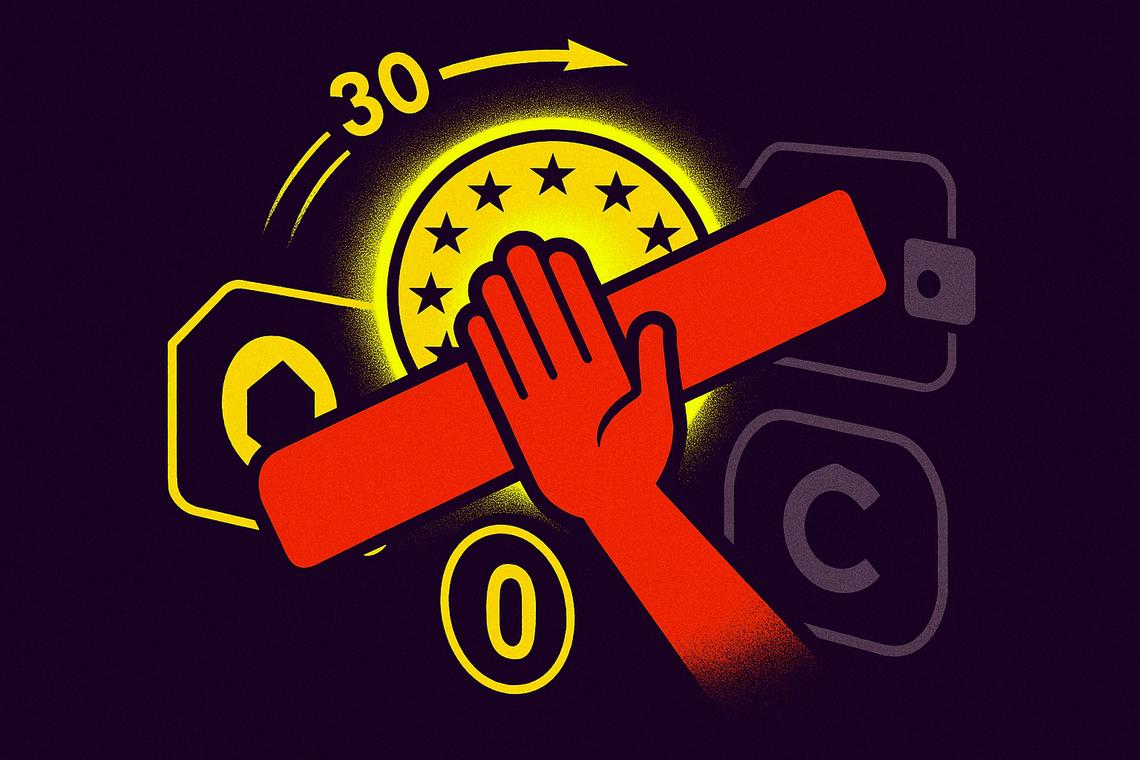
SynopsisCrypto firms face a June 30 deadline to secure European Union licenses. France's top markets regulator, AMF, warns that non-compliant companies will be blacklisted and face legal action. This new EU regulation, MiCA, brings oversight to the crypto industry. Companies without licenses must have orderly wind-down plans. France may block licenses from other countries if it disagrees with approval decisions.France's top markets regulator warned crypto companies they could be blacklisted and sued if they do not get an EU licence to operate by end of June, as the bloc fully rolls out tighter regulation of crypto.Under the European Union's crypto rules, MiCA, crypto companies have until June 30 to get a licence to continue operating in the bloc. European regulators have already warned that companies without licences need to have "orderly wind-down plans" in place.The rules, which were agreed in 2023, bring regulatory oversight to the multi-trillion-dollar crypto industry's operations in Europe, even as U.S. President Donald Trump's administration has eased regulation for the crypto sector in the U.S.."It's becoming very, very urgent to finalise the licences applications," Marie-Anne Barbat-Layani, president of the French markets regulator, AMF, told journalists on Thursday.Crypto companies which have not secured licences by the EU's deadline will be put on blacklists and will face enforcement action, including prosecution, if they continue to seek EU customers without authorisation, Barbat-Layani said.Under MiCA, crypto companies have to apply for licences from regulators in individual EU countries, which they can use as a "passport" to operate throughout the 27-nation bloc.Last year, some regulators became concerned about differences in how countries were applying the rules, with the speed of licence approvals in Malta drawing scrutiny from the European Securities and Markets Authority (ESMA).Barbat-Layani reiterated that France would be prepared to block the passporting of licences granted by other countries if it does not agree with that country's decision, a stance first reported by Reuters in September.Still, she said, this would not be what the regulator would want, as it would represent a "serious collective failure". ...moreElevate your knowledge and leadership skills at a cost cheaper than your daily tea.Subscribe Now
Crypto companies without EU licences face prosecution, French regulator warns - The Economic Times
Crypto firms face a June 30 deadline to secure European Union licenses. France's top markets regulator, AMF, warns that non-compliant companies will be blacklisted and face legal action. This new EU regulation, MiCA, brings oversight to the crypto industry. Companies without licenses must have orderly wind-down plans. France may block licenses from other countries if it disagrees with approval decisions.
350 words~2 min read