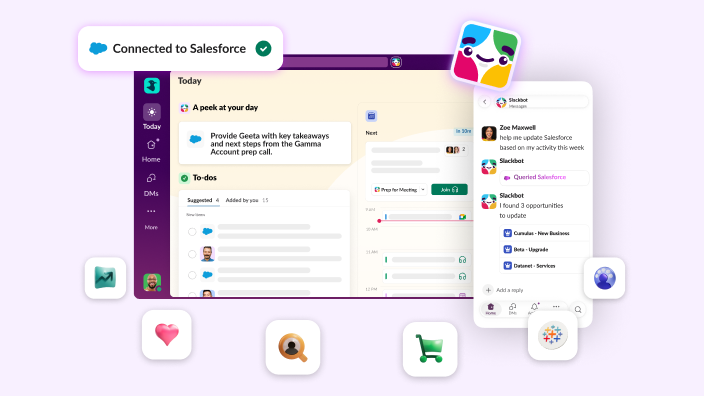
Slack is where most companies actually run. Conversations, decisions, customer escalations, engineering alerts, all of it. So when I started building AI agents that needed to read from and write to Slack, I quickly hit a wall. OAuth flows, token refresh, webhook subscriptions, permission scoping, audit logging. None of it is fun, and all of it gets harder when security and compliance teams start asking pointed questions.
I spent a few weeks testing platforms that promise to make AI-to-Slack connections secure, fast, and production-ready. Some are developer-focused infrastructure layers. Others are no-code agent builders. A couple are full enterprise AI platforms. I wanted to know which ones actually deliver when you need an agent to do real work in real Slack workspaces without leaking data or breaking under load.
Here's what I found, starting with the platform I'd reach for first.
How I Evaluated These Platforms
I looked at five things: how quickly an AI agent could be wired up to Slack, the depth of available Slack actions and event triggers, security and compliance posture (SOC 2, GDPR, HIPAA, self-hosting), observability and audit logging, and pricing transparency. I also paid attention to developer experience, since most teams building agents are engineers, not no-code users.