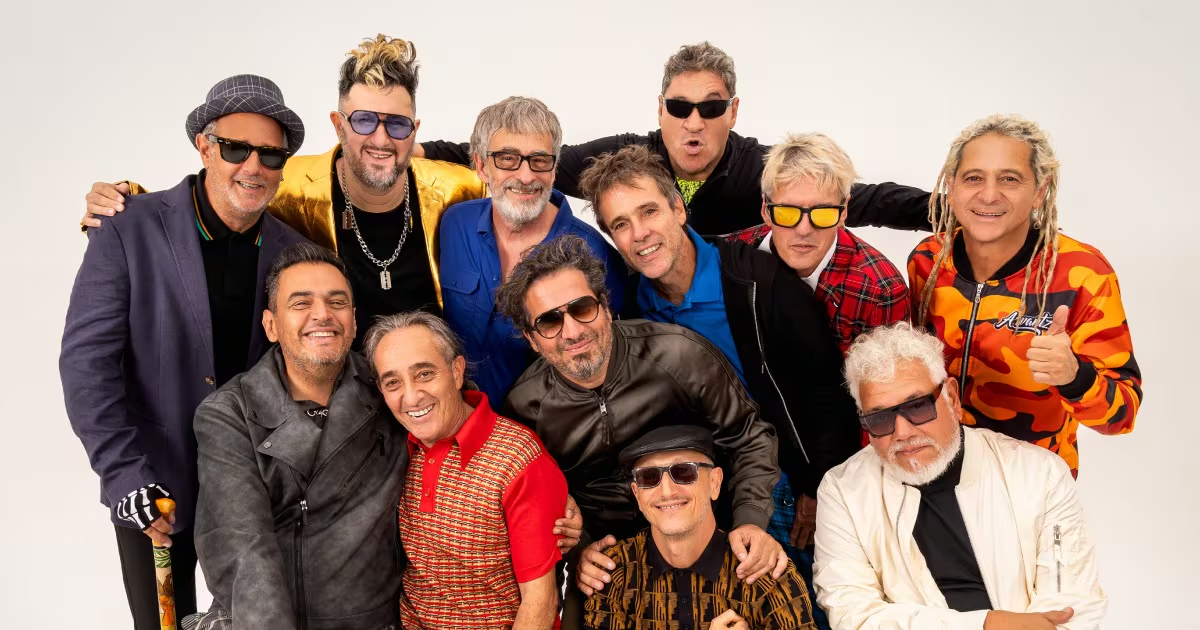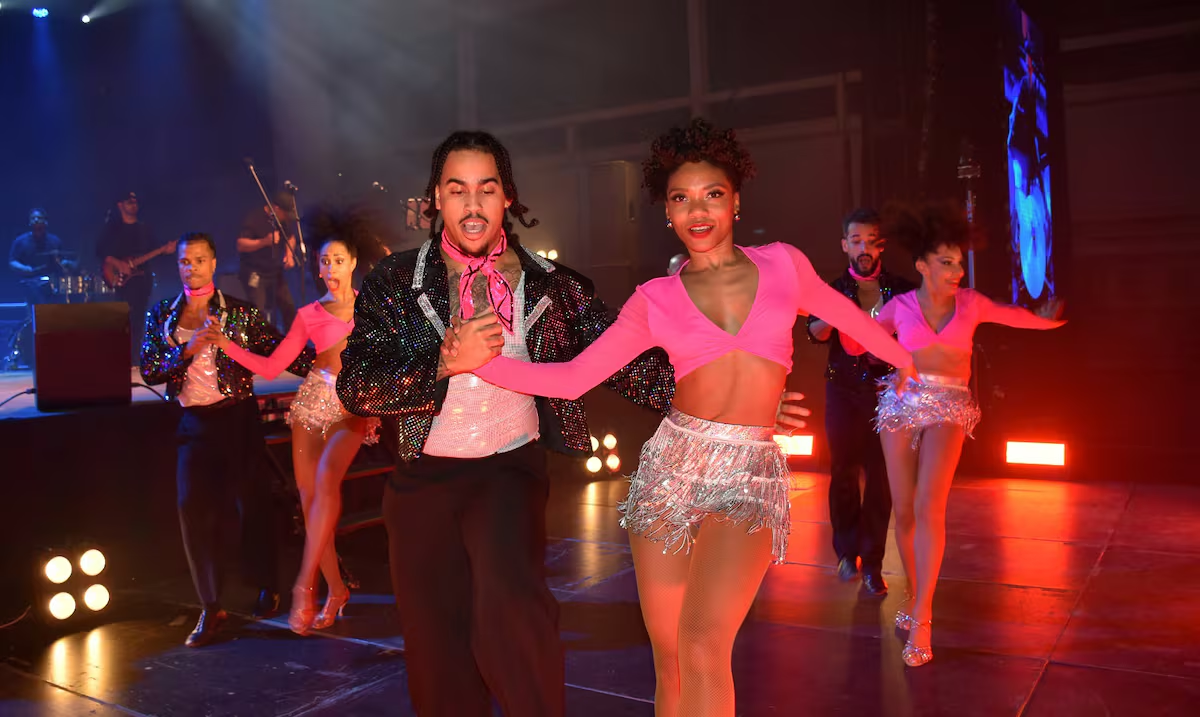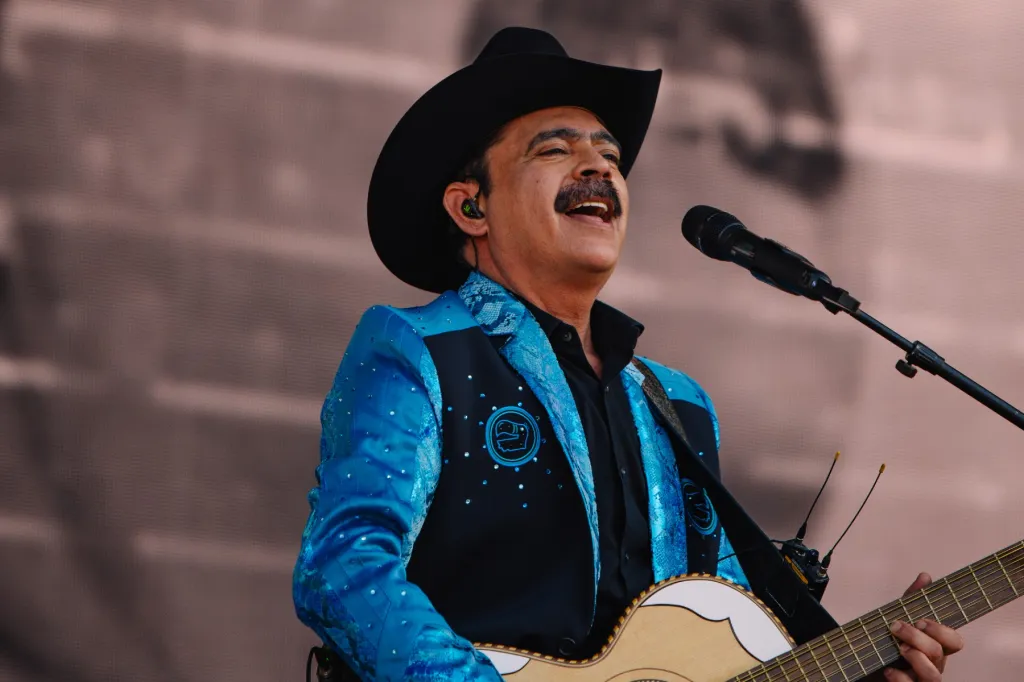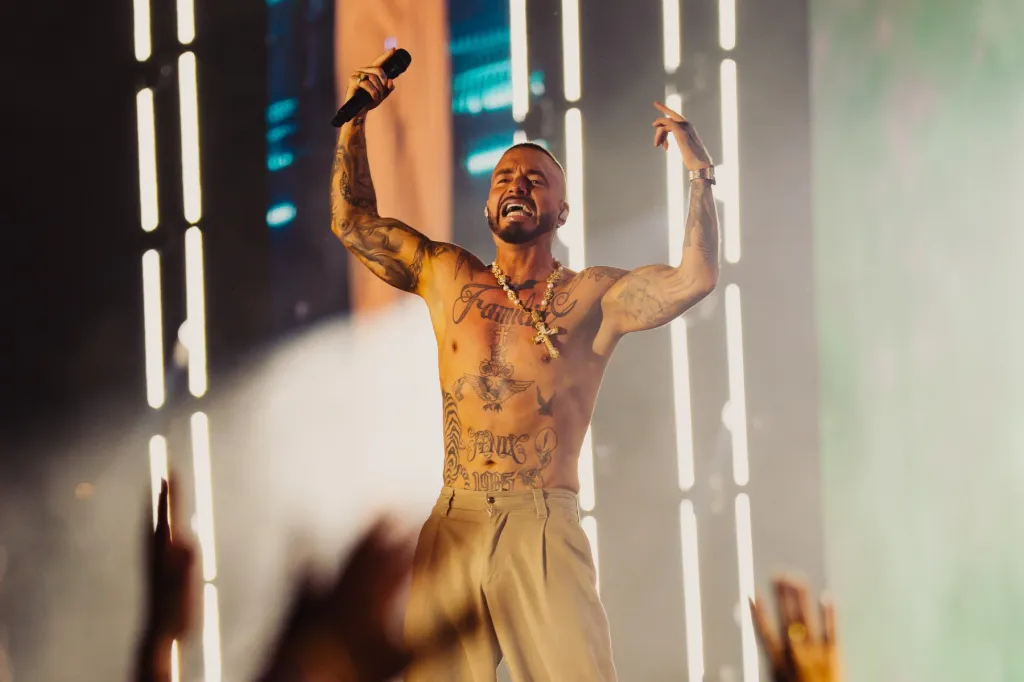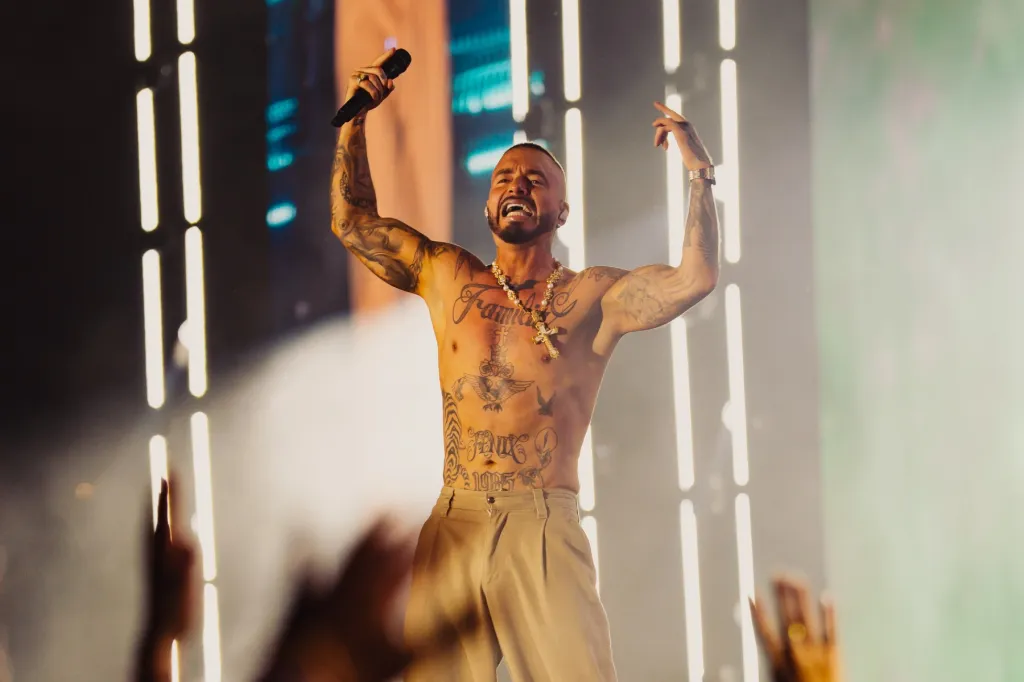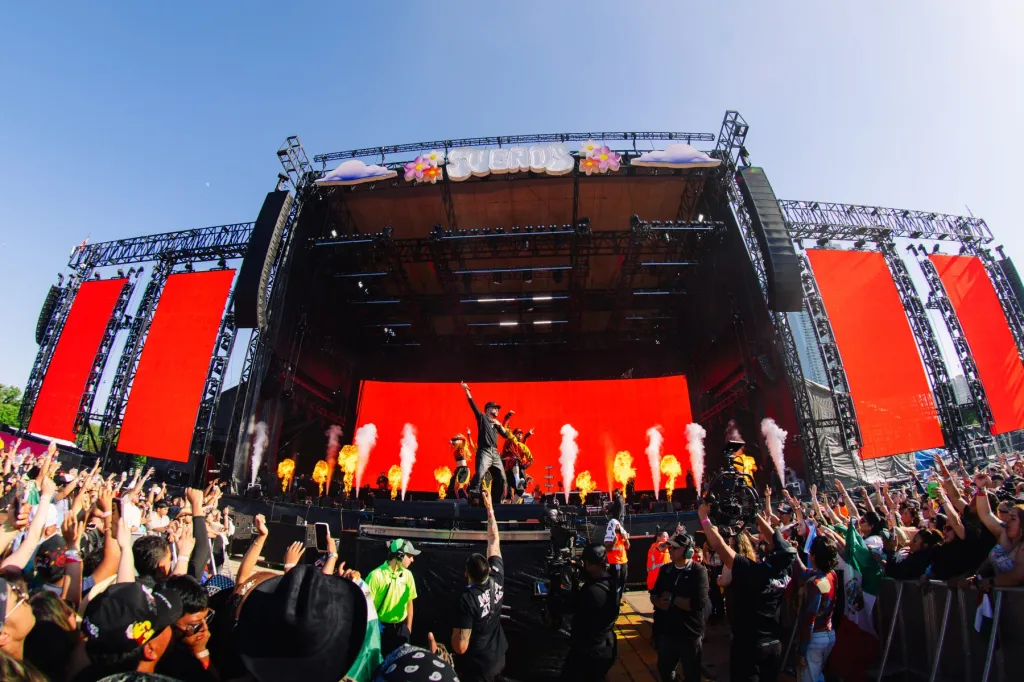
Latin music festivals in the U.S. have had a rough run lately. In the past two years alone, Bésame Mucho scrapped its November 2024 L.A. edition with Shakira as headliner, Migo Fest in New York was called off last October before it got underway, and La Onda in Napa abruptly canceled two weeks after unveiling a lineup led by J Balvin, Maná and Christian Nodal.
The pressures on the individual festivals varied — from visa issues and broader political concerns to lineup instability, touring competition, soft ticket sales and the rising cost of mounting a festival — but together they underscored how difficult it has become to build a durable, exclusively Latin festival business in the U.S.
Related
Sueños, by contrast, has kept expanding. Now in its fifth year in Chicago’s Grant Park, the festival has become a fixture on the city’s summer calendar while continuing to book top-tier Latin talent. That staying power is especially notable at a moment when the Latin music festival market appears both bigger and more fragile than it did just a few years ago.
Not every festival offered a full explanation for why it pulled the plug. But taken together, the recent cancellations have highlighted just how shaky the Latin festival business can be, even as demand for the genre remains strong. Billboard separately reported last September on visa issues as a growing concern for artists and the companies that work with them.