AdvertisementSKIP ADVERTISEMENTYou have a preview view of this article while we are checking your access. When we have confirmed access, the full article content will load.The Personal Consumption Expenditures price index rose 3.8 percent in April from the same time last year.Listen · 4:04 min Credit...Vincent Alban/The New York TimesMay 28, 2026, 8:39 a.m. ETThe Federal Reserve’s preferred measure of inflation accelerated in April to a three-year high, reinforcing the central bank’s budding support to consider raising interest rates if price pressures do not ease.The Personal Consumption Expenditures index rose 3.8 percent from the same time last year. It was the fastest annual pace since May 2023, when the Fed was in the midst of raising rates to tame a burst of inflation that had emerged in the wake of the pandemic. Over the course of the month, prices rose 0.4 percent.A measure of underlying inflation that strips out volatile food and energy prices also notched a multiyear high. That measure, “core” inflation, increased 3.3 percent on a year-over-year basis after rising 0.2 percent in April.The latest data, which the Commerce Department released on Thursday, provided officials at the central bank with yet more evidence that they need to prioritize the risk of resurgent price pressures stoked by the war with Iran over shoring up the labor market, which has stabilized in recent months. The war, which began in late February, has severely disrupted global energy markets, raising the urgency of a deal between President Trump and Iranian officials.The Fed typically ignores or “looks through” supply shocks because they historically tend to affect prices only temporarily. But some officials have begun to question whether this is the right approach, given that the war with Iran is the fourth shock in five years to push inflation further from the Fed’s 2 percent target. The U.S. economy has weathered a series of events that have raised prices, including the Covid-19 pandemic, Russia’s invasion of Ukraine and Mr. Trump’s global trade war.Since 2021, inflation has been higher than the central bank would like. Expectations about inflation in the next five or 10 years still reflect confidence that the central bank will eventually succeed in bringing inflation down to 2 percent. But the longer inflation stays above that target, the more likely that confidence could begin to ebb.Thank you for your patience while we verify access. If you are in Reader mode please exit and log into your Times account, or subscribe for all of The Times.Thank you for your patience while we verify access.Already a subscriber? Log in.Want all of The Times? Subscribe.AdvertisementSKIP ADVERTISEMENT
Iran War Lifts Fed’s Preferred Inflation Gauge to Highest Level Since May 2023
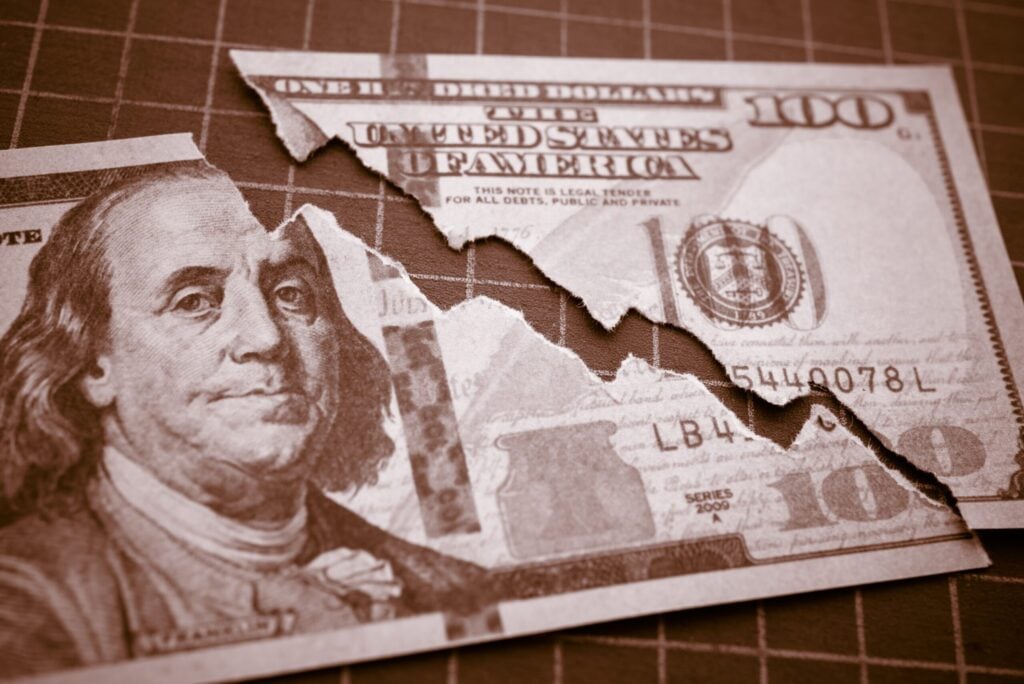
The Personal Consumption Expenditures price index rose 3.8 percent in April from the same time last year.
431 words~2 min read