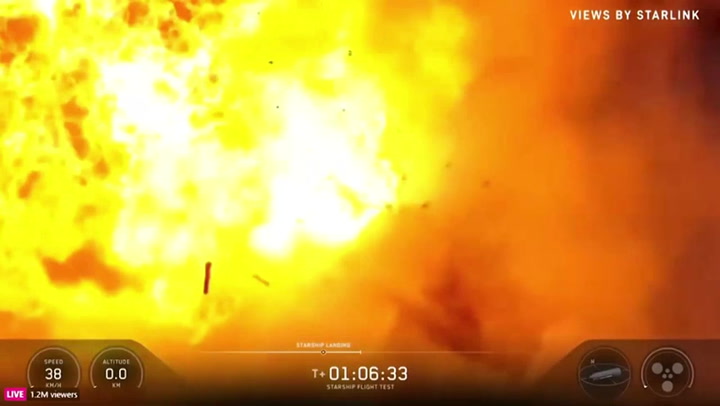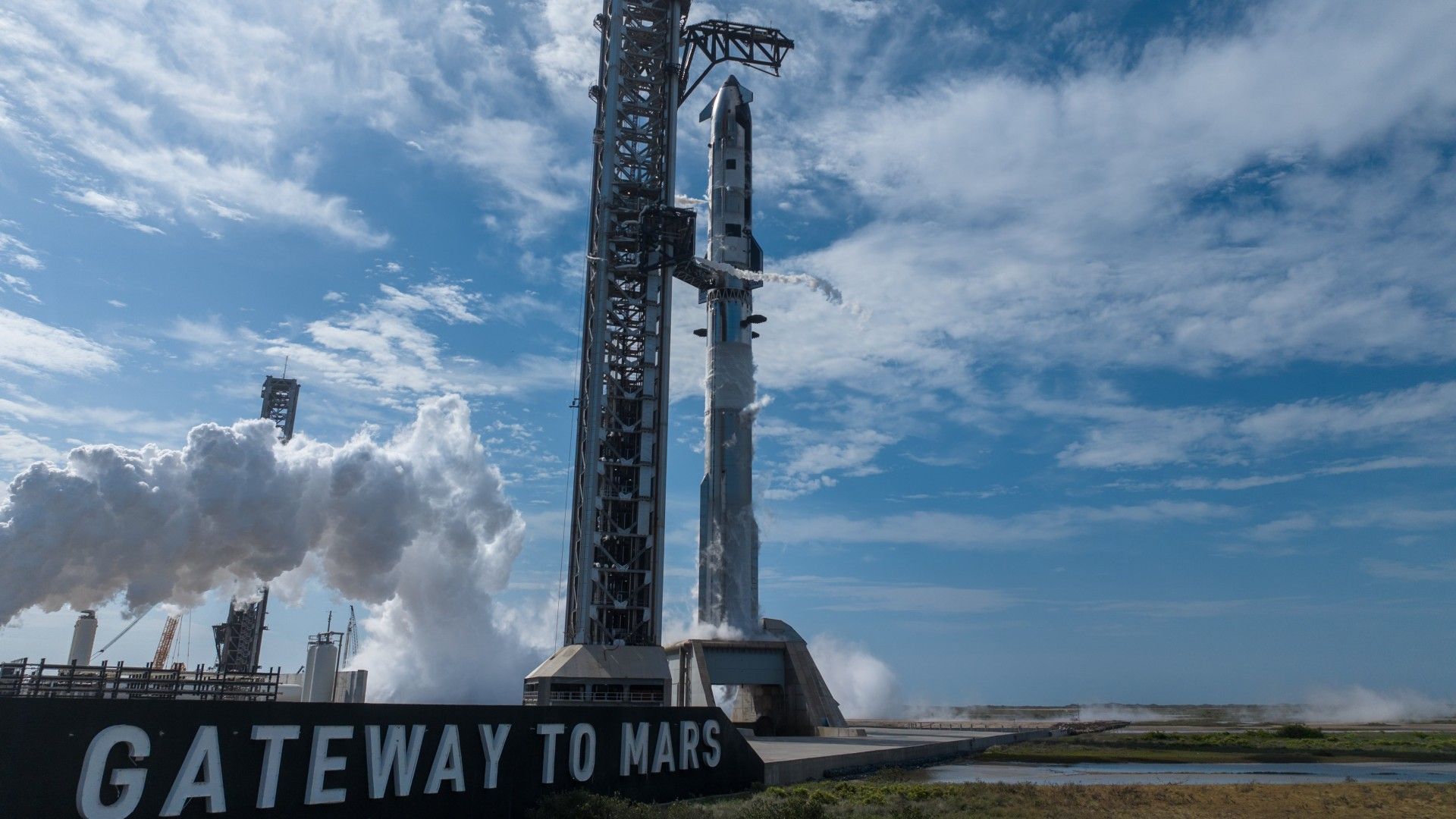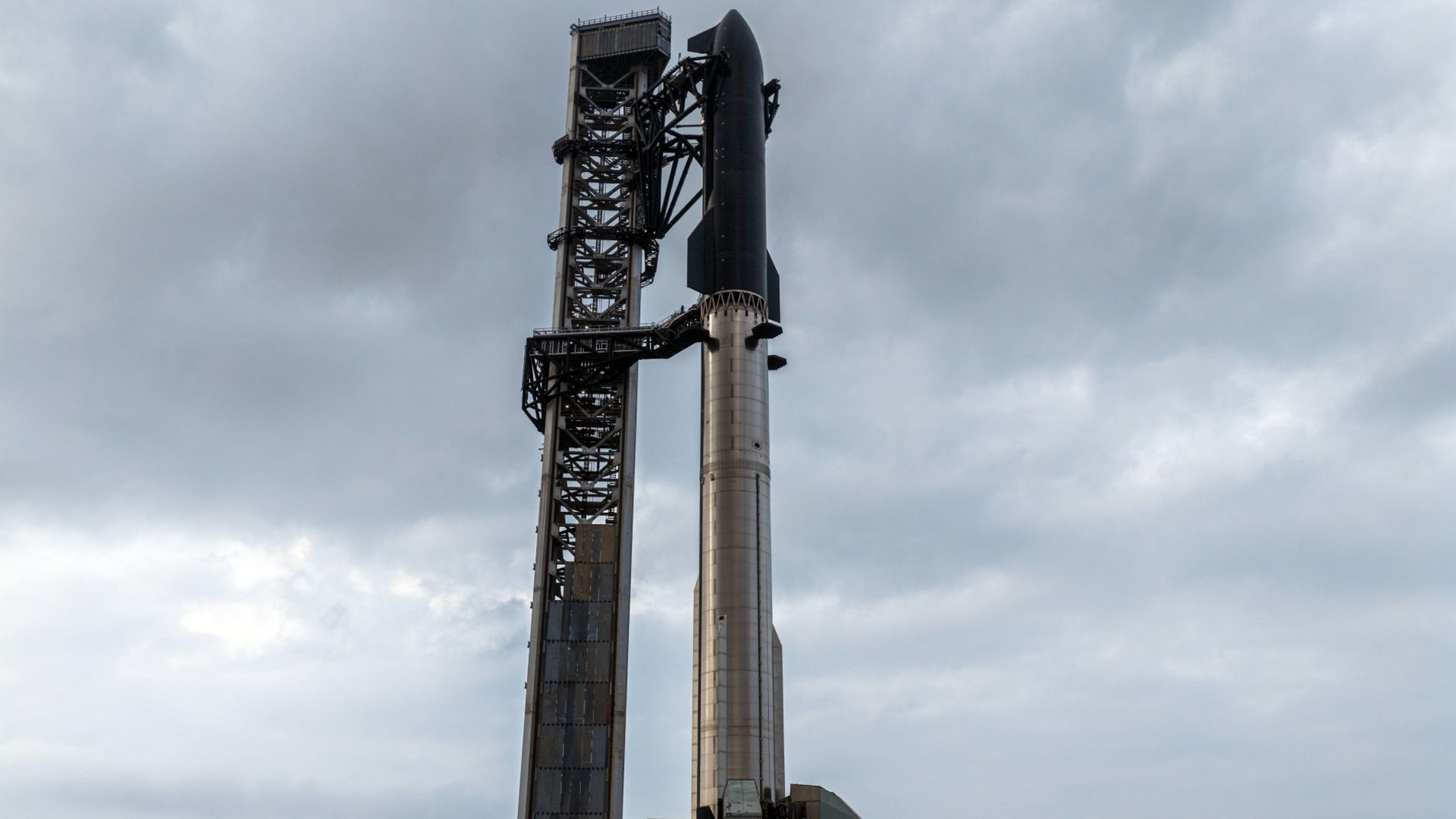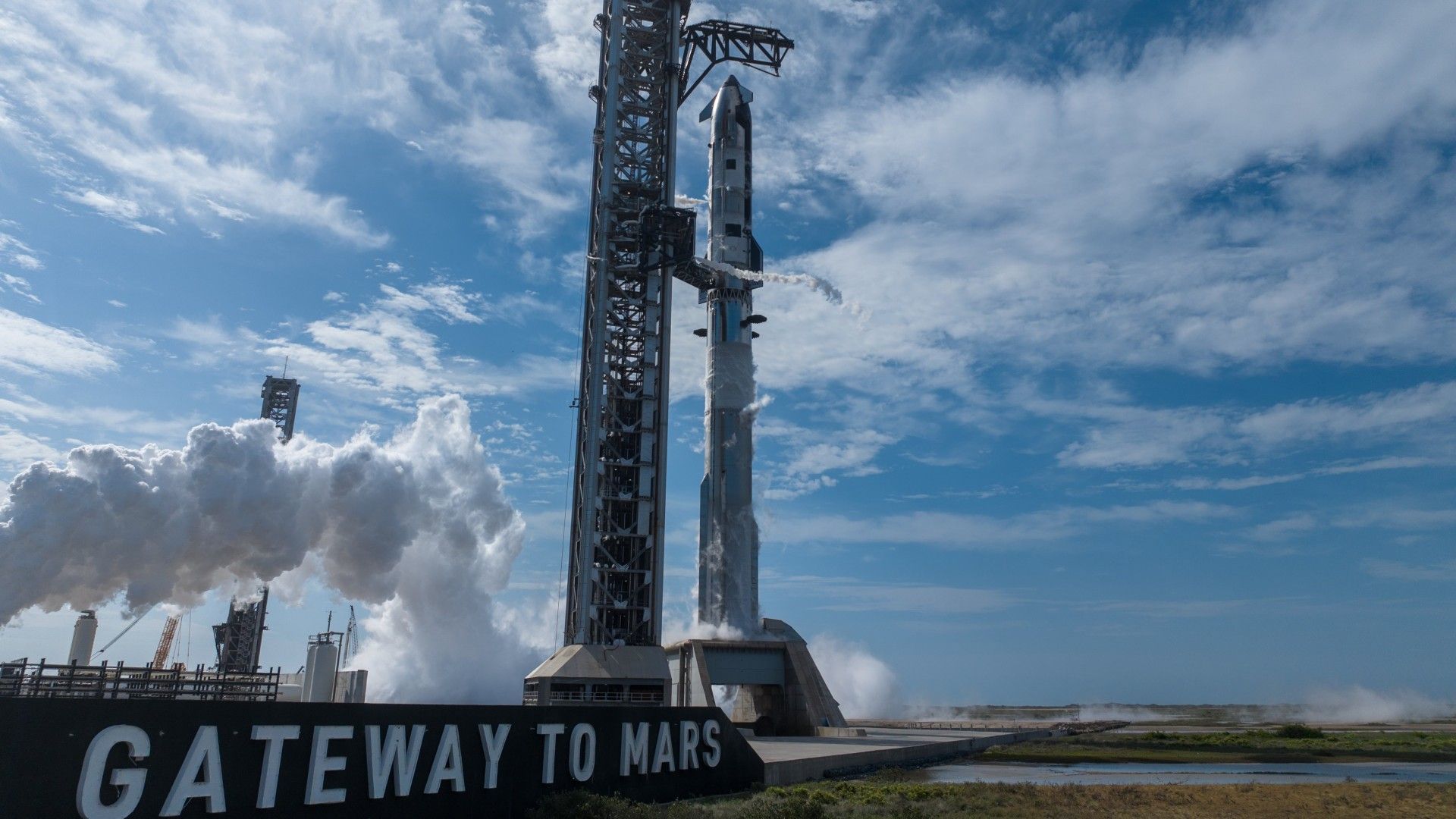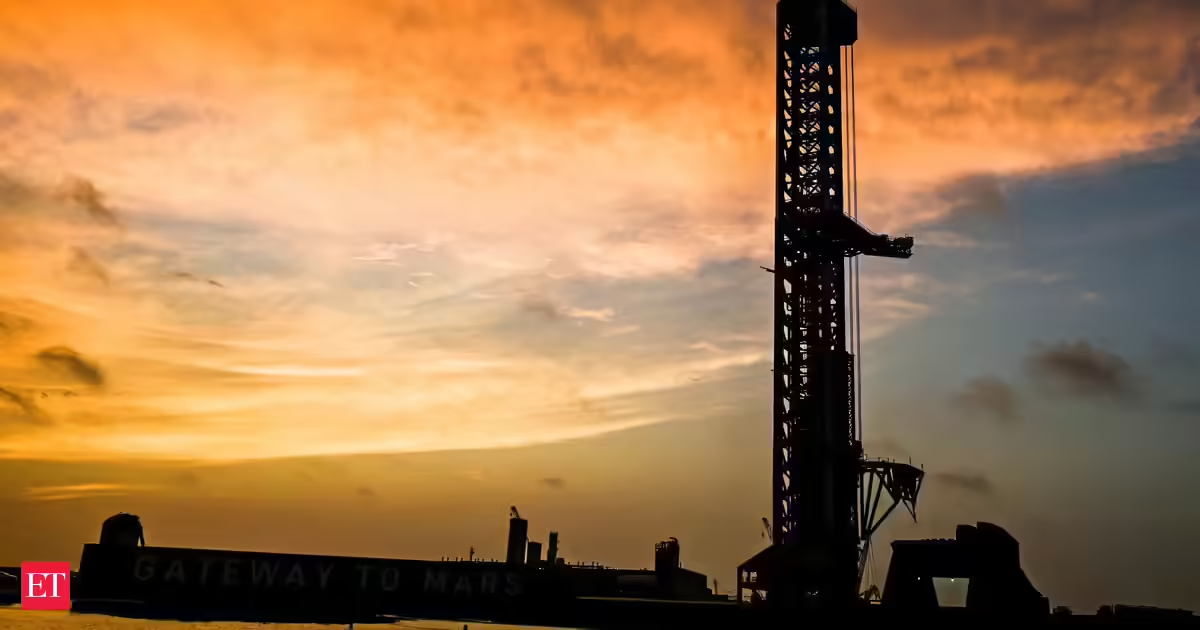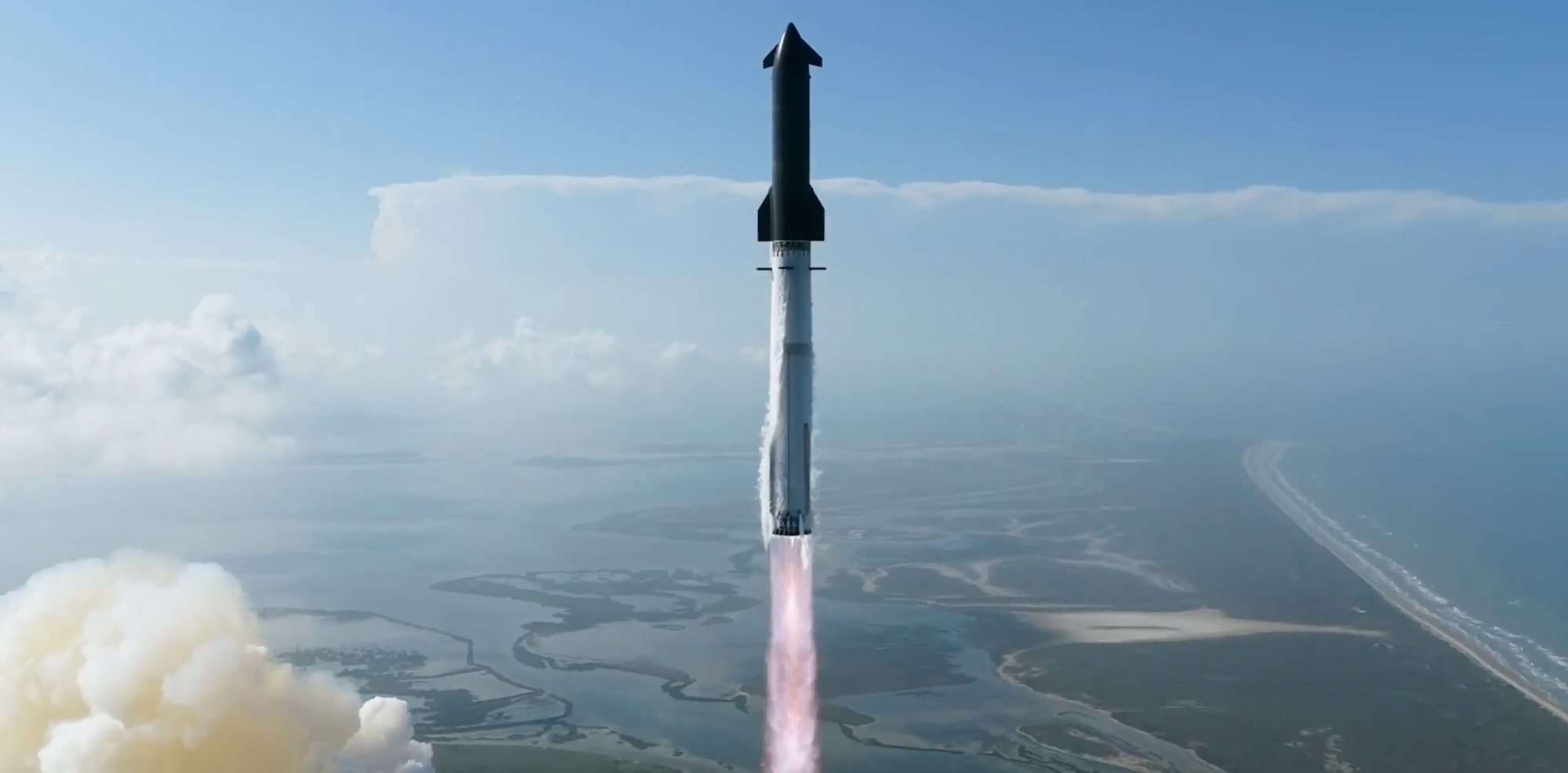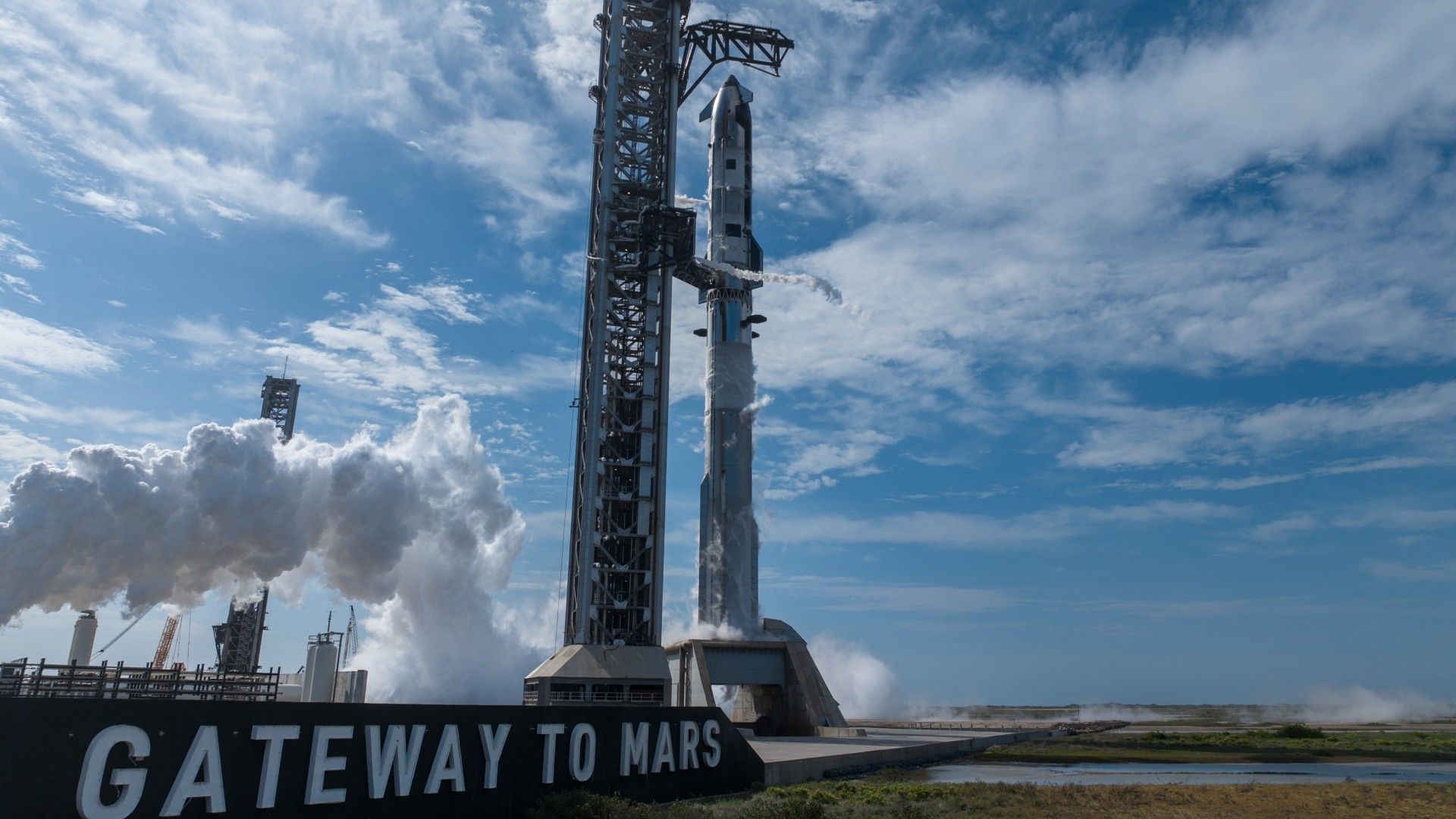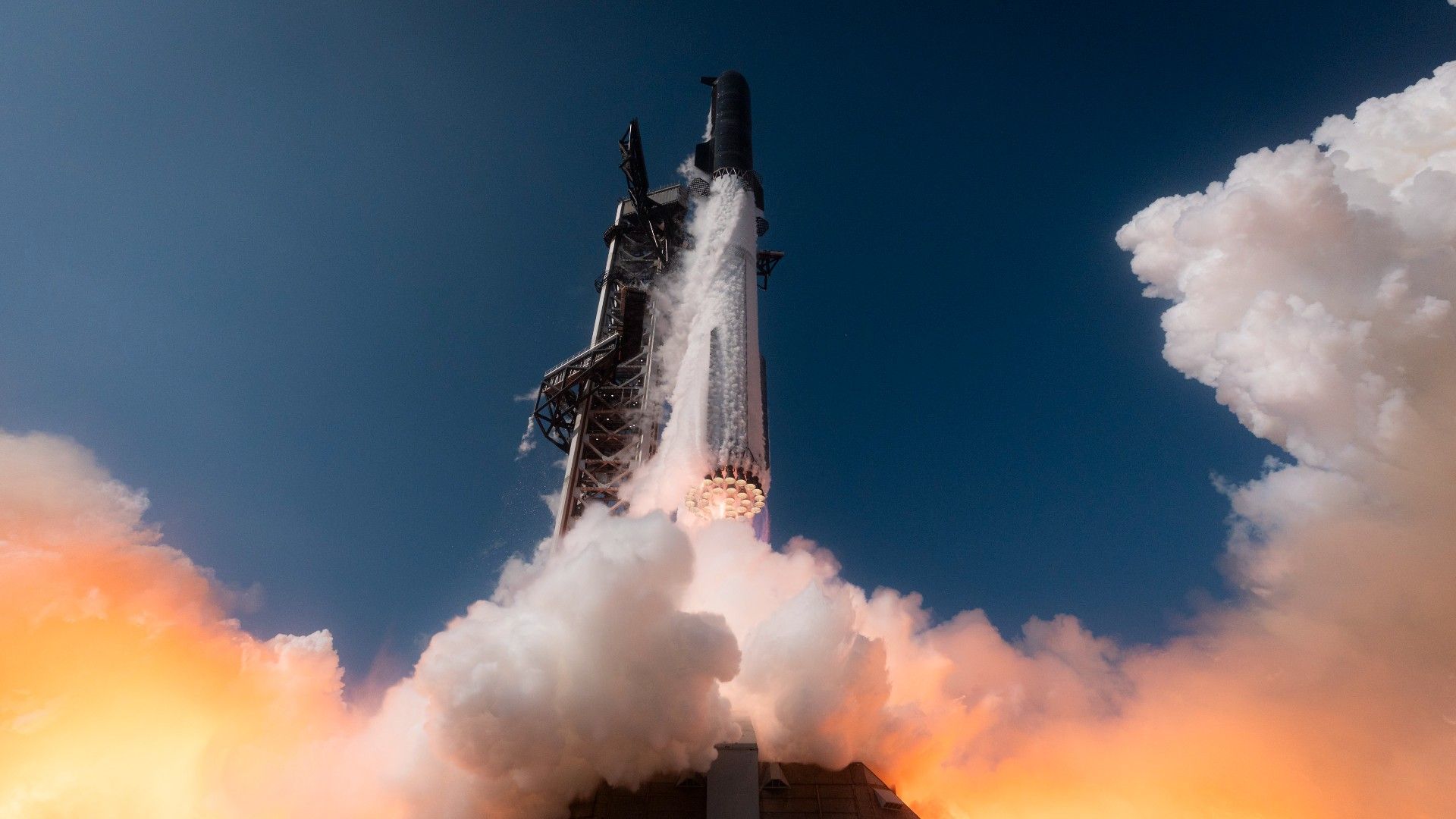
SpaceX's first Starship V3 vehicle launches on a test flight on May 22, 2026.
(Image credit: SpaceX)
SpaceX's next-gen Starship megarocket finally got off the ground last week.On May 22, SpaceX's first Starship V3 ("Version 3") vehicle lifted off from a brand-new pad at the company's Starbase site in South Texas. It was the first Starship launch in more than seven months, a lag caused by the time it took to develop and incorporate V3's many upgrades over its predecessors. (The destruction of a V3 Super Heavy booster during testing in November didn't help, either.)Though Starship V3 suffered a few engine glitches on May 22, and its Super Heavy booster didn't steer itself down for a soft ocean splashdown as planned, SpaceX heralded the suborbital test flight as a success. That's a big deal, because V3 is expected to carry a heavy load for the company, and for NASA, in the coming years.Great expectationsThe 408-foot-tall (124.4 meters) Starship V3 is the biggest and most powerful iteration of Starship yet. It's the first variant of the vehicle outfitted with SpaceX's new Raptor 3 engine, the sleekest, lightest and brawniest Raptor that the company has built.V3 sports many other upgrades as well. For example, its Super Heavy first stage has an improved fuel-transfer system that allows the booster's 33 engines to fire more quickly, according to a May 12 SpaceX update.The Ship upper stage, meanwhile, features a more efficient propulsion system, larger propellant tanks and docking ports that will enable meetups with refueling "tanker" vehicles in Earth orbit, among other modifications.Those in-space meetups will be a big part of Starship missions in the future. Any Starship flight to the moon, Mars or another deep-space destination will require the launch of a dozen or more Ships to haul its required propellant to space, experts say. (The exact number of necessary tanker missions is hard to pin down.)And the moon is indeed a target. In 2021, NASA selected Ship to be the first crewed lander for its Artemis program of lunar exploration. SpaceX is currently working to get Ship ready for the next two Artemis missions — Artemis 3, a docking test with NASA's Orion crew capsule in low Earth orbit, and Artemis 4, which will land astronauts near the lunar south pole. If all goes to plan, Artemis 3 will launch in mid-2027, and Artemis 4 will lift off in late 2028.Ship isn't guaranteed to fly on either of these missions, however. NASA also picked Blue Origin's Blue Moon spacecraft to be an Artemis lander, and both are still in the running for Artemis 3 and Artemis 4. (Both private landers could fly on Artemis 3, NASA officials have said, but only one will make the trip to the moon a year later.)