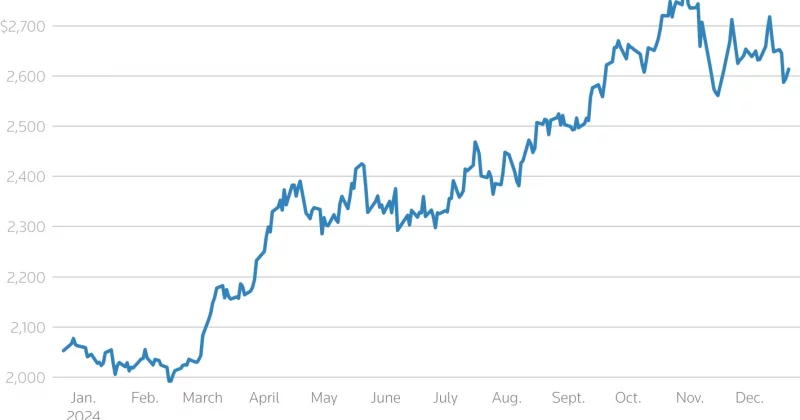
Gold took a hit on May 28, closing down 1.5% at $4,392.57 per ounce. The culprit: US economic data that came in strong enough to push the dollar higher and remind markets that rate cuts aren’t arriving on anyone’s preferred timeline.
The decline brought spot gold to its lowest level in roughly two months, a notable retreat for an asset that was trading above $5,500 just four months ago.
What the data changed
The sell-off was triggered by US economic releases that shifted the calculus around Federal Reserve rate policy. Stronger data tends to support the argument that the Fed can keep rates elevated for longer, which is bad news for gold on two fronts.
First, higher interest rates increase the opportunity cost of holding gold, which generates no yield. Second, resilient economic data typically strengthens the US dollar. Since gold is priced in dollars, a stronger greenback makes the metal more expensive for international buyers, dampening demand. Both forces were working against gold simultaneously on Wednesday.